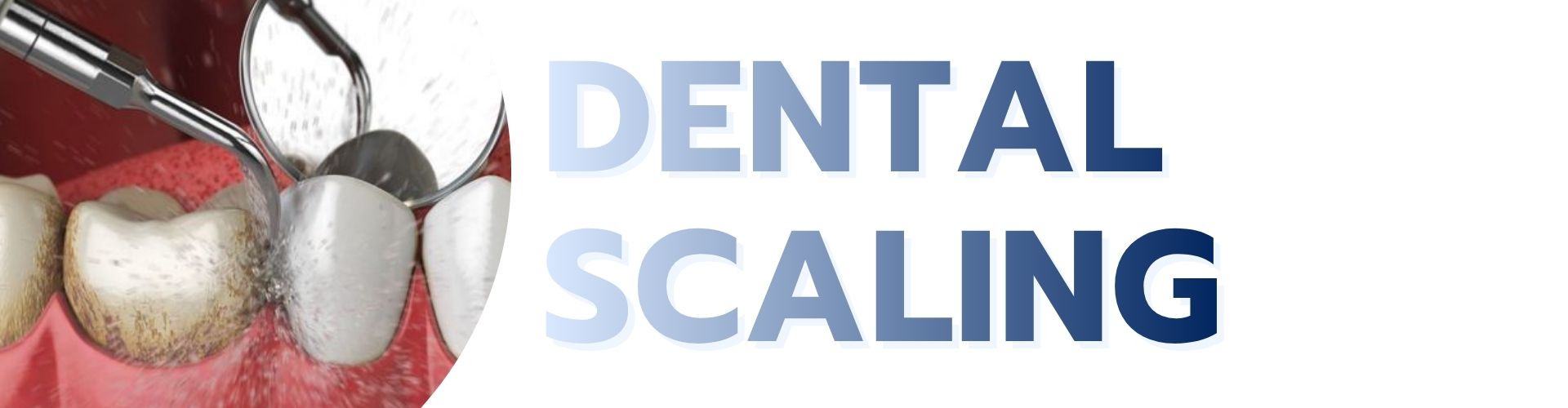
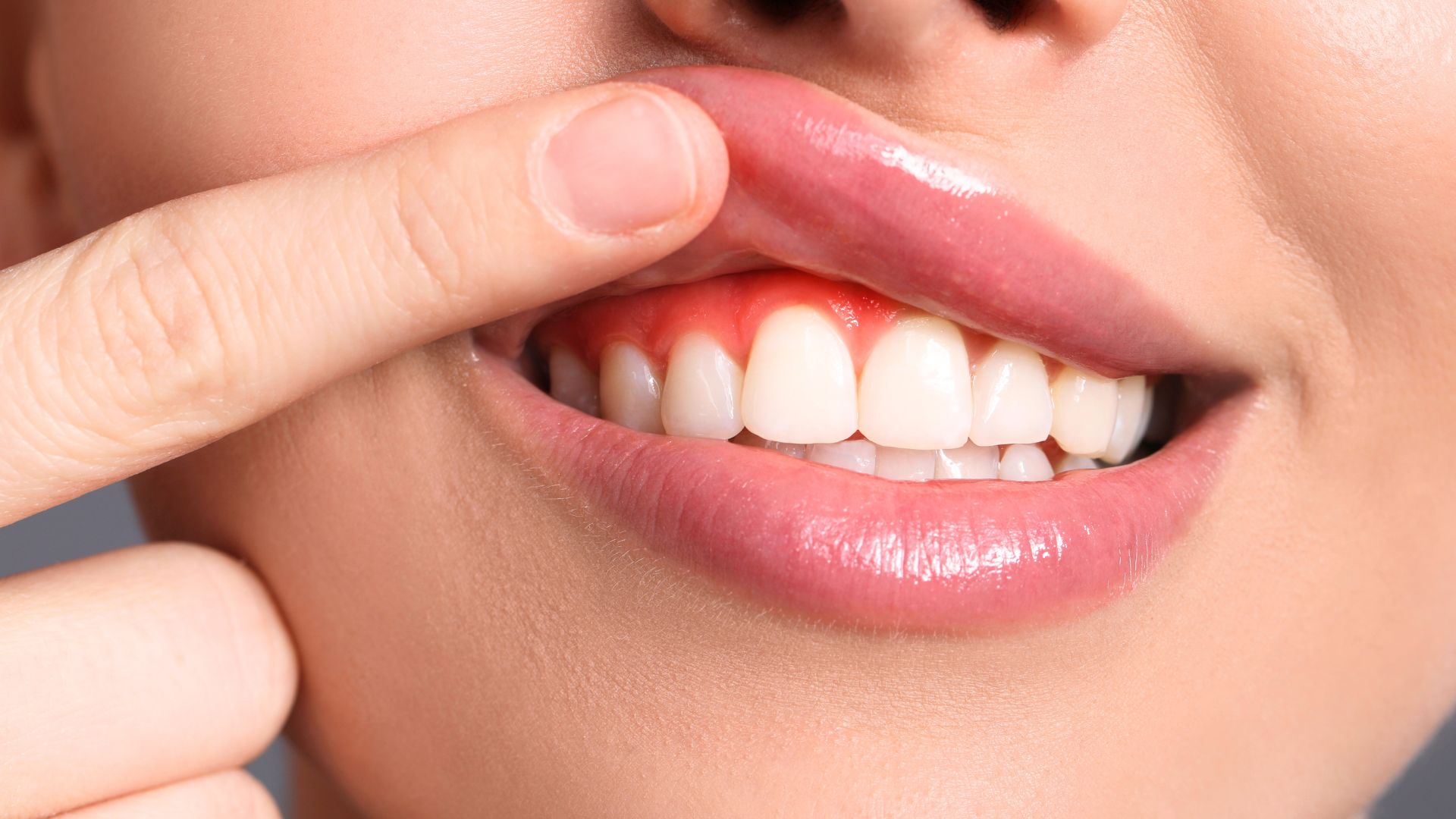
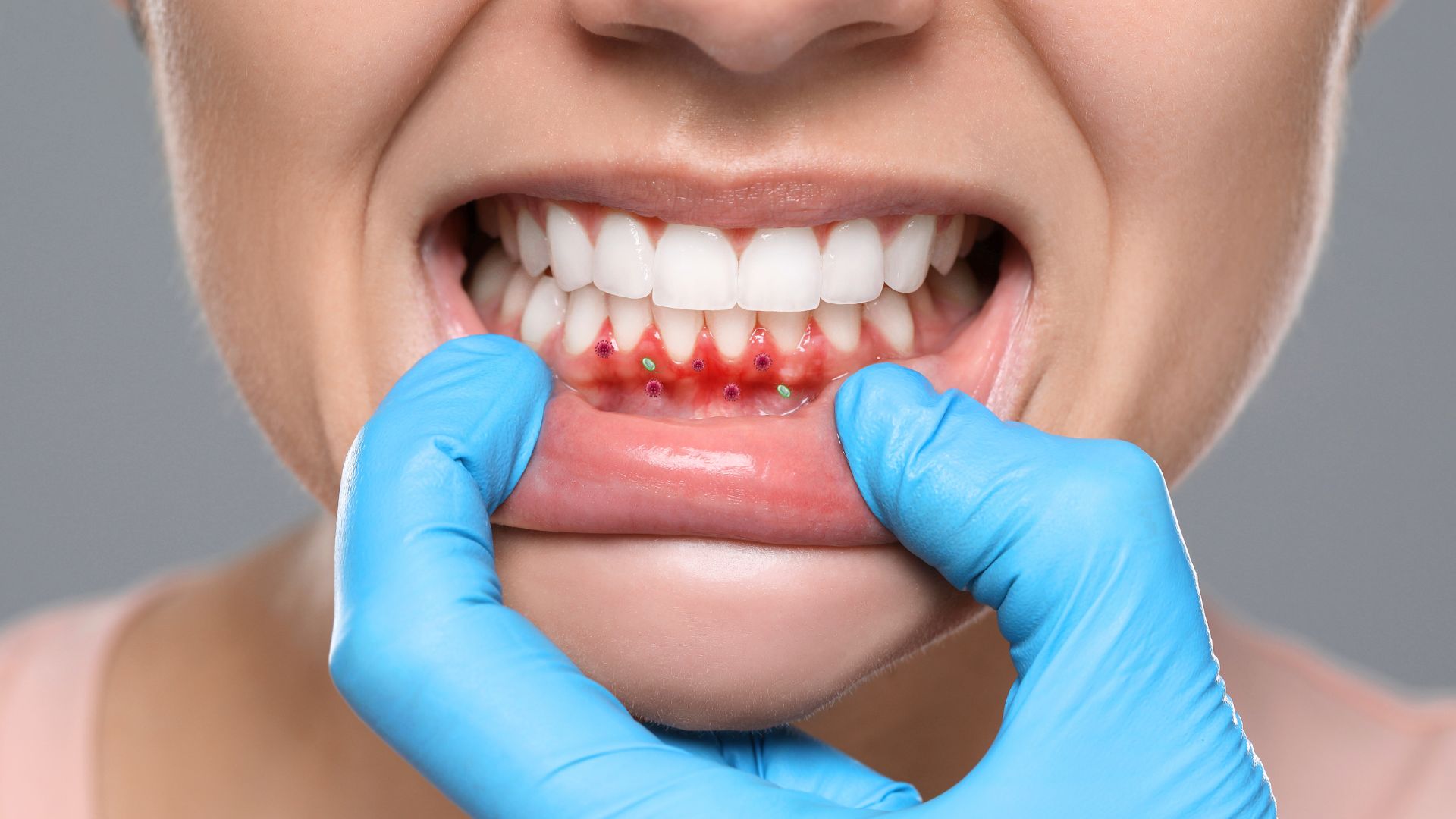
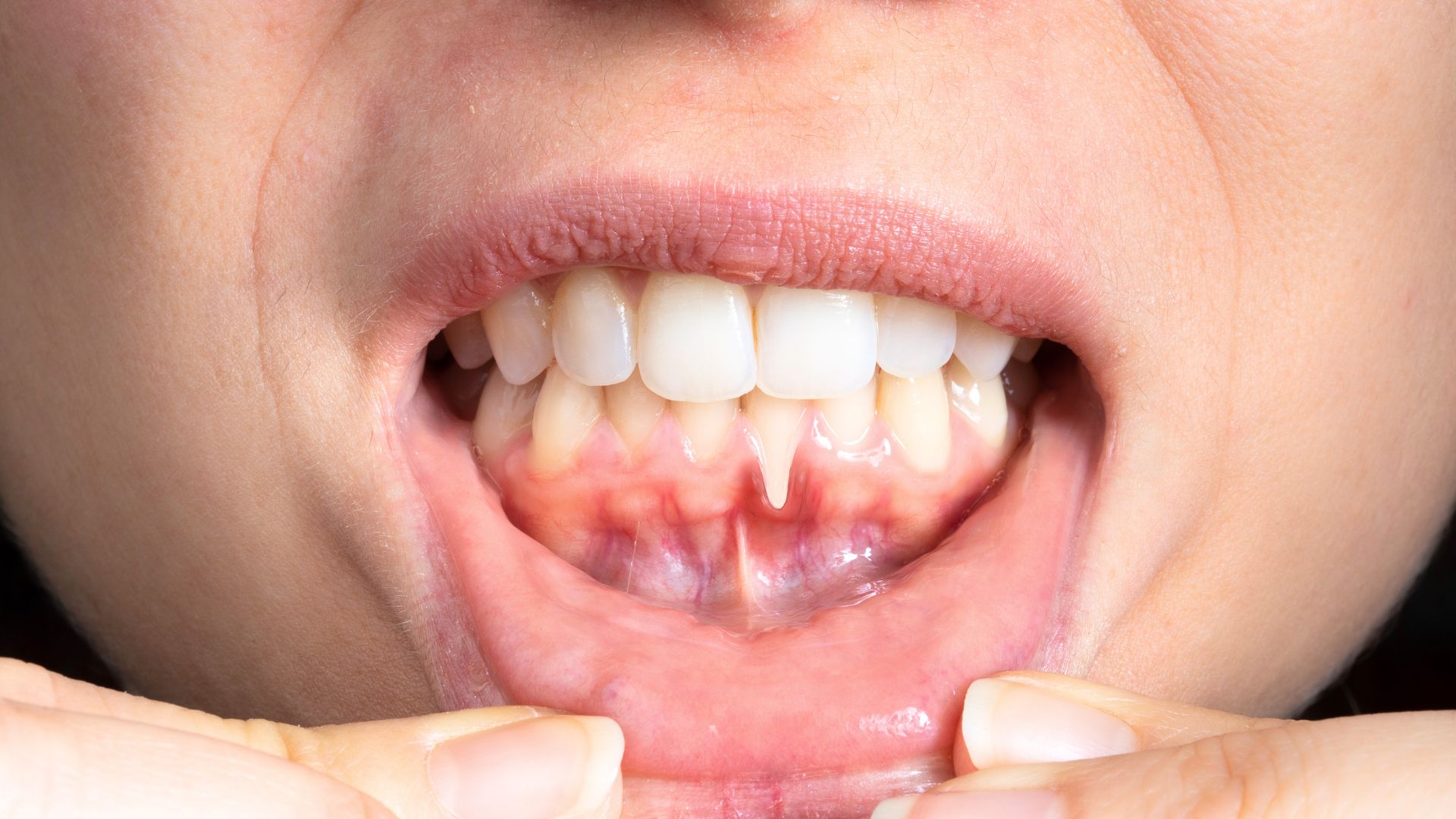
Dental scaling is a procedure to remove plaque, calculus (tartar), and long-standing stains from the teeth using specialized instruments or an ultrasonic device. This is a crucial step to protect the teeth and gums, preventing periodontitis (gum disease) and halitosis (bad breath)


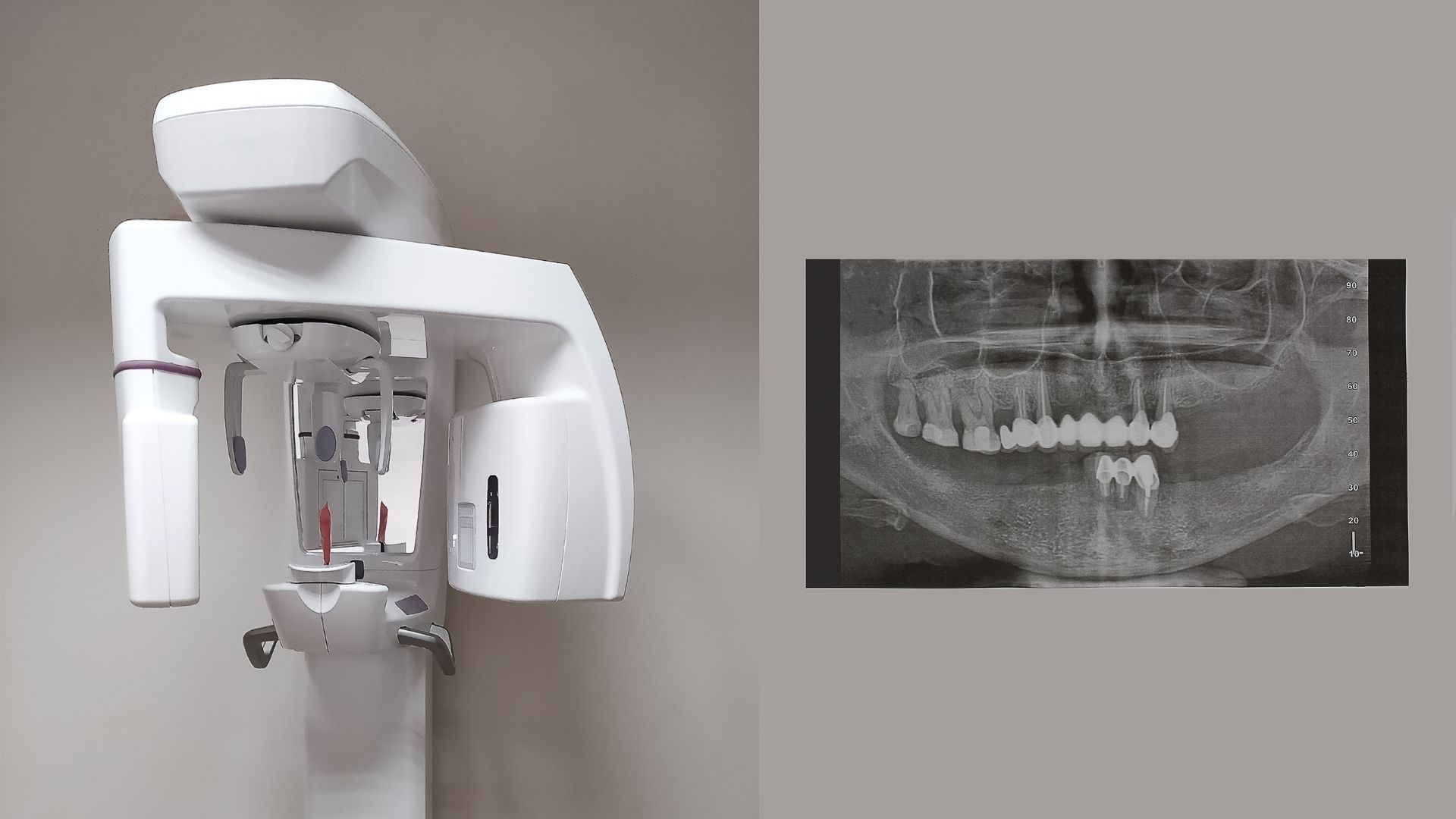
Smilux utilizes CT Cone Beam 3D technology to facilitate the following:
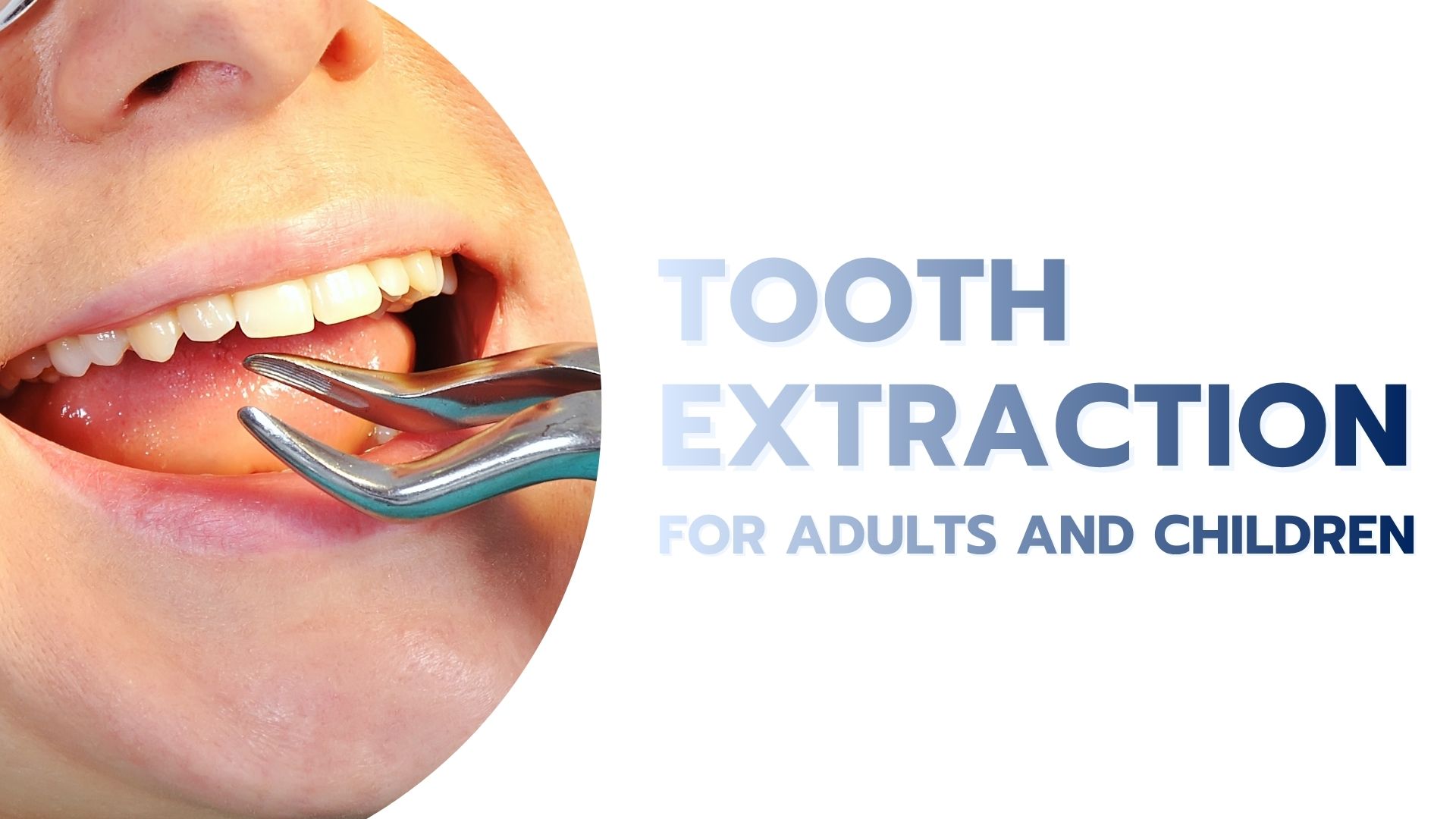
| DỊCH VỤ | GIÁ NIÊM YẾT |
| Nhổ răng sữa | Miễn phí |
| Nhổ răng thường | 800,000 |
| Tiểu phẫu răng khôn mọc lệch 45° | 3,000,000 |
| Tiểu phẫu răng khôn mọc lệch 90° | 4,000,000 |
| Nhổ răng khôn hàm trên | 1,500,000 |
| Nhổ răng khôn hàm dưới | 2,500,000 |
Lưu ý: Mức chi phí trên chỉ mang tính tham khảo. Hãy liên hệ Smilux được tư vấn miễn phí và mang đến giải pháp tối ưu, minh bạch giá cả cho bạn.
BOOK APPOINTMENT
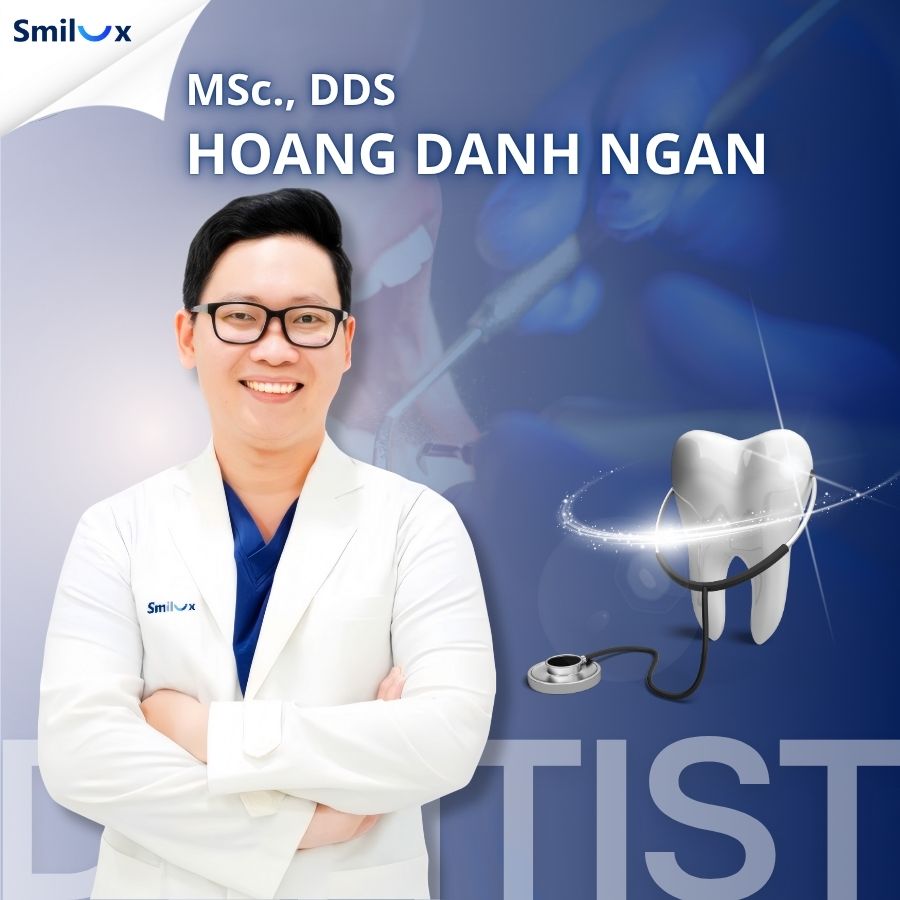
DENTIST WITH 15+ YEARS OF EXPERIENCE
With many years of experience in the field of general and aesthetic dentistry, Dr. HOANG DANH NGAN is known as a highly specialized and dedicated expert in dental treatment and restoration. He has helped thousands of patients improve their oral health and achieve a more confident smile every day


1. Is dental scaling (tartar removal) painful or sensitive?
The scaling process is almost entirely painless. You will only feel mild vibrations and cool water spray. Slight sensitivity may occur in individuals with weak enamel or those with deeply built-up tartar below the gum line, but this sensation is completely temporary and will subside within 1-2 days.
2. Does dental scaling cause enamel erosion or gaps between teeth?
This is one of the most common misconceptions. Ultrasonic waves are designed only to break up the structure of dental calculus (tartar) and are completely harmless to the enamel. Enamel is the hardest substance in the human body and cannot be affected by the frequency of ultrasonic waves used in dentistry. The sensation of feeling “gaps” between teeth after scaling will be explained in question number 5.
3. How often should dental scaling be done?
The ideal frequency depends on individual biology and habits. The average is once every 6 months. However, in some cases, your dentist may recommend more frequent scaling, about once every 3-4 months, if you:
– Smoke regularly.
– Consume a lot of tea or coffee.
– Have crowded or misaligned teeth that are difficult to clean. Have a history of gingivitis or periodontitis (gum disease).
4. Can pregnant women undergo dental scaling?
Yes, it is completely possible and highly recommended. During pregnancy, hormonal changes make the gums more sensitive and prone to inflammation (pregnancy gingivitis). Dental scaling, especially during the second trimester (months 4 to 6), is a safe and necessary time to remove bacteria and protect the health of both the mother and the development of the fetus.
5. Why do teeth feel "gappy" or looser after scaling?
This feeling is a good sign and completely normal! Before scaling, the natural spaces between your teeth were filled by thick layers of dental calculus. When these “uninvited guests” are removed, you perceive the true gaps between your teeth. Simultaneously, previously inflamed and swollen gums will firm up, revealing the interdental spaces more clearly. This is the healthy and original state of your teeth.
CONTACT