Which Single Tooth Dental Implant Is Best at Smilux?
Explore Swiss, American, and Korean implant options for single tooth replacement at Smilux. A detailed comparison to help you choose the most suitable solution.


This is a question that concerns many people when their dentist recommends dental implant placement to restore a missing tooth. The idea of inserting a metal post into the jawbone can sound “frightening,” causing worries about pain, complications, or long-term health effects.
In reality, the safety of dental implants largely depends on the technology used, the dentist’s expertise, and the clinical protocol. Understanding the true nature of dental implants will help you make an informed decision and feel more confident before treatment.

Dental implants are a modern restorative solution with a very high success rate when performed with proper indications and correct techniques. However, like any medical procedure, implant treatment may still involve certain risks if essential conditions are not fully met. Common issues include:
Poor Osseointegration
After implant placement, the implant fixture requires time to biologically bond with the jawbone (a process known as osseointegration). In some cases, this process does not proceed as expected, resulting in insufficient implant stability. Possible causes include low bone density, significant bone loss, or uncontrolled systemic health conditions. When detected early, dentists can intervene promptly and adjust the treatment plan accordingly.
Peri-Implant Inflammation
This condition refers to inflammation of the gum tissue and bone surrounding the implant, often associated with bacterial plaque accumulation or improper oral hygiene after surgery. Typical signs include redness, swelling, and bleeding when touched. If diagnosed early and treated promptly, peri-implant tissues can recover without compromising implant longevity.

Loose Implant or Implant Removal
In rare cases, when the implant fails to achieve sufficient stability or when prolonged inflammation occurs at the implant site, the dentist may recommend removing the implant to resolve the condition before re-implantation. This is not an immune-related “rejection” by the body, but rather a result of technical factors, jawbone conditions, or infection control issues.
Incorrect Implant Position
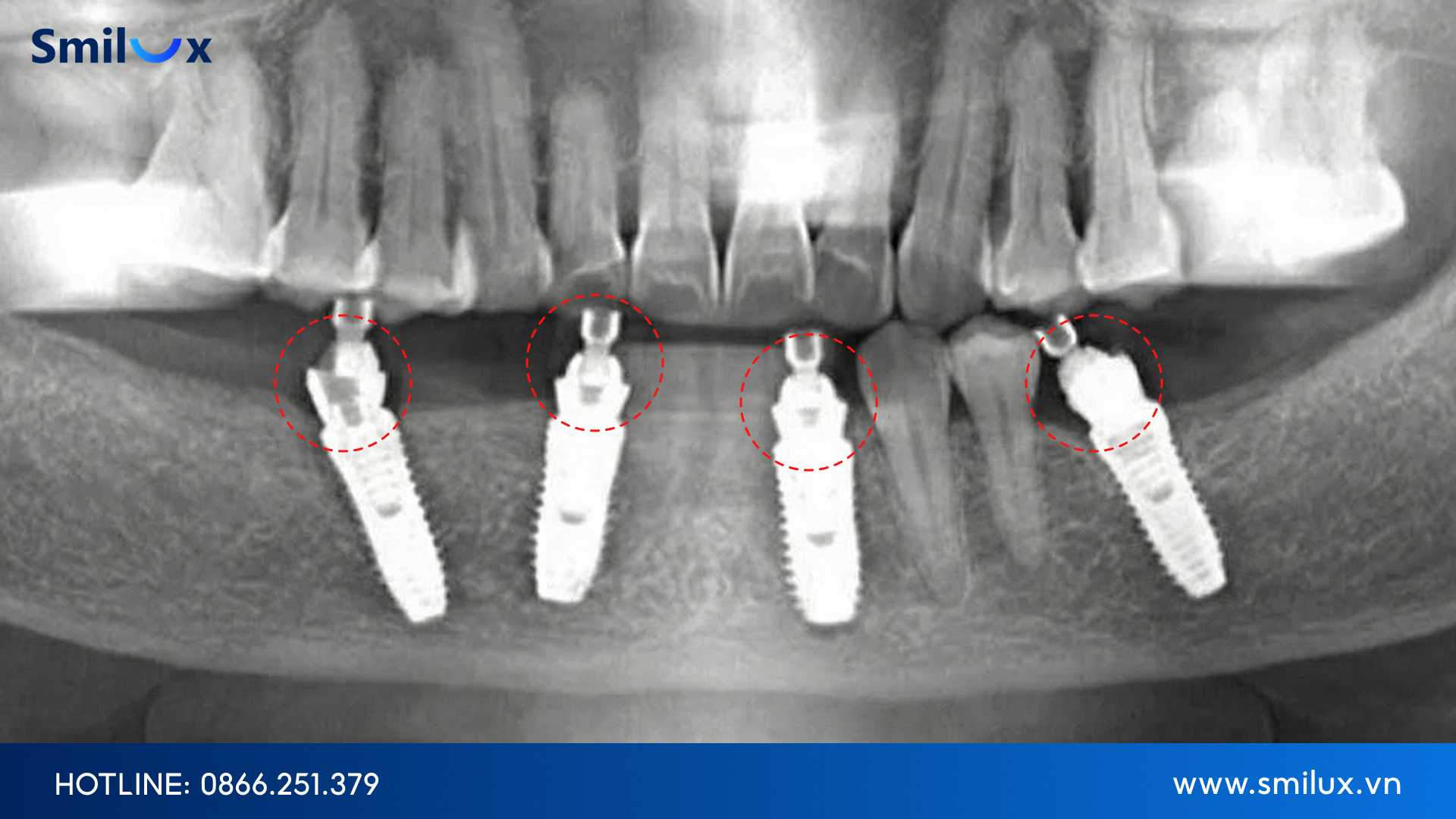
If an implant is placed at an incorrect angle or position relative to the missing tooth, it may affect chewing forces or cause long-term discomfort. Therefore, Cone Beam CT imaging to evaluate jawbone structure and establish an accurate implant plan from the outset is mandatory and plays a crucial role in the success of any implant case.
Implant complications do not occur randomly. They are usually associated with one or more factors during the treatment process or post-operative care. Common causes include:
Surgical Technique Factors
Dental implant placement requires advanced expertise and extensive clinical experience. Incorrect implant positioning, improper angulation, or inadequate sterilization control can increase the risk of infection and negatively affect osseointegration.
Patient’s Overall Health Condition
Certain systemic conditions such as poorly controlled diabetes, osteoporosis, or cardiovascular disease may slow down the healing process. In addition, insufficient jawbone density or quality must be carefully assessed before implant placement to avoid unnecessary risks.
Lifestyle Habits and Post-Operative Care
Smoking reduces blood circulation to the gums and jawbone, thereby impairing healing and osseointegration. Inadequate oral hygiene also allows plaque and bacteria to accumulate around the implant, increasing the risk of peri-implant inflammation.
Quality of the Implant Fixture
Dental implants must be manufactured from medical-grade materials with high biocompatibility. Using implants of unclear origin or inferior quality may compromise long-term stability and bone integration.
Untreated Oral Diseases
Conditions such as gingivitis or periodontitis, if not properly treated before implant placement, can serve as hidden bacterial sources, increasing the risk of infection and post-treatment complications.

Learn more about: Single Tooth Dental Implant Services in Ho Chi Minh City
In practice, dental implants are a safe treatment option with a very high success rate when performed under proper indications. Most risks can be controlled and prevented by paying attention to the following factors:
1. Choose a Reputable Dental Clinic and Implant Specialist
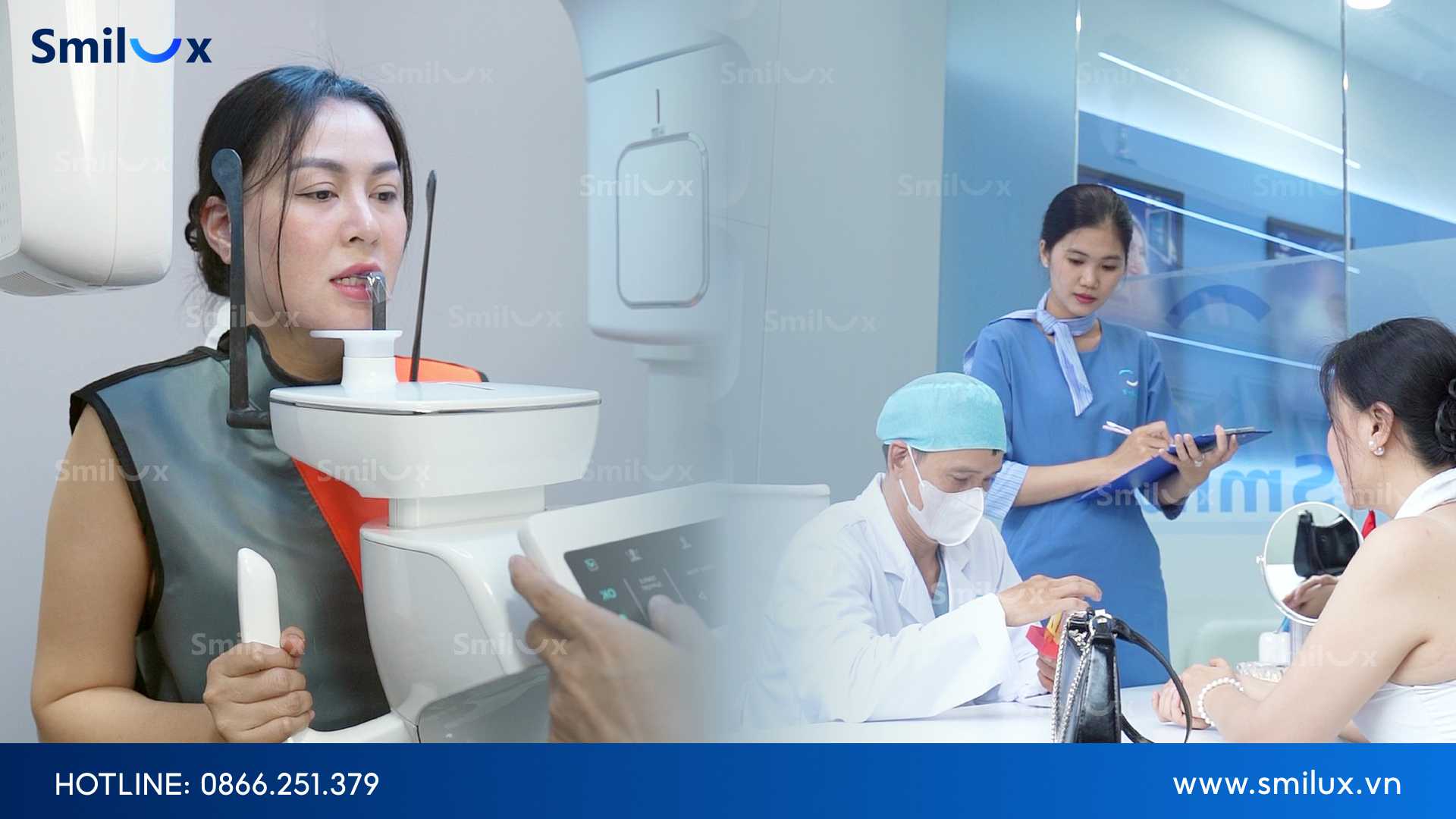
The dentist should have advanced training in implant dentistry, solid clinical experience, and the ability to accurately assess jawbone anatomy for safe implant placement. The dental clinic should also be equipped with Cone Beam CT 3D imaging, a strict sterilization system, and a standard minor surgery room to ensure implants are placed accurately and safely.
2. Thorough Pre-Implant Examination
Before implant placement, patients should undergo:
If gum disease, periodontal infection, or inadequate bone conditions are detected, the dentist will treat these issues or recommend bone grafting or sinus lifting prior to implant placement to enhance safety and osseointegration success.
3. Use Genuine, Highly Biocompatible Dental Implants
Standard dental implants are typically made from titanium, a medical-grade biomaterial certified by the FDA for 100% biocompatibility with the human body. Using genuine implants helps to:
4. Proper Post-Implant Care
After implant surgery, patients should:
Proper care promotes faster soft tissue healing and supports successful bone integration of the implant.

5. Regular Follow-Up Visits
Follow-up appointments allow dentists to:
Typically, follow-up visits are scheduled after 1–2 weeks, after final restoration, and then every 6–12 months.
If you are considering a single tooth dental implant and want to know where to receive safe, authentic, and long-lasting treatment in Ho Chi Minh City, you may refer to the following article: Trusted Dental Clinics for Single Tooth Implants in Ho Chi Minh City.

Explore Swiss, American, and Korean implant options for single tooth replacement at Smilux. A detailed comparison to help you choose the most suitable solution.

A successful dental implant case depends not only on implant quality, but on the synergy of specialist expertise, advanced technology, and standardized clinical protocols.

Is dental implant treatment dangerous? This article explains implant safety, potential risks, and key conditions for a safe, long-lasting dental implant outcome.

Single tooth dental implant at Smilux is completed in 4 streamlined steps within under 3 days. The cost starts from just 6.9 million VND, ensuring efficiency and long-term value.