Should a Baby Tooth That Stays Loose for Too Long Be Pulled?
Parents often feel confused about whether to pull their child’s baby tooth or wait for it to fall out naturally. Smilux explains in detail when intervention…


Pulling out a baby tooth at home might seem simple, but it actually carries many unseen risks that parents often overlook.

1. Risk of Infection and Bleeding:
Removing a tooth with bare hands or non-sterile tools can cause gum bleeding and bacterial infection. Germs may enter the wound, leading to swelling, abscesses, or even serious blood infections.
2. Gum and Adjacent Tooth Damage:
If the tooth isn’t loose enough and is pulled with too much force, the root can break, causing long-lasting gum inflammation. Incorrect pulling angles can also loosen or damage nearby teeth, affecting your child’s bite alignment.
3. Impact on Incoming Permanent Teeth:
Baby teeth act as placeholders for permanent teeth. Pulling a tooth too early can cause neighboring teeth to tilt into the empty space, leaving no room for adult teeth to erupt properly. This often leads to crowding or misalignment that later requires orthodontic treatment.
4. Psychological Trauma for Children:
A painful, frightening tooth-pulling experience can create fear of dentists in children. Over time, they may avoid dental visits altogether, leading to poor oral health in the long run. Because of these risks, parents are strongly advised not to pull out a child’s decayed baby tooth at home.

Parents can assist with tooth removal only when the baby tooth is very loose, painless, and the gums show no signs of swelling or infection.
Safe steps for at-home tooth removal:
Never attempt at-home removal if:
If any of these signs appear, visit Smilux Dental Clinic for a safe and professional baby tooth extraction. You can also leave your contact information for a free consultation with our team.

Some conditions require professional dental care:
1. The Tooth Causes Pain or Swollen Gums:
If your child complains of severe pain, swollen gums, or has a mild fever, this may indicate a serious infection that needs immediate attention.
2. The Tooth Isn’t Loose but Affects Chewing:
When a decayed tooth makes it hard for your child to chew, a dentist should assess whether extraction is needed to prevent the infection from spreading.
3. The Tooth Is Decayed, but No Permanent Tooth Is Ready to Erupt:
In such cases, the dentist will examine whether to remove or preserve the tooth to protect the developing tooth underneath.
4. The Tooth Causes Bad Breath or Fever:
Bad breath or mild fever may signal bacterial buildup from decay. These symptoms should not be ignored, a dentist’s intervention is necessary.

Proper aftercare ensures quick healing and prevents complications.

Keeping a close eye on your child’s dental development is key to lifelong oral health. We hope this guide helps parents understand the dangers of at-home tooth extraction and recognize when professional help is needed.
If you’d like to learn more, check out our next article: “Does Baby Tooth Extraction Cause a Lot of Bleeding?”

Parents often feel confused about whether to pull their child’s baby tooth or wait for it to fall out naturally. Smilux explains in detail when intervention…

Before pulling a baby tooth at home, learn the warning signs and possible complications before it’s too late. When should parents take their child to a dental…

To help your child have a tooth removed, we first need to understand that the real enemy is not pain, but fear. At Smilux, that fear no longer exists.
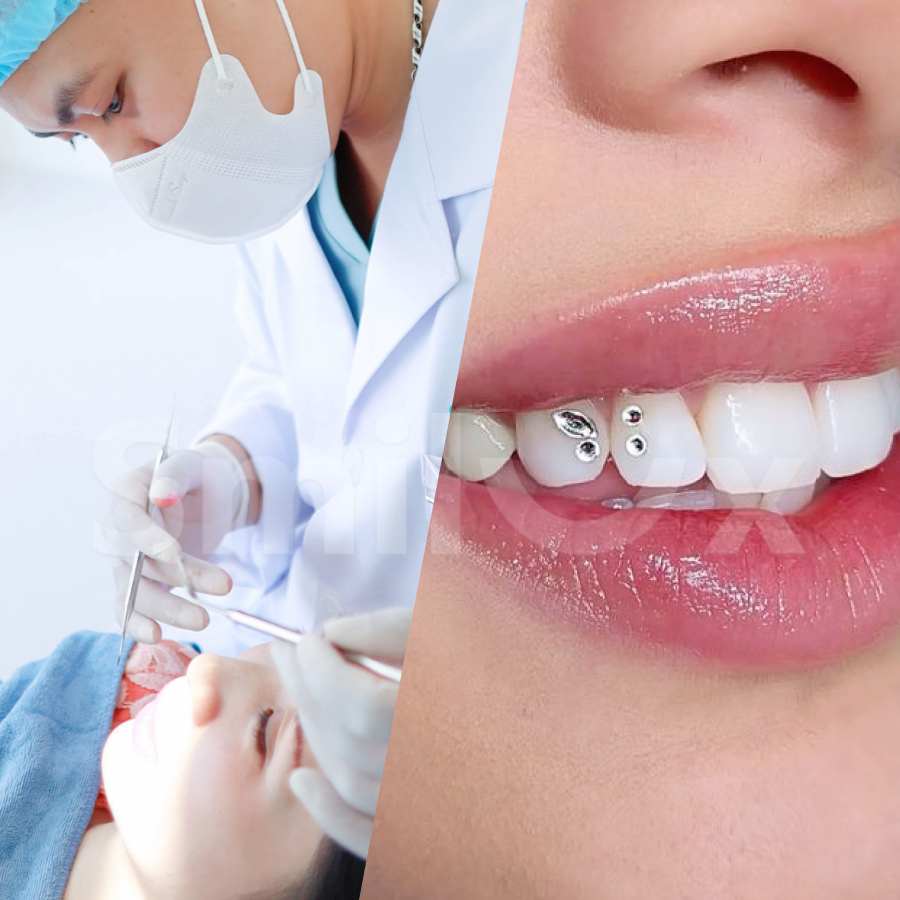
Whether tooth gems are beautiful and safe depends largely on where the procedure is performed. This article helps you choose a dental-standard tooth gem provider that does not harm tooth enamel.