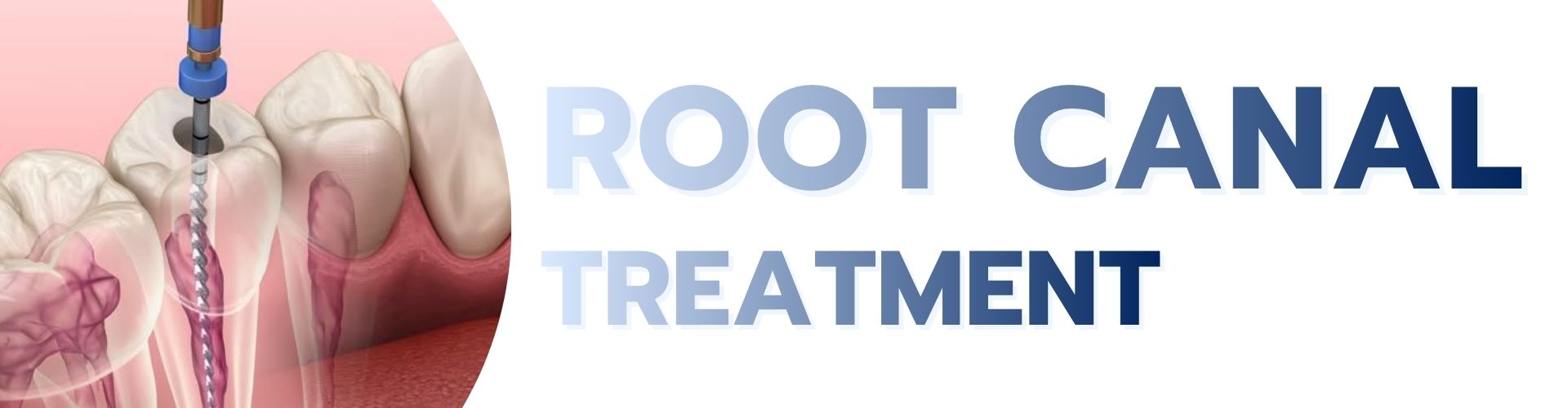
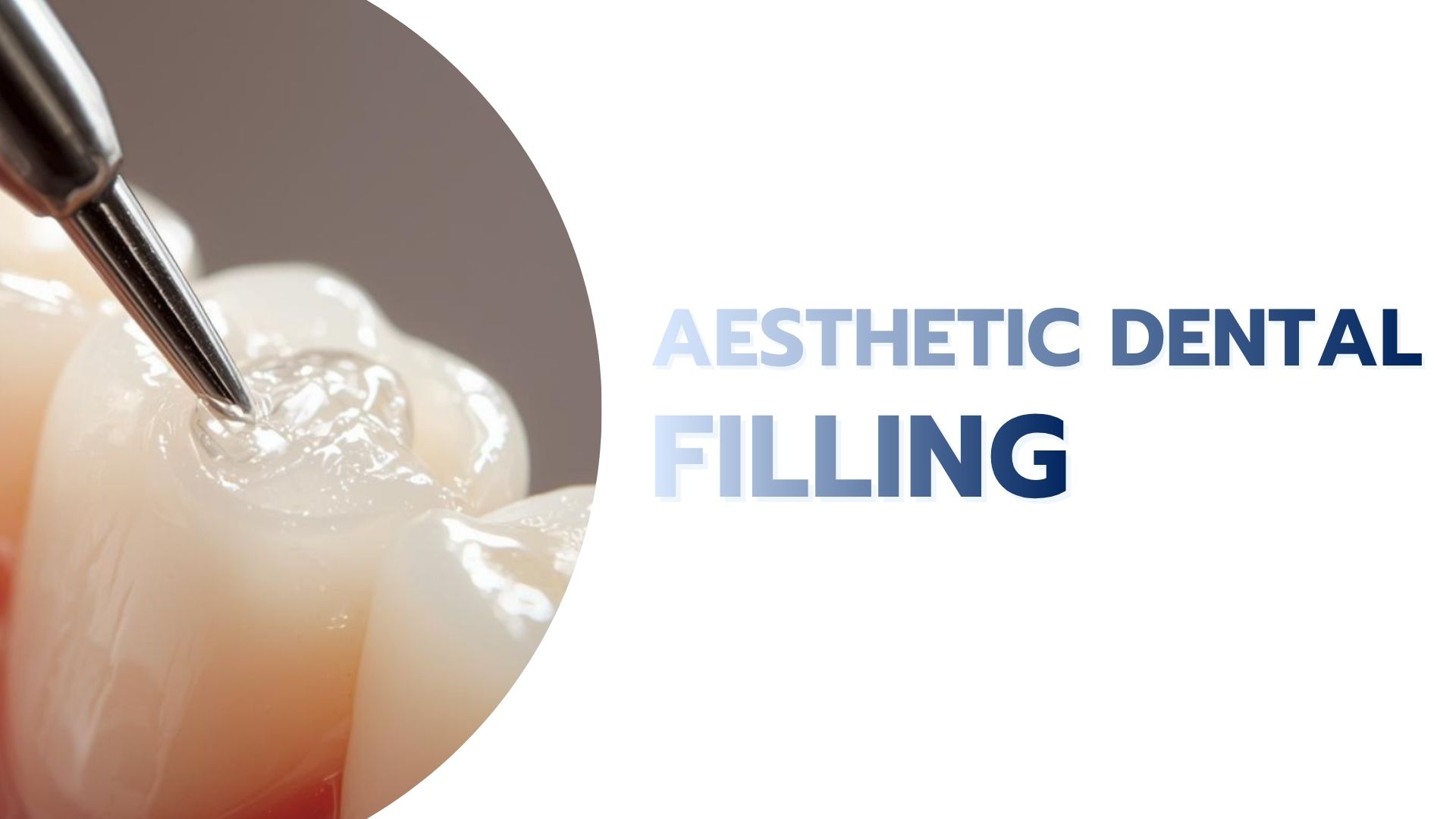
Root canal treatment is a dental procedure used to remove inflamed or necrotic (dead) dental pulp, thoroughly clean the root canal system, and seal it with a filling material to preserve the natural tooth, prevent the spread of infection, and alleviate pain.
SIGNS OF DAMAGED DENTAL PULP
1. Spontaneous, intense tooth pain:
The pain occurs in episodes, often at night, without requiring external stimulus. This is a typical sign of acute pulpitis.
2. Prolonged sensitivity when consuming hot, cold, or sweet foods:
Sensitivity lasts for 10-30 seconds after exposure to a stimulus. This indicates that the pulp is severely damaged (often irreversible pulpitis).
3. Pain when chewing or when the tooth is tapped (percussion):
Pain when biting or when the tooth is lightly tapped (percussion). This is a sign of periapical inflammation (inflammation around the root tip), and the pulp may already be necrotic (dead).
4. Gum swelling, with pus or a pustule/pimple on the gum (gum boil):
The gum area around the tooth is red and swollen, sometimes with a small white pustule/pimple (a gum boil or fistula). This indicates an infection that has spread into the jawbone.
5. Tooth changing to gray or black color (discoloration):
The tooth appears darker than adjacent teeth, which indicates that the pulp is necrotic (dead).
6. Persistent bad breath (halitosis):
Caused by dead pulp tissue and bacteria within the root canal system, leading to an unpleasant odor.
7. Large dental cavity close to the pulp:
A wide, dark cavity that extends deep into the dentin. Failure to treat early can easily lead to pulpitis or pulp necrosis.
HOW IS DENTAL PULP RELATED TO 1, 2, OR 3 ROOTS?
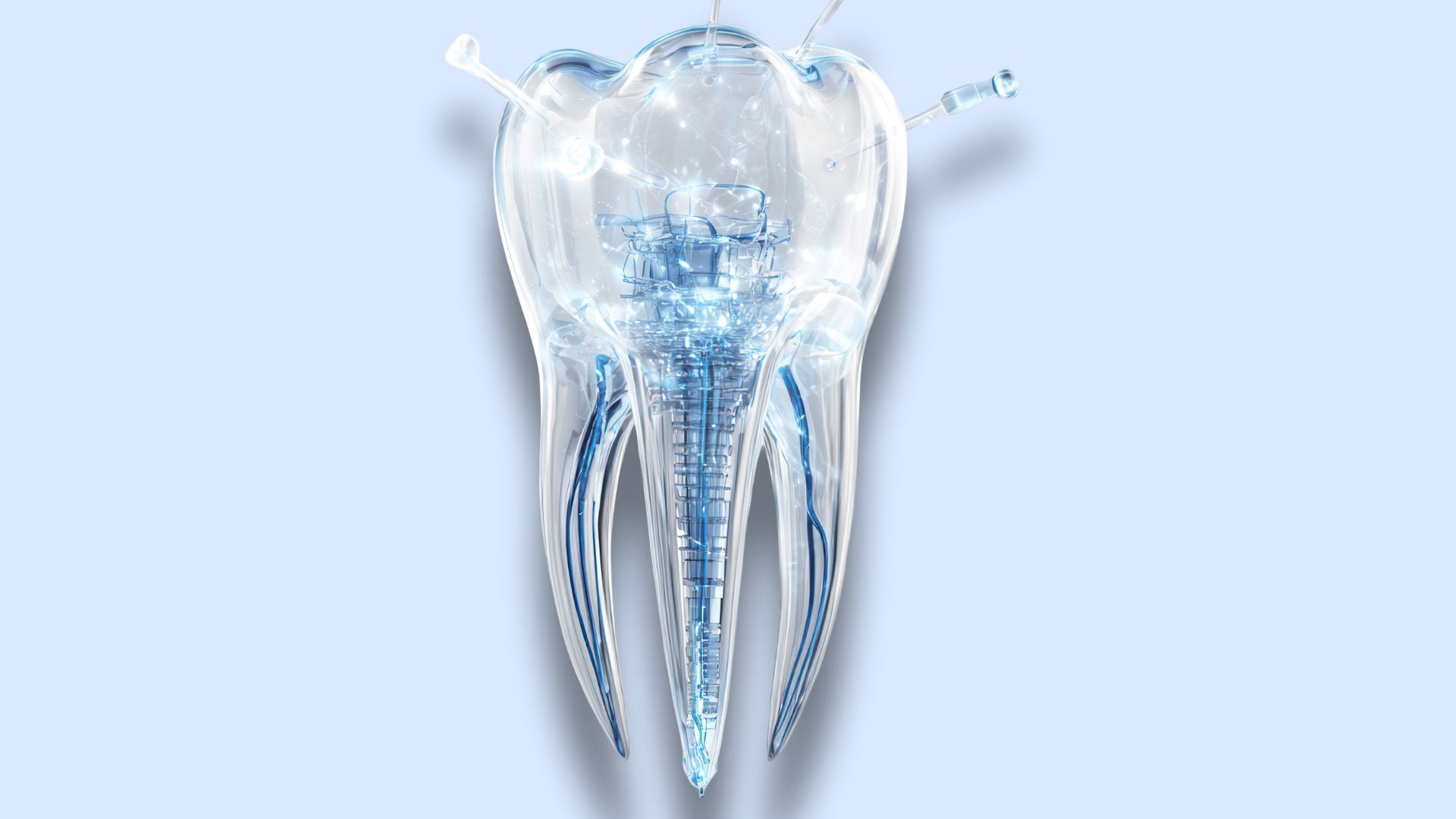
The dental pulp is located inside the root canals, and each tooth root has one or more canals. Therefore, the number of roots directly affects the following:
The complexity level when the pulp is damaged.
The symptoms when the pulp is inflamed.
The time and cost of root canal treatment.
Single-Rooted Teeth (1 Root/Canal) are typically incisors, canines, and sometimes premolars. Treatment is fast, straightforward, and low cost.
Two-Rooted Teeth (2 Roots/Canals) are found in upper premolars and lower molars. This requires a dentist with good technical proficiency.
Three-Rooted Teeth (3 Roots/Canals) are mainly upper molars. The treatment procedure is longer and results in the highest cost.
ROOT CANAL TREATMENT PRICE LIST
SERVICE
STANDARD PRICE
PROMOTIONAL PRICE
Root Canal Treatment for 1 Root
2,000,000
1,800,000
Root Canal Treatment for 2 Roots
2,500,000
2,000,000
Root Canal Treatment for 3 Roots
3,500,000
3,000,000
Root Canal Retreatment Level 1
2,500,000
2,500,000
Root Canal Retreatment Level 2
3,500,000
3,000,000
Note: The above costs are for reference only. Please contact Smilux for a free consultation and receive the most optimal, transparent treatment plan.
BOOK APPOINTMENT
DENTIST WITH 15+ YEARS OF EXPERIENCE
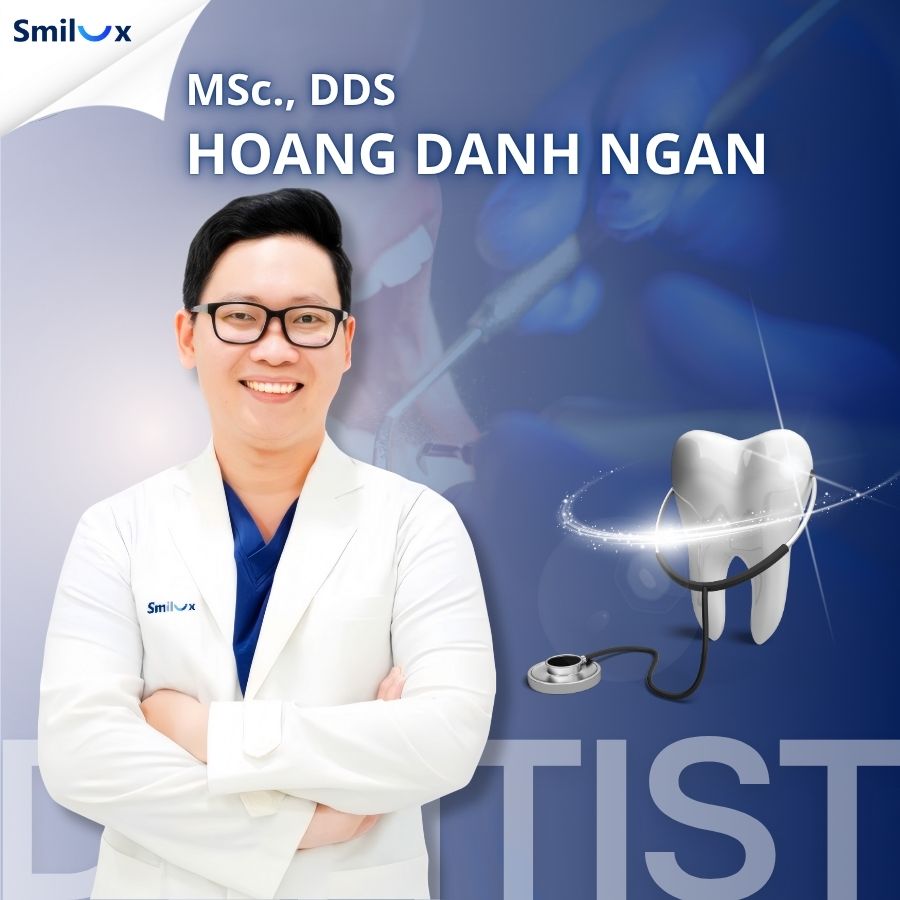
With many years of experience in the field of general and aesthetic dentistry, Dr. HOANG DANH NGAN is known as a highly specialized and dedicated expert in dental treatment and restoration. He has helped thousands of patients improve their oral health and achieve a more confident smile every day
SMILUX CUSTOMERS
FAQs
1. How long does root canal treatment take?
Typically, a root canal procedure requires 1 to 2 appointments, with each session lasting approximately 30-90 minutes. The specific duration depends on the complexity of the tooth; for instance, molars (back teeth) with multiple root canals will require more time than incisors (front teeth).
2. Can a tooth that has had a root canal get decay again?
Yes, it can. Although the dental pulp (nerve) has been removed, and you will not feel pain, the remaining enamel and dentin structure can still be affected by decay just like a normal tooth. Recurrent decay can compromise the filling or crown, leading to treatment failure. Therefore, meticulous oral hygiene is extremely important.
3. Does a tooth become weak after root canal treatment, and is a crown necessary?
Yes, it does. A tooth becomes more brittle and prone to fracture after root canal treatment because it is no longer nourished by the pulp. Placing a dental crown is strongly recommended, especially for molars which bear heavy chewing forces, to protect the tooth from the risk of cracking or fracture and ensure its long-term viability.
4. What happens if I don't get root canal treatment?
If left untreated, the infection will worsen, leading to a painful abscess, causing bone loss around the root tip (periapical bone resorption). Bacteria can spread, causing dangerous complications such as cellulitis or sepsis (blood infection). Ultimately, the tooth will be completely destroyed and will need to be extracted.
5. Is the cost of root canal treatment covered by insurance?
This depends on the policy of the health insurance plan you are enrolled in. At Smilux, we will provide all the necessary records, invoices, and X-rays so that you can easily process the claim with your insurance company.
VIEW MORE SMILUX SERVICES
This site is registered on wpml.org as a development site. Switch to a production site key to remove this banner.