1. Home
  2. »
  3. In which cases is tooth extraction necessary? What are the costs and treatment process?

In which cases is tooth extraction necessary? Costs and treatment process

Although modern dentistry always prioritizes preserving natural teeth whenever possible, helping patients maintain their original teeth for as long as they can, tooth extraction may still be necessary in certain clinical situations.

In this article, Smilux Dental will help you better understand when tooth extraction is indicated, how much the procedure may cost, what the extraction process involves, and the important precautions to follow before and after treatment. Read on for more detailed information.

tooth extraction smilux dental
In which cases is tooth extraction necessary? Costs and treatment process

What is tooth extraction?

Tooth extraction is a dental procedure performed to completely remove a tooth from its socket under local anesthesia, allowing the patient to remain comfortable and pain-free throughout the treatment.

During the procedure, the dentist may need to make a small incision in the gum, section the tooth into smaller parts, or manage the tooth roots carefully to remove the tooth safely. In some cases, the surrounding alveolar bone may also be slightly adjusted or expanded to facilitate a smoother extraction.

Once the tooth has been removed, the extraction site is thoroughly cleaned and carefully sutured. This helps control bleeding, reduce swelling and discomfort, and support a faster and more stable healing process.
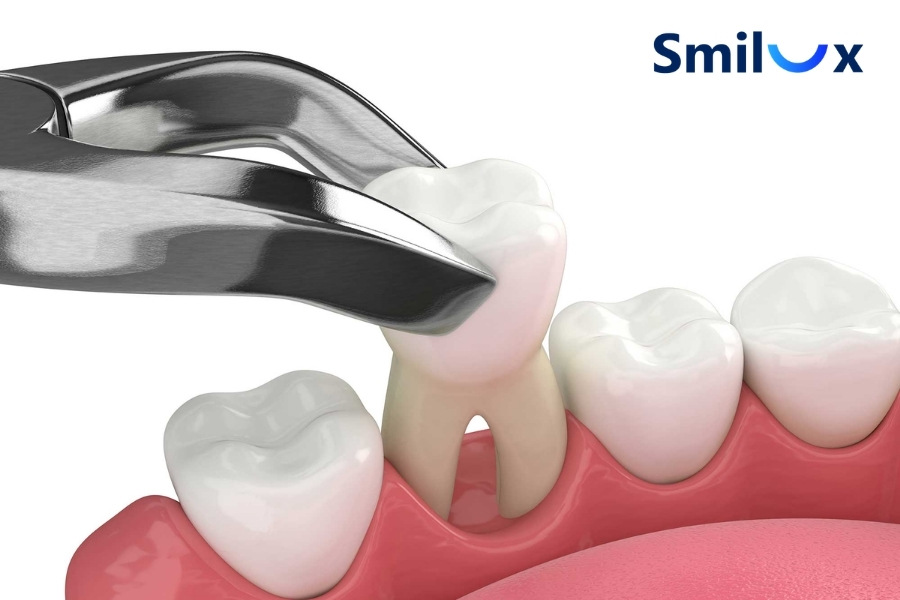
Nhổ răng là thủ thuật nha khoa nhằm lấy răng ra khỏi xương ổ răng khi chiếc răng đó không còn khả năng bảo tồn

When is tooth extraction indicated?

At Smilux Dental International Dental Clinic, dentists always prioritize preserving natural teeth whenever possible through treatments such as dental fillings or crowns. However, when a tooth is severely damaged, can no longer be restored to function properly, or cannot remain stable in the dental arch, tooth extraction may be considered to prevent further effects on the surrounding teeth and oral tissues.

Below are the cases in which tooth extraction is commonly recommended by the dentist:

Severely decayed tooth

When a tooth is extensively affected by decay, with significant structural destruction and persistent pain, conservative treatment is often no longer effective. In such cases, the dentist may recommend extraction to remove the source of bacterial infection, prevent the spread of damage to adjacent teeth, and reduce the risk of further oral infection.
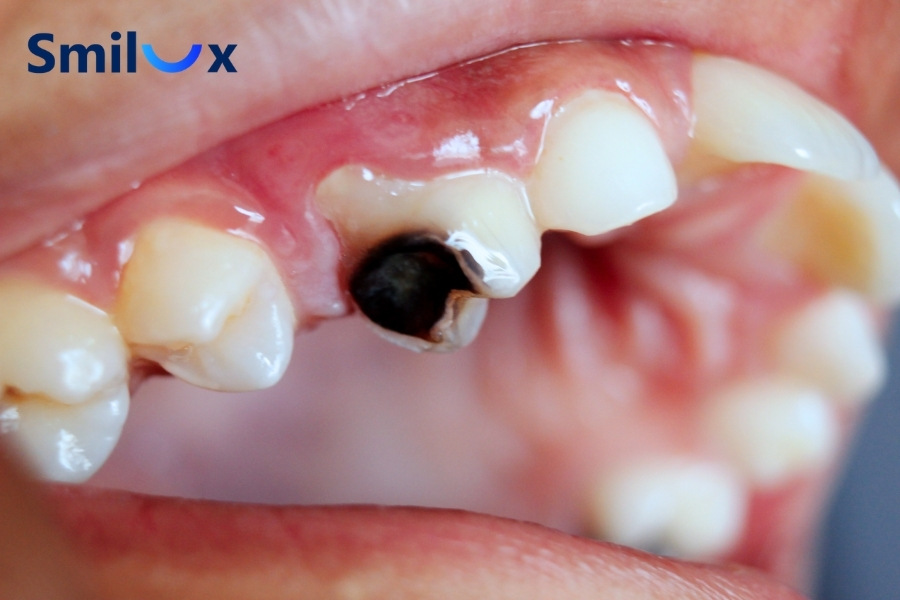
Nhổ răng bị sâu nặng

Pulpitis

If a tooth with pulp inflammation is not treated promptly with root canal therapy, the infection may spread to the root apex and lead to a periapical lesion, commonly referred to as apical periodontitis. This condition can gradually weaken the tooth root, cause persistent pain, and increase the risk of pulp necrosis over time.

When the pulp damage is too severe for conservative treatment to be successful, tooth extraction becomes necessary to eliminate the source of infection and prevent it from spreading to the surrounding teeth.

Severe periodontitis

In advanced stages, periodontal disease can lead to bone loss around the tooth, significant gum recession, and reduced support for the tooth structure. As a result, the tooth root gradually loses its stability, the tooth becomes loose, and the risk of natural tooth loss increases.

In such cases, when the tooth can no longer be preserved, the dentist may recommend extraction to eliminate the source of infection and protect the remaining teeth in the dental arch.
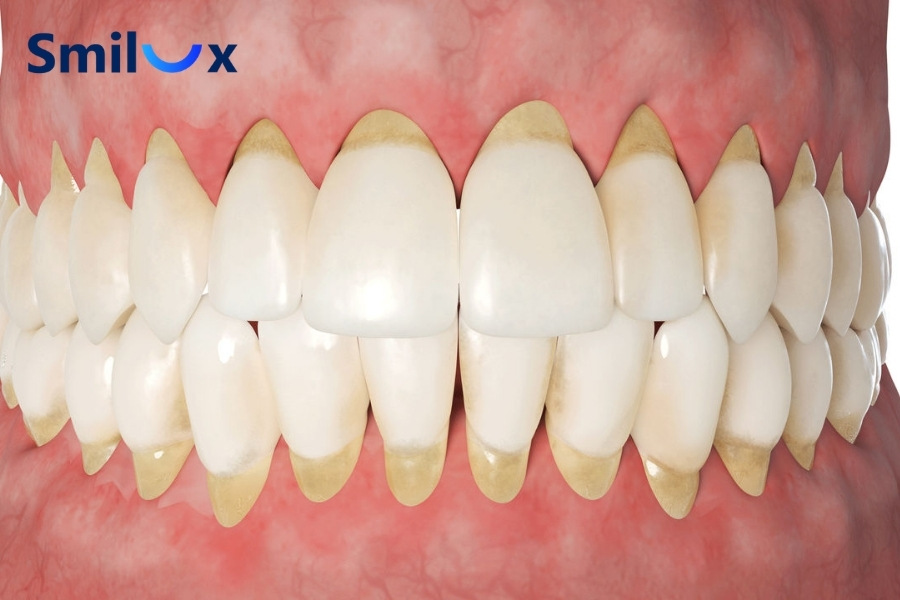
Viêm nha chu nặng có thể phải nhổ răng khi răng lung lay nhiều, tiêu xương nghiêm trọng

Impacted or misaligned wisdom teeth

Impacted or misaligned wisdom teeth usually do not contribute to chewing function, yet they can easily cause pain, gum inflammation, and food impaction, which increases the risk of tooth decay and infection in the surrounding area. If they are not removed early, the condition may worsen over time, directly affecting adjacent teeth and overall oral health.

Retained root fragments

Retained root fragments may occur when the crown has been severely destroyed by tooth decay, fractured due to trauma, or when a portion of the tooth structure remains after an extraction.

In some patients, the dentist may consider leaving the root fragment in place if it supports a future restorative plan or if removal carries a significant risk of affecting nearby anatomical structures.

However, in most cases, retained roots can become a source of infection, leading to pain, swelling, and long term oral health complications. For this reason, patients are generally advised to seek prompt dental evaluation so the retained root can be assessed and removed when clinically indicated.

Tooth extraction for orthodontic treatment

In some orthodontic cases, the dentist may recommend extracting certain teeth to create enough space for proper tooth movement. This is commonly indicated when patients have protruding teeth, underbite, crowding, or insufficient arch space, all of which can make the teeth misaligned and more difficult to reposition correctly.

Tooth extraction in orthodontics helps facilitate smoother tooth movement, while also improving the bite relationship and overall dental aesthetics.
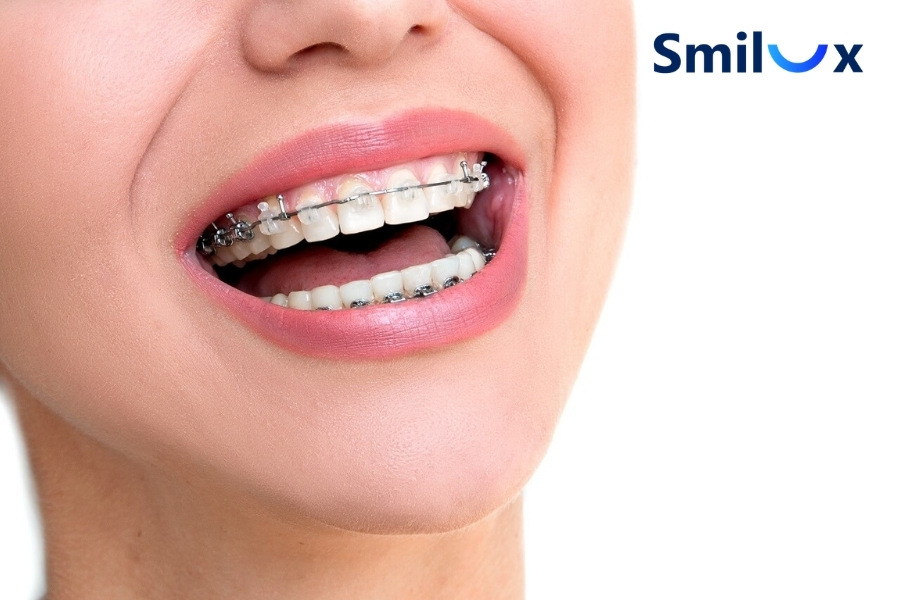
Nhổ răng để chỉnh nha

Use of bisphosphonates

Bisphosphonates are a class of medications commonly prescribed to treat osteoporosis and certain bone-related conditions. Before starting this therapy, especially the intravenous form, the dentist may recommend extracting teeth with a high risk of infection in order to reduce the likelihood of future complications.

If a tooth extraction is performed after bisphosphonate therapy has already begun, it may interfere with normal bone healing and regeneration, increasing the risk of osteonecrosis of the jaw and delayed wound healing.

Radiation therapy

In patients undergoing radiation therapy to the oral cavity or head and neck region, teeth located within the radiation field are often evaluated and managed in advance, including extraction when there is a significant risk of infection.

This is because radiation can reduce saliva production, affect the gum tissues, and impair the healing process. As the oral environment becomes more compromised, both the teeth and surrounding supporting structures become more vulnerable to damage. If tooth extraction is performed after radiation therapy, the risks of infection, jawbone complications, and delayed healing may increase significantly.
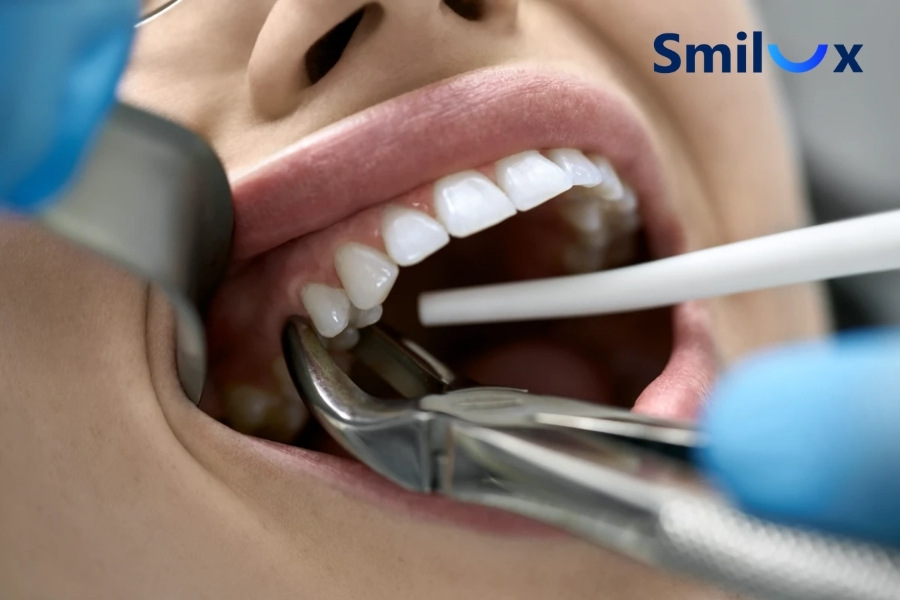
Nhổ răng có thể được chỉ định trước xạ trị để loại bỏ các răng có nguy cơ viêm nhiễm

Cases in which tooth extraction is contraindicated

Tooth extraction may be indicated for many different reasons, most commonly to remove a tooth that has been severely damaged and can no longer be restored. In some situations, extraction is also a necessary step to support other treatment plans, such as orthodontic treatment or dental prosthetic rehabilitation.

However, not every patient is suitable for tooth extraction at the time of examination. The following situations are generally considered contraindications, or may require the procedure to be postponed in order to ensure patient safety:

  • Patients with acute infection in the oral cavity or surrounding area
  • Patients with bleeding disorders, diabetes, or cardiovascular disease
  • Patients with a history of epilepsy, psychiatric disorders, or difficulty controlling their behavior
  • Women who are menstruating or pregnant
    Patients with leukemia or osteonecrosis of the jaw

Phụ nữ mang thai thường không được khuyến khích nhổ răng

Tooth replacement options after extraction

After a tooth is extracted, an empty space will remain in the dental arch. If this space is not restored with an appropriate replacement option, it may affect facial aesthetics, chewing function, and increase the risk of shifting in the adjacent teeth.

Below are three common treatment options used to replace a missing tooth after extraction:

Treatment option

Advantages

Limitations

Dental bridge

This is a fixed restoration that uses the adjacent teeth to support the replacement crown. A dental bridge can improve aesthetics and restore chewing function relatively well.

– With a conventional bridge, the dentist usually needs to prepare one or both adjacent teeth to serve as supporting abutments.
– Although conservative bridge designs may reduce the level of tooth preparation, this option is still not suitable for every case, especially when replacing a large missing space in the posterior region.
– In addition, the alveolar bone at the extraction site may continue to resorb over time, which can eventually create a gap beneath the bridge.

Dental implant

An implant is placed directly into the jawbone, providing excellent stability and a replacement that closely resembles a natural tooth in both appearance and function. It also helps preserve the alveolar bone, reduces bone loss after tooth loss, and often offers long term durability when properly maintained.


Treatment costs are usually higher than other options, and the procedure is more complex. In some cases, bone grafting or additional preparatory treatment may be required before implant placement.

Removable denture

This is a simpler option, can be completed more quickly, and is generally more cost effective than a bridge or implant. A removable denture is also less invasive because it usually does not require significant preparation of the natural teeth, and it may be more suitable when multiple teeth need to be replaced at the same time.

– A removable denture is not completely fixed in the mouth, so chewing comfort and stability are usually inferior to those of a bridge or implant.
– If not cleaned properly, it may increase the risk of gingivitis, periodontitis, or soft tissue irritation.
– In the long term, this option does not prevent jawbone resorption and, in some cases, may even accelerate the process.

Why choose tooth extraction at Smilux Dental International Dental Clinic?

Smilux Dental is a trusted dental clinic that many patients choose for dental examinations, treatment, and procedures such as tooth extraction, orthodontics, and restorative care.

What sets Smilux apart is not advertising claims, but a clearly structured treatment process, strict control at every stage, and a strong commitment to patient safety.

At Smilux Dental, every patient is examined directly by a qualified dentist, who evaluates the actual oral condition and recommends the most appropriate treatment approach. The dentist focuses on a comprehensive assessment of oral health in order to develop an individualized treatment plan for each case.

All tooth extraction procedures are carried out under a carefully controlled protocol, from diagnosis and treatment planning to post treatment follow up. Modern diagnostic and treatment equipment allows the dentist to assess each case more accurately, make appropriate clinical decisions, and minimize the risk of complications.

In addition to professional expertise, patient experience is also a key priority. Throughout the treatment process, patients are closely monitored and given clear instructions at every stage. This helps them better understand their condition, take a more active role in their oral care, and feel more confident throughout the procedure.

Every treatment recommendation at Smilux Dental is made based on the patient’s actual needs and long term benefits, with the goal of minimizing potential risks in the future. That is also why many patients return after their treatment experience and confidently recommend Smilux Dental to their family and friends.
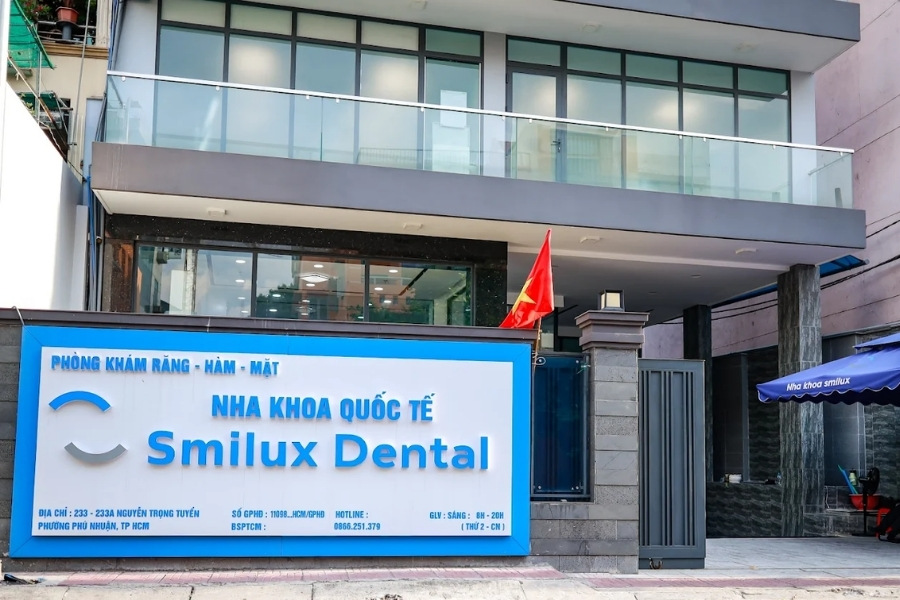
Smilux Dental - Nha khoa nhổ răng uy tín

If you are looking for a dental clinic with a clear treatment process, experienced dentists, and a safe, well planned approach to care, Smilux Dental is a choice worth considering. Please fill out the form below to receive detailed consultation.

BOOK APPOINTMENT

    Standard medical protocol for tooth extraction

    At Smilux Dental, every tooth extraction procedure is performed in accordance with standard medical protocols under the close supervision of a team of highly experienced dentists.

    • Step 1: Examination and X-ray evaluation

    The dentist examines the patient’s oral condition and reviews relevant medical history, such as cardiovascular disease, diabetes, bleeding disorders, and other health concerns. X-rays are used to assess the tooth structure and jawbone condition, helping determine the level of complexity and create an appropriate extraction plan.

    • Step 2: Disinfection of the treatment area

    The tooth and surrounding area are thoroughly cleaned and disinfected to ensure a sterile environment before the procedure begins.

    • Step 3: Local anesthesia

    The dentist administers local anesthesia to minimize discomfort throughout the extraction, especially in more complex cases such as molars or wisdom teeth.

    • Step 4: Tooth extraction

    The dentist proceeds with the extraction according to the established treatment plan. The duration and technique may vary depending on the condition of the tooth, particularly in cases involving impacted or misaligned teeth.

    • Step 5: Wound management and closure

    After the tooth is removed, the treatment site is cleaned carefully and sutured when necessary. The patient is then instructed to bite on gauze to control bleeding and is monitored after the procedure is completed.
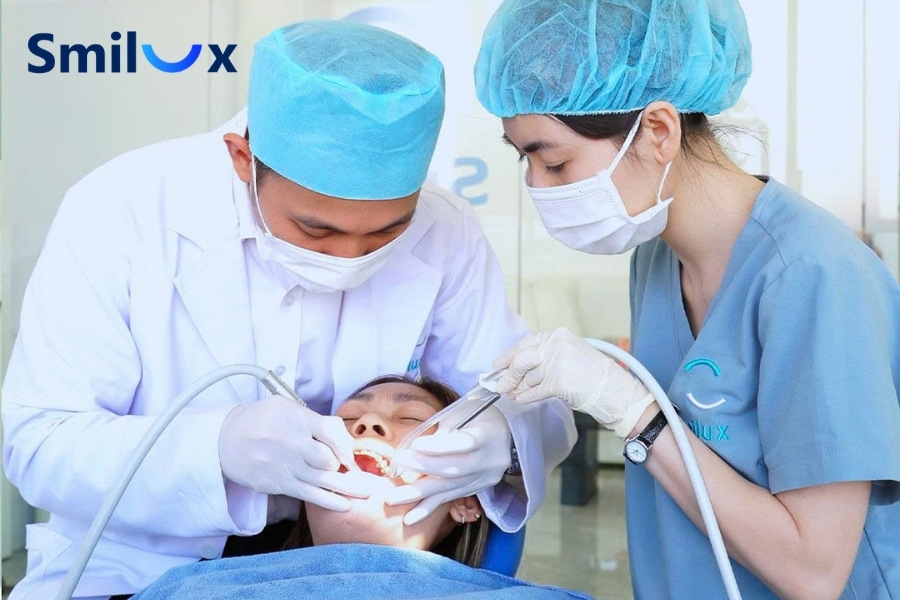
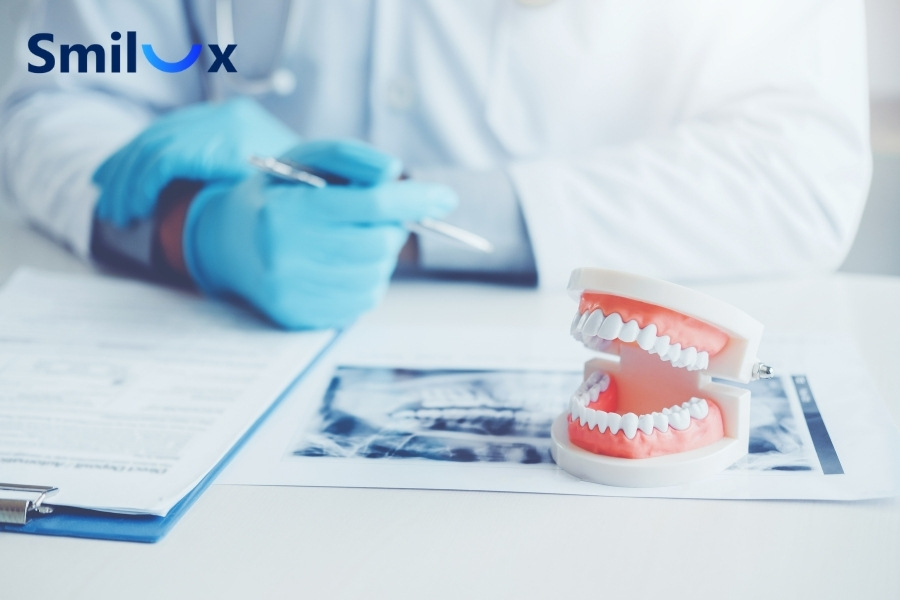
    Quy trình nhổ răng chuẩn Y Khoa

    Tooth extraction costs at Smilux Dental

    The cost of tooth extraction at Smilux Dental depends on the type of tooth involved and the level of surgical complexity, such as primary teeth, regular permanent teeth, or wisdom teeth that are impacted or misaligned. Below is a reference price list:

    ServiceListed Price
    Primary tooth extractionFree of charge
    Regular tooth extraction800,000 VNĐ
    Minor surgery for wisdom tooth extraction at a 45° angle3,000,000 VNĐ
    Minor surgery for wisdom tooth extraction at a 90° angle4,000,000 VNĐ
    Upper wisdom tooth extraction1,500,000 VNĐ
    Lower wisdom tooth extraction2,500,000 VNĐ

    Important precautions before and after tooth extraction

    To reduce the risk of complications after tooth extraction, such as infection, prolonged bleeding, significant swelling and pain, or delayed healing, patients need to follow proper care instructions both before and after the procedure.

    Careful preparation and strict adherence to the dentist’s instructions not only help the extraction process go more smoothly, but also support a faster, safer recovery.

    Preparation before tooth extraction

    • Before undergoing a tooth extraction, patients should try to remain calm and mentally prepared. Excessive stress or anxiety may affect the procedure, especially in individuals who are more sensitive or prone to nervousness.
    • Patients should also inform the dentist of their full medical history and current health condition, including diabetes, high blood pressure, cardiovascular disease, pregnancy, or menstruation. These factors may directly influence the indication for extraction, bleeding control, and the healing process after the procedure.
    • The most suitable time for tooth extraction is usually in the morning or early afternoon, after the patient has had a proper meal. Tooth extraction should not be performed on an empty stomach, as this may cause fatigue, low blood pressure, or dizziness during the procedure.
    • In cases involving complex extractions or patients with underlying systemic conditions, the dentist may request additional tests before treatment in order to better control any potential risks.

    Bệnh nhân cần thăm khám với bác sĩ trước khi nhổ răng để được đánh giá đúng chỉ định

    Post extraction care

    • Immediately after the procedure, the patient should bite firmly on the gauze for the amount of time instructed by the dentist to help control bleeding. During this period, the mouth should remain gently closed, and saliva should be swallowed normally. Excessive spitting should be avoided, as it may interfere with the formation of the blood clot in the extraction socket.
    • After tooth extraction, the patient should not rinse vigorously, spit forcefully, or touch the extraction site with the tongue or fingers. These actions may dislodge the blood clot, cause bleeding to restart, and increase the risk of dry socket. In particular, saltwater rinsing should be avoided on the first day after extraction.
    • Patients should also avoid hot foods, strenuous physical activity, and the use of alcohol, coffee, or other stimulants during the first few days after the procedure.
    • Some patients may develop a mild fever after tooth extraction, which can be a normal physiological response. However, if the fever becomes high, the pain increases significantly, bleeding persists, or there are clear signs of infection, the patient should return to the dental clinic promptly for further evaluation.

    Sau nhổ răng, bệnh nhân cần kiêng bia rượu trong thời gian đầu

    CONCLUSION

    Having a tooth extracted is certainly not something anyone wishes for. However, in certain cases, it is a necessary solution to eliminate the source of infection, prevent further damage from spreading, and protect long term oral health.

    At Smilux Dental, every extraction recommendation is made only after a thorough examination, careful clinical assessment, and clear consultation by the dentist before the procedure is carried out. This approach helps ensure patient safety and minimizes the risk of complications. Contact our HOTLINE at (+84) 866 251 379 for prompt consultation and support from our dental team.

    Sources:

    1. https://www.ncbi.nlm.nih.gov/books/NBK589654/
    2. https://my.clevelandclinic.org/health/treatments/22120-tooth-extraction
    3. https://en.wikipedia.org/wiki/Dental_extraction

    FAQs

    Can tooth extraction affect the nerves?

    Tooth extraction, including wisdom tooth removal, does not affect the central nervous system, does not cause memory loss, and does not lead to mental disorders, despite these being common concerns among many patients.

    Can patients with heart disease undergo tooth extraction?

    For patients with cardiovascular disease, it is advisable to consult their cardiologist before undergoing any dental procedure. This is especially important if the patient is taking anticoagulants or other cardiac medications, as these drugs may increase the risk of bleeding during and after dental treatment.

    How long does bleeding last after a tooth extraction?

    After a tooth extraction, bleeding usually lasts for about the first 24 hours. This is considered a normal response, especially when it is only slight oozing from the extraction site, so patients generally do not need to be overly concerned. However, if the extraction site is bleeding heavily, the bleeding does not show signs of decreasing after 24 hours, or the condition becomes clearly uncomfortable, the patient should visit Smilux Dental promptly for examination and timely management.

    Is it advisable to have multiple teeth extracted at the same time?

    Although it is possible to extract multiple teeth in a single appointment, this approach is not suitable for every patient. For those who are physically weak, have poor immunity, or are affected by systemic medical conditions, the dentist may recommend staging the extractions over separate visits to ensure greater safety and support a smoother recovery process.

    Which tooth is considered the most difficult or risky to extract?

    In dentistry, the lower wisdom tooth is generally considered the most complex and potentially risky tooth to remove compared with other teeth. This is because it often erupts in an abnormal position, remains impacted, is partially covered by gum tissue, or lies very close to the adjacent tooth, all of which can make the procedure more challenging. The greater the degree of impaction, the more unusual the root anatomy, or the deeper the tooth is positioned, the more the extraction requires a dentist with strong clinical expertise and a carefully planned surgical approach.
    This site is registered on wpml.org as a development site. Switch to a production site key to remove this banner.