WHEN DO YOU NEED TO EXTRACTE TOOTH?

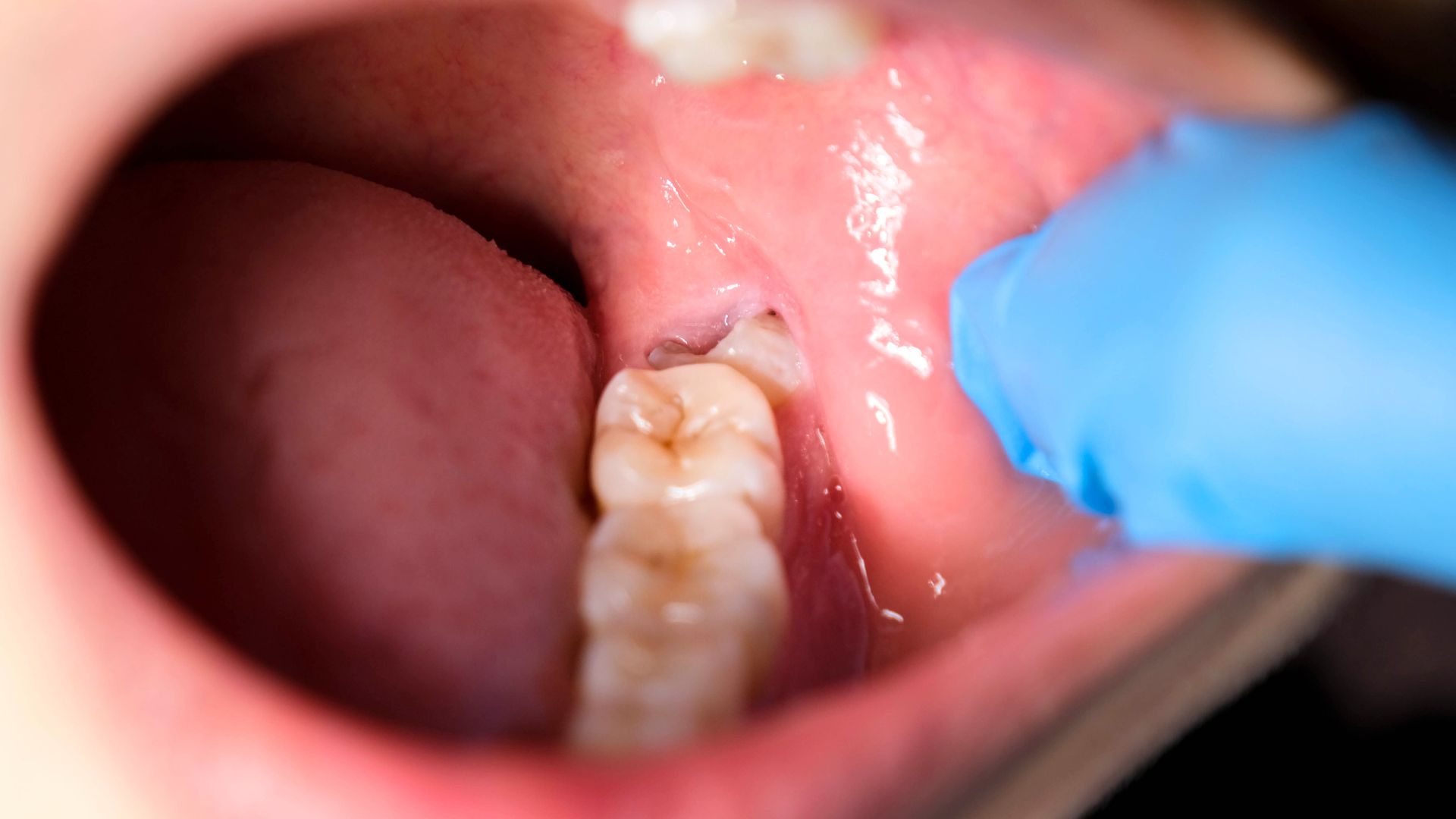
1. when is wisdom tooth (third molar) extraction necessary?

  • Impacted, malpositioned, or erupting at an angle (impinging on the adjacent second molar).

  • Causing chronic or intermittent pain leading to pericoronitis (gum inflammation around the crown).

  • Creating a food trap leading to decay (caries) on the adjacent second molar.

  • Causing gingival swelling, trismus (difficulty opening the mouth), and recurrent infection.

  • Remaining within the bone with a prognosis for future complications (prophylactic removal).

  • Interfering with orthodontic treatment, causing crowding in the lower dental arch.

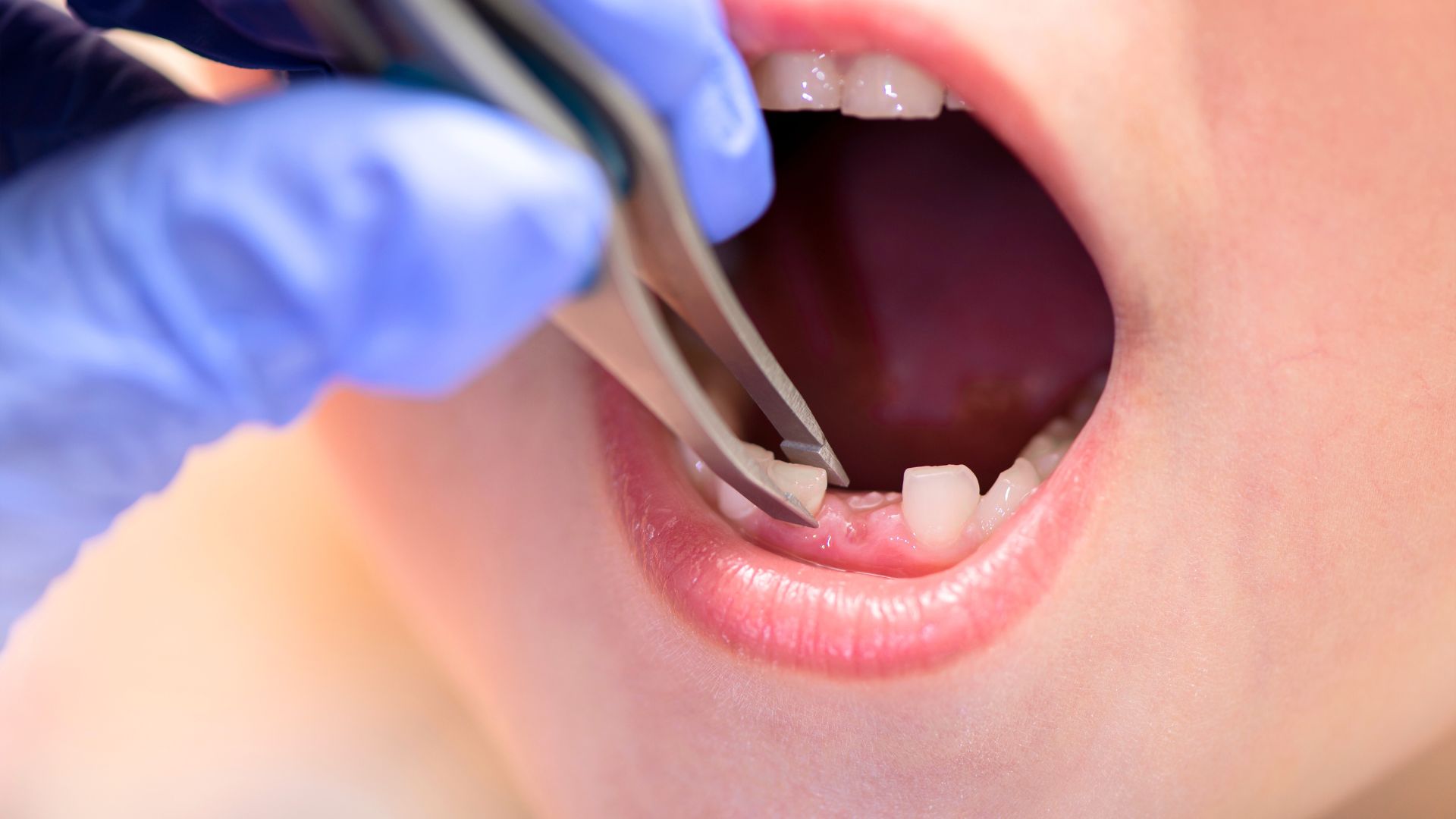
2. when is primary/deciduous tooth extraction necessary?

  • When the primary tooth is due for exfoliation but is not loosening (ankylosis or lack of root resorption).

  • Primary tooth is loose for an extended period but does not fall out naturally.

  • When the permanent tooth is ectopically erupting (growing in front or behind the primary tooth), with the primary tooth still blocking its path.

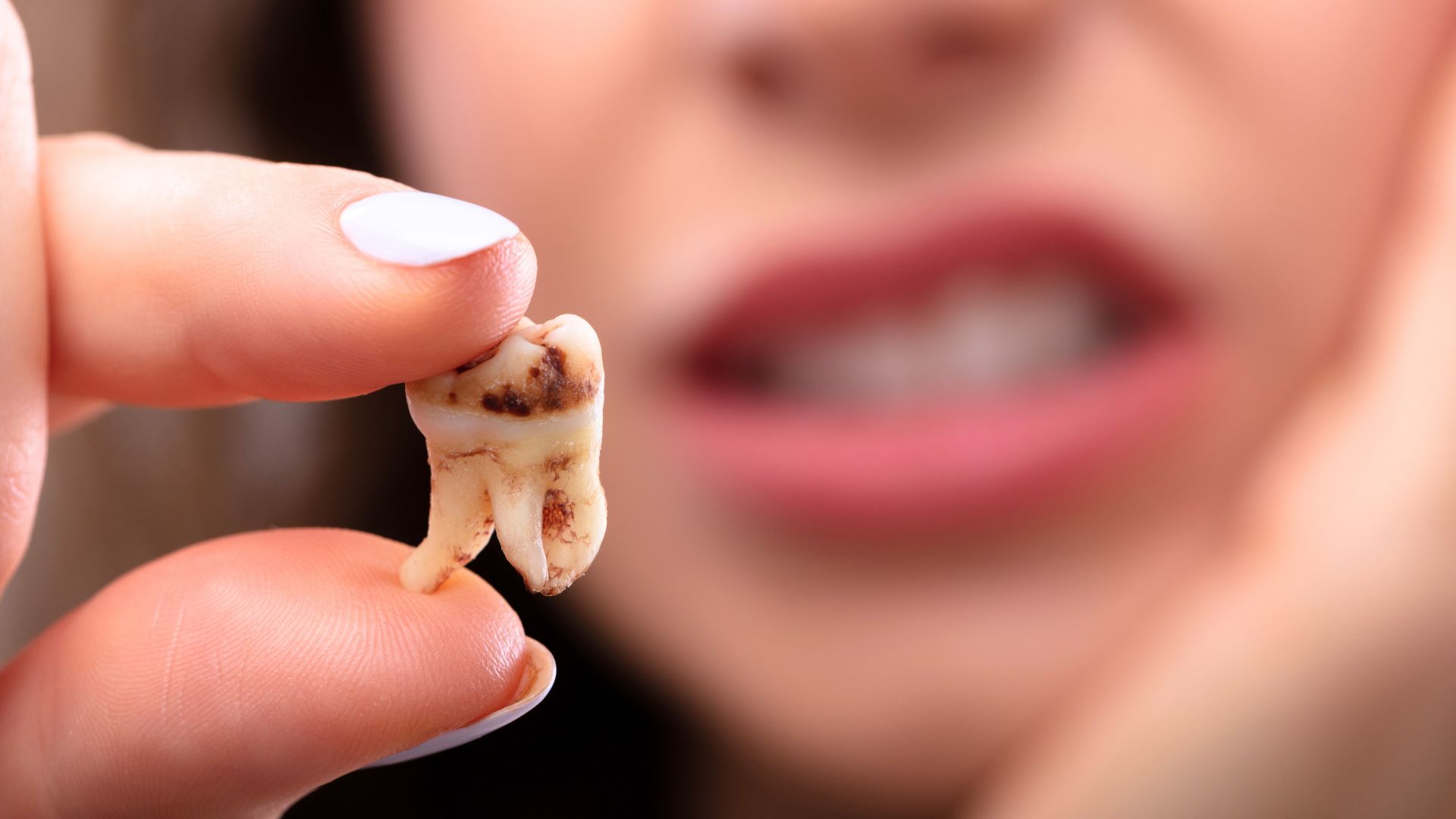
  • Extensive decay (caries) in the primary tooth that threatens the underlying permanent tooth bud.

  • Presence of a primary tooth abscess or persistent infection.

  • Primary tooth over-retention leading to malocclusion or dental crowding.

SMILUX TOOTH EXTRACTION SERVICE

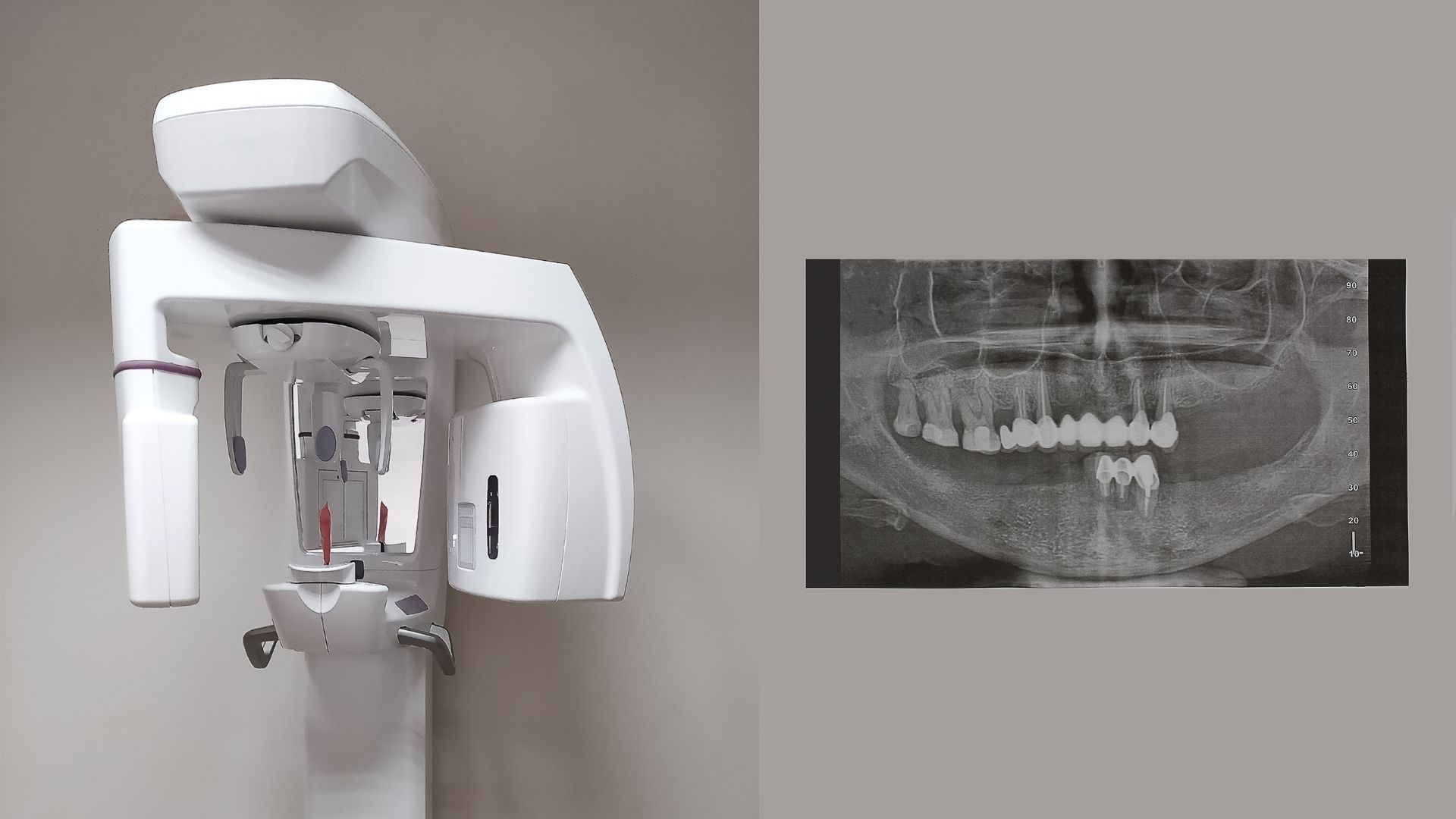
CT Cone Beam 3D_ Độ chính xác cao Hỗ trợ lập kế hoạch điều trị nha khoa, chỉnh nha, implant và phẫu thuật hàm mặt một cách chuẩn xác

Smilux utilizes CT Cone Beam 3D technology to facilitate the following:

- Clearly observing the shape, curvature, and position of impacted teeth.
- Precisely determining the relationship with the inferior alveolar nerve (mandibular nerve).
- Creating a detailed extraction plan, minimizing the risk of lip numbness and nerve trauma/injury.

TOOTH EXTRACTION PRICE LIST

SERVICELISTED PRICE
Primary tooth extractionFree of charge
Simple tooth extraction800,000
Minor surgical extraction of 45° impacted wisdom tooth3,000,000
Minor surgical extraction of 90° impacted wisdom tooth4,000,000
Upper wisdom tooth extraction1,500,000
Lower wisdom tooth extraction2,500,000

Note: The above costs are for reference only. Please contact Smilux for a free consultation and receive the most optimal, transparent treatment plan.

BOOK APPOINTMENT

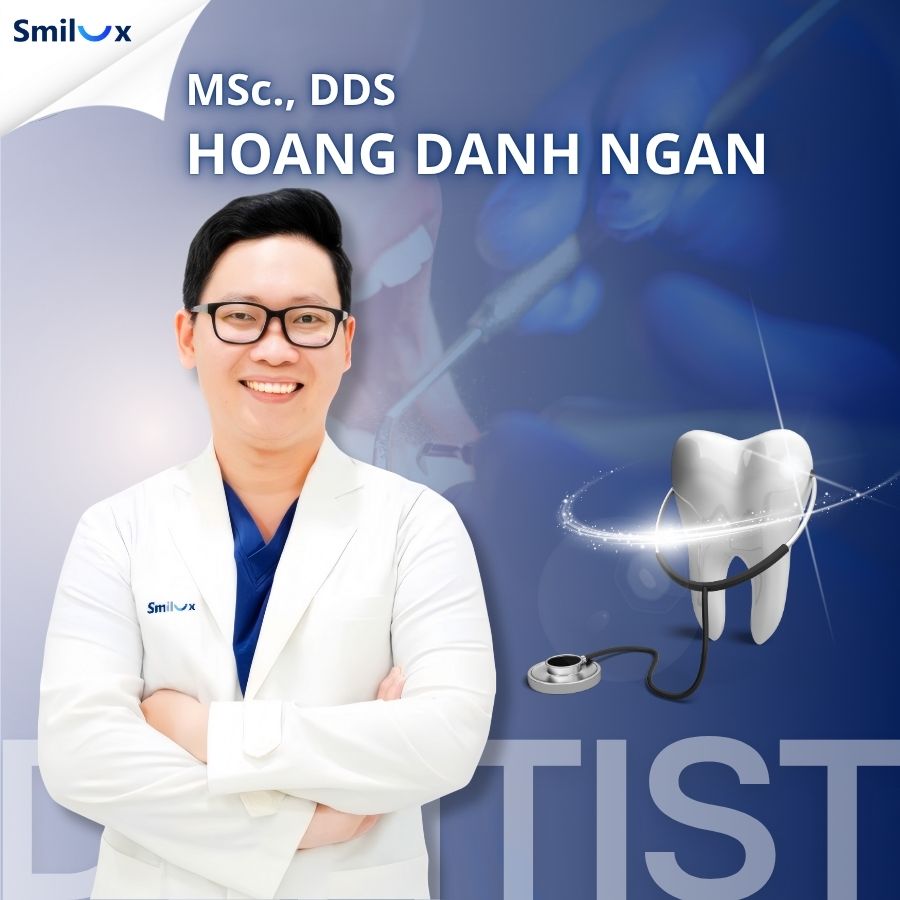
    DENTIST WITH 15+ YEARS OF EXPERIENCE

    MSc., DDS HOANG DANH NGAN

    With many years of experience in the field of general and aesthetic dentistry, Dr. HOANG DANH NGAN is known as a highly specialized and dedicated expert in dental treatment and restoration. He has helped thousands of patients improve their oral health and achieve a more confident smile every day

    SMILUX CUSTOMERS

    FAQs

    1. Is tooth extraction painful?

    Minimal Discomfort. At Smilux, our multi-level anesthesia protocol ensures your complete comfort. The dentist applies a topical anesthetic to the gum before injecting the local anesthetic, ensuring the extraction site is completely numb (profound anesthesia). After the anesthetic wears off, a mild dull ache is normal and is managed with prescribed pain medication

    • After 2-3 hours, once the anesthetic effect has completely worn off, you may begin eating again.
    • First 24-48 hours: You should consume soft, cool foods such as porridge, soup, or yogurt.
    • 3-5 days after: You can advance your diet to soft rice, noodles (vermicelli), phở, steamed fish, and eggs.
    • After 1 week: You can resume a near-normal diet, but avoid chewing on the extraction side and refrain from eating excessively hard foods.

    Completely Safe when performed at Smilux. Utilizing CT Cone Beam 3D technology, the dentist precisely locates the position of the nerves, ensuring an absolutely safe surgical procedure with zero risk of damage or injury.

    Yes, a replacement is necessary. Excluding wisdom teeth, all other extracted teeth should be replaced promptly to prevent:

    • Jawbone resorption due to the loss of chewing force.

    • Tooth shifting and misaligned bite (malocclusion).

    • Negative impact on aesthetics and chewing function.

    • The optimal solution is Dental Implant placement, which restores both the root and the crown, preventing bone loss and preserving your remaining natural teeth.

    No, it does not. Thanks to the CT Cone Beam 3D imaging, the dentist precisely identifies the location of the nerves and completely avoids any risk of impact. Other non-wisdom teeth are typically located far from major nerve pathways, making the procedure absolutely safe.

    VIEW MORE SMILUX SERVICES

    This site is registered on wpml.org as a development site. Switch to a production site key to remove this banner.