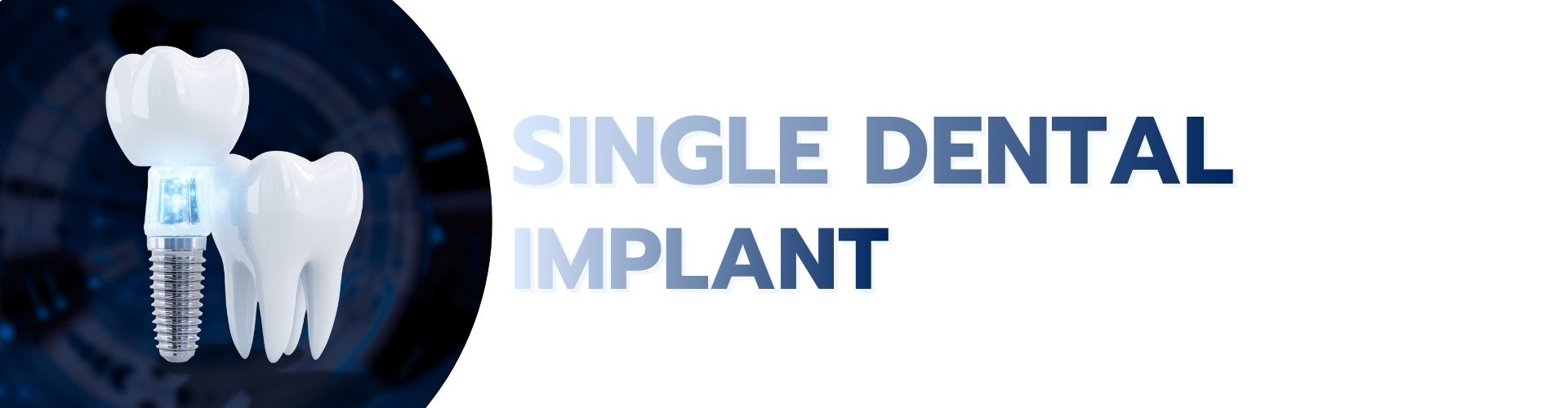
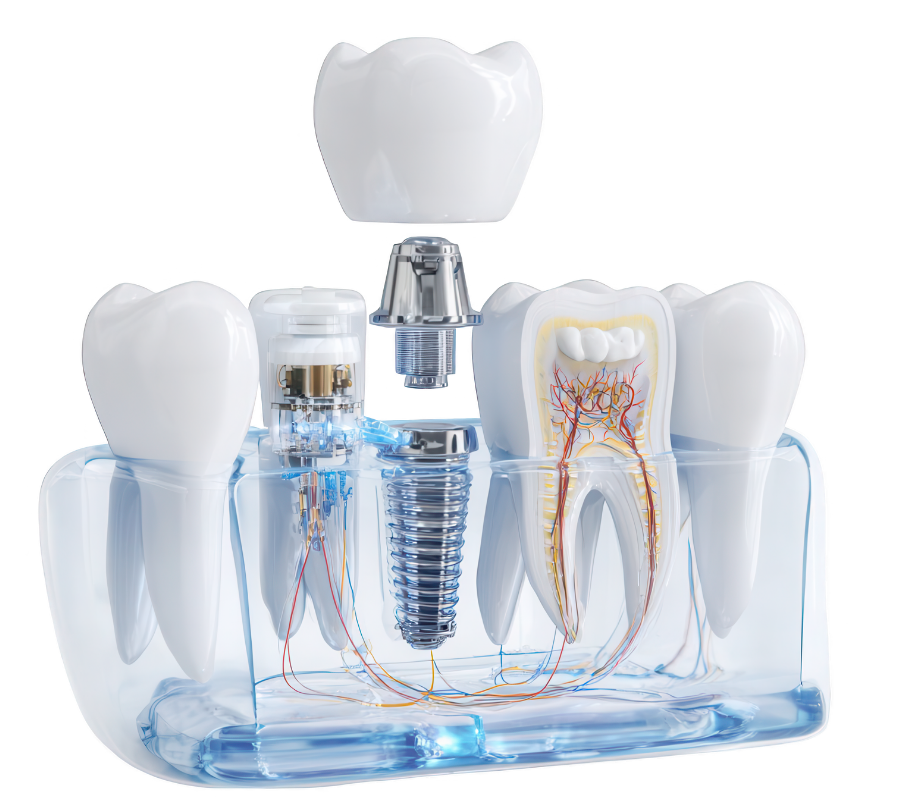
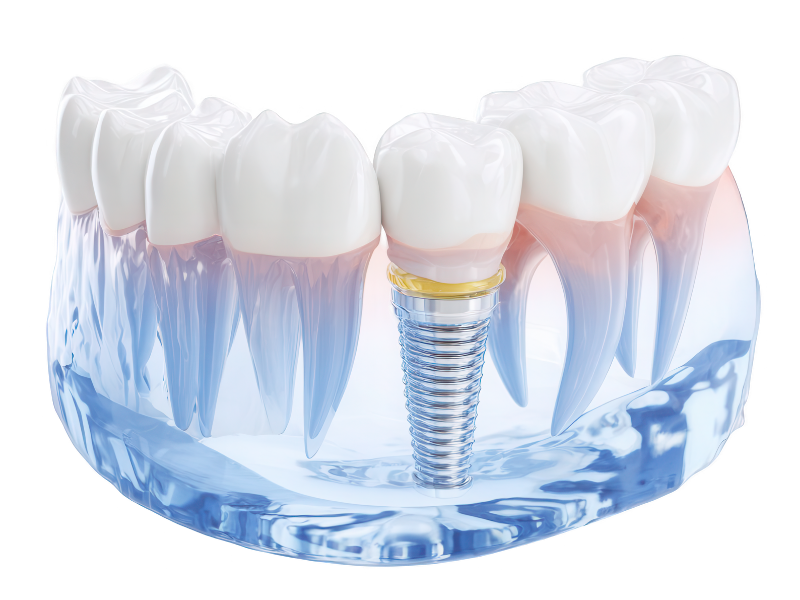
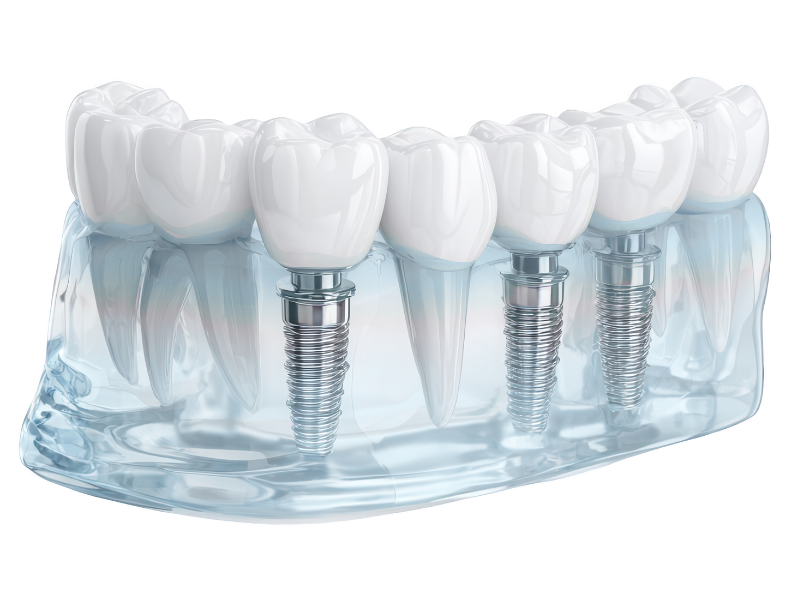
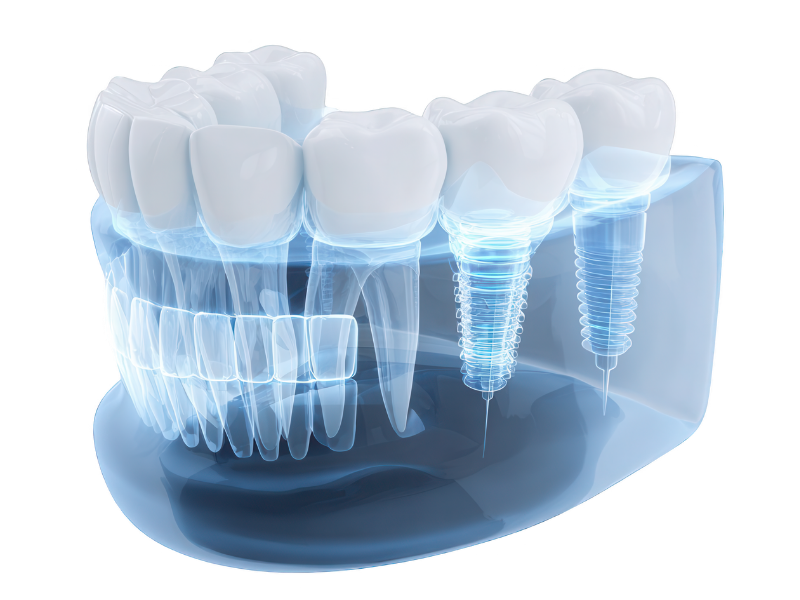
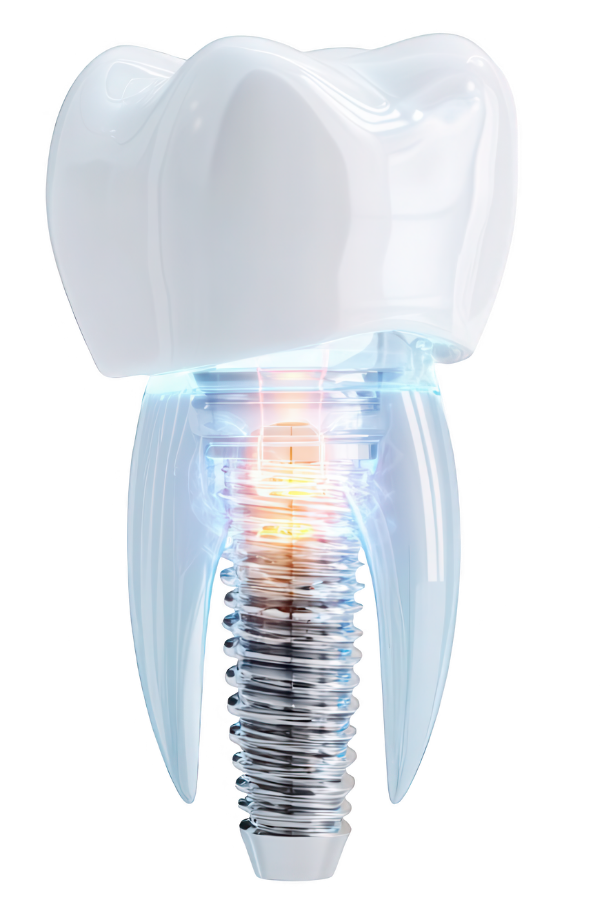
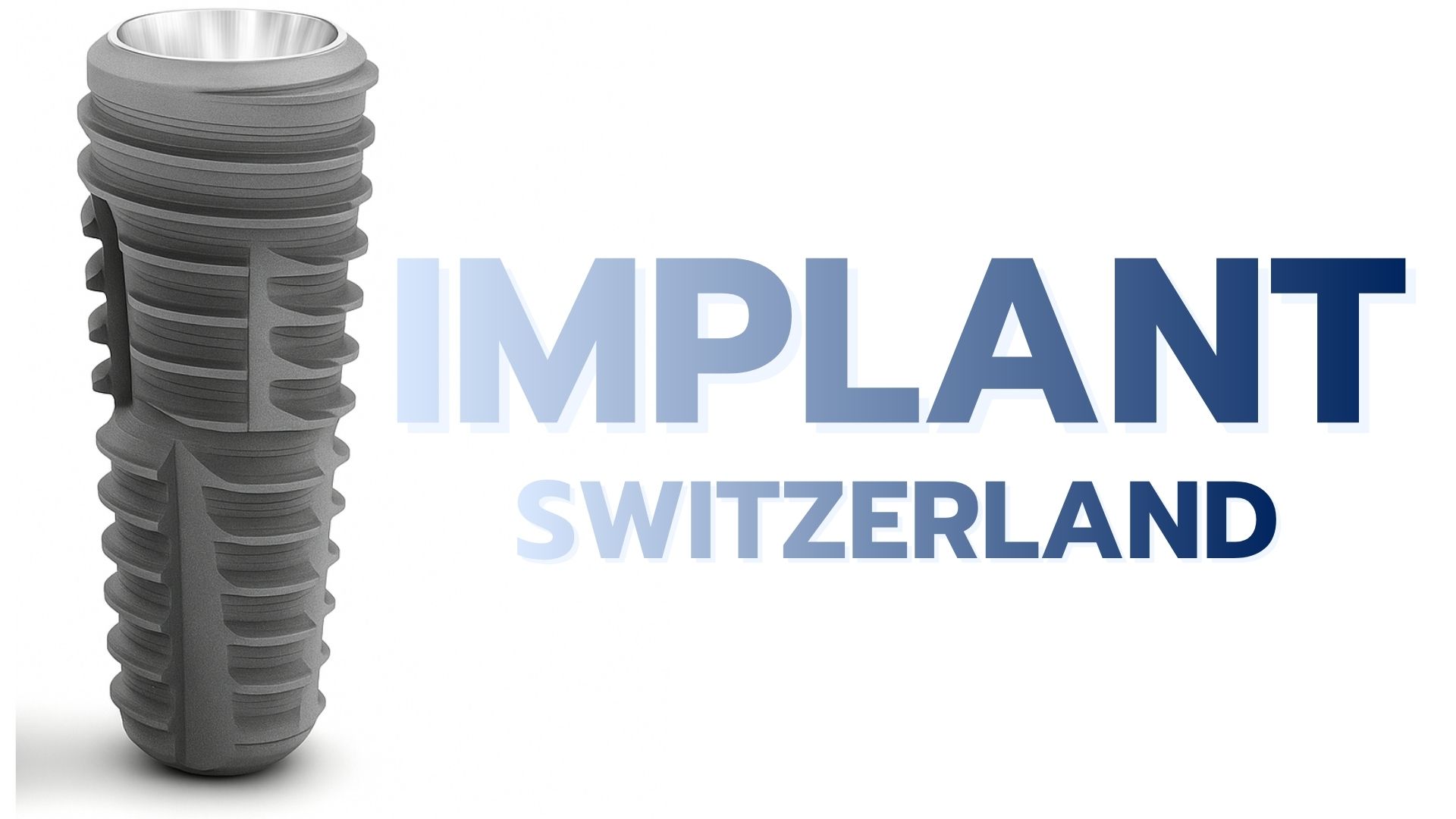

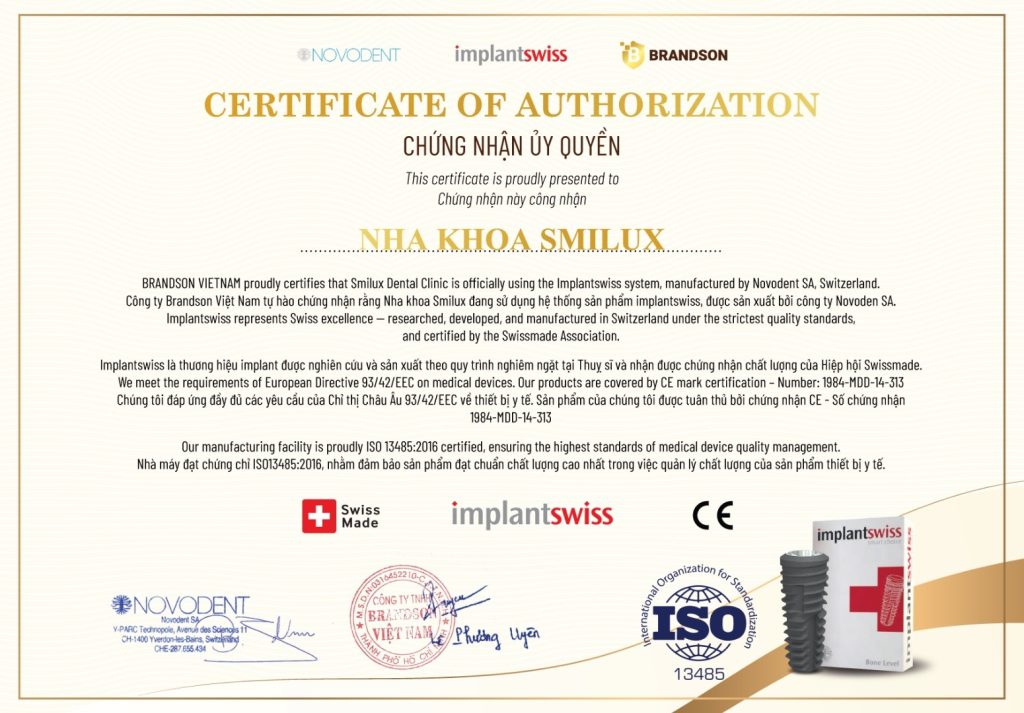
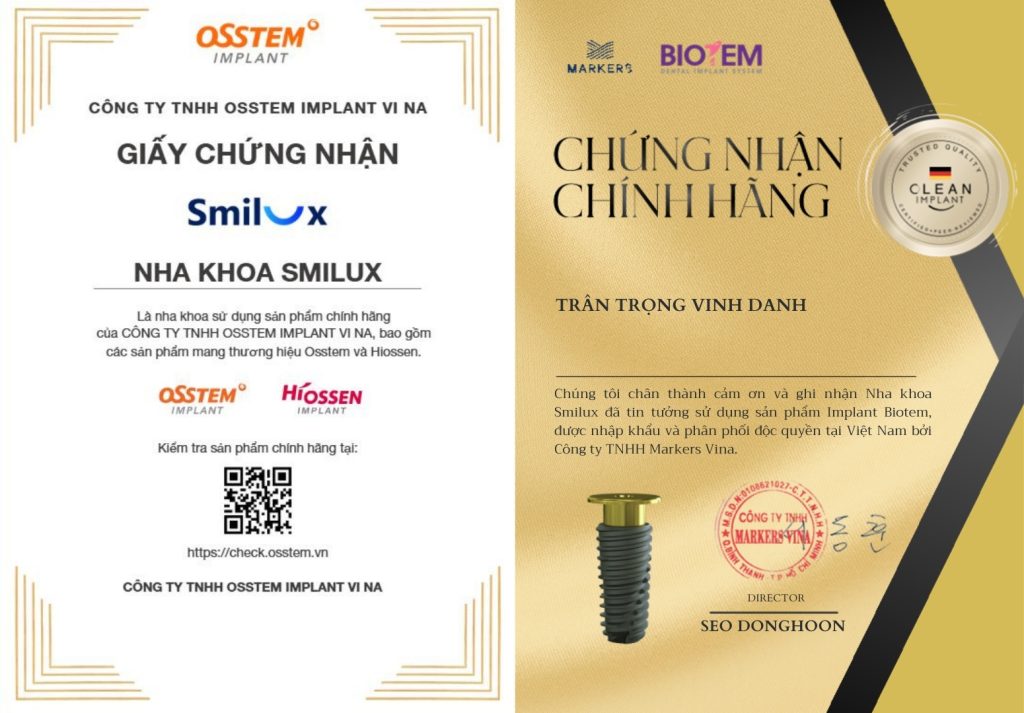
A single tooth dental implant is a safe and effective tooth restoration method for patients who are missing one individual tooth.
This technique uses a titanium implant post with high biocompatibility, which is surgically placed directly into the jawbone to replace the missing tooth root. Once the implant post has firmly integrated with the bone, the dentist will attach a porcelain crown on top, helping restore the tooth’s shape, chewing function, and aesthetics to a level that closely resembles a natural tooth.
|
Comparison Criteria
|
Single Tooth Dental Implant
|
Dental Bridge
|
Removable Denture
|
|---|---|---|---|
|
Procedure |
A titanium implant post is placed into the jawbone, then a porcelain crown is attached to replace both the tooth root and the visible tooth structure. |
Adjacent teeth are reshaped to serve as abutments, and a porcelain bridge is attached to fill the missing tooth gap. |
A removable denture is custom-made to replace the missing tooth and rests on the gums. It can be removed for cleaning. |
|
Lifespan |
Can last up to 20 years or even a lifetime with proper care. |
Average lifespan is around 5 to 15 years and may need replacement after a period of use. |
Around 3 to 8 years, with a higher risk of looseness or damage over time. |
|
Preservation of Natural Teeth |
Does not require reshaping adjacent teeth, helping preserve healthy natural teeth. |
Requires reshaping adjacent teeth to support the dental bridge. |
Does not require reshaping adjacent teeth. |
|
Jawbone Loss Prevention |
Helps maintain the jawbone and natural facial structure. |
Does not prevent bone loss at the missing tooth site. |
The jawbone may continue to resorb over time. |
|
Chewing Ability |
Feels almost like a natural tooth and provides strong chewing force. |
Good chewing ability, but not as strong as an implant, around 70%. |
Reduced chewing force, and food may easily get trapped while eating. |
|
Aesthetics |
Natural appearance, closely resembling a real tooth. |
The gumline around the bridge may become exposed over time. |
Does not look as natural as real teeth. |
|
Cost |
High. |
Lower than dental implants. |
Lowest cost. |
|
Stability |
High stability, with no shifting while eating or speaking. |
Fixed, but depends on the reshaped abutment teeth. |
May become loose and may require adhesive or adjustment. |
If you are experiencing any of the following single tooth loss conditions, you may consider visiting Smilux Dental for an examination and consultation on a single tooth dental implant:
Restores Up to 95% of Chewing Function
The implant post is firmly placed into the jawbone and functions like a natural tooth root, providing stable support for the prosthetic tooth. As a result, patients with tooth loss can chew almost like they would with a natural tooth, from soft foods to harder or chewier foods, without needing too many dietary restrictions.
When eating and drinking, a dental implant provides a very natural feel. It does not feel bulky, painful, or loose, helping patients eat more comfortably and enjoy their meals better.
Helps Reduce Jawbone Loss
The implant post is placed directly into the jawbone to replace the missing tooth root, helping stimulate the jawbone to maintain and regenerate naturally.
By transmitting chewing forces in a way similar to a natural tooth, a dental implant helps reduce bone loss, maintain jaw structure, and lower the risk of sunken cheeks, facial sagging, or premature facial aging after tooth loss.
Preserves Natural Teeth Without Reshaping
A dental implant is placed directly into the jawbone and functions independently, so the adjacent teeth do not need to be reshaped as they would for a dental bridge. This helps preserve the surrounding natural teeth and reduces unnecessary dental intervention.
High Aesthetic Appeal
The porcelain crown is crafted from high-quality all-ceramic materials such as Cercon or Emax, offering natural translucency, surface gloss, and a shade that blends harmoniously with the surrounding teeth. Once attached to the implant, the prosthetic tooth looks almost like a natural tooth.
The abutment is designed to fit closely with the high-quality implant post, allowing the restoration to sit snugly against the gum tissue, minimize visible margins, and help maintain stable gum tissue over time.
Long-Lasting Results
Dental implants are highly durable and can last up to 20 years or longer, even a lifetime, when properly cared for and followed up according to the dentist’s instructions.
Step 1: 3D Cone Beam CT Scan
Step 2: Blood Tests and General Health Checkup
Step 3: Implant Post Placement
Step 4: Temporary Tooth Placement
Step 5: Final Porcelain Crown Placement
Step 6: Chewing Function Check
The entire single tooth dental implant procedure at Smilux Dental is performed directly by a team of dentists with in-depth expertise in implant dentistry and many years of clinical experience.
Each step strictly follows the standards of the Ministry of Health, ensuring safety, precision, and long-term results for patients.
The patient undergoes a 3D Cone Beam CT scan so the dentist can accurately assess the jawbone condition, the missing tooth position, and the related anatomical structures. This provides the basis for planning a safe implant placement.
Based on the scan results, the dentist conducts a detailed analysis and professional consultation to develop an implant plan that suits each patient’s specific oral condition.
The patient receives a general health checkup and the necessary tests to rule out underlying medical conditions, helping ensure that local anesthesia and implant placement can be performed safely.
The dentist places the implant post into the jawbone, usually within about 20 to 30 minutes. The procedure is performed gently and precisely, with minimal invasiveness to help the patient feel comfortable throughout the process.
After about 3 to 7 days, the patient returns for suture removal, an X-ray to check the stability of the implant post, and dental impressions for a temporary tooth if needed.
Once the implant post has integrated well with the jawbone, usually after 15 to 30 days, the dentist attaches the fixed porcelain crown to complete the restoration of the missing tooth.
The patient’s chewing comfort is checked directly with different types of food to ensure that the dental implant functions stably and comfortably.
The dentist also takes an X-ray to recheck the implant post and porcelain crown, assess long-term stability, and provide detailed instructions on proper dental implant care.
| IMPLANT | Listed Price | Promotional Price | Warranty |
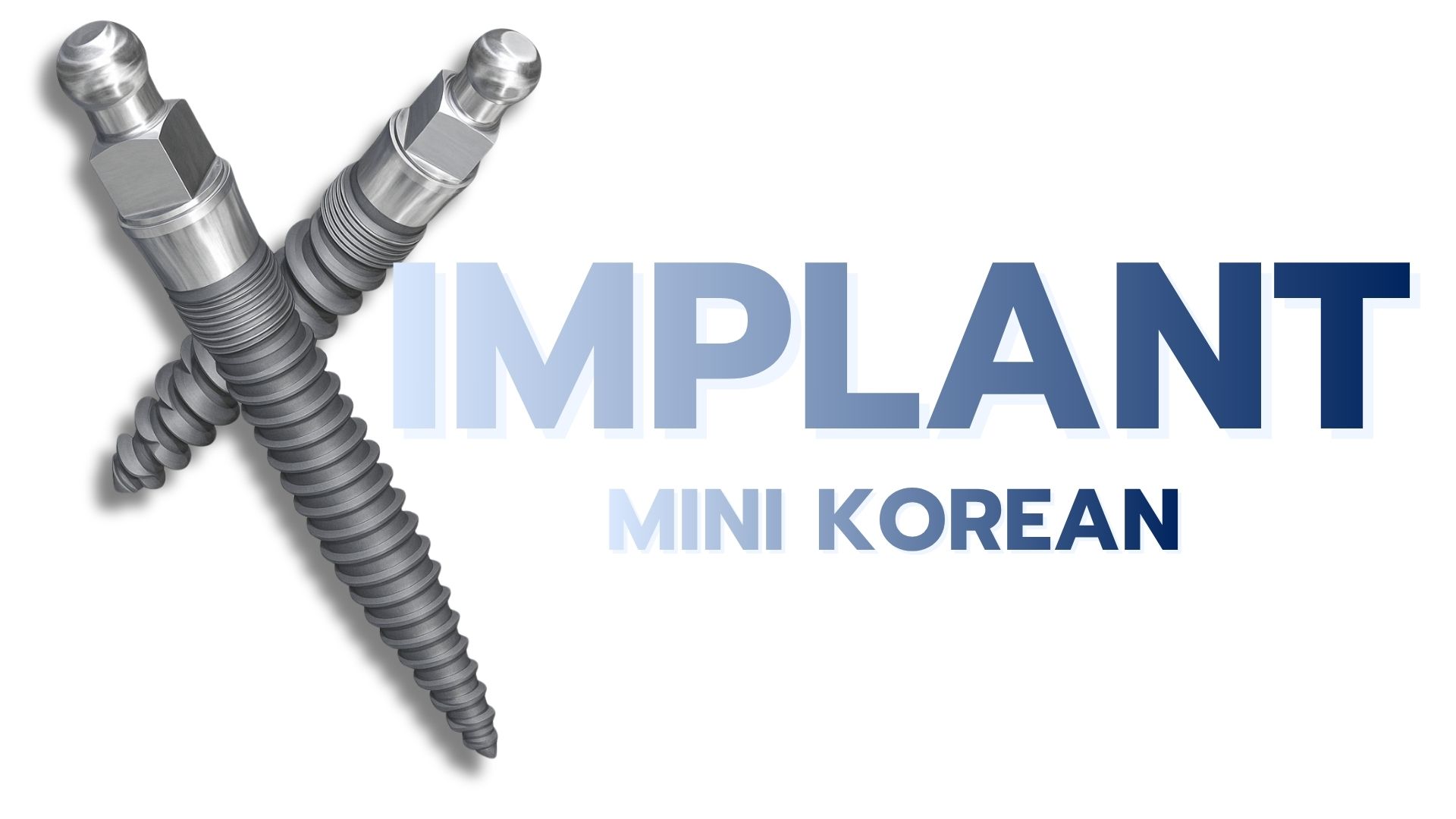
| Korean Mini Implant | 15.000.000 VNĐ | 6.900.000 VNĐ | 3 years |
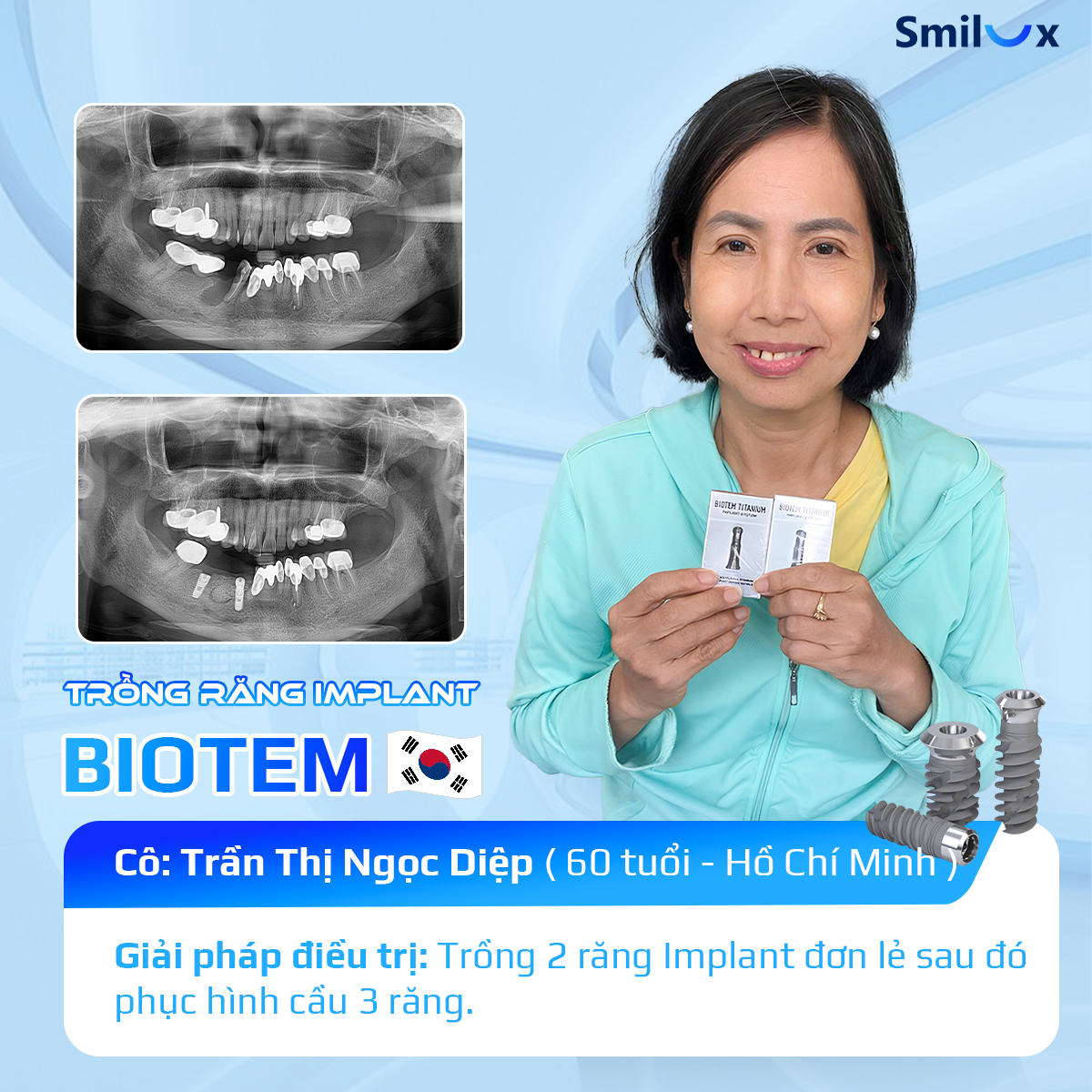
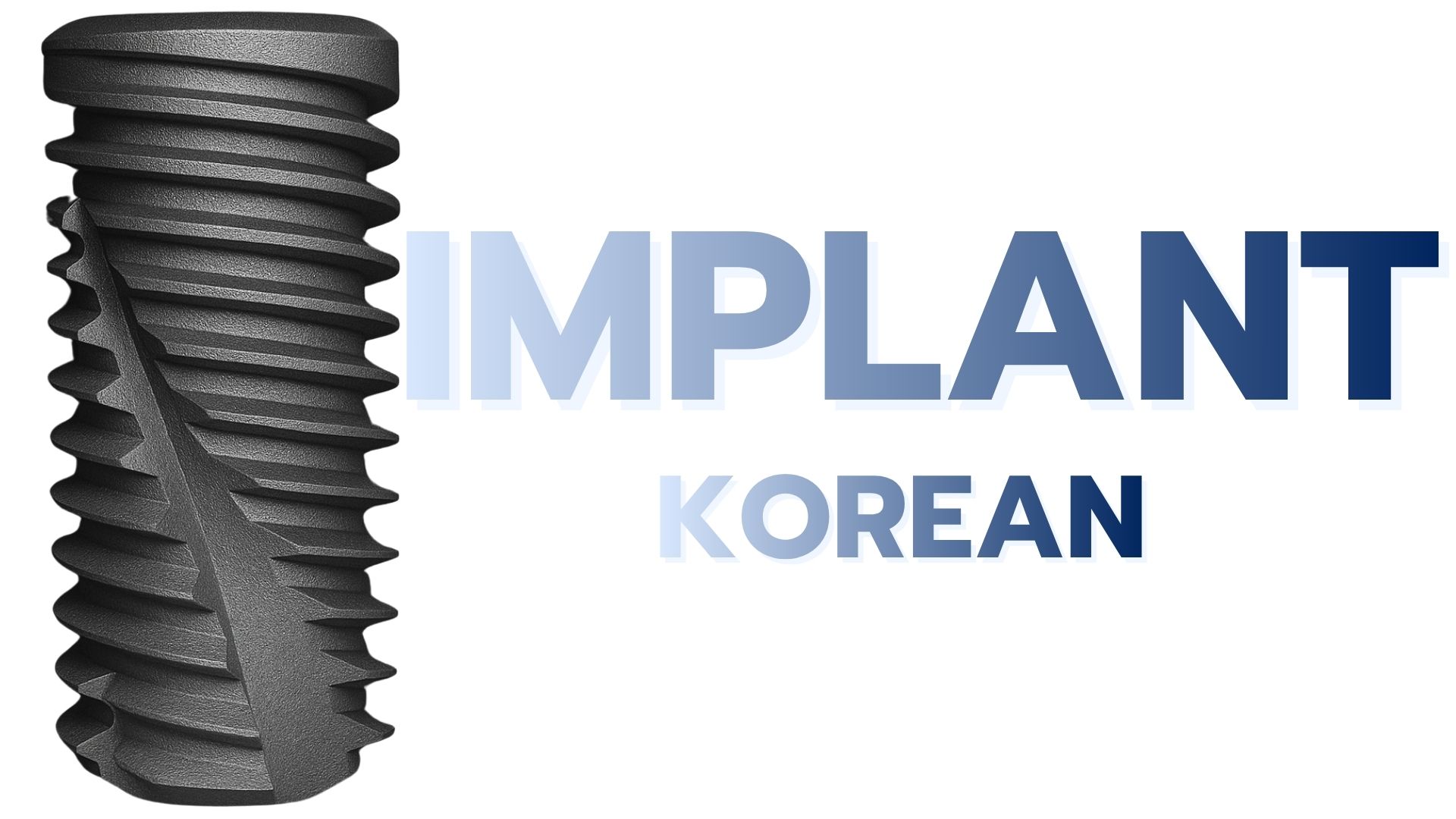
| Korean BIOTEM Implant | 15.000.000 VNĐ | 10.000.000 VNĐ | 10 years |
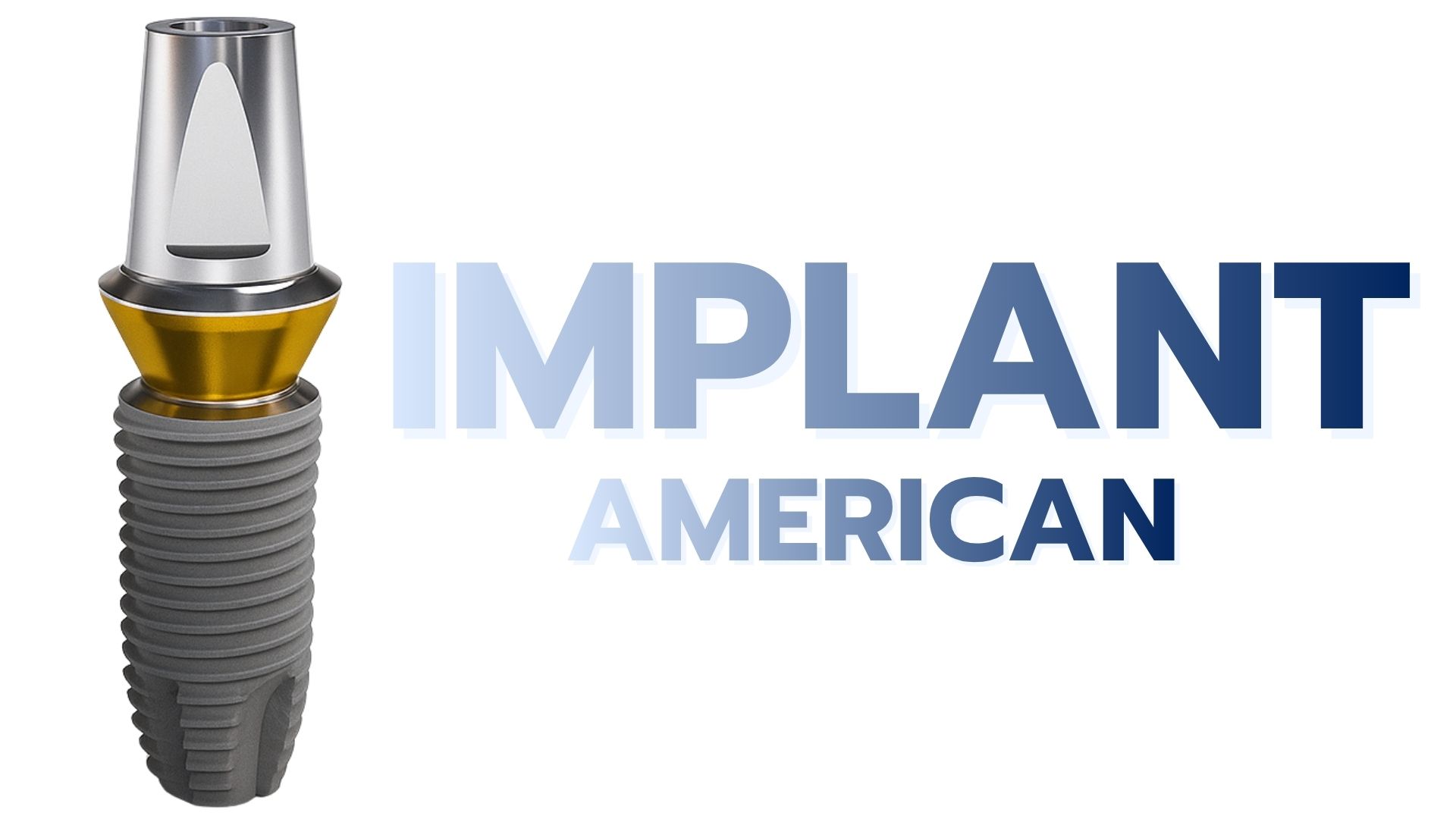
| American HIOSSEN Implant | 20.000.000 VNĐ | 15.000.000 VNĐ | 15 years |
| Swiss NEODENT Implant | 35.000.000 VNĐ | 25.000.000 VNĐ | Lifetime |
Lưu ý: Note: The costs listed above are for reference only. Please contact Smilux for a free consultation and a personalized solution with clear, transparent pricing.


Dentists with 15+ Years of Experience
With over 15 years of experience in periodontology and dental implants, Master’s Degree holder and Dentist Le Quang Tuan is known as one of the young, highly skilled, and dedicated dentists in the field of Dentistry.
After graduating from the University of Medicine and Pharmacy at Ho Chi Minh City and completing a specialized Master’s program in Periodontology, Dr. Tuan has continuously researched and applied modern implant techniques to provide patients with optimal, safe, and naturally aesthetic tooth restoration solutions.
Smilux Dental is a pioneer in applying advanced technology to single tooth dental implant placement, helping shorten the procedure time while ensuring safety and comfort for patients.
OTI Screw-Retained Technology
MagSense™ Sensor
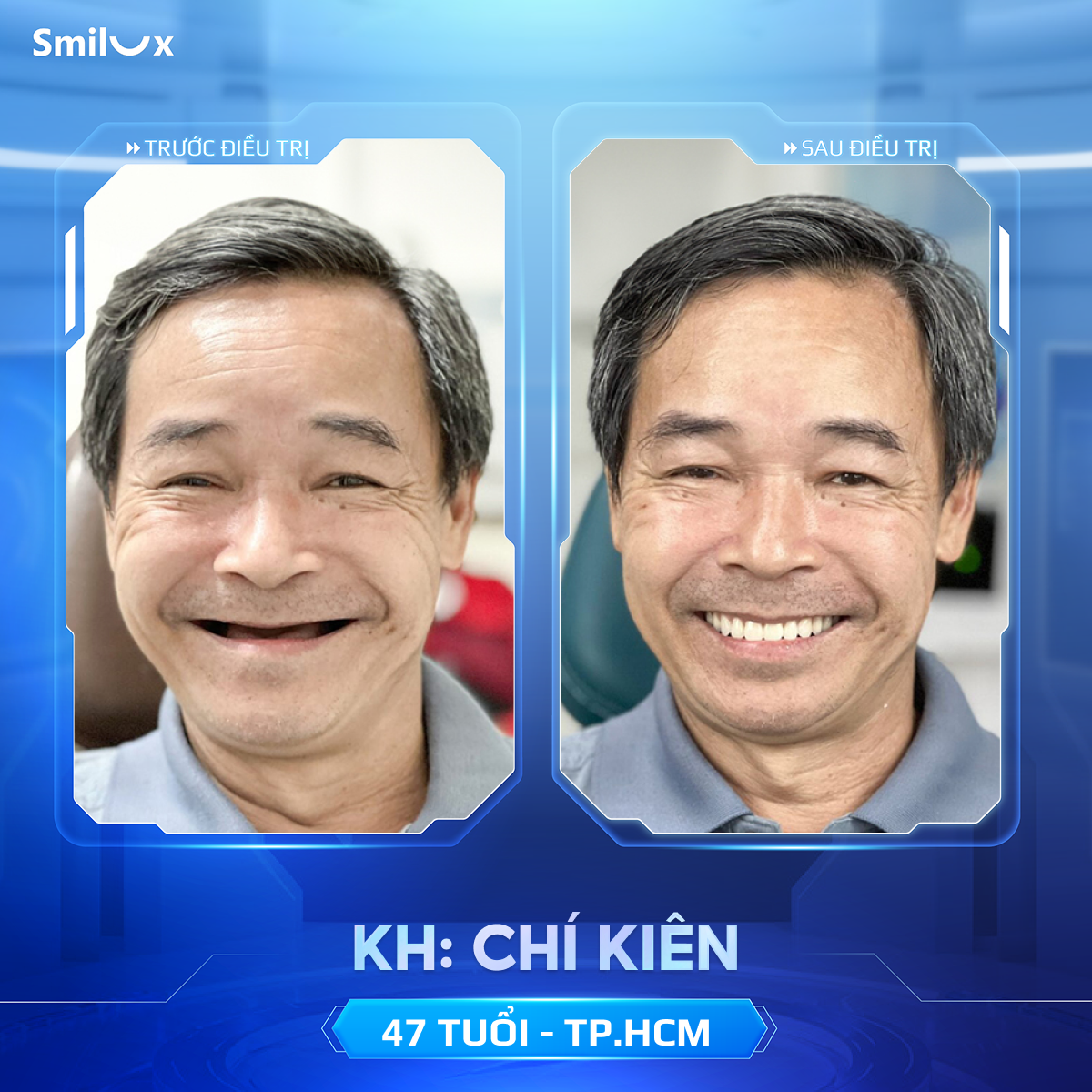
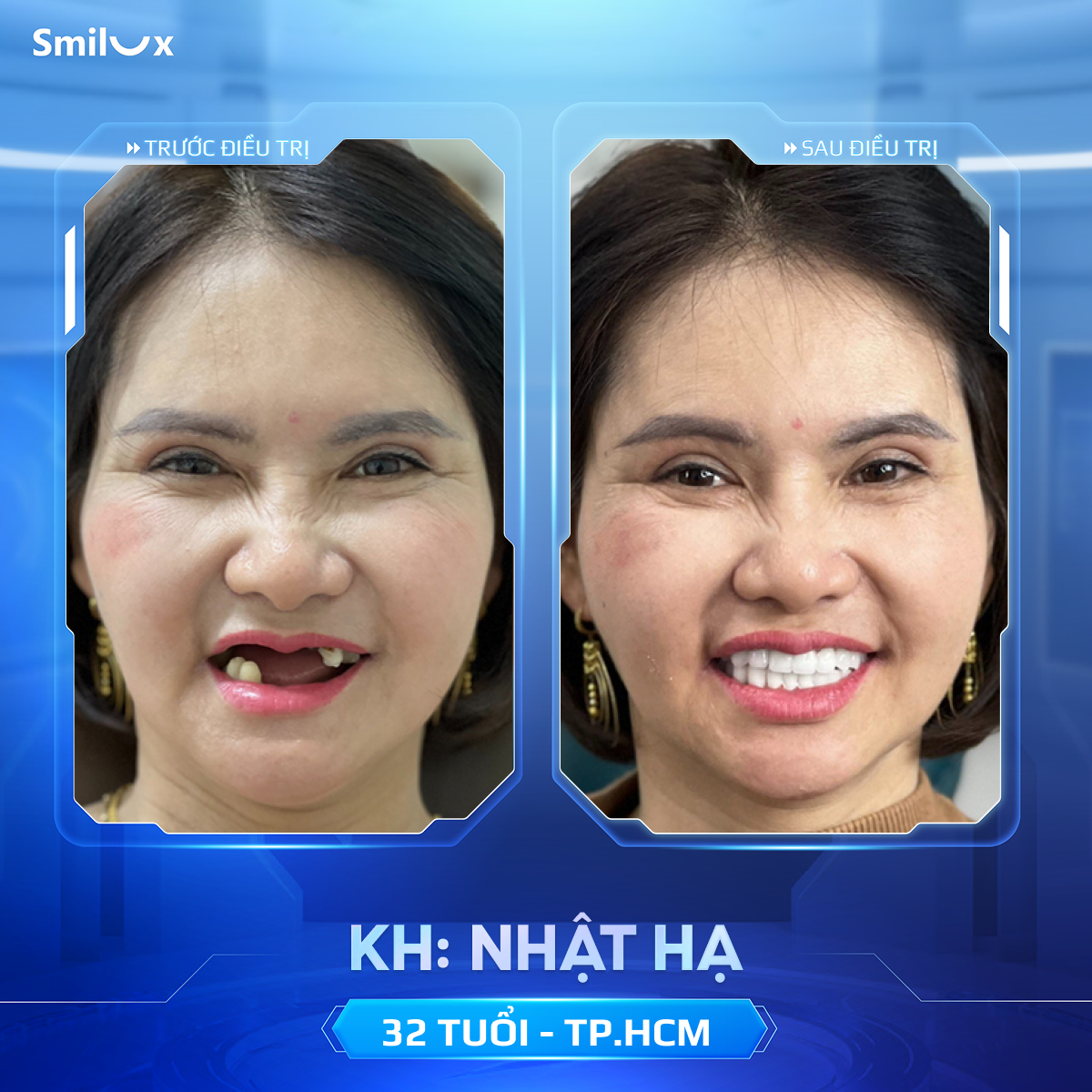
Below are real before-and-after photos of patients who received dental implants at Smilux Dental. Each case shows a noticeable improvement in both aesthetics and chewing function after the procedure.


1. How Long Does a Single Tooth Dental Implant Take?
In general, a single tooth dental implant takes about 3 to 6 months to complete. However, at Smilux Dental, thanks to the application of OTI technology, the dental implant timeline can be shortened to around 1 to 2 months, helping patients regain stable chewing function sooner while maintaining safety.
2. Is Single Tooth Implant Placement Painful?
At Smilux Dental, the single tooth implant placement process is performed gently and is almost painless, thanks to precise techniques combined with local anesthesia.
3. Can Patients with Diabetes Get a Single Tooth Dental Implant?
Patients with diabetes or high blood pressure can still feel confident about getting a dental implant at Smilux Dental.
Before implant placement, the dentist will perform a thorough examination, assess and manage the patient’s overall health condition, and create a personalized implant plan for each case to ensure that the procedure is gentle and safe.

A single tooth dental implant is a safe and effective tooth restoration method for patients who are missing one individual tooth.
This technique uses a titanium implant post with high biocompatibility, which is surgically placed directly into the jawbone to replace the missing tooth root. Once the implant post has firmly integrated with the bone, the dentist will attach a porcelain crown on top, helping restore the tooth’s shape, chewing function, and aesthetics to a level that closely resembles a natural tooth.
|
Comparison Criteria
|
Single Tooth Dental Implant
|
Dental Bridge
|
Removable Denture
|
|---|---|---|---|
|
Procedure |
A titanium implant post is placed into the jawbone, then a porcelain crown is attached to replace both the tooth root and the visible tooth structure. |
Adjacent teeth are reshaped to serve as abutments, and a porcelain bridge is attached to fill the missing tooth gap. |
A removable denture is custom-made to replace the missing tooth and rests on the gums. It can be removed for cleaning. |
|
Lifespan |
Can last up to 20 years or even a lifetime with proper care. |
Average lifespan is around 5 to 15 years and may need replacement after a period of use. |
Around 3 to 8 years, with a higher risk of looseness or damage over time. |
|
Preservation of Natural Teeth |
Does not require reshaping adjacent teeth, helping preserve healthy natural teeth. |
Requires reshaping adjacent teeth to support the dental bridge. |
Does not require reshaping adjacent teeth |
|
Jawbone Loss Prevention |
Helps maintain the jawbone and natural facial structure. |
Does not prevent bone loss at the missing tooth site. |
The jawbone may continue to resorb over time. |
|
Chewing Ability |
Feels almost like a natural tooth and provides strong chewing force. |
Good chewing ability, but not as strong as an implant, around 70%. |
Reduced chewing force, and food may easily get trapped while eating. |
|
Aesthetics |
Natural appearance, closely resembling a real tooth. |
The gumline around the bridge may become exposed over time. |
Does not look as natural as real teeth. |
|
Cost |
High. |
Lower than dental implants. |
Lowest cost. |
|
Stability |
High stability, with no shifting while eating or speaking. |
Fixed, but depends on the reshaped abutment teeth. |
May become loose and may require adhesive or adjustment. |
If you are experiencing any of the following single tooth loss conditions, you may consider visiting Smilux Dental for an examination and consultation on a single tooth dental implant:
Restores Up to 95% of Chewing Function
The implant post is firmly placed into the jawbone and functions like a natural tooth root, providing stable support for the prosthetic tooth. As a result, patients with tooth loss can chew almost like they would with a natural tooth, from soft foods to harder or chewier foods, without needing too many dietary restrictions.
When eating and drinking, a dental implant provides a very natural feel. It does not feel bulky, painful, or loose, helping patients eat more comfortably and enjoy their meals better.
Helps Reduce Jawbone Loss
The implant post is placed directly into the jawbone to replace the missing tooth root, helping stimulate the jawbone to maintain and regenerate naturally.
By transmitting chewing forces in a way similar to a natural tooth, a dental implant helps reduce bone loss, maintain jaw structure, and lower the risk of sunken cheeks, facial sagging, or premature facial aging after tooth loss.
Preserves Natural Teeth Without Reshaping
A dental implant is placed directly into the jawbone and functions independently, so the adjacent teeth do not need to be reshaped as they would for a dental bridge. This helps preserve the surrounding natural teeth and reduces unnecessary dental intervention.
High Aesthetic Appeal
The porcelain crown is crafted from high-quality all-ceramic materials such as Cercon or Emax, offering natural translucency, surface gloss, and a shade that blends harmoniously with the surrounding teeth. Once attached to the implant, the prosthetic tooth looks almost like a natural tooth.
The abutment is designed to fit closely with the high-quality implant post, allowing the restoration to sit snugly against the gum tissue, minimize visible margins, and help maintain stable gum tissue over time.
Long-Lasting Results
Dental implants are highly durable and can last up to 20 years or longer, even a lifetime, when properly cared for and followed up according to the dentist’s instructions.
Step 1: 3D Cone Beam CT Scan
Step 2: Blood Tests and General Health Checkup
Step 3: Implant Post Placement
Step 4: Temporary Tooth Placement
Step 5: Final Porcelain Crown Placement
Step 6: Chewing Function Check
The entire single tooth dental implant procedure at Smilux Dental is performed directly by a team of dentists with in-depth expertise in implant dentistry and many years of clinical experience.
Each step strictly follows the standards of the Ministry of Health, ensuring safety, precision, and long-term results for patients.
The patient undergoes a 3D Cone Beam CT scan so the dentist can accurately assess the jawbone condition, the missing tooth position, and the related anatomical structures. This provides the basis for planning a safe implant placement.
Based on the scan results, the dentist conducts a detailed analysis and professional consultation to develop an implant plan that suits each patient’s specific oral condition.
The patient receives a general health checkup and the necessary tests to rule out underlying medical conditions, helping ensure that local anesthesia and implant placement can be performed safely.
The dentist places the implant post into the jawbone, usually within about 20 to 30 minutes. The procedure is performed gently and precisely, with minimal invasiveness to help the patient feel comfortable throughout the process.
After about 3 to 7 days, the patient returns for suture removal, an X-ray to check the stability of the implant post, and dental impressions for a temporary tooth if needed.
Once the implant post has integrated well with the jawbone, usually after 15 to 30 days, the dentist attaches the fixed porcelain crown to complete the restoration of the missing tooth.
The patient’s chewing comfort is checked directly with different types of food to ensure that the dental implant functions stably and comfortably.
The dentist also takes an X-ray to recheck the implant post and porcelain crown, assess long-term stability, and provide detailed instructions on proper dental implant care.
| IMPLANT | Listed Price | Promotional Price | Warranty |
| Korean Mini Implant | 15.000.000 VNĐ | 6.900.000 VNĐ | 3 years |
| Korean BIOTEM Implant | 15.000.000 VNĐ | 10.000.000 VNĐ | 10 years |
| American HIOSSEN Implant | 20.000.000 VNĐ | 15.000.000 VNĐ | 15 years |
| Swiss NEODENT Implant | 35.000.000 VNĐ | 25.000.000 VNĐ | Lifetime |
Note: The costs listed above are for reference only. Please contact Smilux for a free consultation and a personalized solution with clear, transparent pricing.


Dentists with 15+ Years of Experience
With over 15 years of experience in periodontology and dental implants, Master’s Degree holder and Dentist Le Quang Tuan is known as one of the young, highly skilled, and dedicated dentists in the field of Dentistry.
After graduating from the University of Medicine and Pharmacy at Ho Chi Minh City and completing a specialized Master’s program in Periodontology, Dr. Tuan has continuously researched and applied modern implant techniques to provide patients with optimal, safe, and naturally aesthetic tooth restoration solutions.
BOOK APPOINTMENT
Smilux Dental is a pioneer in applying advanced technology to single tooth dental implant placement, helping shorten the procedure time while ensuring safety and comfort for patients.
OTI Screw-Retained Technology
MagSense™ Sensor
Below are real before-and-after photos of patients who received dental implants at Smilux Dental. Each case shows a noticeable improvement in both aesthetics and chewing function after the procedure.


1. How Long Does a Single Tooth Dental Implant Take?
In general, a single tooth dental implant takes about 3 to 6 months to complete. However, at Smilux Dental, thanks to the application of OTI technology, the dental implant timeline can be shortened to around 1 to 2 months, helping patients regain stable chewing function sooner while maintaining safety.
2. Is Single Tooth Implant Placement Painful?
At Smilux Dental, the single tooth implant placement process is performed gently and is almost painless, thanks to precise techniques combined with local anesthesia.
3. Can Patients with Diabetes Get a Single Tooth Dental Implant?
Patients with diabetes or high blood pressure can still feel confident about getting a dental implant at Smilux Dental.
Before implant placement, the dentist will perform a thorough examination, assess and manage the patient’s overall health condition, and create a personalized implant plan for each case to ensure that the procedure is gentle and safe.
CONTACT
ABOUT SMILUX
DENTAL KNOWLEDGE