1. Home
  2. »
  3. Metal-Ceramic Crowns

What Are Metal-Ceramic Crowns? Are They Good? How Much Do They Cost?

Teeth that are severely damaged, extensively decayed, chipped, fractured, or have undergone root canal treatment may affect both chewing function and aesthetics if not restored in time. Among the available restorative options, Metal-Ceramic Crowns remain a commonly considered choice due to their affordable cost and strong durability.

So, are Metal-Ceramic Crowns a good option? Is this treatment suitable for your dental condition? Let’s explore the details with Smilux Dental in the article below.
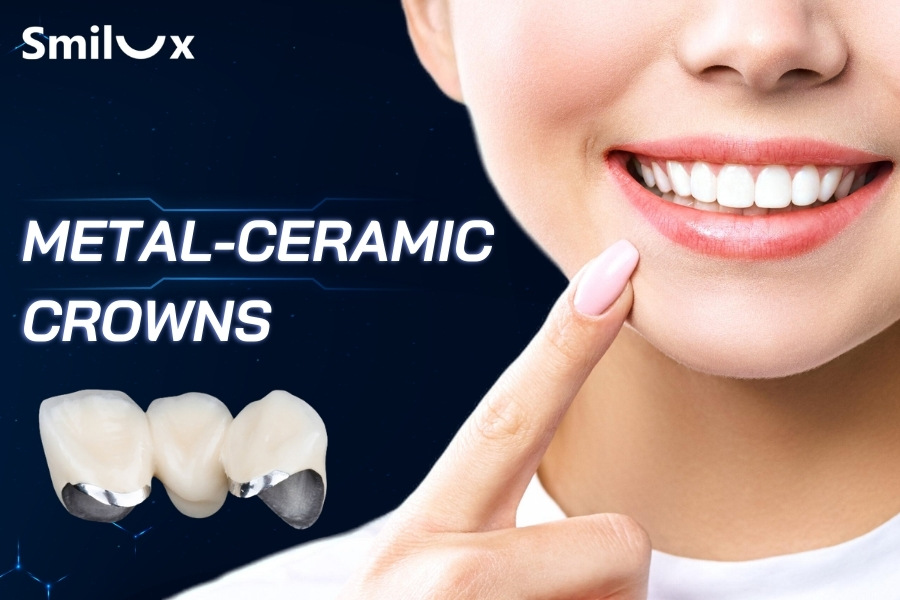
What Are Metal-Ceramic Crowns? Are They Good? How Much Do They Cost?

What are Metal-Ceramic Crowns?

A Metal-Ceramic Crown (also known as a Porcelain-Fused-to-Metal or PFM crown) is a dental restoration that uses a metal-based substructure made from alloy materials such as cobalt-chromium or precious metals, covered with a layer of dental porcelain on the outside.

The metal framework provides high strength and excellent load-bearing capacity, while the outer porcelain layer is designed to replicate the shape and color of natural teeth, offering a relatively natural appearance.

Bọc răng kim loại là kỹ thuật phục hình răng sử dụng mão răng kim loại

Are Metal-Ceramic Crowns a good option?

Metal-Ceramic Crowns are highly regarded by dental professionals for their durability and excellent load-bearing capacity, making them a reliable solution for restoring damaged or weakened teeth. However, this treatment is only safe and effective when performed at a reputable dental clinic with experienced and qualified dentists, such as Smilux Dental.

Before deciding whether Metal-Ceramic Crowns are the right choice, patients should carefully consider both the advantages and limitations of this restoration. Understanding these factors will help you make an informed decision that best suits your oral condition and aesthetic expectations.

Advantages

Metal-Ceramic Crowns offer several notable benefits:

  • Lower cost compared to all-ceramic crowns
  • High durability with excellent chewing and load-bearing capacity
  • Suitable for restoring posterior teeth, where maximum aesthetics is not the primary concern

Disadvantages

In addition to its advantages, this method also has some limitations:

  • A dark metal margin may appear along the gum line over time
  • Aesthetic results are not as natural or translucent as all-ceramic crowns
  • Not recommended for anterior teeth where high aesthetic demands are required

Nhược điểm của phương pháp bọc răng sứ mão kim loại

If you are unsure whether Metal-Ceramic Crowns are suitable for your dental condition, a direct evaluation by a Smilux dentist is the best way to determine the right treatment option.

Please complete the information in the form below. Our dental team will contact you shortly to provide a personalized consultation and recommend the most appropriate treatment plan for your oral health needs.

Schedule an Appointment with a Smilux Dentist

    Common Types of Metal-Ceramic Crowns Today

    Currently, Metal-Ceramic Crowns are available in various types to meet different needs in terms of aesthetics, durability, and budget.

    Below are some of the most commonly used metal-ceramic crown options in modern restorative dentistry:

    Base Metal-Ceramic Crowns

    The framework of these crowns is made from base metal alloys such as Nickel-Chromium (Ni-Cr) or Cobalt-Chromium (Co-Cr). This is the most affordable type of metal-ceramic crown and is commonly recommended for restoring posterior teeth.

    Advantages:

    • Most cost-effective option among metal-ceramic crowns
    • Good strength and reliable chewing resistance
    • Suitable for molars and premolars that require high bite force

    Disadvantages:

    • A dark line at the gum margin may appear over time due to metal oxidation
    • Aesthetic results are less natural compared to higher-end ceramic options
    • May cause mild allergic reactions in patients with metal sensitivity

    Titanium Metal-Ceramic Crowns

    The framework of Titanium metal-ceramic crowns contains titanium alloy, which helps reduce weight and improve biocompatibility. This option is often chosen by patients who want a higher-quality alternative compared to conventional base metal crowns.

    Advantages:

    • Lighter weight, reducing pressure on the natural tooth structure
    • Improved biocompatibility with a lower risk of gum irritation or allergic reactions
    • Durable and stable in the oral environment
    • Better aesthetic results compared to conventional metal-ceramic crowns

    Disadvantages:

    • A dark margin at the gum line may still develop after long-term use
    • Higher cost compared to standard base metal-ceramic crowns

    Răng sứ kim loại Titan là loại mão sứ sử dụng cốt titan bên trong thay vì các hợp kim thông thường

    Precious Metal-Ceramic Crowns

    The framework of precious metal-ceramic crowns is made from noble metals such as gold or platinum. These materials offer excellent durability and superior biocompatibility, but the cost is significantly higher compared to other metal-ceramic options.

    Advantages:

    • High durability with excellent resistance to corrosion and oxidation
    • Superior biocompatibility with minimal risk of allergic reactions or gum irritation
    • Excellent marginal fit, helping to protect the prepared tooth and improve long-term stability

    Disadvantages:

    • Significantly higher cost than other types of metal-ceramic crowns
    • Less commonly used due to the higher material expense

    How Much Do Metal-Ceramic Crowns Cost?

    The cost of Metal-Ceramiceramic Crowns currently ranges from approximately $40 to $140 per tooth (equivalent to 1,000,000 – 3,500,000 VND), depending on the type of crown selected, such as base metal, titanium, or precious metal.

    In addition, the total treatment cost may vary based on the specific crown system and the patient’s individualized treatment plan. In cases of severe tooth damage, additional procedures such as root canal treatment or gum management may be required before crown placement, which can increase the overall expense.

    To help patients better plan their budget and make informed decisions, please refer to the updated Metal-Ceramic Crown price list at International Smilux Dental below.

    LOẠI RĂNG SỨGIÁ NIÊM YẾTGIÁ ƯA ĐÃIBẢO HÀNH
    Kim loại (Cobalt – Chrom)4.000.0003.000.0003 năm

    Note: The above prices are for reference only. Please contact Smilux Dental for a free consultation. Our team will provide a personalized treatment plan along with transparent pricing to help you choose the most suitable and cost-effective solution for your dental needs.

      Standard Medical Procedure for Metal-Ceramic Crowns at Smilux

      Metal-Ceramic Crowns are not only an aesthetic solution but also a restorative treatment that requires strict clinical standards. The procedure must ensure proper tooth reduction, accurate bite control, and precise crown adaptation to maintain long-term durability and oral health.

      At Smilux Dental, each Metal-Ceramic Crown case is performed following a standardized clinical protocol that includes the following steps:

      • Comprehensive Examination and Diagnosis: The dentist conducts a thorough evaluation of the teeth, gums, and occlusion, along with dental X-rays if necessary. Any existing conditions such as tooth decay, gum inflammation, pulp infection, or bite misalignment will be treated before crown placement.
      • Personalized Treatment Planning: Based on the patient’s oral condition and expectations, the dentist determines the number of teeth to be restored, the appropriate type of metal-ceramic crown, and the shape and shade that match the natural teeth. A detailed treatment plan is then explained clearly to the patient prior to treatment.
      • Tooth Preparation with Safe Reduction Ratio: The tooth is carefully prepared to create sufficient space for the crown while preserving as much natural tooth structure as possible. Precise control at this stage helps minimize sensitivity and ensures long-term tooth protection.
      • Impression Taking and Crown Fabrication: Accurate dental impressions are taken to ensure a precise fit. The metal-ceramic crown is fabricated to achieve optimal marginal adaptation and proper anatomical form.
      • Temporary Crown Placement: A temporary crown is provided during the fabrication period to maintain aesthetics and allow normal chewing function.
      • Final Crown Placement and Occlusal Adjustment: The final metal-ceramic crown is tried in and permanently cemented. The bite is carefully adjusted to ensure comfort, balanced force distribution, and natural function without high spots or interference.
      • Post-Treatment Care and Follow-Up: After completion, patients receive detailed instructions on how to care for their metal-ceramic crowns and are scheduled for periodic check-ups to maintain the longevity of the restoration.

      Quy trình bọc răng sứ kim loại chuẩn Y khoa tại Smilux

      Why Choose Metal-Ceramic Crowns at Smilux Dental?

      Placing a Metal-Ceramic Crown is not simply bonding a crown onto a tooth. It is a precise restorative procedure that requires careful assessment of occlusion, appropriate material selection, accurate impressions, and detailed bite adjustment. This is especially important for posterior teeth, where proper marginal fit and balanced occlusion are critical factors for long-term durability.

      At Smilux Dental, many patients achieve more stable and predictable outcomes thanks to the application of BioUltra, a biomimetic restorative approach that focuses on minimal tooth reduction throughout the metal-ceramic crown procedure. This technique offers several key advantages:

      • Maximum preservation of natural tooth structure: The Preserve90 protocol controls the reduction level within necessary limits, minimizing invasiveness and reducing post-treatment sensitivity.
      • Improved crown fit and marginal adaptation: A highly controlled workflow ensures precise crown adaptation, reducing the risk of open margins, a common cause of gum inflammation and secondary decay.
      • Balanced chewing force and stable occlusion: BioUltra emphasizes occlusal analysis to ensure the crown functions comfortably without high spots, bite discrepancies, or excessive force on posterior teeth.

      Enhanced biocompatibility Optimized materials and clinical protocols help minimize gum irritation and provide a more natural and comfortable chewing experience.

      With a team of dentists having over 15 years of clinical experience, advanced equipment, and the BioUltra technology, Metal-Ceramic Crowns at Smilux Dental not only meet aesthetic expectations but also deliver long-term stability and functional durability.
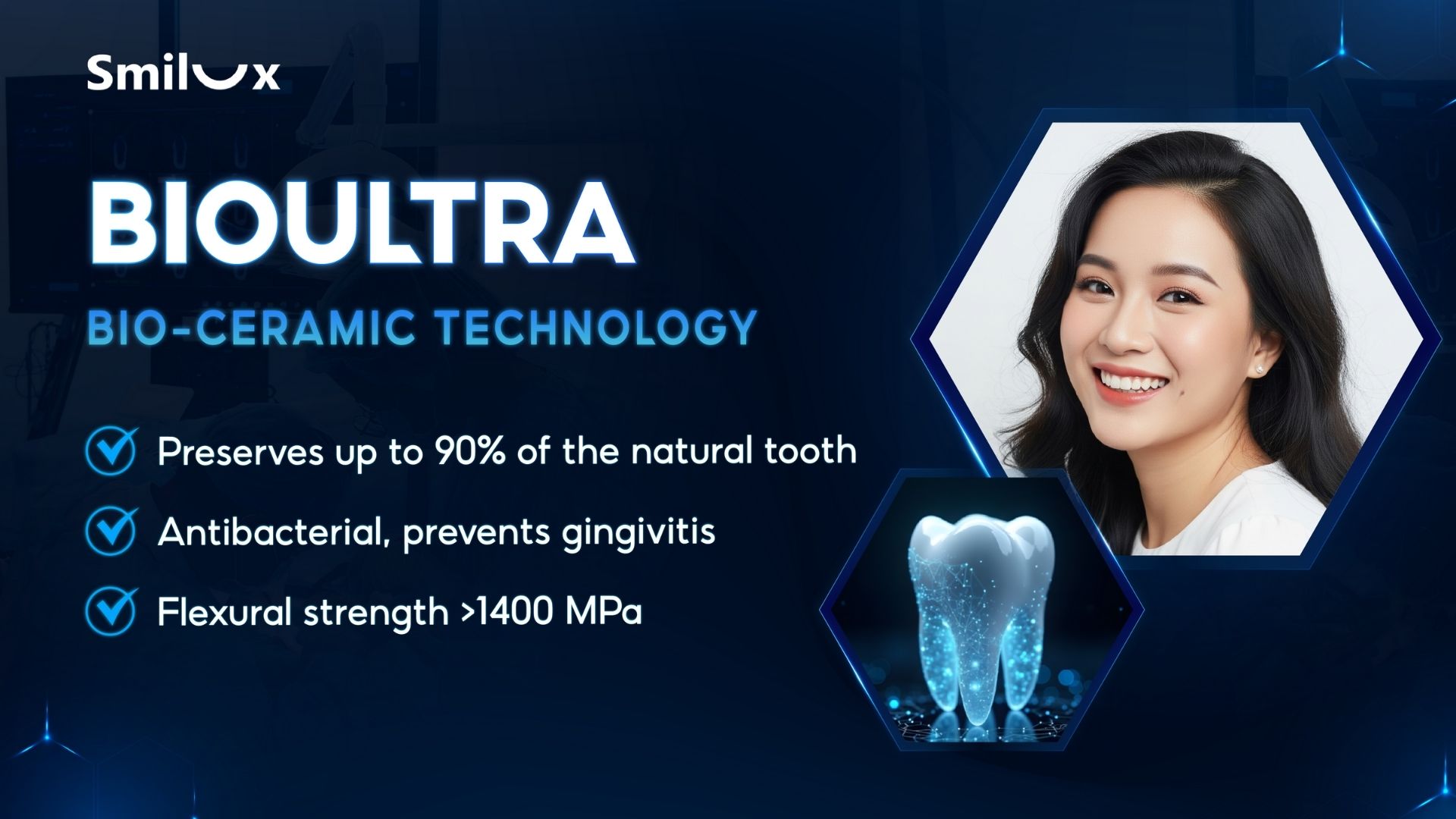
      Thumb Bioultra Technology

      SMILUX DENTAL
      A Trusted Dental Clinic for Porcelain Crown Treatment

      How to Care for Metal-Ceramic Crowns

      After receiving Metal-Ceramic Crowns, many people assume that the crown cannot be damaged and therefore treat it like a natural tooth without special care. However, although the outer porcelain layer is highly durable, the underlying natural tooth structure and surrounding gum tissue still require proper protection.

      Good oral care not only helps extend the lifespan of the crown but also reduces the risk of complications such as gum inflammation, open margins, or secondary decay. Below are essential guidelines to help maintain the long-term stability of Metal-Ceramic Crowns:


      • Maintain thorough oral hygiene: Brush your teeth at least twice a day using a soft-bristled toothbrush and a low-abrasive toothpaste. In addition, use dental floss or a water flosser to remove food debris between teeth and prevent bacterial buildup that may cause gum inflammation around the crown.
      • Control chewing forces: Although Metal-Ceramic Crowns are strong and durable, frequently biting hard objects such as ice, large bones, or using your teeth to open bottles may cause porcelain chipping or crown loosening.
      • Limit habits that may affect the gum margin: With metal-ceramic restorations, a dark line at the gum margin may develop over time due to metal oxidation. To minimize this risk, reduce smoking and limit frequent consumption of strong coffee or highly acidic foods that may negatively affect gum health.
      • Attend regular dental check-ups: Schedule follow-up visits every six months. Routine examinations help detect early signs of problems such as open margins, gum inflammation, or crown loosening, allowing timely intervention before the underlying natural tooth is affected.

      Hướng dẫn cách chăm sóc răng sứ kim loại

      CONCLUSION

      Metal-Ceramic Crowns are a suitable restorative solution for patients who want to balance affordability with long-term chewing durability. However, to achieve optimal results and minimize potential complications, it is important to choose a reputable dental provider such as International Smilux Dental.

      At Smilux, every Metal-Ceramic Crown case is carefully evaluated, supported by a personalized treatment plan, and followed up regularly to ensure stable, long-lasting outcomes. If you are considering dental restoration, contact our HOTLINE 0866 251 379 today for a completely free consultation.

      FAQs

      Should You Choose All-Ceramic or Metal-Ceramic Crowns?

      The decision between all-ceramic crowns and Metal-Ceramic Crowns depends on your aesthetic expectations, the location of the tooth, and your budget. If cost is the primary concern, Metal-Ceramic Crowns can be a practical and durable option. However, if you prioritize superior aesthetics, natural translucency, and long-term performance, all-ceramic crowns may be the better choice. A clinical evaluation by a dentist will help determine the most suitable solution based on your specific oral condition.

      Should You Choose Conventional Metal-Ceramic or Titanium Crowns?

      Titanium metal-ceramic crowns are generally the better option, as they offer an average lifespan of 10 to 15 years, improved biocompatibility, and a lower risk of gum irritation. For these reasons, Titanium crowns are often recommended for patients who want better long-term stability and tissue compatibility. However, if you are looking for a more cost-effective solution, conventional metal-ceramic crowns still provide good durability and reliable chewing function. The most appropriate choice should be based on your oral condition, budget, and long-term treatment goals.

      Do Metal-Ceramic Crowns Cause Dark Gum Lines?

      After a period of use, typically 3 to 5 years, some patients may notice a dark line appearing along the gum margin. This occurs due to the oxidation of the metal framework in the oral environment over time. The likelihood of this condition depends on several factors, including individual tissue response, the type of metal alloy used, and the patient’s oral hygiene habits. Regular dental check-ups and proper oral care can help minimize this risk and maintain the long-term appearance of Metal-Ceramic Crowns.
      This site is registered on wpml.org as a development site. Switch to a production site key to remove this banner.