After dental implant placement, the patient’s diet and oral care during the recovery period play a direct role in how well the implant integrates with the jawbone. Choosing inappropriate foods may irritate the surgical site, prolong the healing process, or increase the risk of infection.
So, what foods should be avoided after dental implants? Smilux Dental will provide detailed answers in the article below. Please continue reading to learn more.
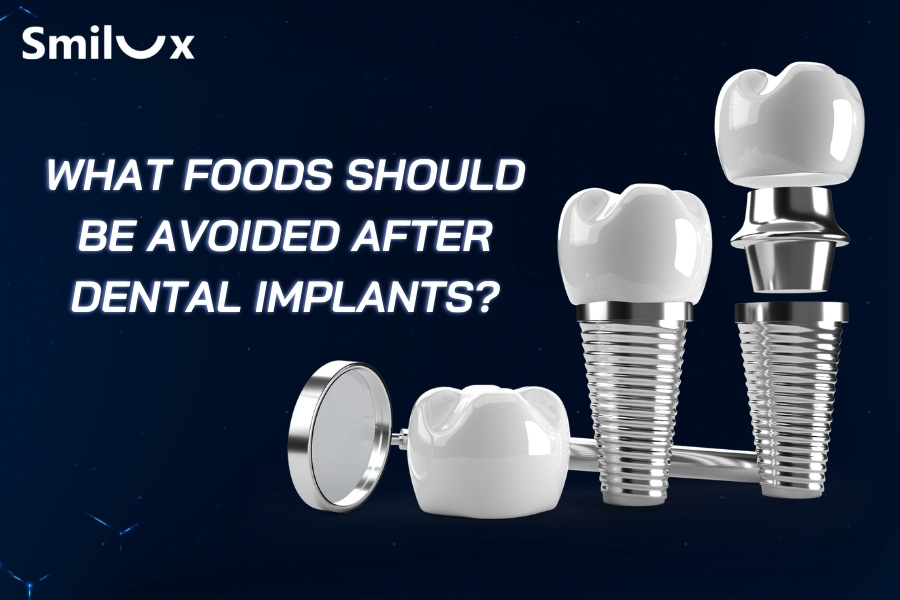
Patients should avoid foods and beverages that are excessively hot or cold after dental implant placement, as extreme temperatures can directly affect the surgical site during the early healing stage.
Cold foods such as ice cream, ice cubes, shaved ice, or frozen yogurt may cause blood vessels to constrict, reducing blood flow to the gums and jawbone. This can slow down the osseointegration process of the dental implant and prolong the healing period.
On the other hand, very hot foods such as hot soup, hot tea, hot pot, or freshly grilled dishes may irritate the gum tissues and potentially disrupt the blood clot that protects the surgical site after implant surgery. When this protective layer is disturbed, the implant area may become more painful and the risk of infection may increase.

Continuing the list of foods to avoid after dental implants, patients should also stay away from foods that are hard, chewy, or dry. Chewing these foods can place direct pressure on the implant site, potentially irritating the surgical area, affecting the stability of the implant fixture, and slowing the healing process.
Some foods that should be limited include dry bread, hard candies, chewy candies, sugarcane, sesame candy, malt sugar, dried meat, crispy dried fruits, and various types of nuts.

After dental implant placement, especially during the first 1 to 3 months, patients should limit foods that are very sour, spicy, or heavily seasoned.
Highly acidic foods such as lemon, vinegar, or dishes with strong sour flavors may irritate the gums, which are still sensitive after surgery. Prolonged irritation can increase the risk of inflammation and negatively affect the osseointegration process of the dental implant.
In addition, spicy foods such as chili, pepper, or dishes containing strong spices may also irritate the gum tissues. This can cause swelling and discomfort at the implant site and may slow down the healing process.
During the recovery period after dental implant placement, patients should avoid using a straw when drinking water or other beverages. The suction created in the mouth may place pressure on the implant site, potentially irritating the surgical area and affecting the stability of the implant fixture.
Instead, patients should drink directly from a cup or glass and take small sips. This helps minimize pressure on the implant site and supports proper healing and stable osseointegration between the implant and the jawbone.

What should be avoided after dental implant placement? Patients should refrain from consuming alcohol and carbonated drinks. Alcohol can weaken the immune system, which may delay wound healing and increase the risk of infection around the dental implant.
Carbonated beverages, on the other hand, may cause dry mouth and reduce saliva production, creating a favorable environment for bacteria to grow in the oral cavity. This can increase the risk of infection in the gum and jawbone around the implant site, potentially affecting the osseointegration process of the dental implant.