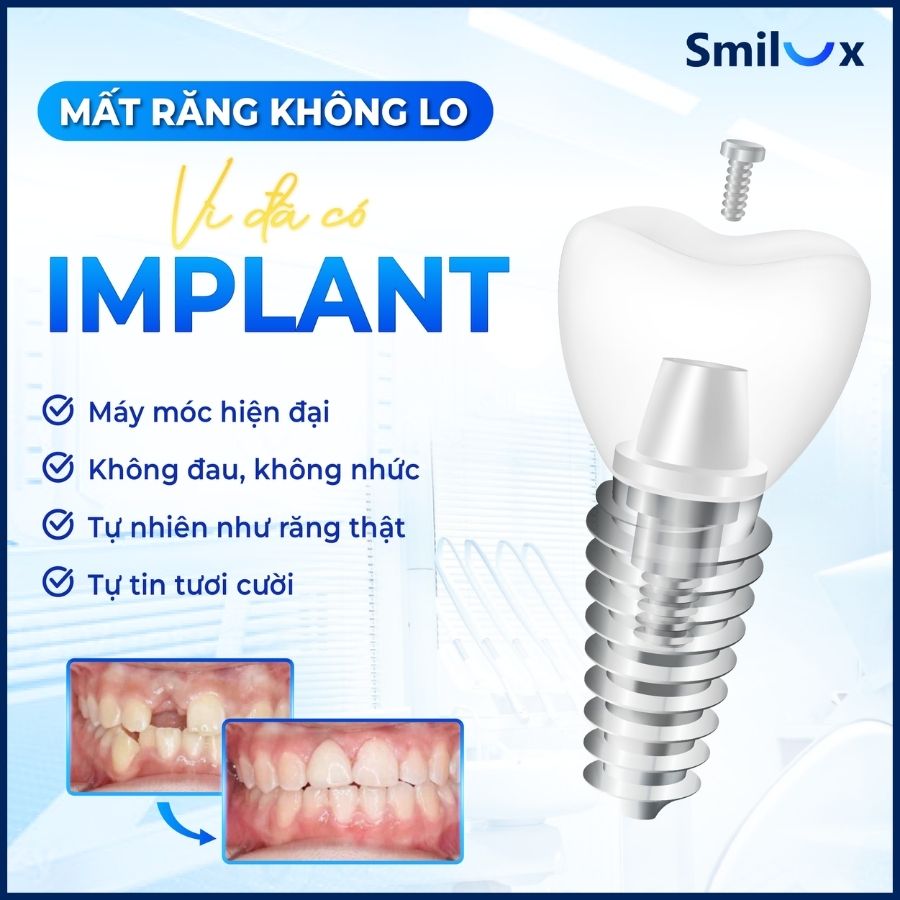
Diet after implant placement is one of the key factors influencing the success of dental implant treatment. A well planned diet not only helps reduce the risk of infection but also supports faster wound healing and allows the implant to integrate more effectively with the jawbone.
So, what to eat after dental implant surgery to ensure a smooth and comfortable recovery? Smilux Dental will explain this in detail in the following article.

When considering what to eat after dental implant surgery, soft and liquid foods are often recommended during the early stages of recovery. After implant placement, the implant post needs time to integrate securely with the jawbone, a process known as osseointegration. This healing period is crucial because it directly affects the long term stability and durability of the dental implant.
To support proper healing, patients should prioritize soft and easy to chew foods that place minimal pressure on the surgical area. Choosing gentle foods helps reduce the risk of trauma to the implant site and supports the bone integration process.
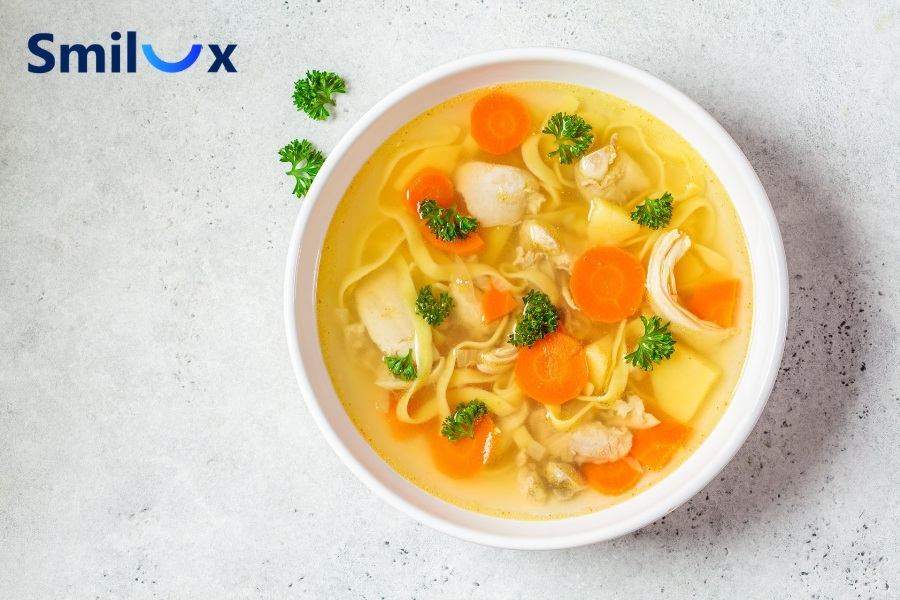
Dentists commonly recommend foods such as egg soup, shredded chicken soup, nutritious porridge, oatmeal, and slow cooked soft dishes. Mashed vegetables like carrots, potatoes, and pumpkin are also good options because they are easy to consume and provide essential vitamins and minerals needed for recovery.
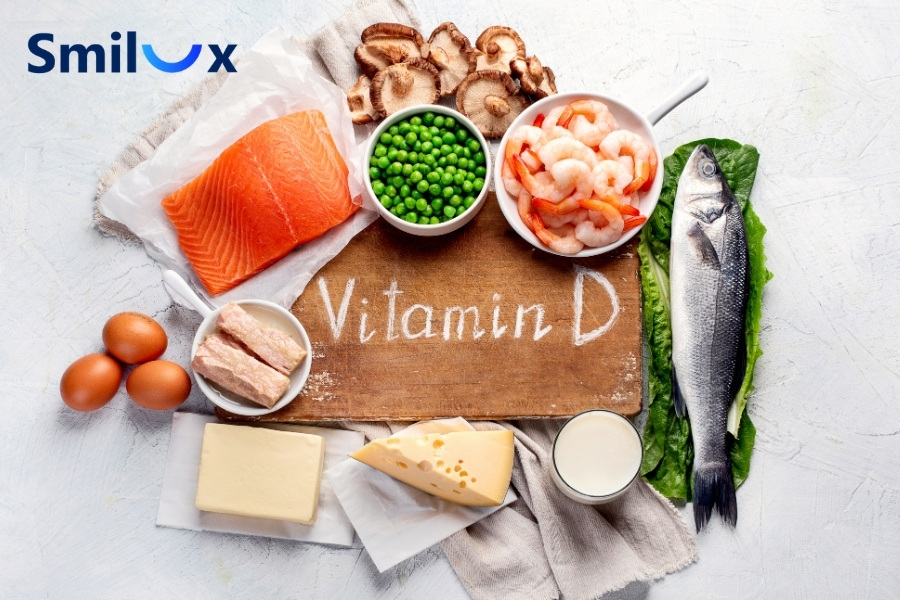
When discussing what to eat after dental implant surgery, patients should consider adding foods rich in vitamin D to their daily diet. Common sources include fish, eggs, and milk.
Vitamin D plays an essential role in helping the body absorb and metabolize calcium efficiently while supporting the maintenance of strong bone structure. Adequate vitamin D intake can therefore contribute to a more favorable healing environment for the implant.
By supporting bone health, vitamin D helps promote the integration between the jawbone and the titanium dental implant. This process can improve implant stability and support the long term durability of the restored tooth.
When considering what to eat after dental implant surgery, adding fresh fruits to the daily diet can support the healing process. Patients may include fruits such as grapefruit, oranges, strawberries, avocados, bananas, blueberries, raspberries, pomegranates, plums, and grapes.
These fruits are rich in vitamins and essential minerals that help strengthen the body’s natural anti inflammatory response and support faster recovery of oral tissues after implant surgery.
Maintaining a habit of consuming fresh fruits can also improve overall immunity and help the body recover more effectively during the healing period. As a result, patients may reduce the risk of fatigue, weakness, or minor illnesses, creating more favorable conditions for the implant to stabilize within the jawbone.

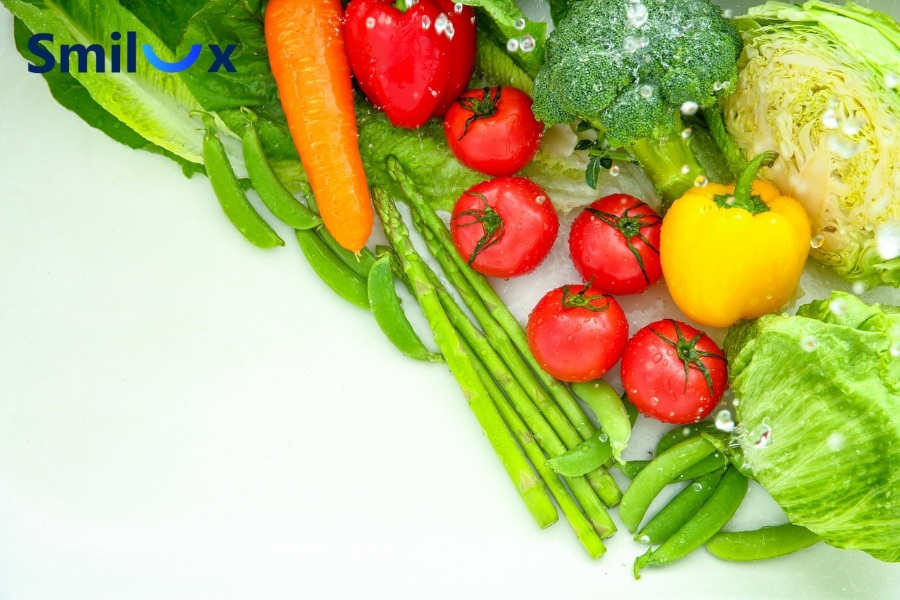
Vegetables such as cauliflower, broccoli, carrots, potatoes, bell peppers, legumes, and dark leafy greens are rich sources of vitamins (A, B, D, E, K) and essential minerals (Calcium, Phosphorus, Magnesium, Potassium, Iron, Folate).
These nutrients play an important role in regenerating gum tissue, strengthening jawbone density, and promoting the healing process after dental procedures, helping patients recover faster and with fewer complications.
Within the first 24 hours after implant placement, patients may experience pain, sensitivity, or mild discomfort at the treatment site, which can make eating less comfortable. However, meals should not be skipped, as the body still needs adequate nutrients to maintain immunity and support the healing process.
During this time, when considering what to eat after dental implant surgery, patients should prioritize drinking plenty of water and choosing liquid or soft foods such as thin porridge, soup, oatmeal, mashed potatoes, blended carrots, or finely ground meat.
Fresh fruit beverages such as avocado smoothies, orange juice, or apple juice may also be added to the diet to provide essential vitamins. These drinks help restore energy and support better healing at the implant site.

During the next two weeks after dental implant placement, the tissues surrounding the implant gradually stabilize, so the sensation of pain or discomfort usually decreases significantly. At this stage, patients can return to a nearly normal diet, but it is still advisable to prioritize nutrient rich foods to support overall recovery.
However, patients should continue to avoid chewing directly on the implant site until the gum tissue has completely healed. Limiting pressure on the treated area helps prevent food from becoming trapped around the implant and reduces the risk of infection, allowing the healing process to progress more smoothly.

Besides understanding what to eat after dental implant surgery, patients should also follow several important guidelines during the recovery period:
Avoid chewing directly on the newly placed implant: Patients should not chew directly on the implant site. Early chewing pressure can cause the implant post to shift, irritate the surrounding gum tissue, and lead to prolonged bleeding. In severe cases, the implant may fail to integrate with the jawbone and could be rejected, requiring the implant procedure to be performed again.
Monitor for abnormal signs in the oral cavity: After implant placement, patients should carefully observe the treated area. If symptoms such as persistent swelling, prolonged pain, pus discharge, fever, or allergic reactions to implant materials occur, a dentist should be contacted immediately for prompt evaluation and treatment.
Avoid habits that may affect the implant: During the healing period, patients should not touch or push the implant post with their fingers or tongue. These actions can interfere with the healing process and delay the integration of the implant with the jawbone.
Use medication as prescribed by the dentist: If sensitivity or discomfort occurs at the implant site, pain relief medication should be taken strictly according to the dentist’s prescription. Patients should not self medicate or take additional drugs without professional guidance, as this may affect the healing of the implant area.
Maintain proper oral hygiene: Patients should use a soft bristle toothbrush and brush gently to avoid placing pressure on the surgical site. Rinsing with saline solution and using dental floss can also help remove food debris, keeping the oral cavity clean and reducing the risk of infection.
Attend follow up appointments as scheduled: Regular follow up visits allow the dentist to monitor the healing process and evaluate how well the implant is integrating with the jawbone. These appointments also help determine the appropriate time to place the dental crown and fully restore chewing function and aesthetics.