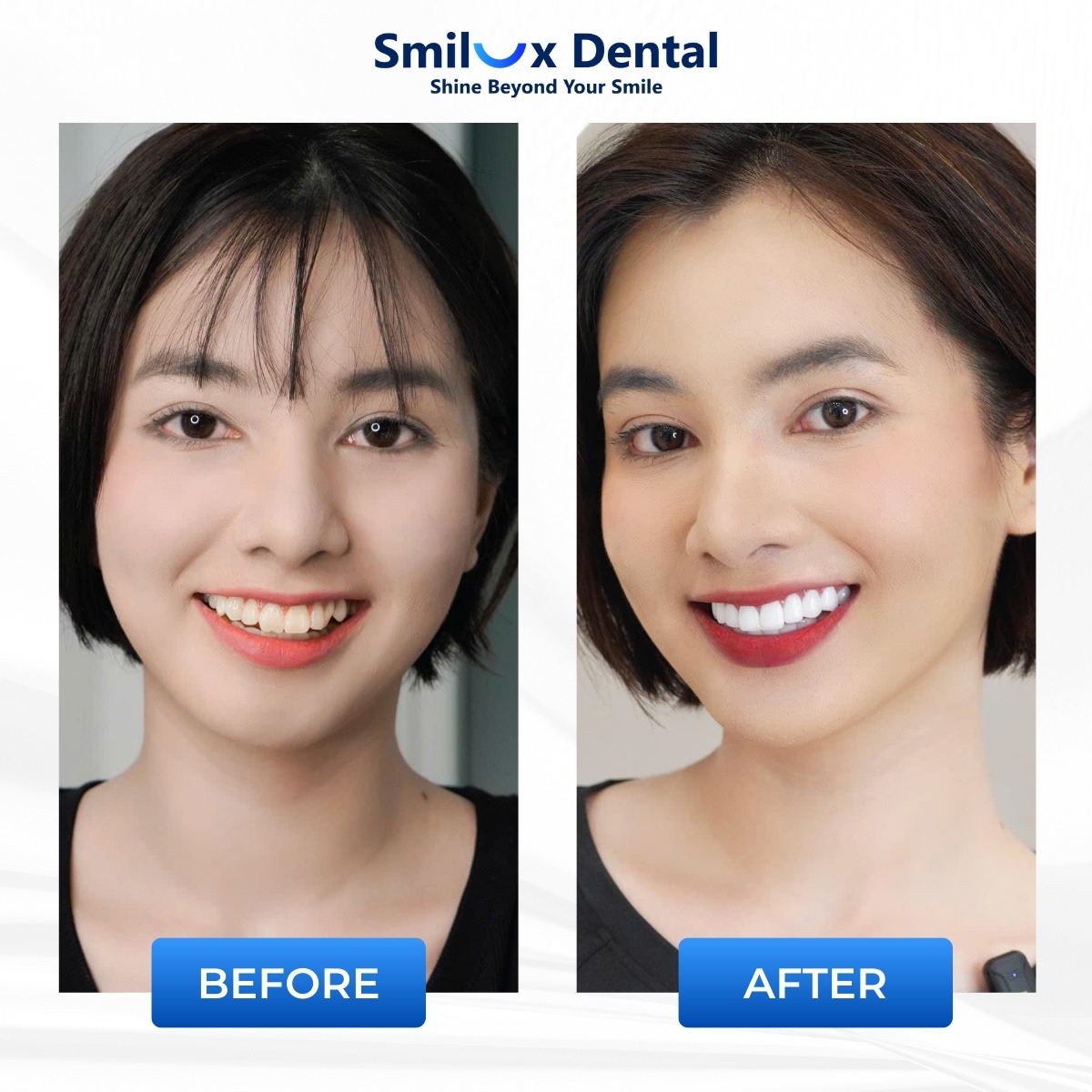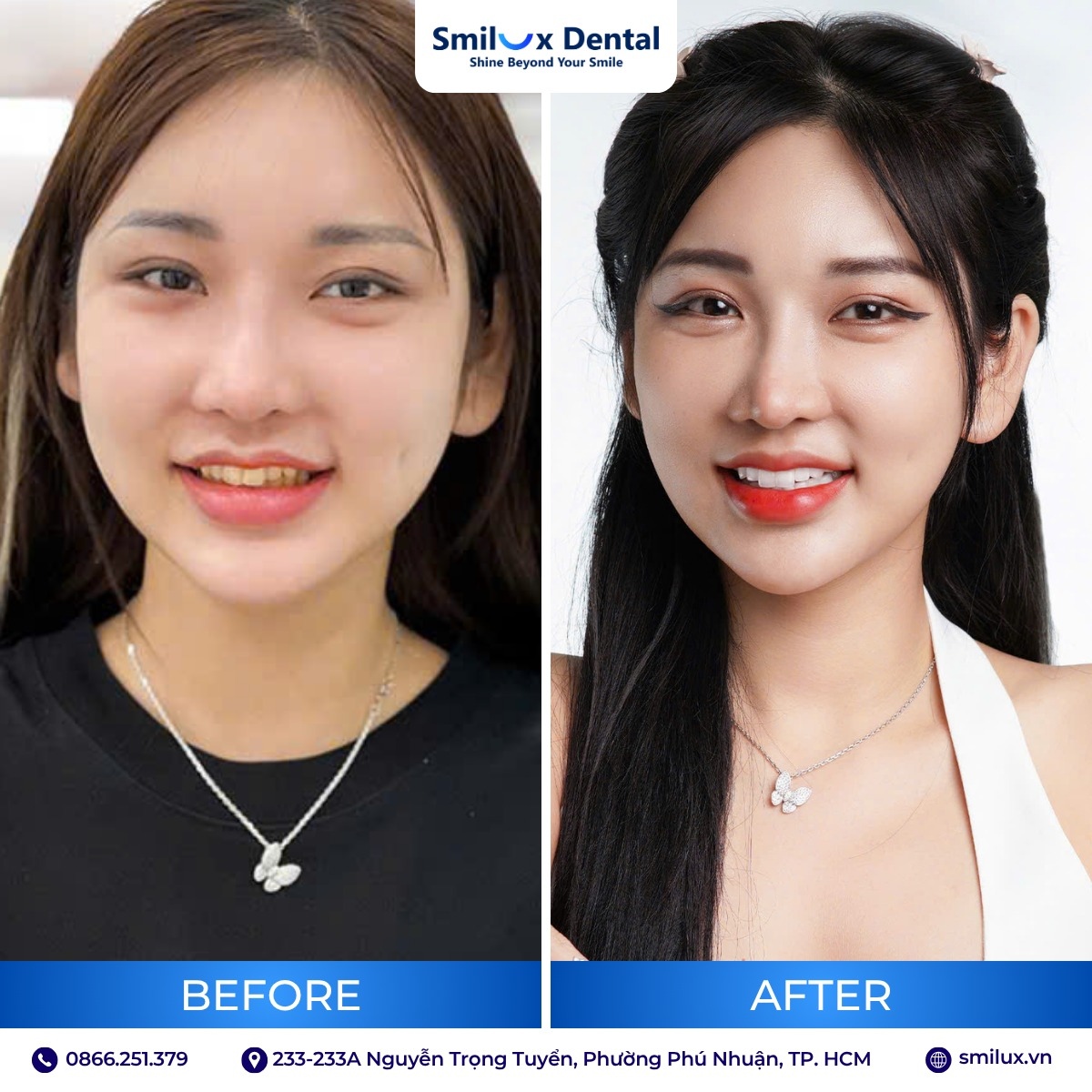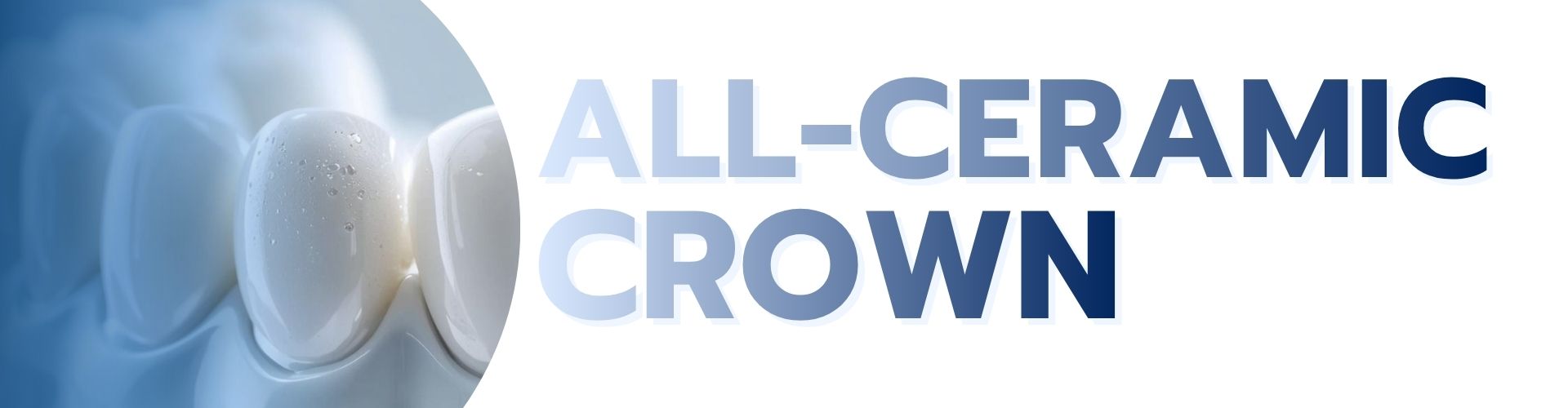


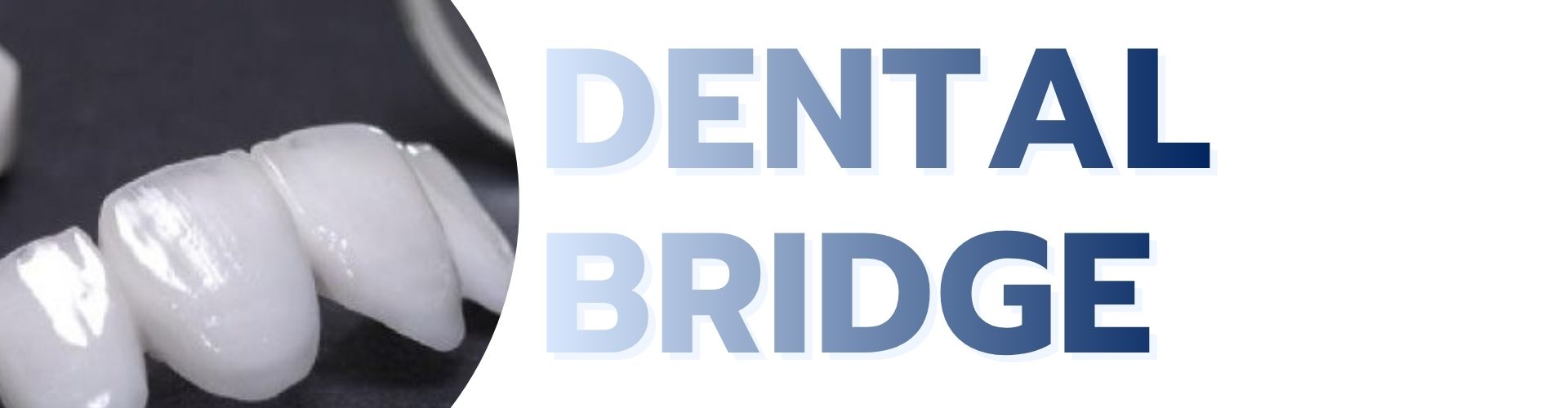
Dental crowns are a cosmetic restorative procedure in dentistry that involves placing a porcelain crown with shape and color closely resembling natural teeth to restore tooth structure damaged by decay, chipping, or fractures, as well as to improve aesthetic concerns such as discoloration or misalignment.
The crown fully covers the prepared natural tooth. During the procedure, the dentist reshapes the tooth according to precise proportions to create adequate space for the restoration. The crown is then fabricated based on conventional impressions or digital scans, ensuring marginal integrity, proper occlusion, and even distribution of masticatory forces.

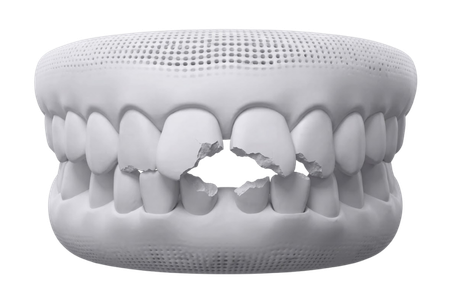
Cases of extensive tooth decay, large fractures, cracks of the tooth structure, or teeth after root canal treatment.
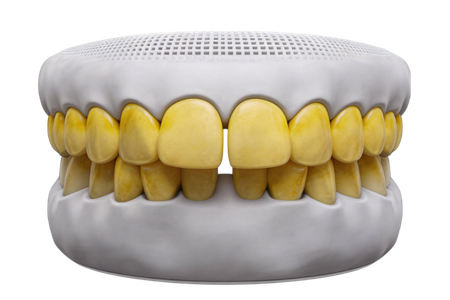
Teeth stained by tetracycline, fluorosis, or intrinsic discoloration that is not suitable for teeth whitening.
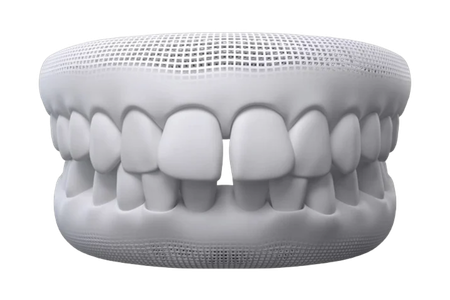
Teeth with spacing, gaps, mild misalignment, or slight irregularities can be corrected using dental crown restorations.
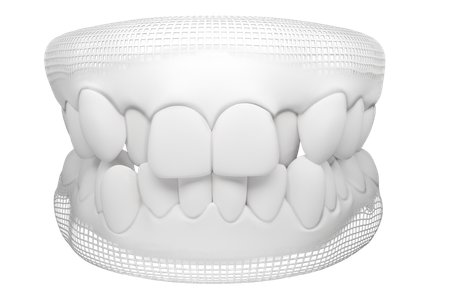
Conditions such as mild overbite or underbite caused by dental factors can be improved with dental crowns to optimize occlusal contact.
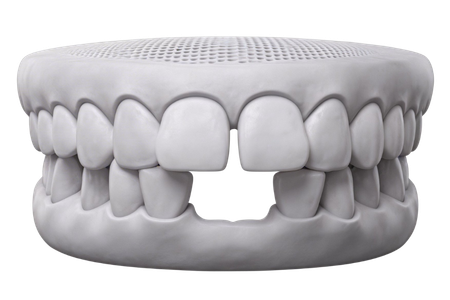
Dental crowns fully cover the tooth structure, enhancing mechanical strength and reducing the risk of fractures.
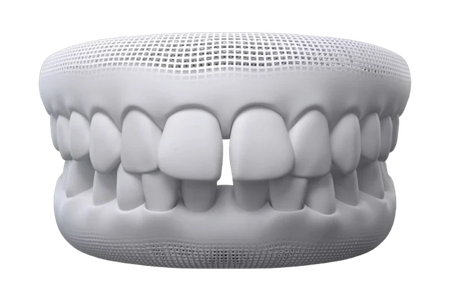
Mão sứ bao phủ toàn bộ thân răng, giúp tăng độ bền cơ học, hạn chế nguy cơ nứt vỡ
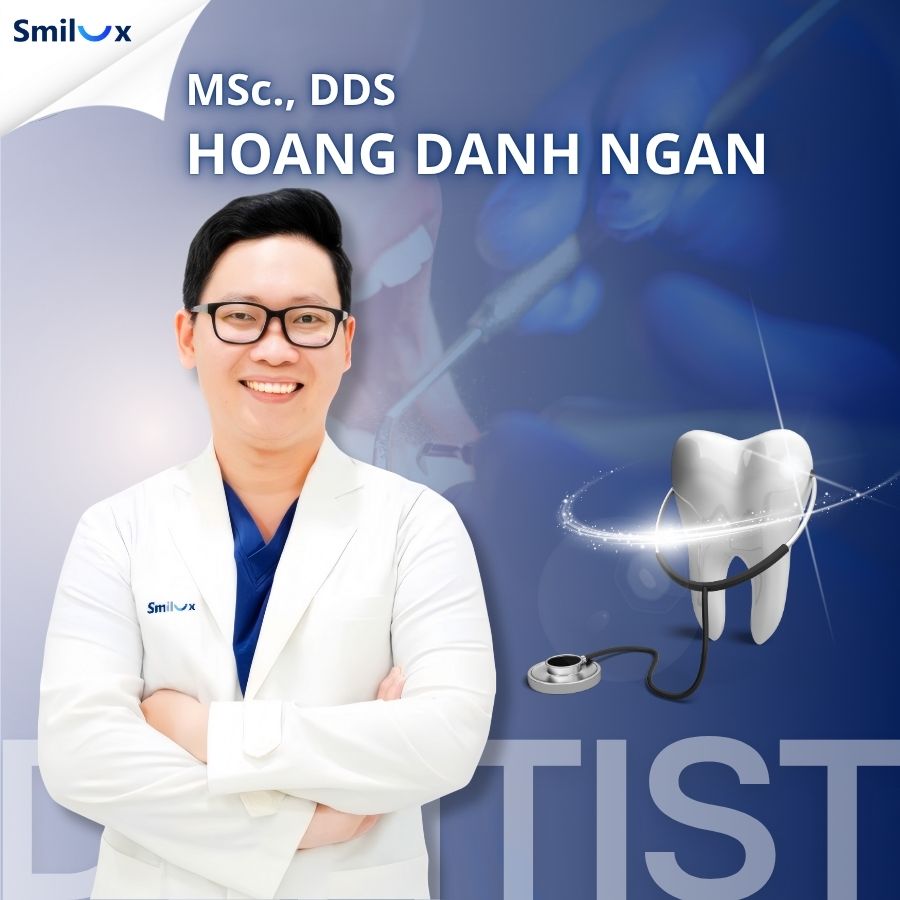
Smilux is supported by a team of highly qualified dentists with over 15 years of clinical experience.
Smilux’s exclusive BioUltra technology minimizes tooth reduction, provides anti-inflammatory and antibacterial protection, and helps prevent bad breath after dental crown treatment.
A customized treatment plan tailored to each patient’s oral condition, occlusal structure, and individual aesthetic needs.
Modern equipment systems, including digital X-ray imaging and 3D scanning technology, enable accurate diagnosis.
The cost of dental crown treatment is clearly communicated in advance. Dentists assess each case individually, propose an appropriate treatment plan, and provide a corresponding cost estimate.
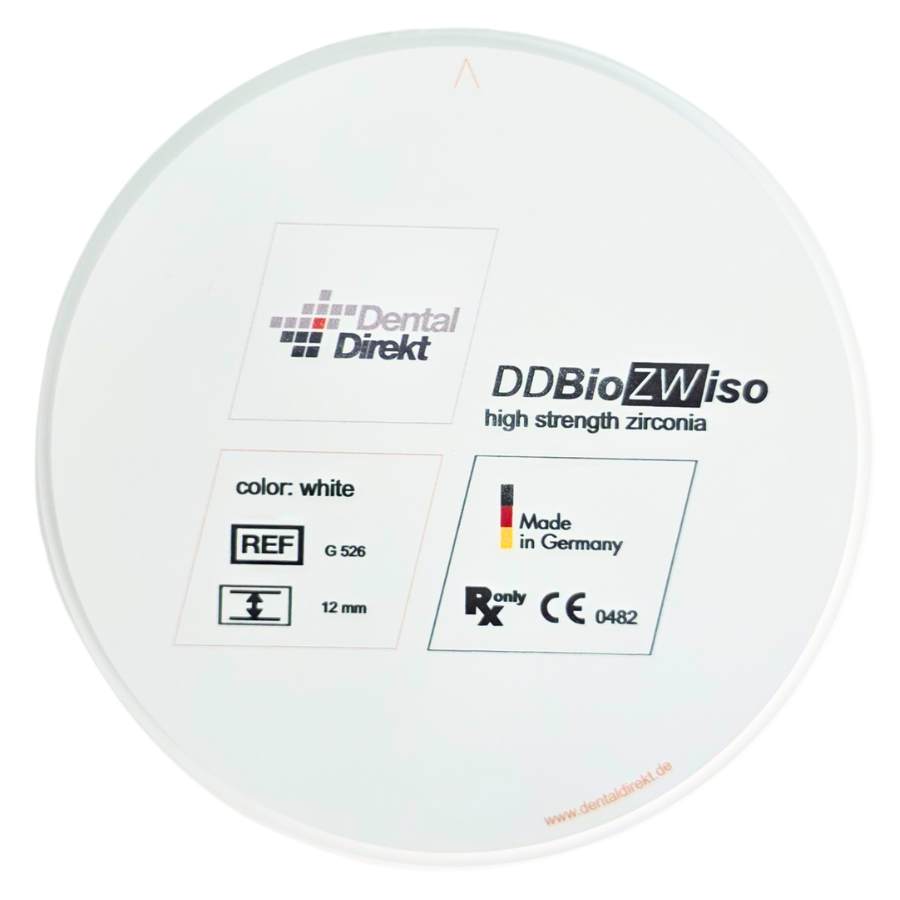
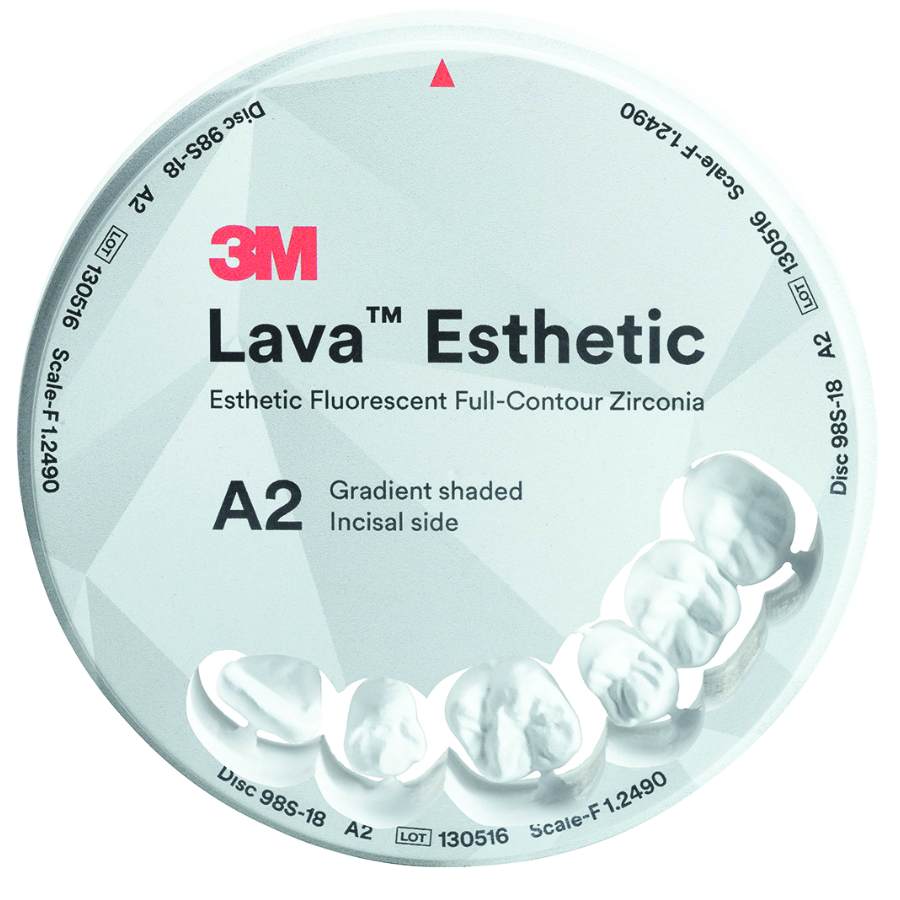
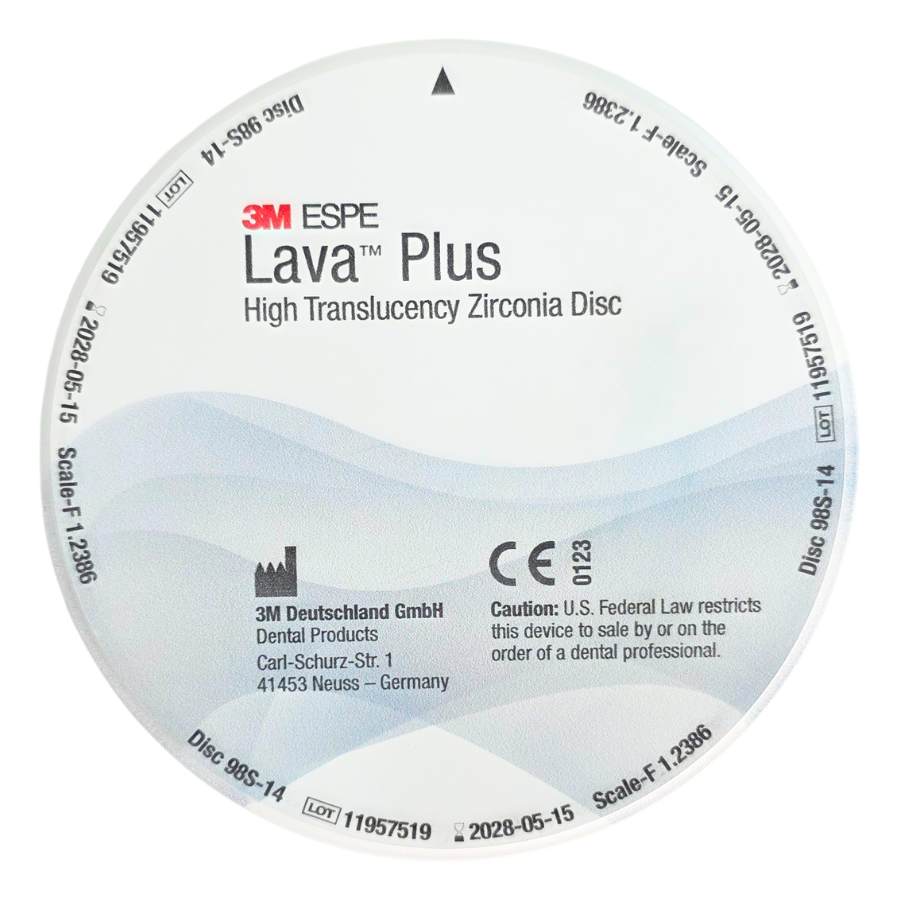
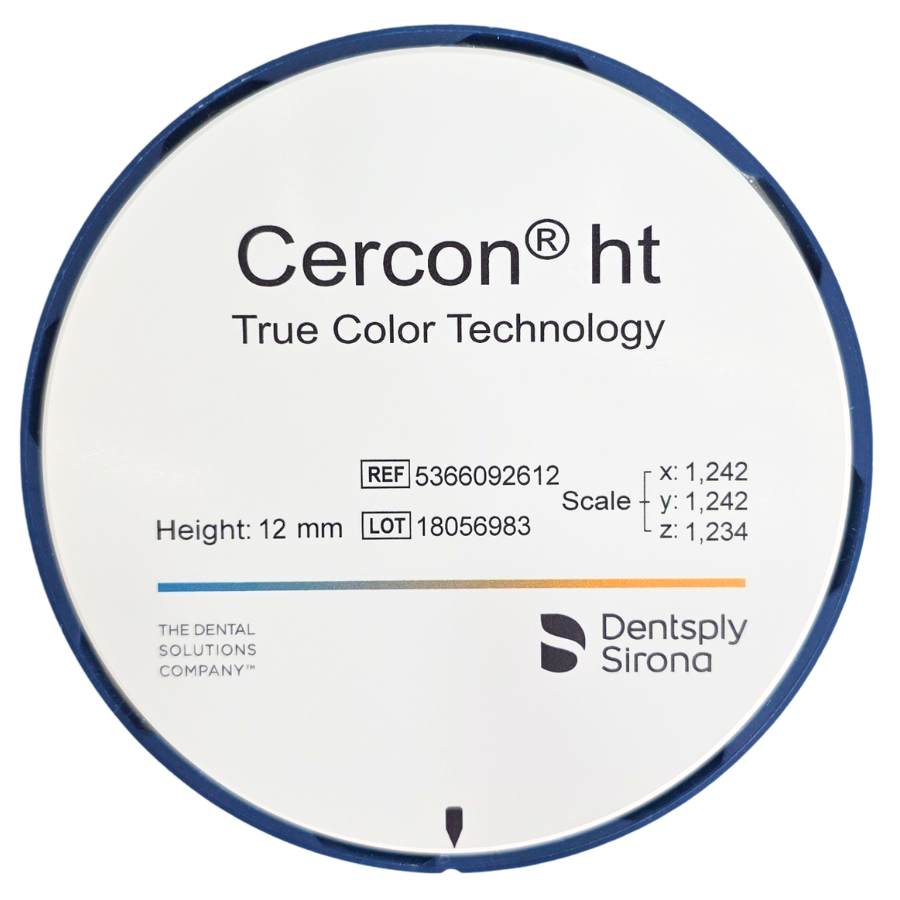
Crowns are selected from high-quality materials with clear origin and certified to meet dental safety standards.
The dental team at Smilux International Dental Clinic consists of highly experienced specialists in Oral and Maxillofacial Dentistry, with over 15 years of expertise in aesthetic restorative treatments, particularly dental crowns. With a strong professional foundation and extensive clinical experience from thousands of cases ranging from simple to complex, the dentists are capable of accurately assessing dental conditions, occlusion, and providing appropriate treatment indications tailored to each patient.


At Smilux International Dental Clinic, patients are given the opportunity to sign directly on the porcelain blank before the crown fabrication process begins, ensuring transparency and personalization in every dental crown case.
This step serves as a quality control measure, allowing patients to verify the selected porcelain material and minimizing potential errors during the restoration process.
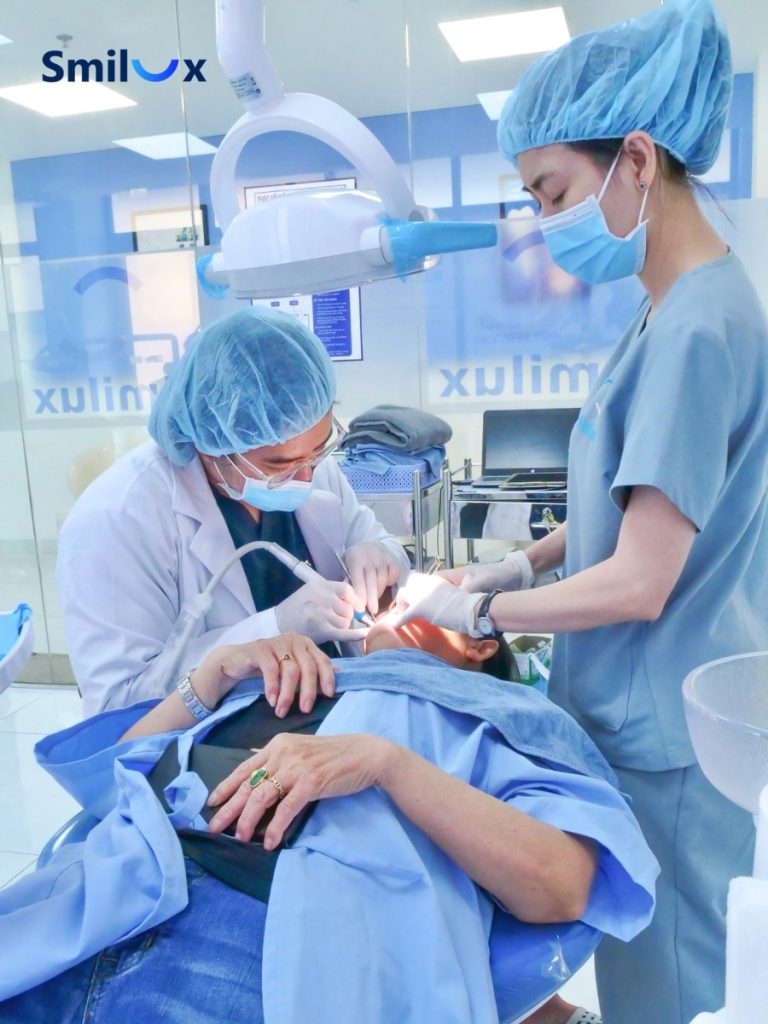
The entire dental crown procedure at Smilux Dental is performed by highly qualified dentists following standardized medical protocols, including the following steps:
Step 1: Examination and Consultation
The dentist performs a clinical examination combined with CT Cone Beam imaging to assess the condition of the teeth, pulp, and periodontal tissues. Based on the findings, appropriate indications for dental crowns and suitable material selection are determined.
Step 2: Oral Hygiene and Pre-treatment Management
Scaling is performed to remove calculus, control gingival inflammation, and treat any existing conditions such as dental caries or pulpitis (if present), ensuring a stable environment for restoration.
Step 3: Local Anesthesia and Tooth Preparation
Local anesthesia is administered, followed by conservative tooth preparation to create adequate space for the crown while preserving tooth structure and respecting the biological width.
Step 4: Impression Taking and Temporary Crown Placement
Accurate impressions are taken using conventional materials or digital scanning to fabricate the crown. A temporary crown is placed to protect the prepared tooth and maintain chewing function.
Step 5: Crown Try-in and Adjustment
The crown is evaluated for marginal fit, shade, and occlusion. Necessary adjustments are made to ensure optimal function and aesthetic harmony.
Step 6: Final Cementation and Completion
The crown is permanently cemented using dental adhesive materials. The dentist rechecks the occlusion and provides post-treatment care instructions.
Step 1: Examination and Consultation
The dentist performs a clinical examination combined with CT Cone Beam imaging to assess the condition of the teeth, pulp, and periodontal tissues. Based on the findings, appropriate indications for dental crowns and suitable material selection are determined.
Step 2: Oral Hygiene and Pre-treatment Management
Scaling is performed to remove calculus, control gingival inflammation, and treat any existing conditions such as dental caries or pulpitis (if present), ensuring a stable environment for restoration.
Step 3: Local Anesthesia and Tooth Preparation
Local anesthesia is administered, followed by conservative tooth preparation to create adequate space for the crown while preserving tooth structure and respecting the biological width.
Step 4: Impression Taking and Temporary Crown Placement
Accurate impressions are taken using conventional materials or digital scanning to fabricate the crown. A temporary crown is placed to protect the prepared tooth and maintain chewing function.
Step 5: Crown Try-in and Adjustment
The crown is evaluated for marginal fit, shade, and occlusion. Necessary adjustments are made to ensure optimal function and aesthetic harmony.
Step 6: Final Cementation and Completion
The crown is permanently cemented using dental adhesive materials. The dentist rechecks the occlusion and provides post-treatment care instructions.


CONTACT