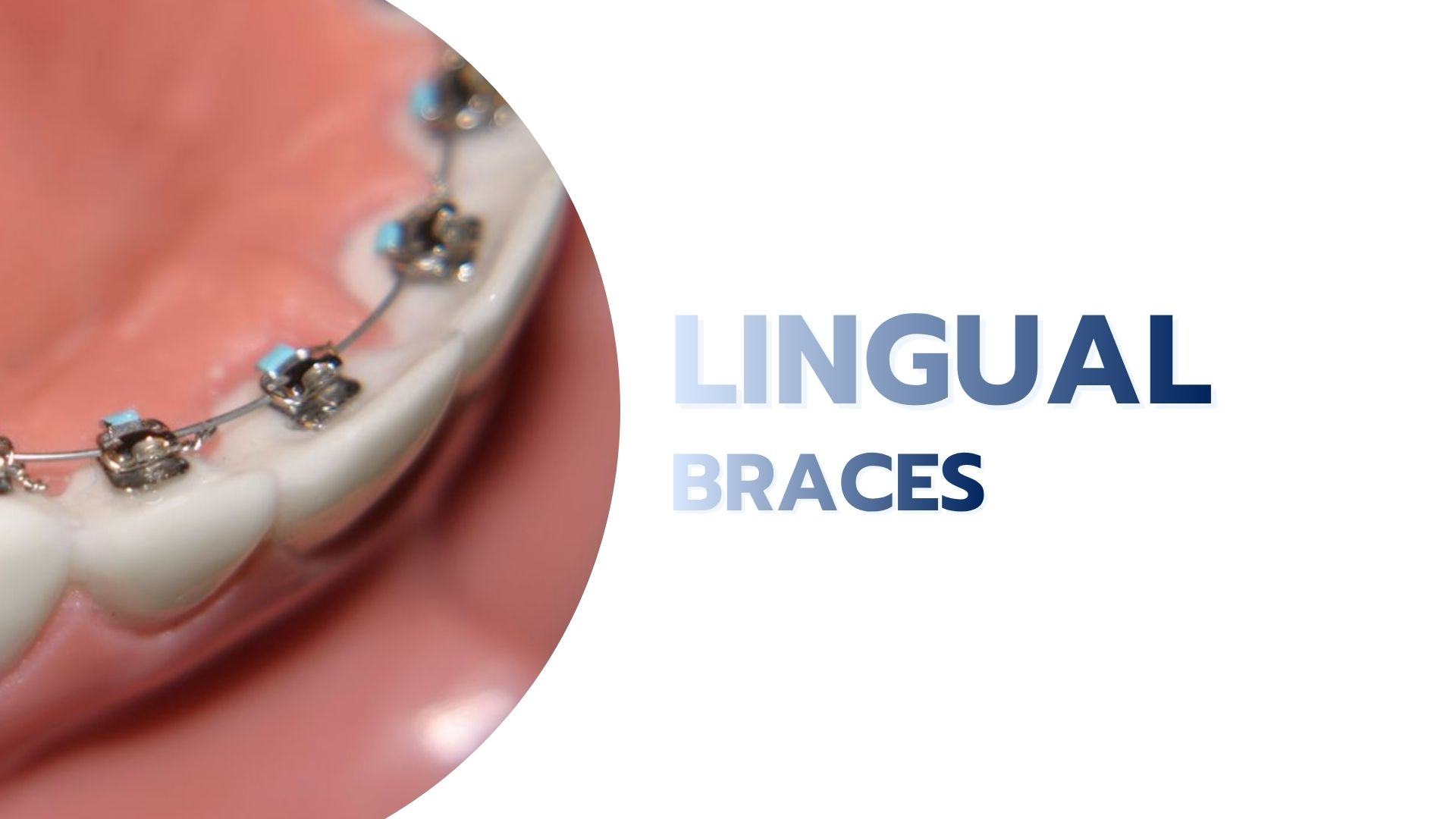
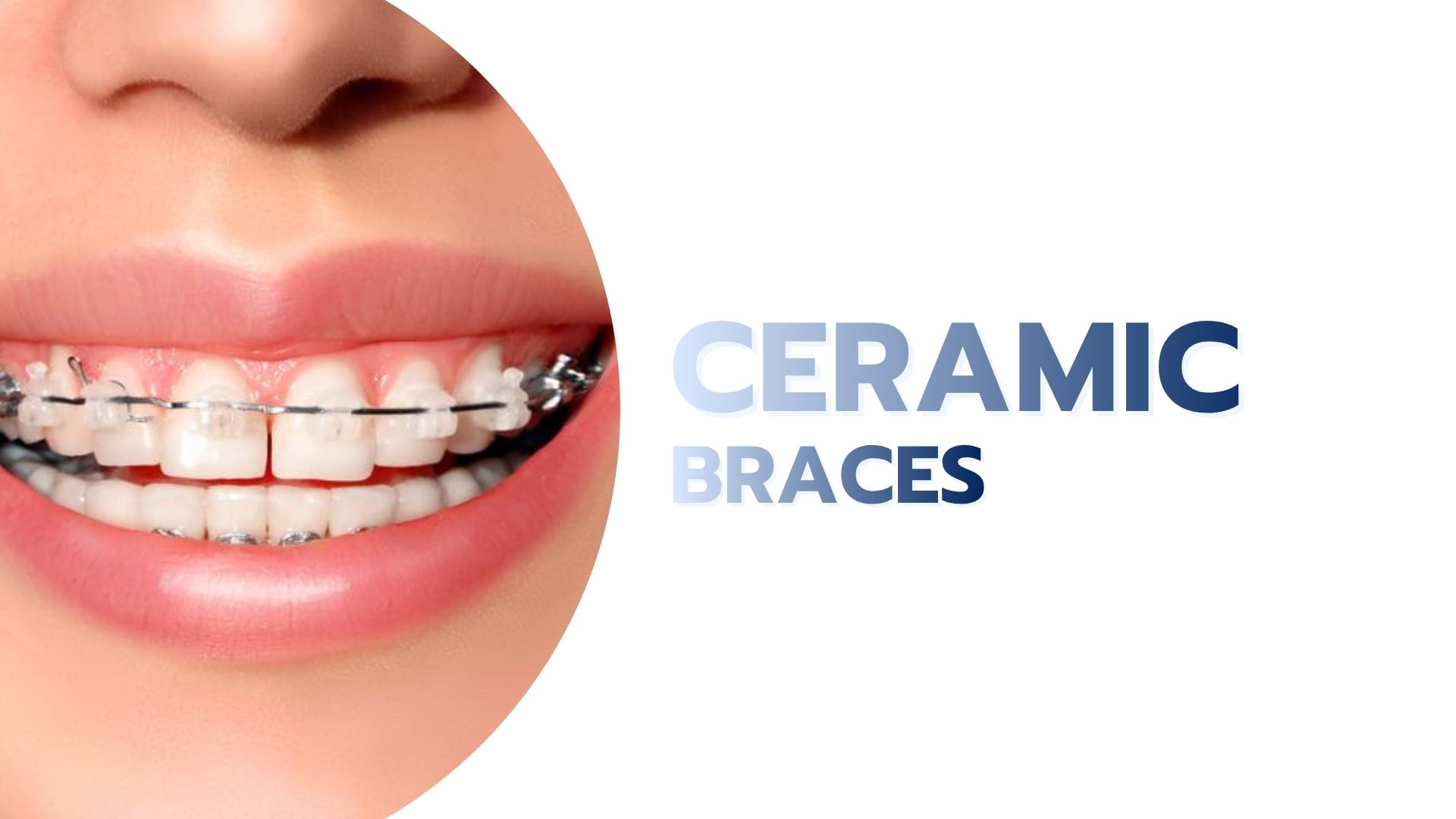
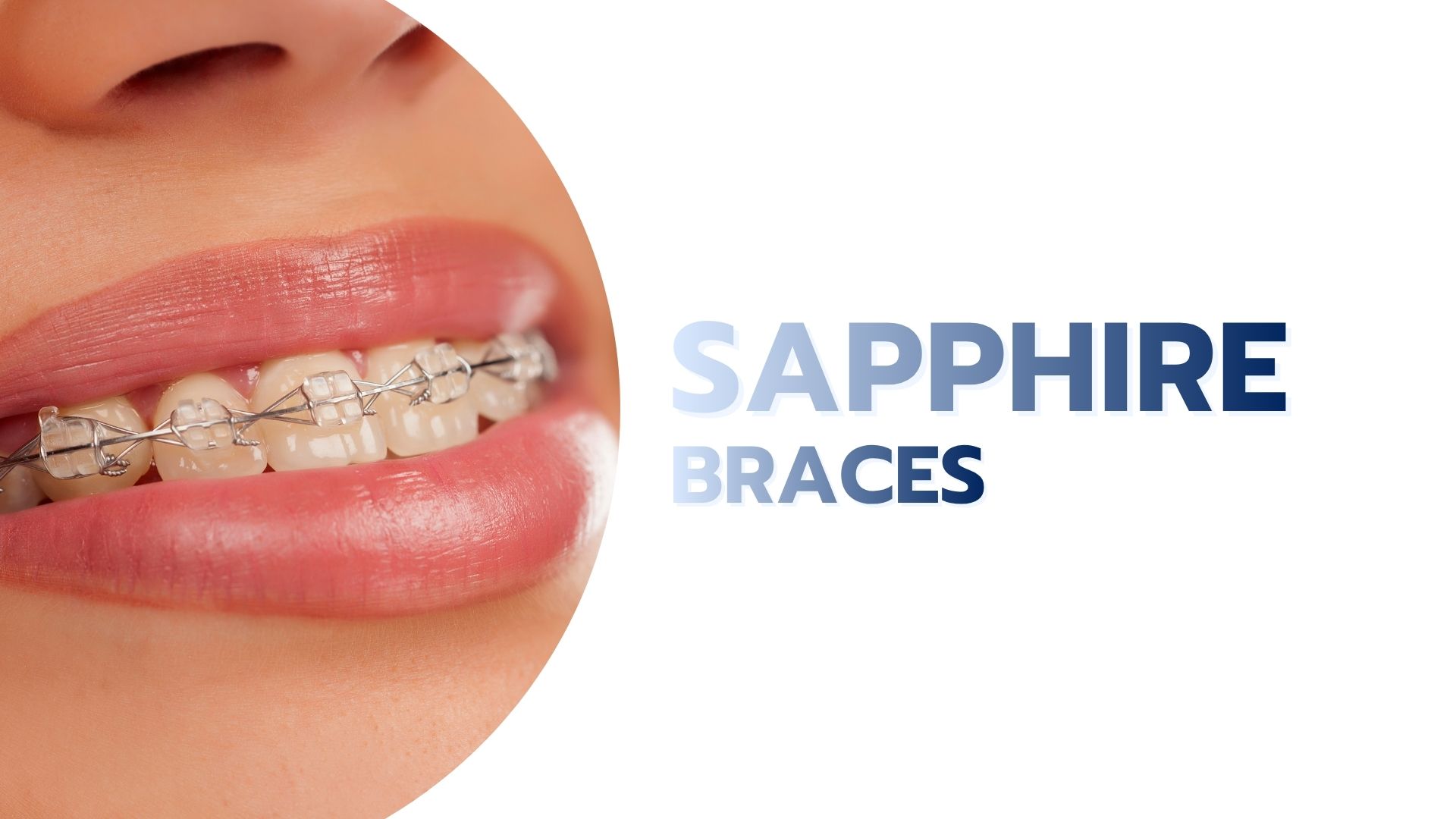
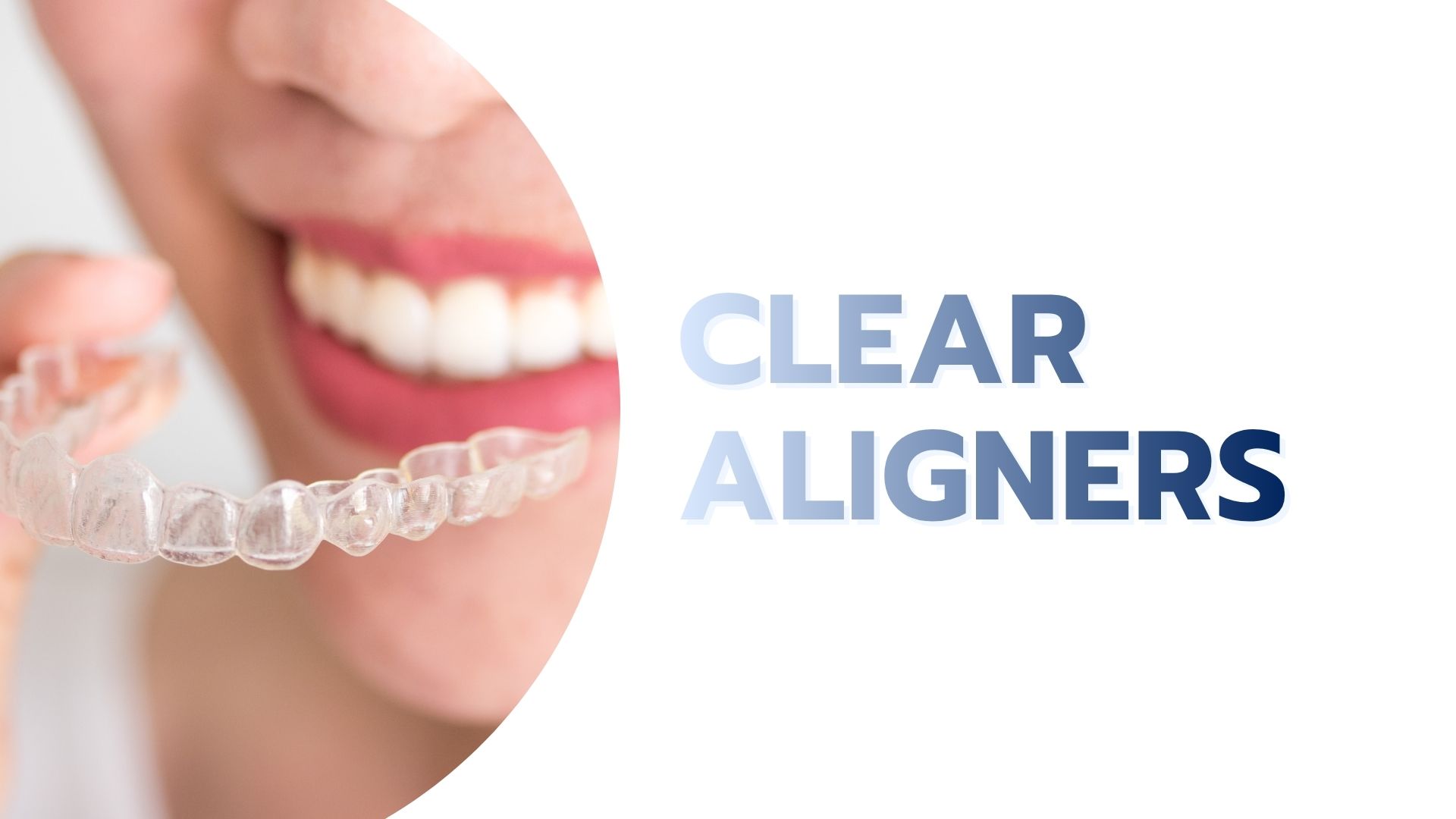
Orthodontics

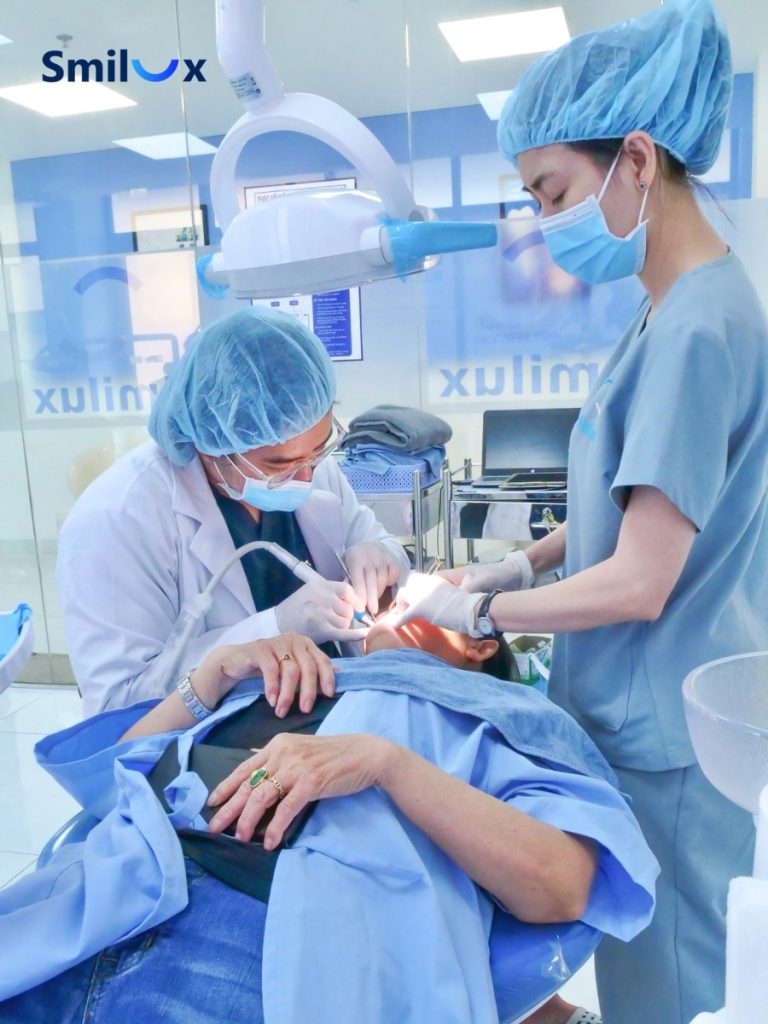
Orthodontics is a dental treatment method that corrects tooth position by applying a system of appliances to deliver continuous, controlled biological forces to the teeth and supporting jaw structures.

Under these forces, the teeth gradually move into their ideal positions along the dental arch, allowing for proper occlusion alignment and improvement of conditions such as misalignment, protrusion, underbite, or crowding.

ORTHODONTIC SERVICES AT SMILUX

WHO SHOULD UNDERGO ORTHODONTICS?

ai nên bọc răng sứ thẩm mỹ
mo hinh rang sai lech khop can 1

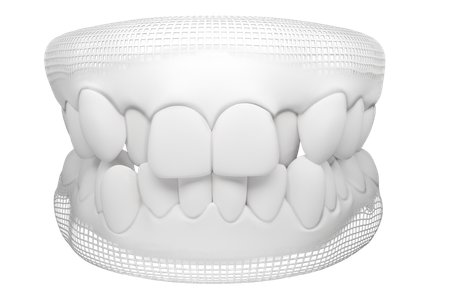
Crowded or Misaligned Teeth

This condition involves teeth that erupt out of alignment, rotate, or overlap due to insufficient space within the dental arch.
mô hình răng hô

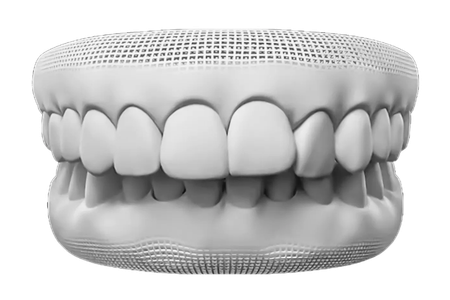
Protrusive Teeth (Overjet)

Tình trạng răng hàm trên đưa ra trước quá mức so với hàm dưới, làm mất cân đối khuôn mặt và ảnh hưởng đến chức năng ăn nhai.
mô hình răng bị khớp cắn ngược

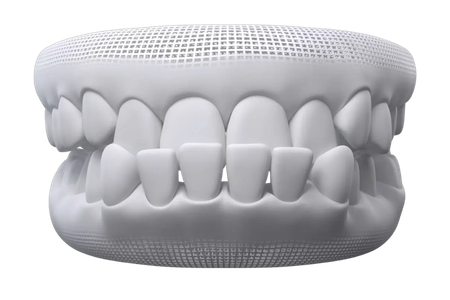
Underbite (Reverse Bite)

A condition in which the lower jaw is positioned forward relative to the upper jaw, resulting in an inverted maxillomandibular relationship.
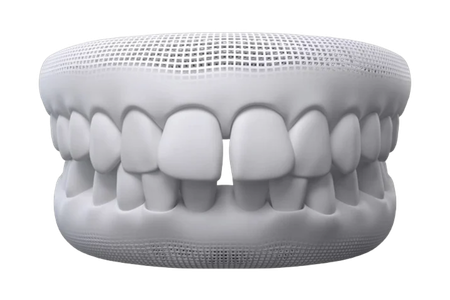
mo hinh rang bi thua

Spacing (Diastema)

A condition in which teeth are positioned with excessive gaps between them, resulting in spaces along the dental arch.
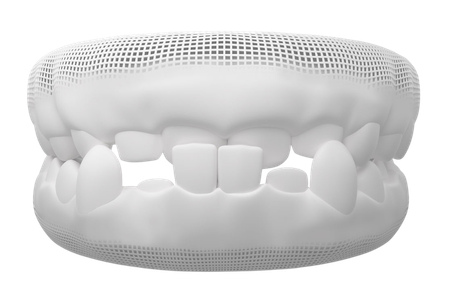
mo hinh rang sai khop can

Malocclusion

A misalignment in the relationship between the upper and lower jaws or between the teeth during occlusion, which may lead to impaired masticatory function, tooth wear, and temporomandibular joint disorders.
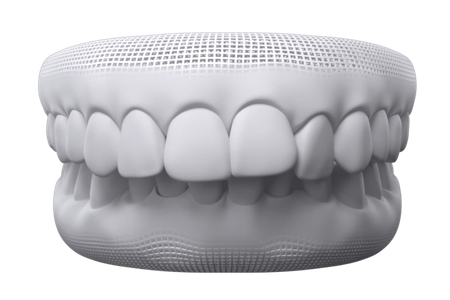
mô hình khớp cắn sâu

Deep Bite (Excessive Overbite)

A condition in which the upper anterior teeth excessively overlap the lower anterior teeth, typically covering more than two-thirds of the clinical crown height.

WHY SHOULD YOU CHOOSE ORTHODONTICS AT SMILUX DENTAL?

Highly Qualified Dental Team

We bring together a team of dentists with over 15 years of experience, who directly provide consultation and closely monitor patients throughout the entire course of treatment.

Advanced, Pain-Minimized Orthodontic Technology

The application of Biolight technology enables stable force control, reduces discomfort, shortens treatment time, and maximizes the preservation of dental tissues.

Personalized Treatment Planning

Each patient undergoes a thorough examination and occlusal analysis to develop an individualized treatment plan. This approach is suitable for both children and adults.

Modern Facilities and Advanced Equipment

State-of-the-art equipment supports accurate diagnosis and treatment, optimizing outcomes at every stage of orthodontic care.

Transparent Pricing

Clear cost quotation from the beginning with a comprehensive treatment package. No additional fees arise throughout the treatment process.

Treatment Outcome Commitment

A clearly defined treatment contract is provided to protect patient rights. Results are carefully monitored and followed until stability is achieved.

DENTAL TEAM
OVER 15 YEARS OF EXPERIENCE

The orthodontic team at Smilux International Dental Clinic has over 15 years of specialized experience in Orthodontics, successfully treating a wide range of cases from mild malocclusion to complex conditions.

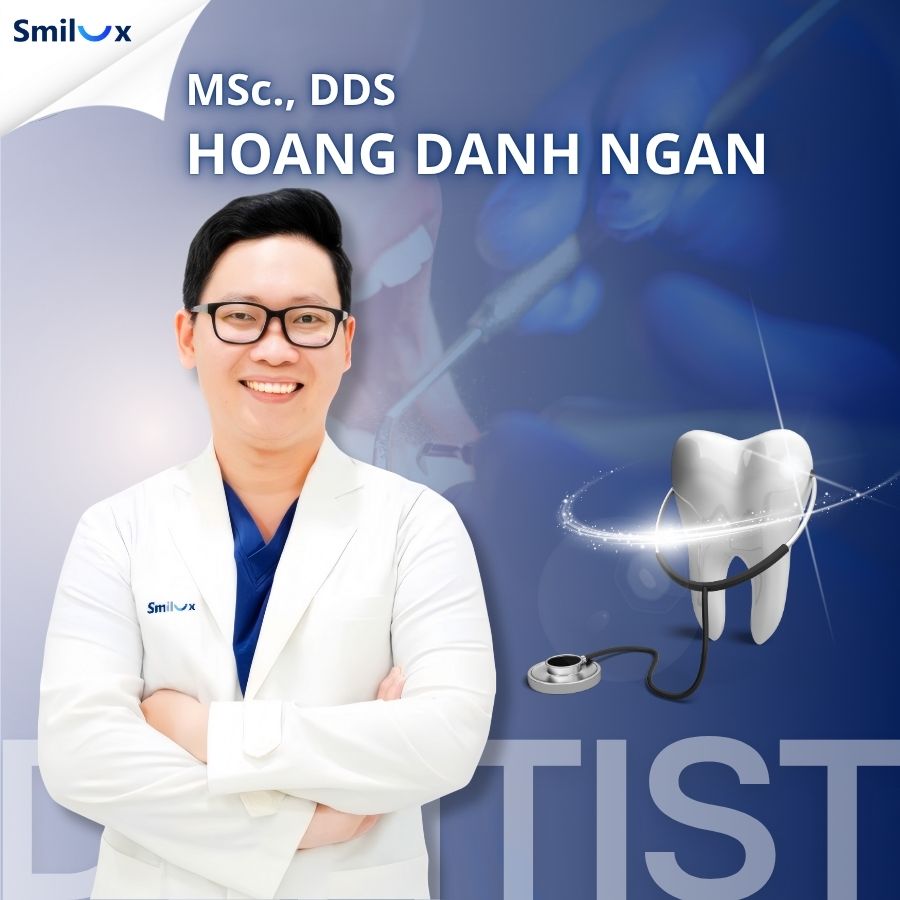
    DOCTOR: HOANG DANH NGAN

    MSc., DDS HOANG DANH NGAN
    (MSc., DDS)
    Specialty
    General Dentistry

    ADVANCED ORTHODONTIC TECHNOLOGY

    BioLight is a next-generation orthodontic technology that utilizes photobiomodulation combined with antibacterial silver ions (Ag+), helping stimulate tissue regeneration and support natural tooth movement.

    • Significantly reduced treatment time: BioLight applies biological light to stimulate bone remodeling and periodontal tissue regeneration, allowing teeth to move faster and more stably compared to conventional methods.
    • Reduced pain and sensitivity throughout treatment: Unlike traditional orthodontics that rely solely on mechanical force, BioLight helps dental tissues gradually adapt to orthodontic forces. This reduces pressure on the tooth roots and surrounding structures, minimizing discomfort, especially during force activation stages.
    • Lower risk of gingival inflammation and oral complications: The integration of Ag+ ions provides strong antibacterial properties, effectively controlling oral bacteria. This helps reduce the risk of gingivitis, bleeding gums, and halitosis.
    • More comfortable and adaptable orthodontic experience: By combining biological technology with optimized force control, BioLight delivers a lighter and more comfortable orthodontic experience. Patients can adapt more easily to appliances, with less irritation and discomfort.
    • Enhanced precision and treatment efficiency:
      BioLight not only supports biological processes but also improves the accuracy of tooth movement according to the treatment plan. This results in more stable occlusion, reduces deviations during treatment, and lowers the need for future adjustments.
    • Step 1: Examination and Diagnosis

    The dentist performs a comprehensive oral examination, combined with X-ray imaging and occlusal analysis. This data serves as the foundation for identifying the underlying causes of malocclusion and establishing an appropriate treatment direction.

    • Step 2: Pre-Orthodontic Treatment

    Oral conditions such as dental caries, gingivitis, or periodontitis are thoroughly treated before starting Orthodontics. In necessary cases, tooth extraction may be indicated to create space for proper tooth movement.

    • Step 3: Orthodontic Appliance Placement

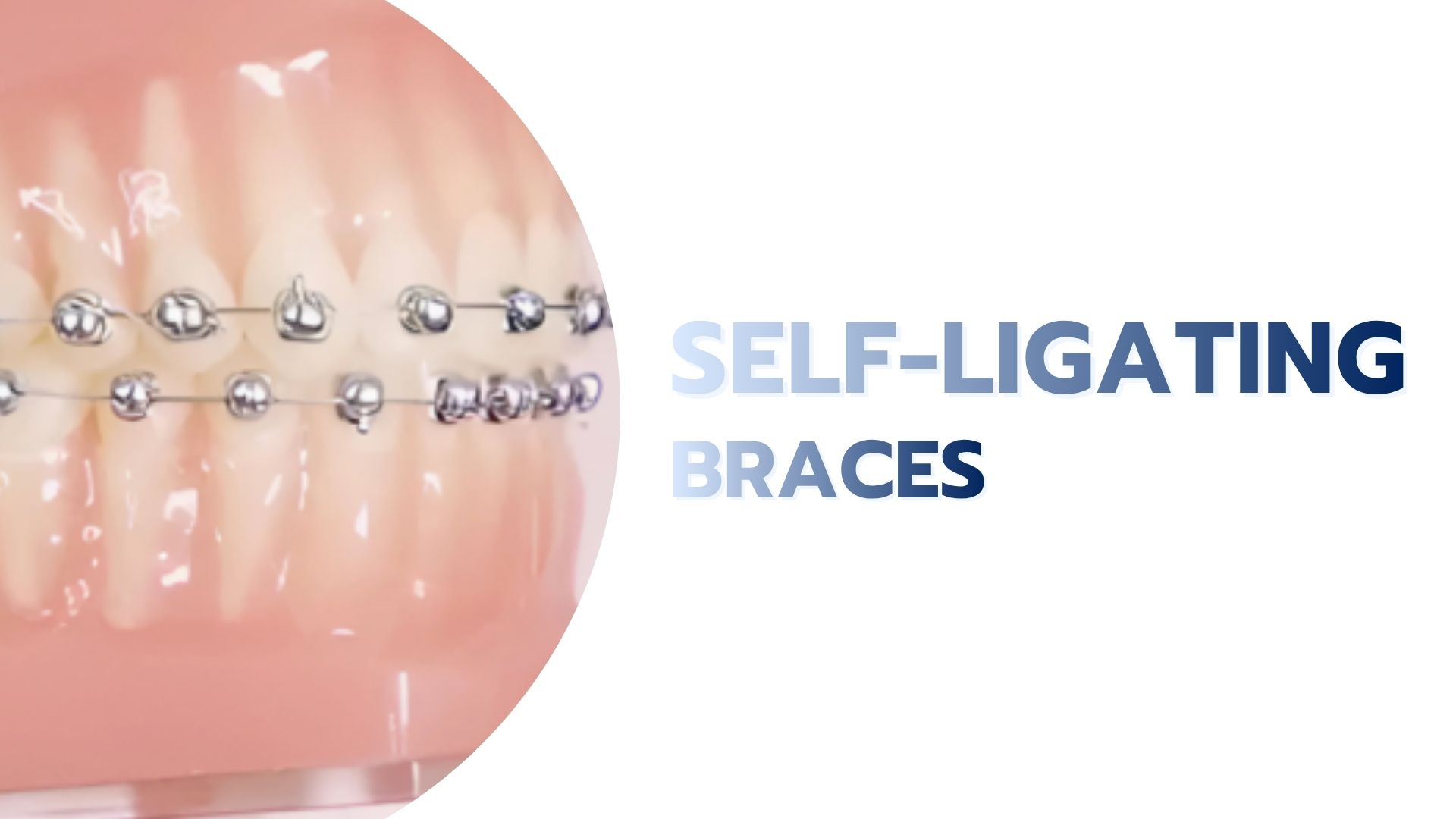
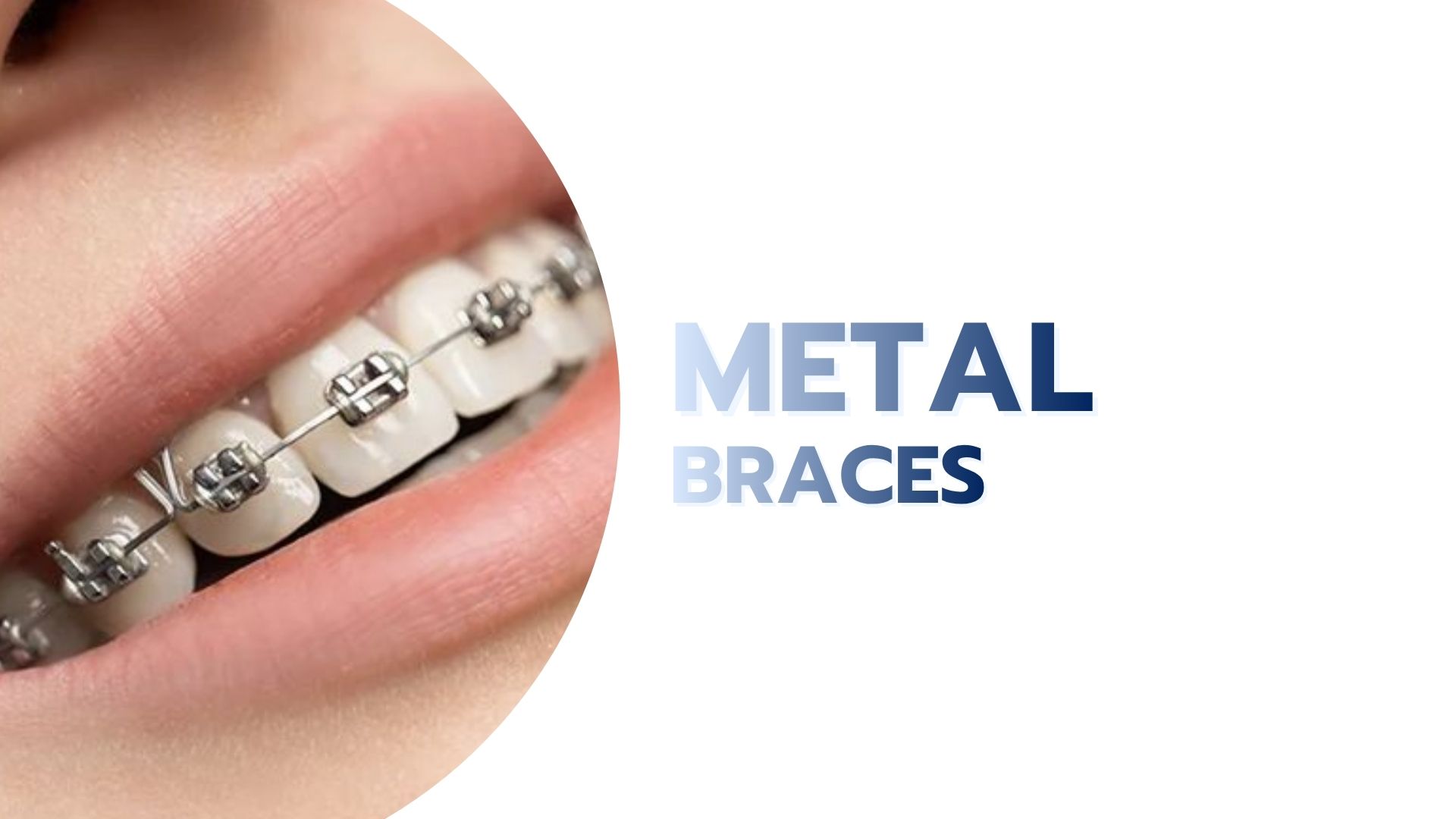
    The dentist takes dental impressions or performs digital scanning, followed by the placement of brackets or the design of clear aligners. A precise force system is established to control the direction of tooth movement.

    • Step 4: Treatment Progress Monitoring

    Patients attend regular follow-up visits for force adjustments, ensuring controlled tooth movement and proper alignment according to the treatment plan.

    • Step 5: Treatment Completion and Retention Phase

    After appliance removal, patients are instructed to wear retainers for an appropriate duration. This phase helps stabilize occlusion and prevent relapse of tooth movement.

    • Step 1: Examination and Diagnosis

    The dentist performs a comprehensive oral examination, combined with X-ray imaging and occlusal analysis. This data serves as the foundation for identifying the underlying causes of malocclusion and establishing an appropriate treatment direction.

    • Step 2: Pre-Orthodontic Treatment

    Oral conditions such as dental caries, gingivitis, or periodontitis are thoroughly treated before starting Orthodontics. In necessary cases, tooth extraction may be indicated to create space for proper tooth movement.

    • Step 3: Orthodontic Appliance Placement

    The dentist takes dental impressions or performs digital scanning, followed by the placement of brackets or the design of clear aligners. A precise force system is established to control the direction of tooth movement.

    • Step 4: Treatment Progress Monitoring

    Patients attend regular follow-up visits for force adjustments, ensuring controlled tooth movement and proper alignment according to the treatment plan.

    • Step 5: Treatment Completion and Retention Phase

    After appliance removal, patients are instructed to wear retainers for an appropriate duration. This phase helps stabilize occlusion and prevent relapse of tooth movement.

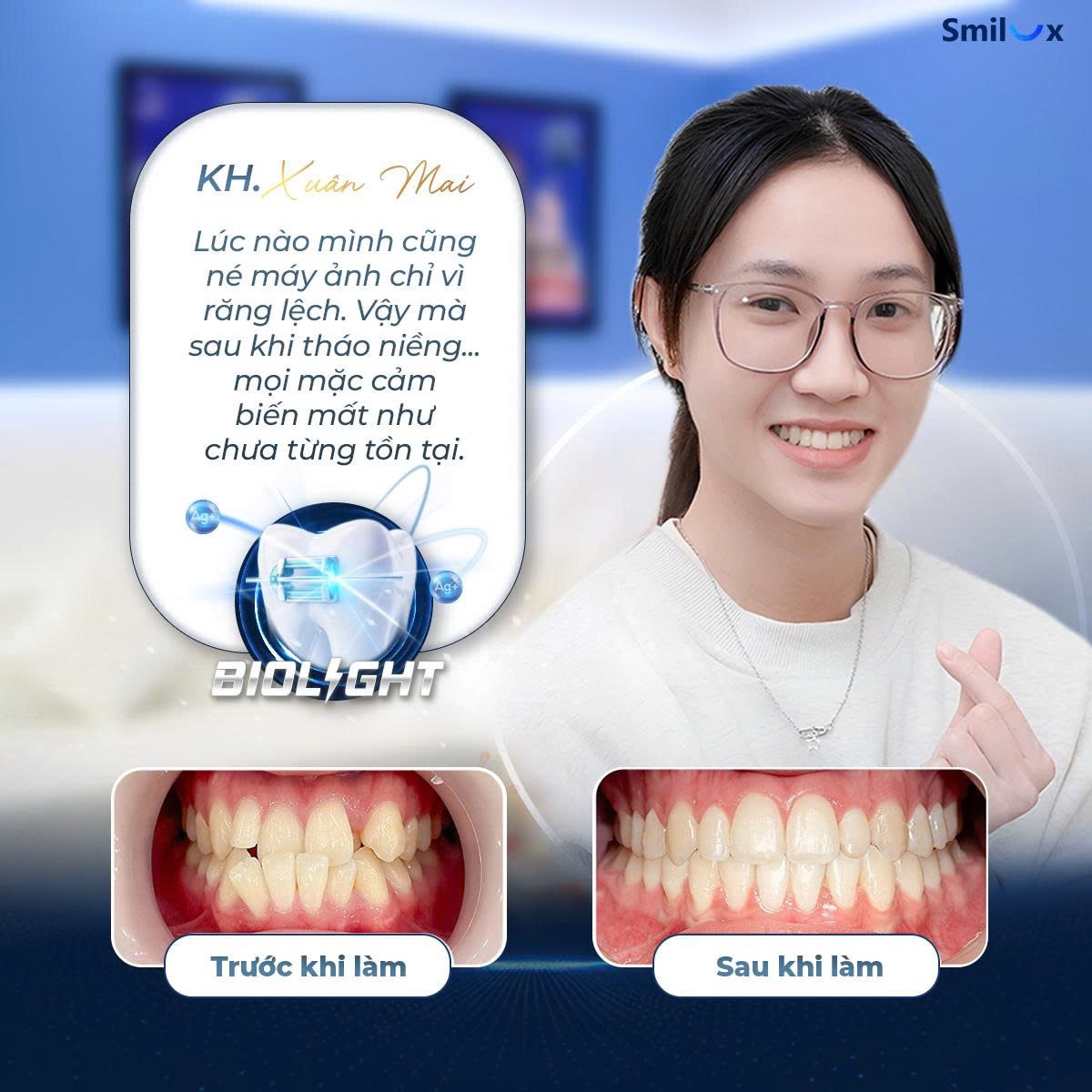
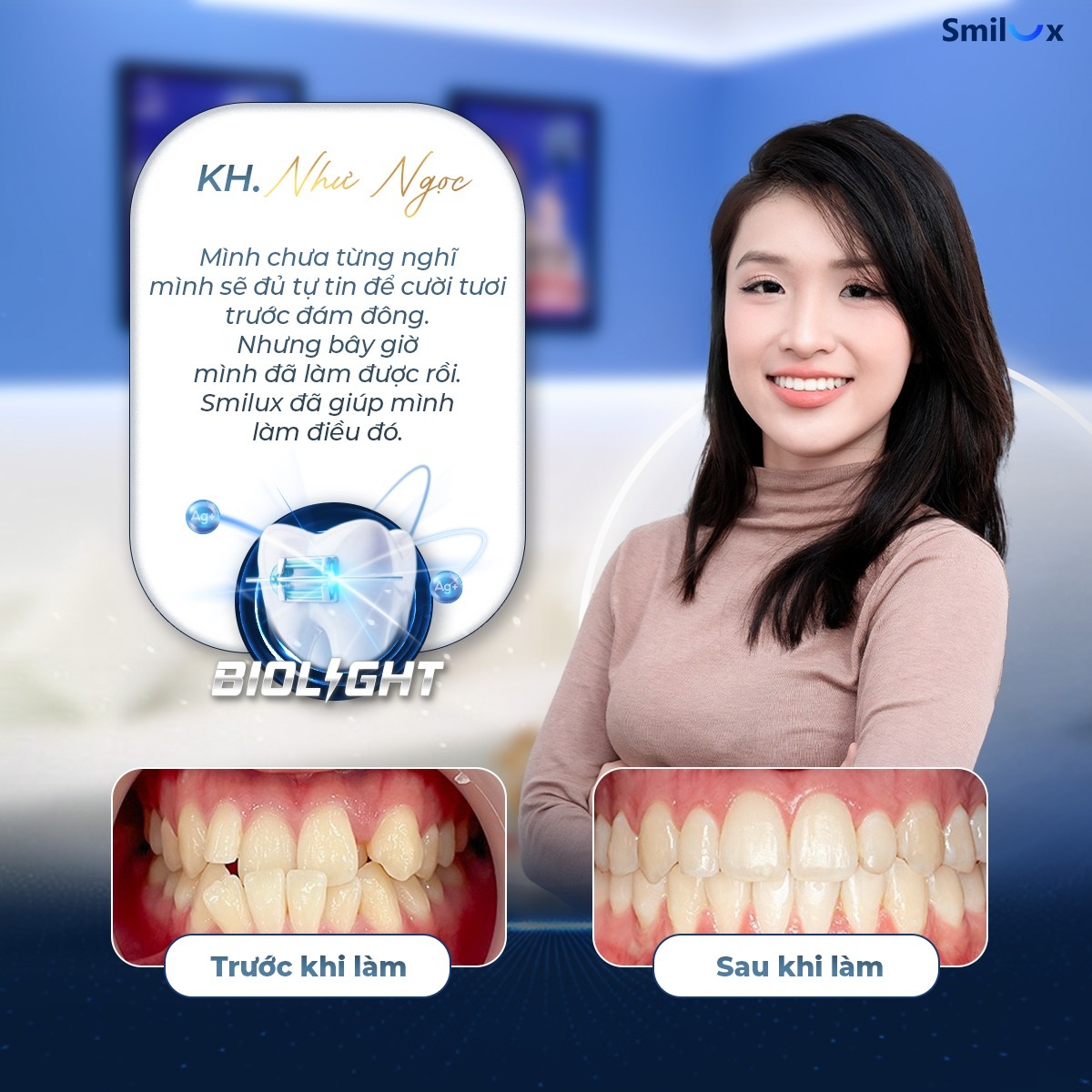
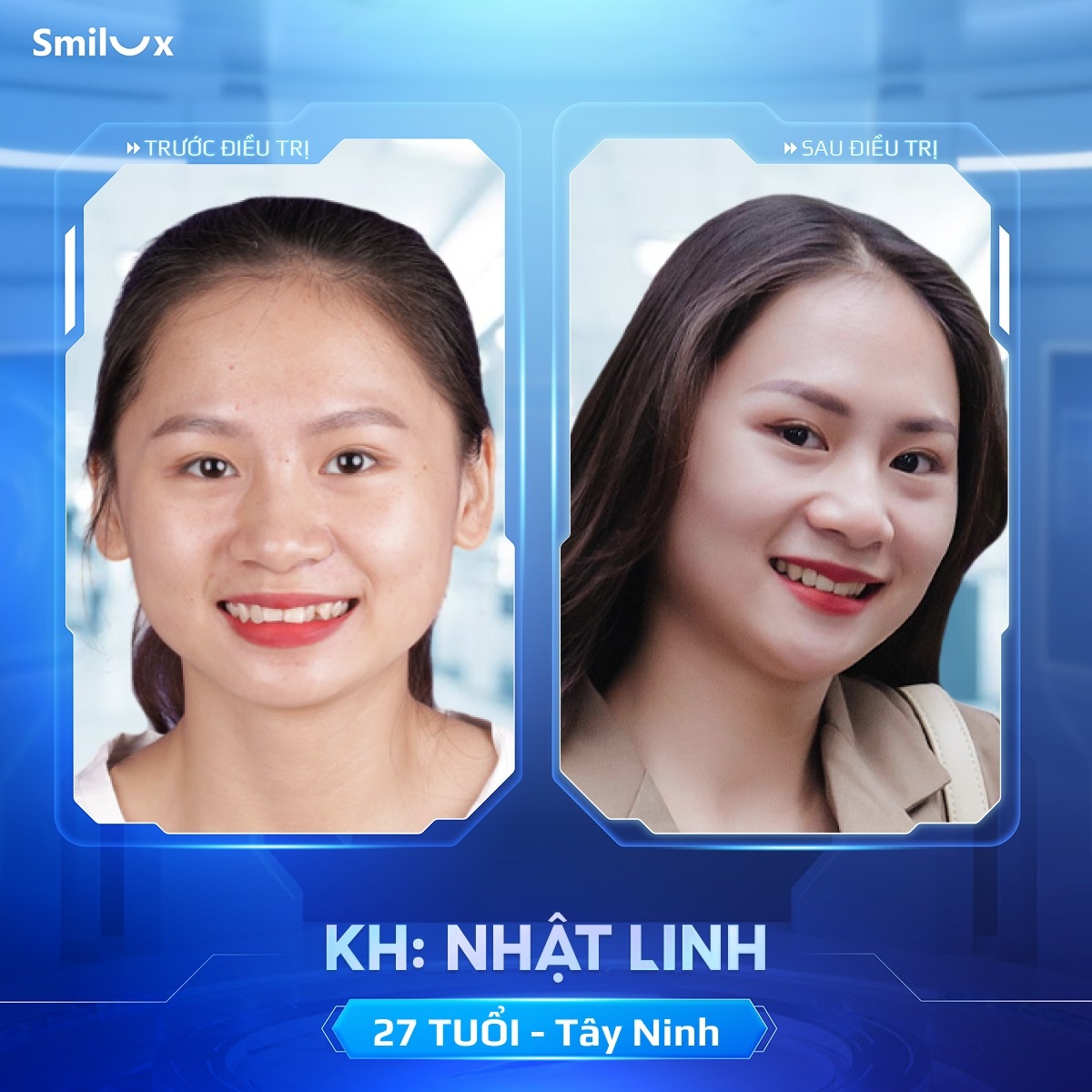
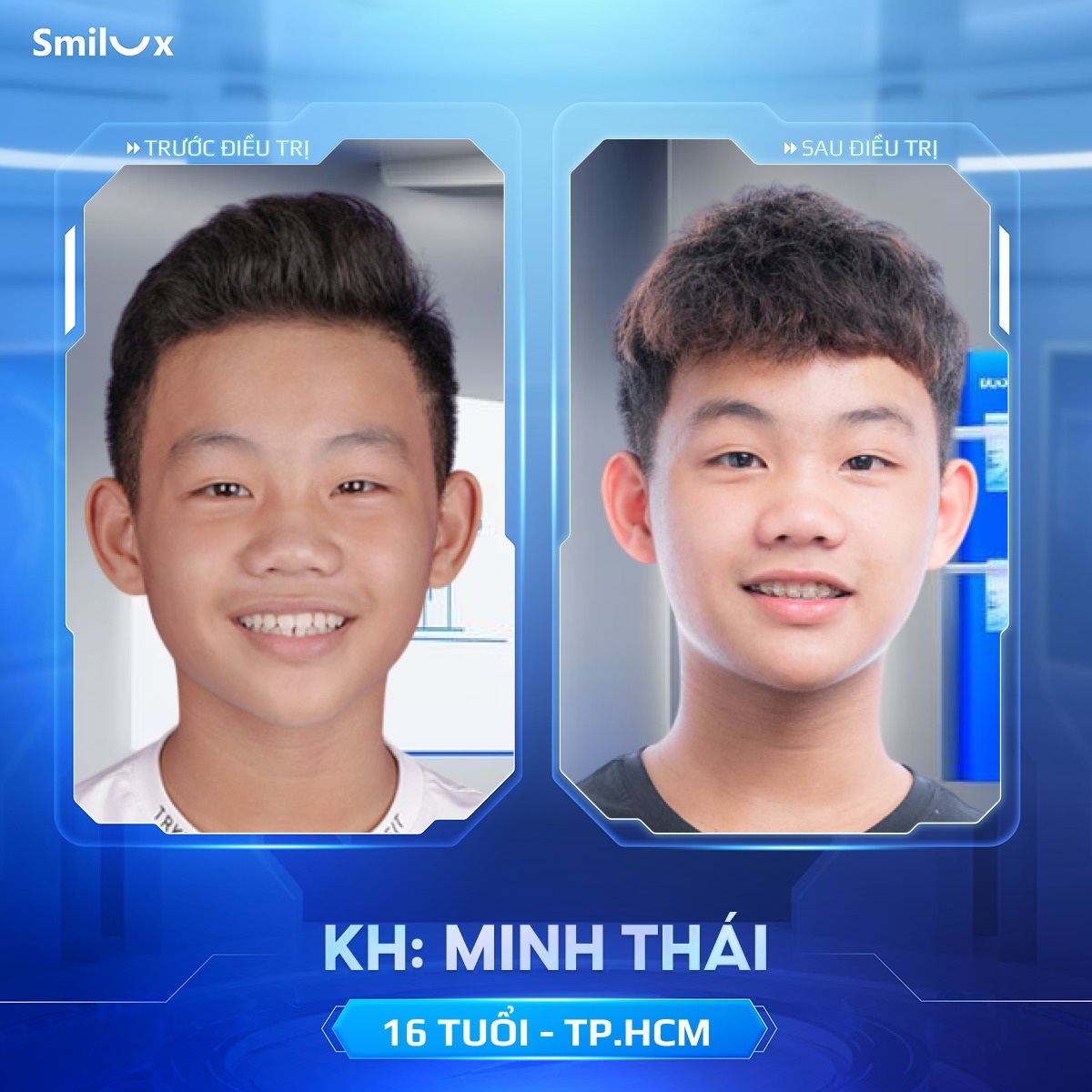
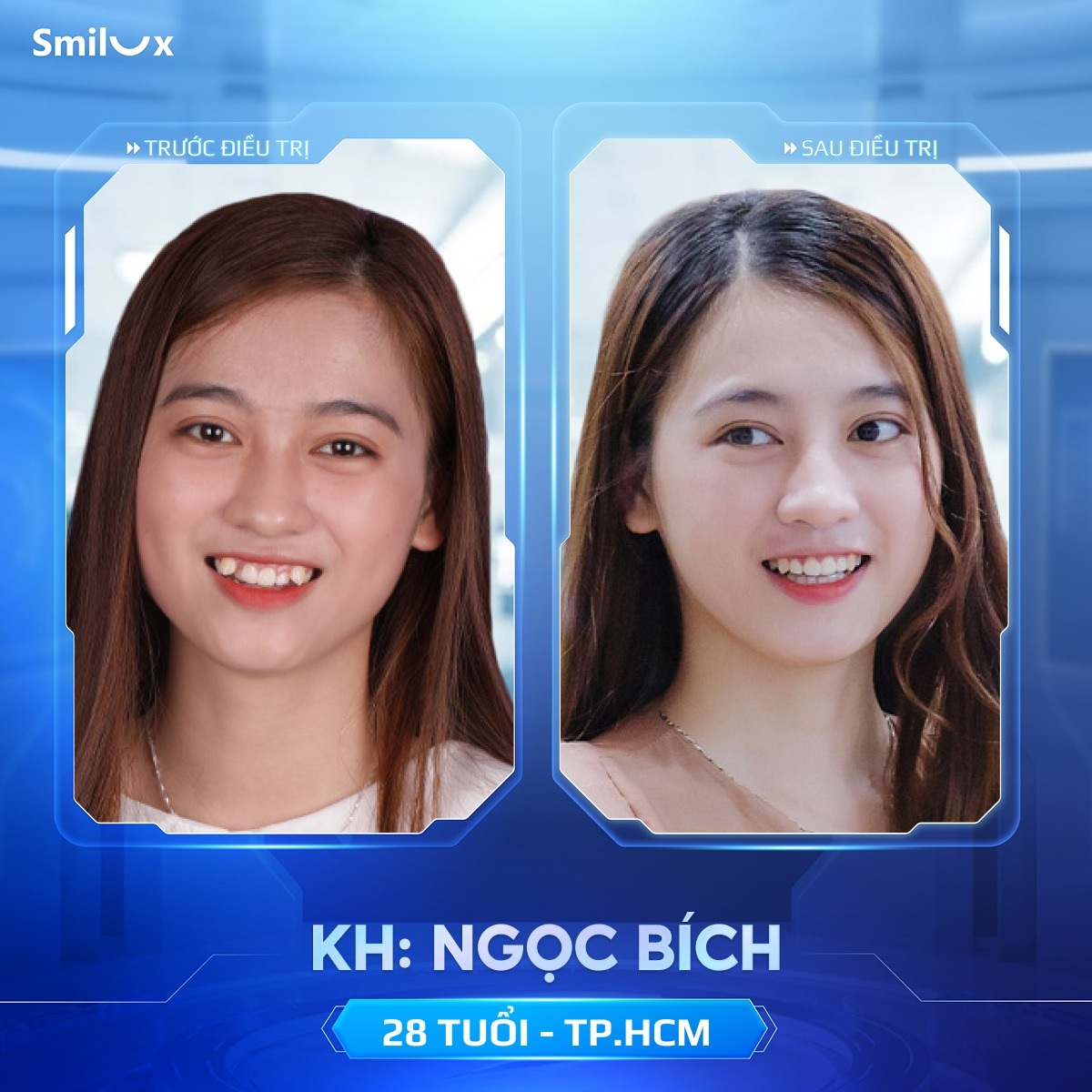
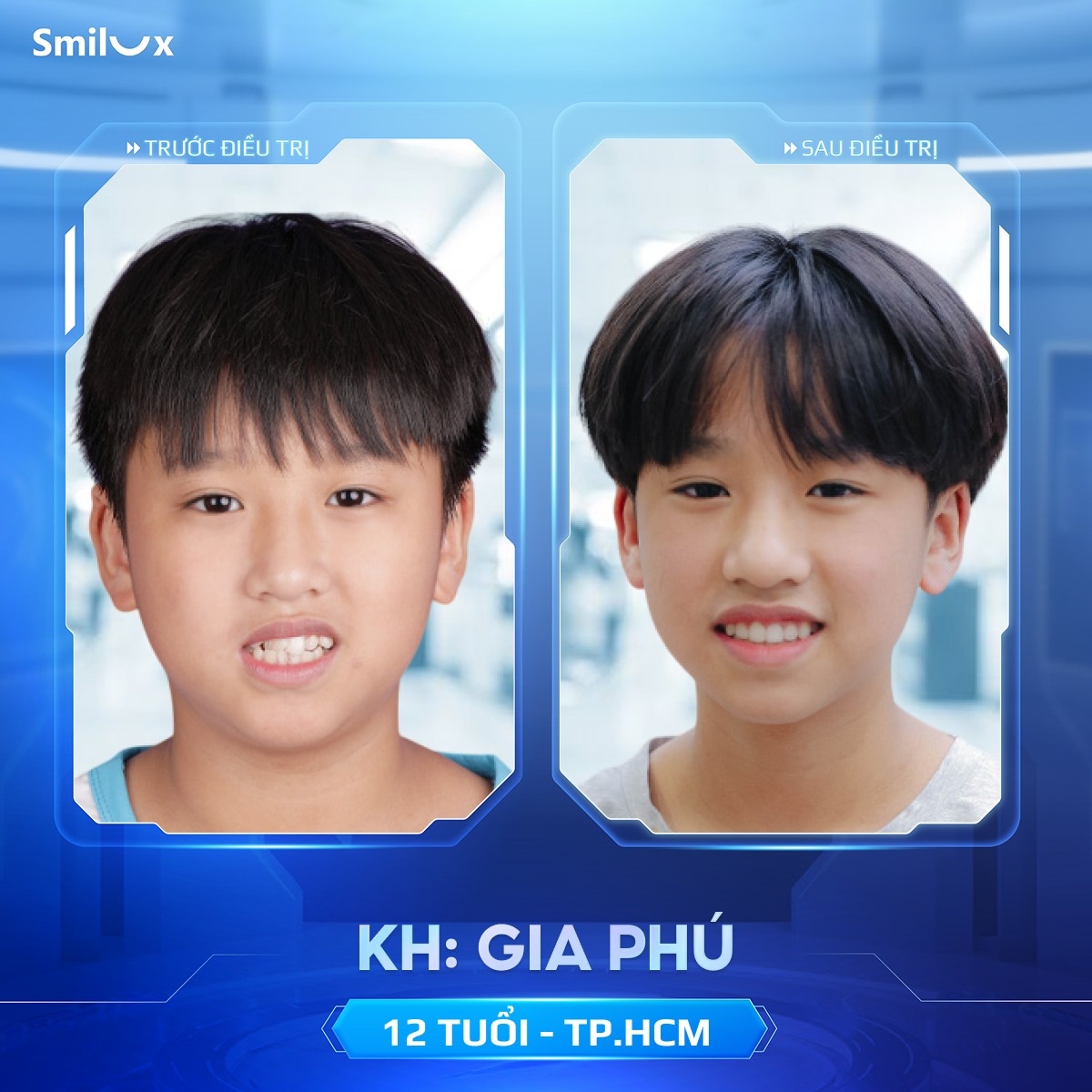
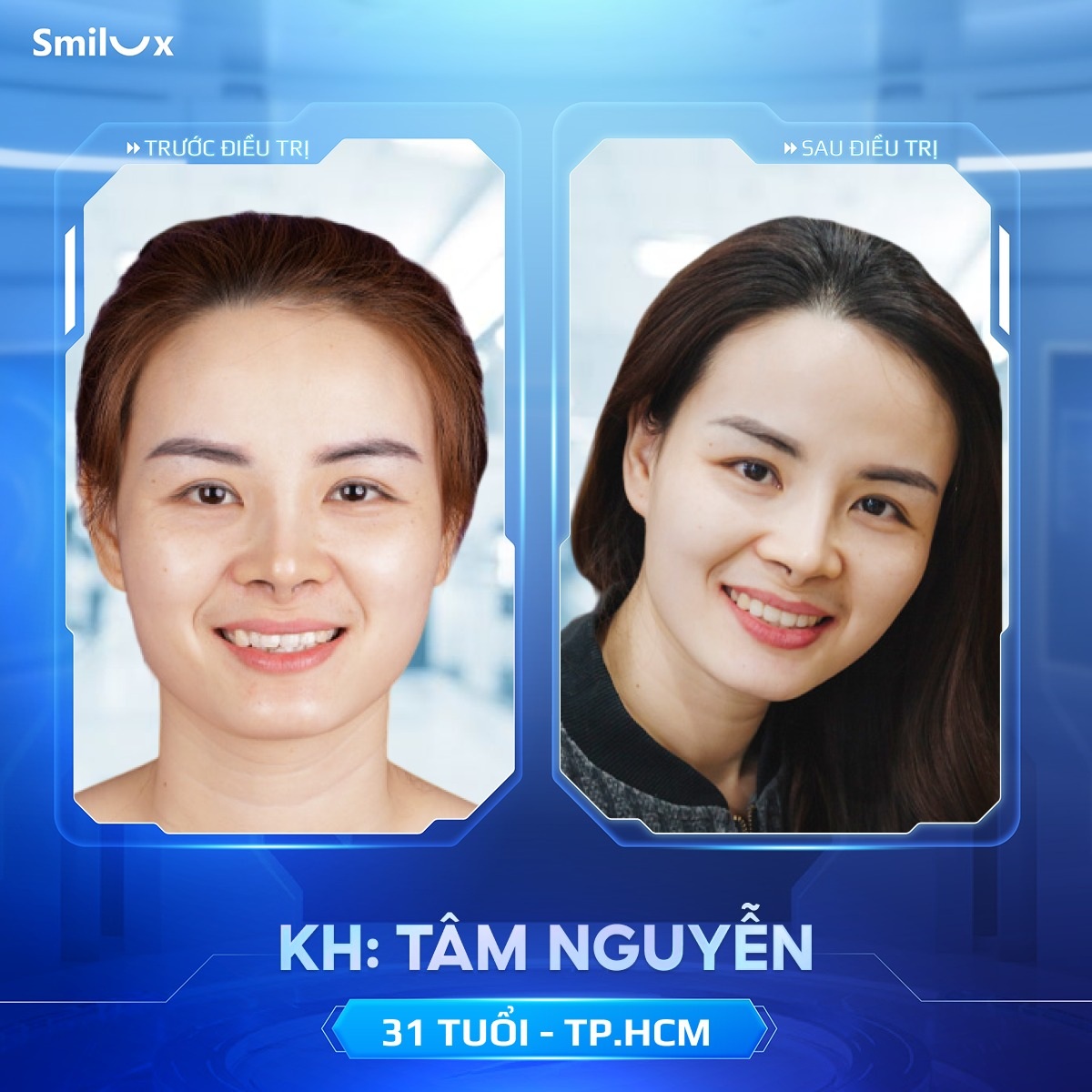
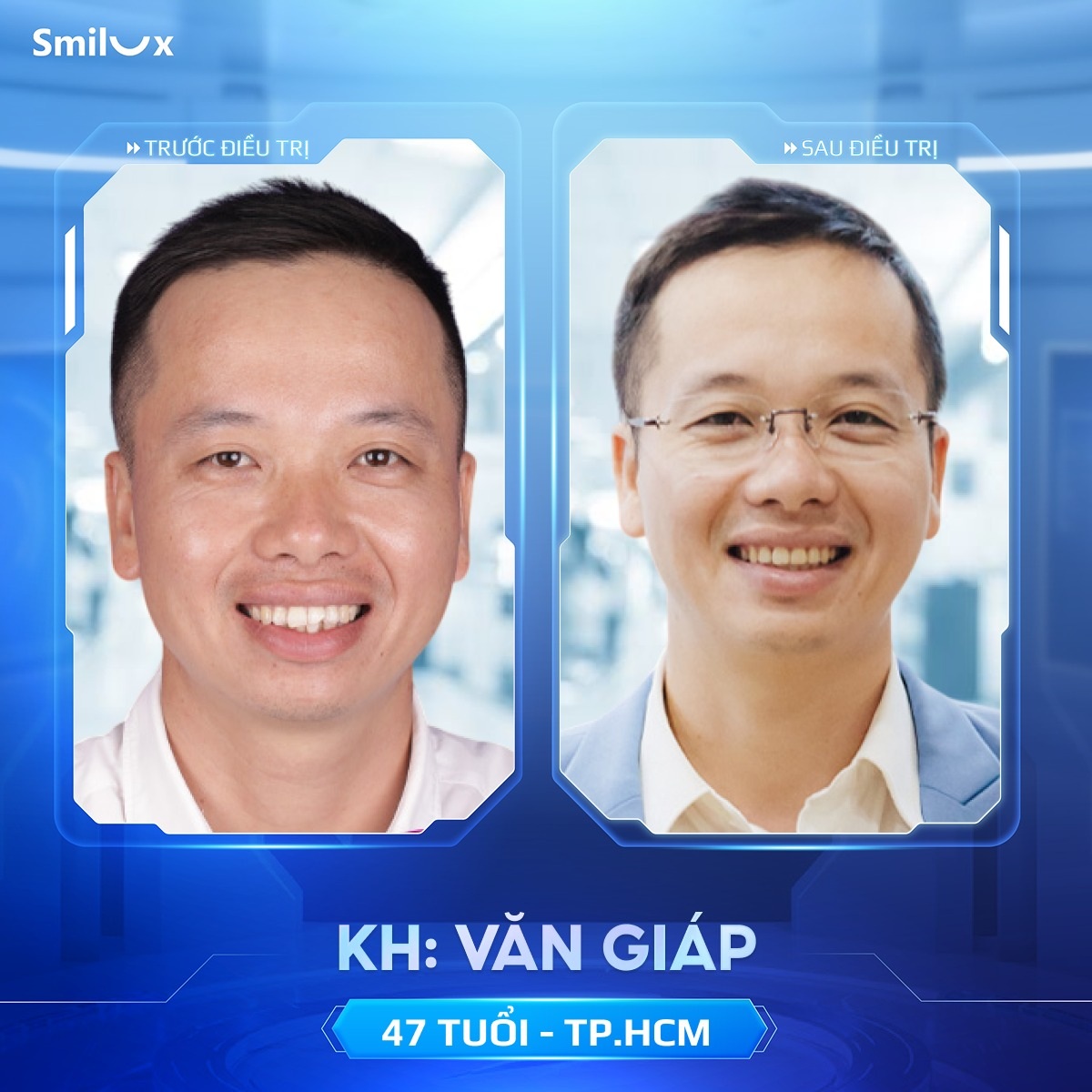
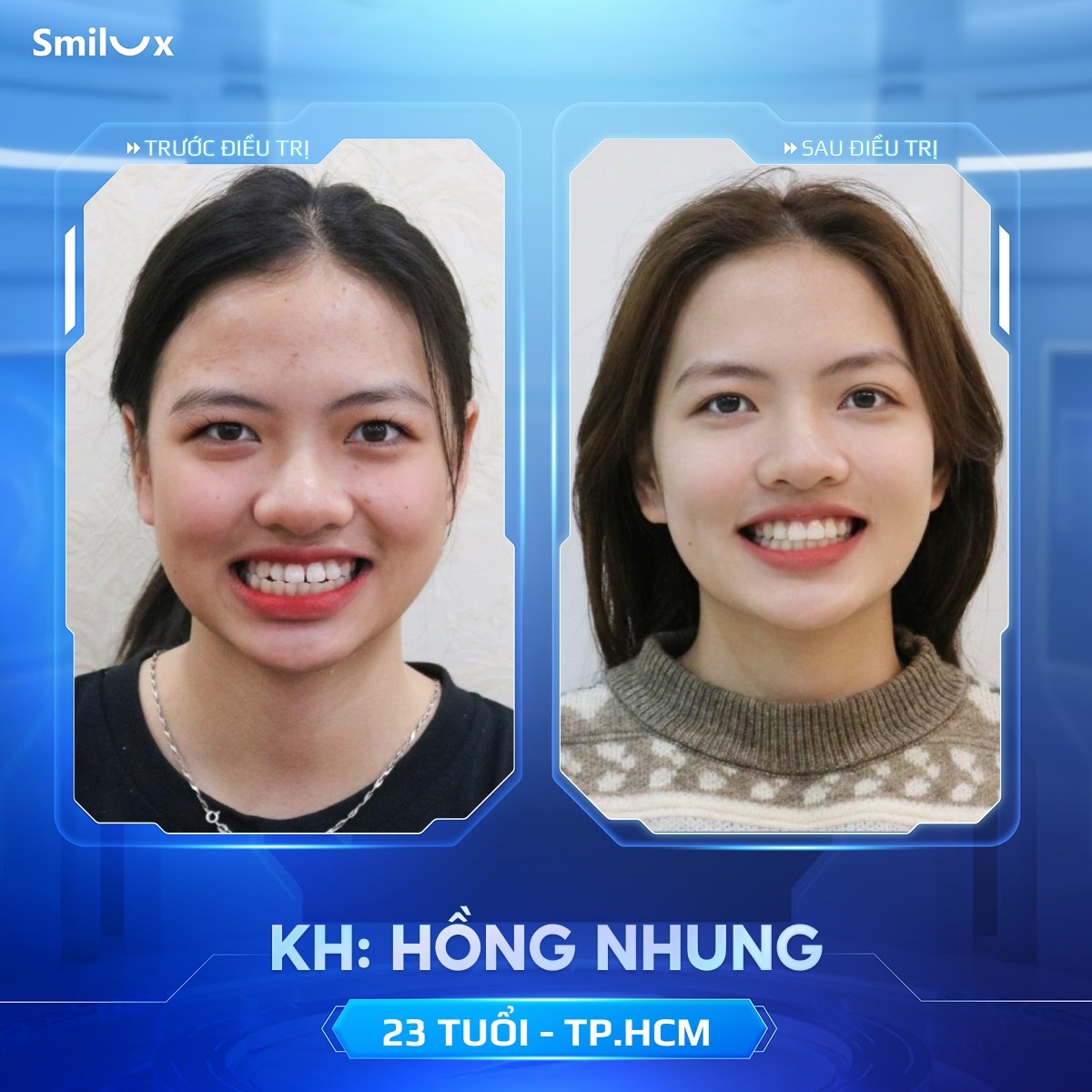
    REAL PATIENTS

    ADVICE BEFORE AND AFTER ORTHODONTICS

    Before Treatment

    • You should choose a reputable dental clinic with experienced dentists in Oral and Maxillofacial specialties to ensure accurate diagnosis and effective control throughout the orthodontic process.
    • Avoid selecting an orthodontic method based on personal preference. Instead, clearly discuss your aesthetic expectations and current dental condition with your dentist. The dentist will recommend the most appropriate appliance to optimize treatment time and outcomes.
    • Before starting treatment, it is important to understand the goals of Orthodontics, including achieving proper occlusion, correct tooth alignment, and functional mastication. This helps you actively monitor progress and cooperate effectively throughout the treatment process.

    After Treatment

    • Patients should avoid hard or chewy foods, as they can dislodge brackets and interfere with force application and treatment progress.
    • Maintain thorough oral hygiene by brushing at least twice daily, combined with dental floss and mouthwash.
    • Eliminate harmful habits such as biting hard objects, thumb sucking, tongue thrusting, or lip biting, as these can disrupt tooth movement and affect orthodontic outcomes.
    • After appliance removal, retainers must be worn as instructed, along with regular follow-up visits.
    • If additional aesthetic enhancement is desired, patients may consult with their dentist about options such as teeth whitening, porcelain veneers, or restorative treatments.

    FAQs

    Does Orthodontics Cause Bad Breath?

    Orthodontics may lead to bad breath; however, the primary cause is improper oral hygiene. Food debris trapped around brackets and archwires can form plaque, allowing bacteria to proliferate and produce unpleasant odors.
    With BioLight orthodontic technology, antibacterial silver ions (Ag+) provide strong antimicrobial effects, helping reduce the risk of gingival inflammation and control odor-causing bacteria. As a result, the oral environment is better maintained, contributing to fresher breath throughout the orthodontic process.

    Can You Use an Electric Toothbrush During Orthodontics?

    Patients undergoing Orthodontics can and are encouraged to use an electric toothbrush. The oscillating or sonic mechanism helps remove plaque and food debris around brackets more effectively than a manual toothbrush. With improved cleaning efficiency, electric toothbrushes help reduce the risk of gingivitis and dental caries throughout the orthodontic treatment process.

    Is Orthodontic Treatment Permanent?

    Orthodontic results can be long-lasting if patients strictly follow the dentist’s instructions, especially wearing retainers after appliance removal. After Orthodontics, teeth still have a natural tendency to shift back toward their original positions. Therefore, proper post-treatment care and regular monitoring play a crucial role in maintaining long-term stability and results.

    Can Orthodontics Change Your Facial Appearance?

    Orthodontics can influence facial appearance in a more harmonious direction. When teeth are properly aligned and occlusion is corrected, the overall facial profile becomes more balanced and refined. These changes are often observed in the reduction of protrusion or underbite, less prominent lips, a more defined chin, and an improved facial profile.

    Can You Undergo Orthodontics During Pregnancy?

    Pregnant patients can still undergo Orthodontics, particularly with clear aligner therapy, as orthodontic treatment primarily affects the teeth and supporting jaw structures without directly impacting the fetus. However, a thorough examination and close monitoring by the dentist are essential throughout the treatment process to ensure safety, especially during sensitive stages of pregnancy.
    This site is registered on wpml.org as a development site. Switch to a production site key to remove this banner.