All-on-4 dental implants restore full arches with strong function, high esthetics, and chewing ability similar to natural teeth. Learn more about costs and the treatment process at Smilux.


Periodontal disease leading to early tooth loss is a common condition. Once teeth are lost, many patients begin seeking dental implants to restore chewing function and aesthetics.
However, many patients still wonder, “Can I get implants with gum disease?”, and whether the procedure is truly safe. In the article below, Smilux Dental will provide a detailed explanation of this issue.

Before answering the question “Can I get implants with gum disease?”, Smilux Dental will first provide a general overview of periodontal disease.
Periodontal disease is a progressive gum infection that directly affects the soft tissues and the supporting bone around the teeth. It typically develops from untreated gingivitis caused by plaque buildup and bacterial accumulation over time.
In the early stages, patients may notice symptoms such as bleeding gums when brushing, redness, swelling, or persistent bad breath. As the condition progresses, the gums begin to recede, exposing the tooth roots and making the teeth more sensitive and noticeably loose.
If left untreated, periodontal disease gradually destroys the jawbone structure, leading to bone loss and eventually permanent tooth loss. This is also a common reason why many people lose teeth even without tooth decay.
Periodontal disease not only affects aesthetics and chewing function but also serves as a warning sign of deteriorating oral health, requiring prompt examination and appropriate treatment.

Given the serious consequences of periodontal disease, many patients are concerned about whether they can still receive dental implants.
Addressing this concern, dentists at Smilux Dental explain:
“Patients with periodontal disease can still undergo dental implant placement. However, it is essential to control and stabilize the infection before the procedure. This ensures that the jawbone is healthy enough, reduces the risk of implant failure, and improves the success rate of osseointegration.”
Depending on the severity of periodontal disease, the level of bone loss, and the number of missing teeth, the dentist will recommend an appropriate treatment approach:

Typically, after about 1–2 weeks of treatment, once the gums have stabilized and there are no signs of inflammation such as swelling, bleeding, or pain, the dentist can begin planning the implant procedure step by step.
However, in cases of severe periodontal disease or significant bone loss, the waiting period may be longer to ensure optimal conditions for safe and successful implant placement.


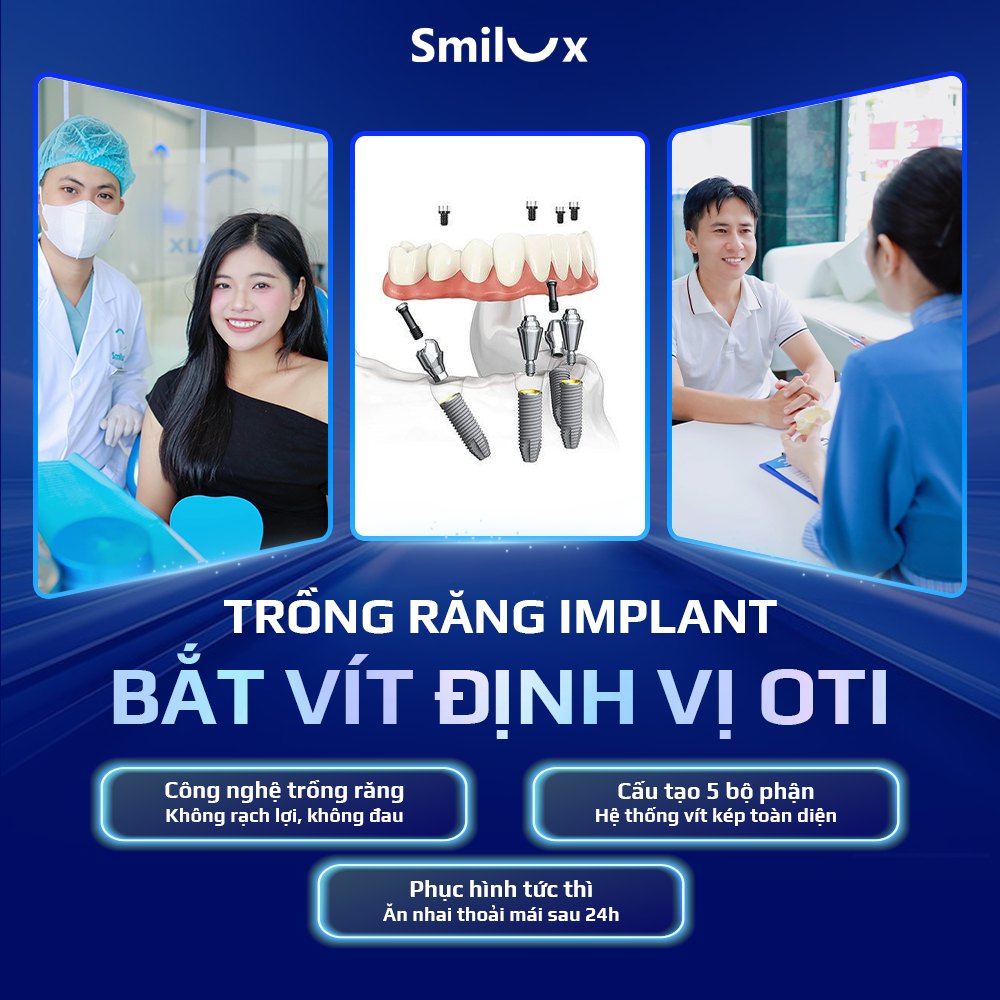


All-on-4 dental implants restore full arches with strong function, high esthetics, and chewing ability similar to natural teeth. Learn more about costs and the treatment process at Smilux.
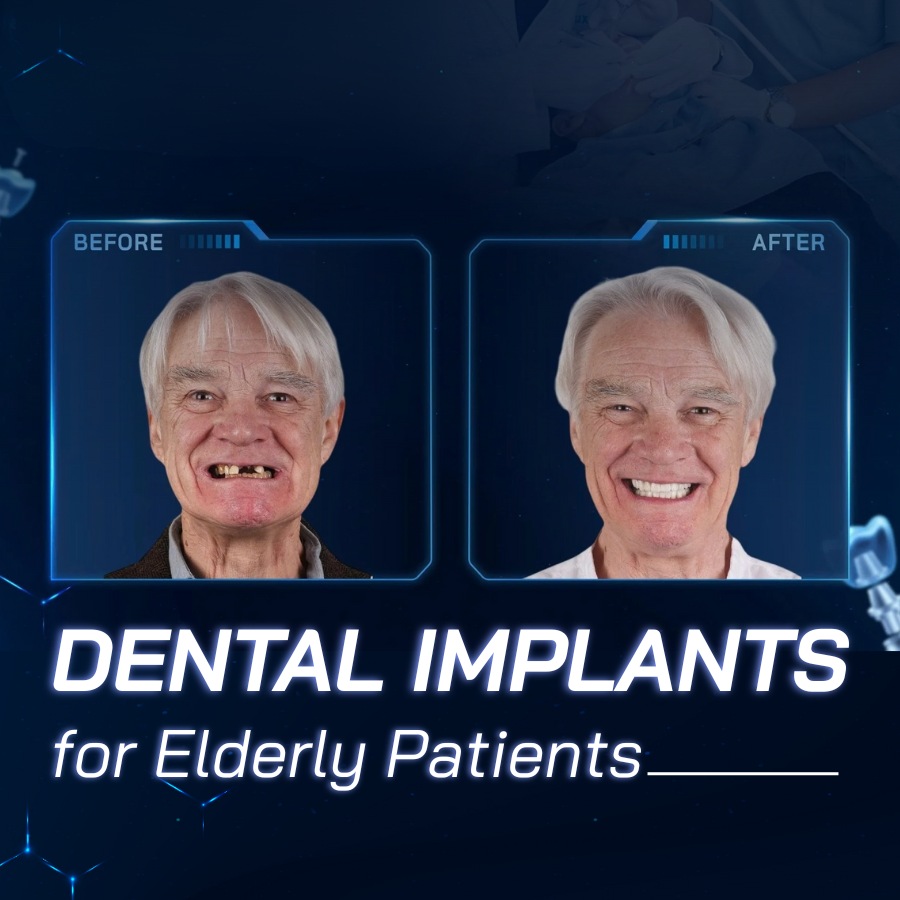
Dental implant treatment at Smilux Dental helps elderly patients restore comfortable chewing similar to natural teeth, minimize looseness during daily use, and better protect overall oral and general health.
Home Do dental implants cause bad breath? “Do dental implants cause bad breath?” is a […]
Home Comparison between dental bridges and dental implants – Which option is better? Dental bridges […]