1. Home
  2. »
  3. Dental Crown Knowledge
  4. »
  5. Can You Take a Crown Off and Put It Back On?

Can You Take a Crown Off and Put It Back On?

Dental crowns are a popular cosmetic restoration option chosen by many patients for their ability to improve tooth color, shape, and chewing function. However, many people still wonder whether a crown can be removed and placed back on after treatment.

In this article, the dental team at Smilux Dental will provide a detailed explanation of the question, “Can You Take a Crown Off and Put It Back On?” along with the important factors to consider before any procedure is performed. Keep reading to learn more.

Can You Take a Crown Off and Put It Back On?

Can You Take a Crown Off?

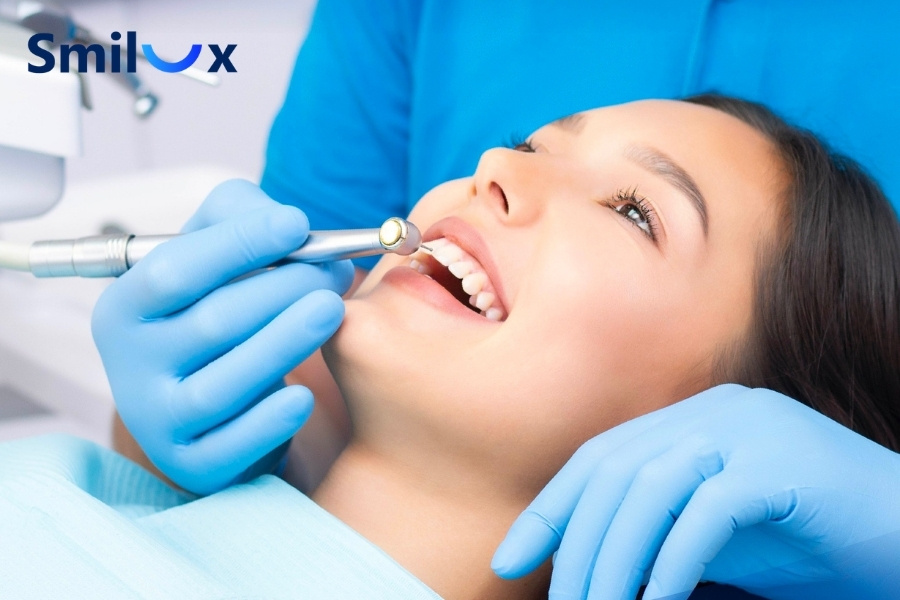
A dental crown can be removed after placement, but this is a complex procedure that should only be performed by a highly trained dentist. In addition, removing a crown requires specialized instruments to minimize impact on the natural tooth, gums, and adjacent teeth.

In most cases, a dentist will recommend crown removal when problems occur, such as gum inflammation around the tooth, a loose or detached crown, open crown margins, or dark discoloration near the gumline that affects both function and appearance.

Beyond clinical concerns, some patients also choose to have a crown removed to check the prepared tooth underneath, adjust the tooth shape, improve the shade, or upgrade to a higher-quality crown material.

At this point, many patients ask: Can You Take a Crown Off and Put It Back On? Let the dental team at Smilux Dental explain the answer in the next section below.

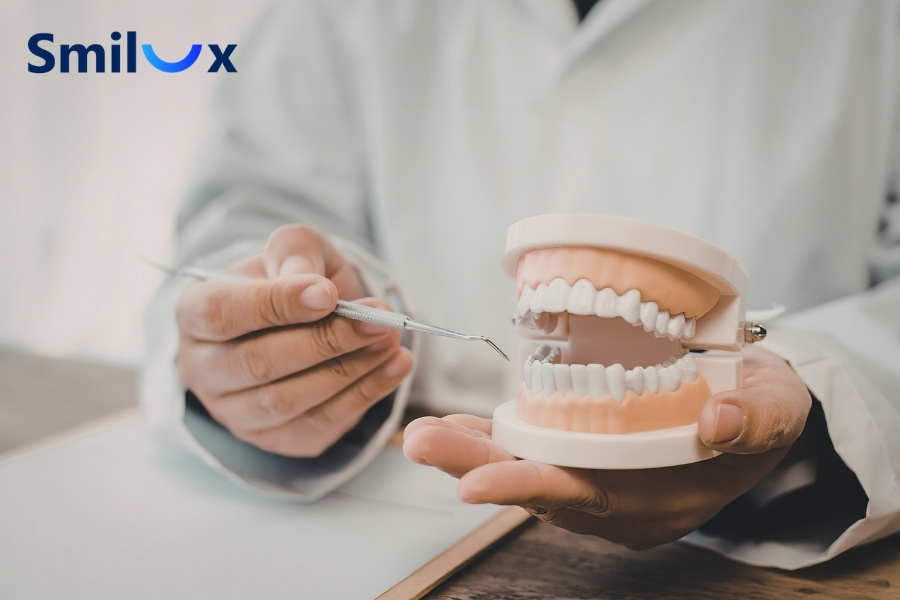
Răng bọc sứ có thể tháo ra được

Can You Take a Crown Off and Put It Back On?

In most cases, a dental crown is not recommended to be reattached after removal. During the removal process, the crown may become cracked, chipped, distorted, or lose its original precise fit with the prepared natural tooth. When this happens, reusing the same crown may compromise both comfort and chewing function.

Even if the crown appears intact from the outside, its internal structure and restorative accuracy may have changed after removal. Recementing an old crown can lead to discomfort, looseness, bite misalignment, or an unaesthetic appearance when speaking or smiling.

Beyond daily inconvenience, continuing to use an old crown may also increase the risk of food trapping, gum inflammation, bad breath, tooth sensitivity, pain, or the crown falling off while eating. These issues can directly affect oral health and the long-term condition of the natural tooth underneath.

For this reason, the dentists at Smilux Dental often recommend replacing the old crown with a new one after removal. A new crown is custom-designed based on the current condition of the tooth, helping ensure an accurate fit, natural aesthetics, and long-lasting performance.

Răng sứ tháo ra không thể lắp lại được mà cần bọc sứ mới

When Does a Dental Crown Need to Be Removed and Replaced?

Regarding whether a removed dental crown can be put back on, the answer is that it is generally not recommended. Although no patient wants to remove a crown after restoration, there are certain situations where a dentist may need to remove the crown to treat underlying problems, protect the natural tooth, and maintain long-term oral health. These cases may include:

Aesthetic-Related Reasons

If a dental crown causes cosmetic concerns that affect the smile, the dentist may recommend removing it and replacing it with a new crown that offers a better shade, shape, and overall facial harmony.

  • Crown color does not match natural teeth: A crown that appears too white, too opaque, or inconsistent with the surrounding teeth can become noticeable during conversation or smiling. This is often caused by incorrect shade selection, low-quality materials, or improper technique. With metal-based crowns, dark lines near the gumline may also develop over time, reducing aesthetics.
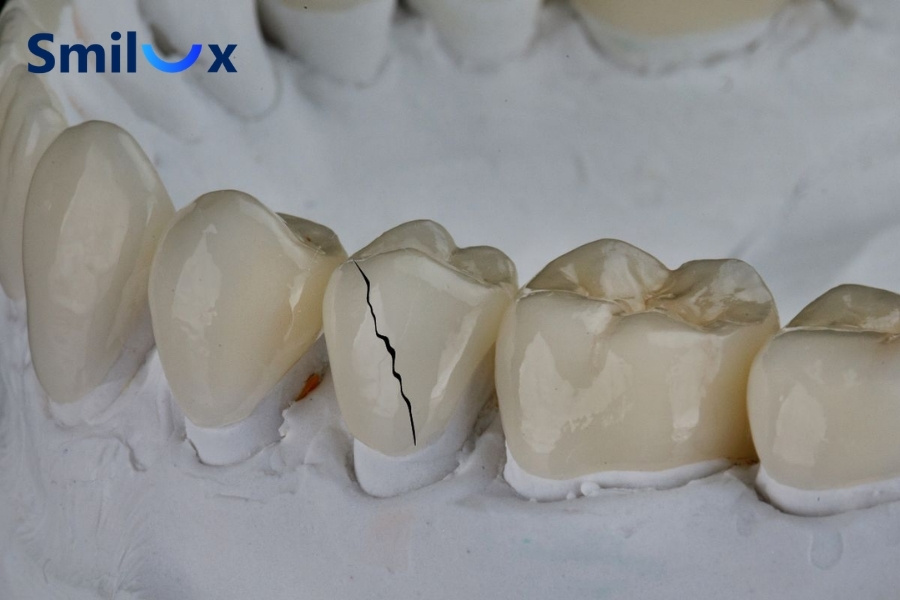
  • Chipped or fractured crown: Habits such as chewing hard foods, teeth grinding during sleep, or trauma can damage the crown. Crowns made from lower-quality materials may also be more prone to wear or fracture during daily function.
  • Gum recession around the crown: If the crown does not fit properly or was placed incorrectly, the gum tissue may become irritated and gradually recede. This can expose the tooth margin, affect appearance, and create spaces where food debris and bacteria collect, increasing the risk of infection.
  • Desire to change the tooth shade or shape: Some patients later wish to switch to a more natural tooth color, a softer tooth shape, or a design that better suits their facial features. In these cases, the dentist can evaluate the situation and recommend a replacement crown to achieve the desired aesthetic result.

Răng sứ bị nứt, vỡ nên tháo ra, bọc lại mão sứ mới

Oral Health-Related Reasons

In addition to cosmetic concerns, a dental crown may need to be removed to treat oral health problems and protect the natural tooth underneath. Common situations include:

  • Persistent tooth pain: If the tooth feels dull, throbbing, or severely painful after crown placement, the cause may be pulp inflammation, infection around the root tip, or an improper bite. In these cases, the dentist may need to remove the crown for examination and early treatment to prevent more serious complications.
  • Sensitivity when eating or drinking: Ongoing sensitivity after crown treatment may result from excessive tooth reduction, exposed dentin, or a crown that does not fit properly. This can make the tooth more reactive to hot, cold, or hard foods.
  • Gum inflammation after crown placement: If the gums become swollen, red, bleed easily, or feel painful to the touch, the crown margin may be inaccurate and create spaces where food particles and bacteria accumulate. Removing the crown to correct the fit is often necessary to stop long-term inflammation.
  • Loose dental crown: A crown that feels loose, unstable, or weak during chewing may be caused by errors during tooth preparation, impressions, crown cementation, or weakening of the bonding material over time. Early treatment is important to avoid damage to the natural tooth.
  • Persistent bad breath: If bad breath continues after crown placement, it is often related to a poor crown fit, trapped food debris, or improper oral hygiene. If left untreated, this may lead to gum disease or decay in the natural tooth beneath the crown.

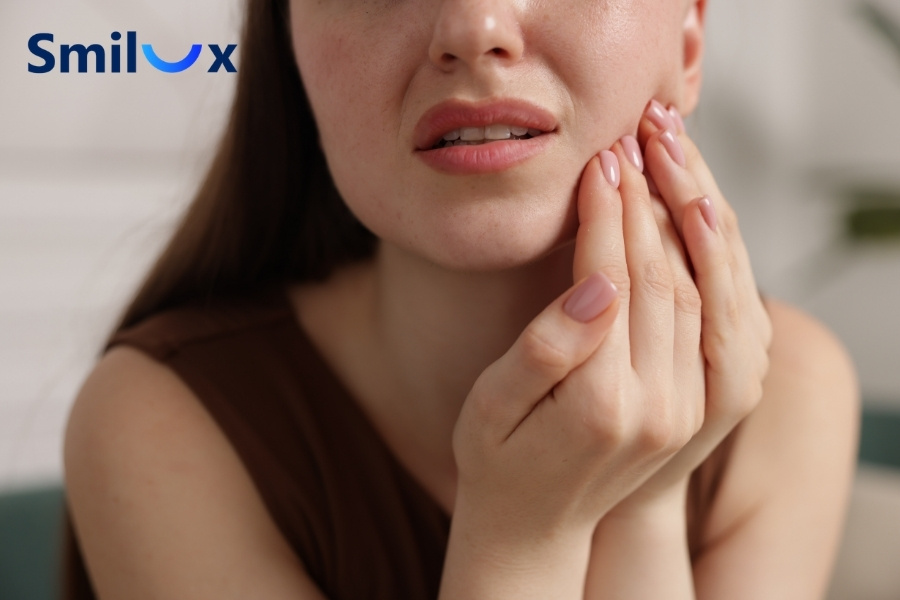
Nếu đau kéo dài sau bọc sứ, bác sĩ có thể cần tháo mão sứ để kiểm tra và xử lý sớm

The condition of a dental crown after removal can vary from one patient to another. For this reason, a thorough examination is necessary so the dentist can recommend the most appropriate treatment plan, including whether a new crown can be placed immediately or if additional treatment is needed first.
For personalized advice, please fill out the form below. The team at Smilux Dental will contact you and arrange the earliest available appointment.

BOOK APPOINTMENT

    The Process of Removing and Replacing a Dental Crown at Smilux Dental

    At Smilux Dental, the process of removing an old dental crown and replacing it with a new one is performed according to strict clinical standards set by the Ministry of Health. The goal is to ensure safety, minimize invasiveness, and achieve the best possible aesthetic result. The procedure includes the following steps:

    • Step 1: Examination, Evaluation, and Local Anesthesia

    The dentist examines the existing crown, the prepared natural tooth, the gums, and the bite to determine why the crown needs replacement. The oral cavity is then cleaned, and local anesthesia is administered to keep the patient comfortable throughout the procedure.

    • Step 2: Safe Removal of the Old Crown

    Depending on the individual case, the dentist uses the most appropriate removal technique to gently take off the old crown while minimizing impact on the tooth structure and surrounding gum tissue.

    • Step 3: Treatment of the Natural Tooth and New Impression Taking

    After the crown is removed, the dentist rechecks the underlying tooth. If there is gum inflammation, tooth decay, open margins, or any other issue, it will be treated before the new restoration is placed. Next, a new dental impression or digital scan is taken using advanced technology to fabricate a highly accurate crown.

    • Step 4: Placement of the New Crown and Bite Adjustment

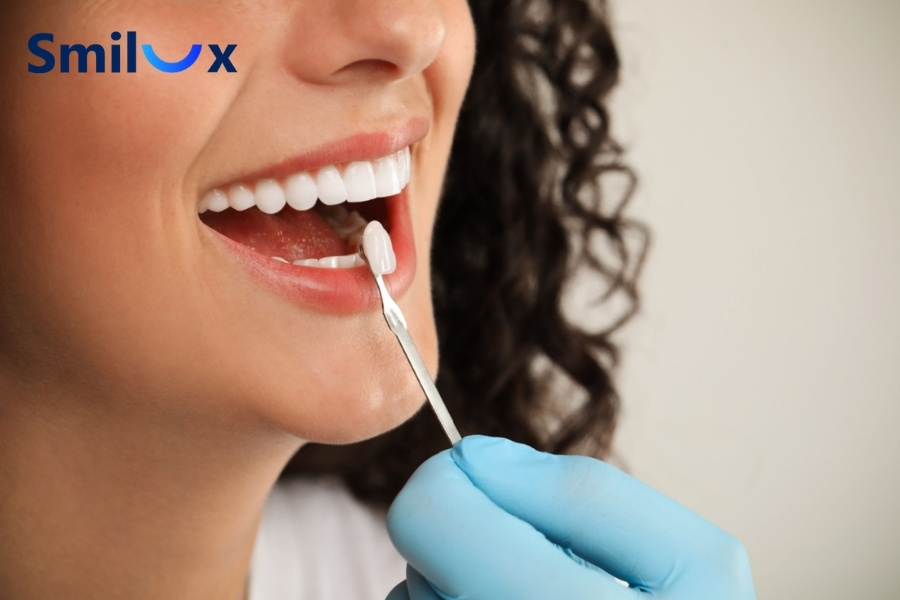
    Once the new crown is ready, the dentist performs a try-in to evaluate the fit, shade, shape, and chewing function. After all factors meet the required standards, the crown is permanently cemented using professional dental materials.

    • Step 5: Aftercare Instructions and Follow-Up Visits

    The patient receives guidance on oral hygiene, eating habits, and follow-up appointments to help maintain the durability of the new crown and support long-term oral health.

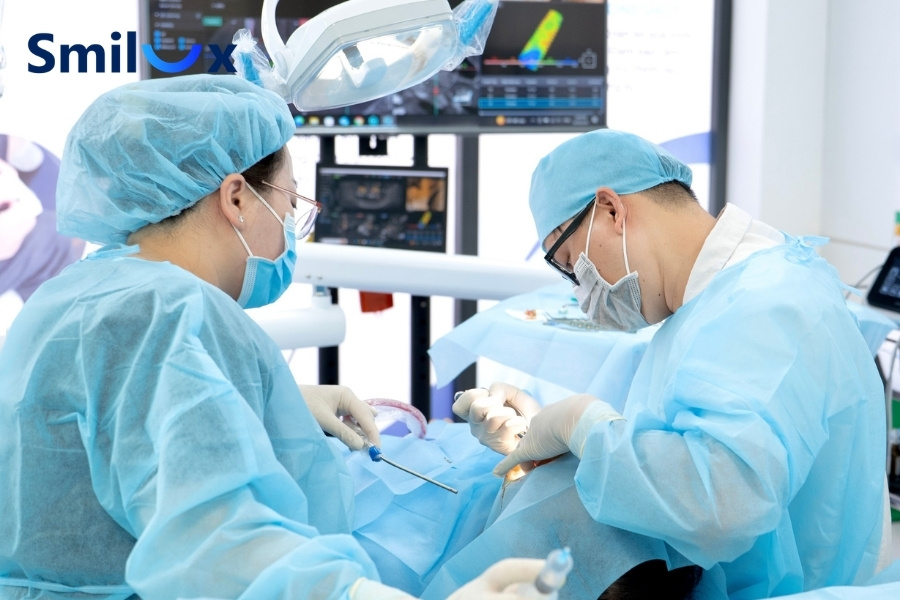
    Quy trình tháo răng sứ và bọc lại răng sứ mới tại Smilux

    Why Should You Choose Smilux Dental for Crown Removal and Replacement?

    Removing an old dental crown and replacing it with a new one is a highly precise procedure that can be even more complex than the initial crown treatment. At this stage, the dentist must do more than simply place a new crown. A full evaluation of the natural tooth underneath, gum tissue, bite alignment, and the reasons the previous crown failed is essential.

    If the case is not managed properly, patients may continue to experience sensitivity, discomfort when biting, gum inflammation, or repeated adjustments in the future. For this reason, choosing a trusted dental clinic from the beginning is extremely important.

    At Smilux Dental, every patient receives a detailed examination and a personalized treatment plan based on their actual condition. The experienced dental team carefully evaluates the strength of the tooth structure, gum health, chewing function, and cosmetic expectations to recommend the most suitable solution.

    One of the standout advantages at Smilux Dental is its commitment to preserving as much natural tooth structure as possible through BioUltra technology. Instead of excessive tooth reduction, the dentists focus on conserving healthy tooth tissue, minimizing unnecessary intervention, and protecting the natural tooth structure. This is especially important for patients who have had crowns before, as the remaining tooth structure should be preserved as much as possible for long-term success.

    In addition, Smilux Dental invests in advanced diagnostic and restorative technology to improve treatment accuracy. Modern imaging systems allow dentists to clearly assess the tooth, roots, jawbone, and surrounding tissues before removing the old crown. This helps identify the exact cause of pain, open margins, or bite issues, allowing a new crown to be designed with a precise fit and strong chewing performance.

    Patients also highly value the clinic’s transparent consultation process and dedicated care. Before treatment begins, each patient receives a clear explanation of their current condition, recommended solutions, treatment timeline, and detailed costs. This level of transparency provides greater peace of mind, especially for those who may have had disappointing experiences with dental crowns elsewhere.

    If you are experiencing pain, dark gum lines, a loose crown, open crown margins, or simply want to replace an old crown with one that looks more beautiful and natural, Smilux Dental is a clinic worth considering. Please fill out the form below for a detailed consultation.

    BOOK APPOINTMENT

      Important Care Tips After Removing and Replacing a Crown for the Second Time

      After receiving a replacement dental crown, proper care is essential to maintain its durability, chewing function, and appearance over time. Below are some helpful recommendations shared by the dental team at Smilux Dental:

      • Maintain Good Oral Hygiene Every Day: Brush your teeth at least two to three times a day using a soft-bristled toothbrush. It is also recommended to use dental floss and a water flosser to remove plaque between the teeth, around the gumline, and near the crowned tooth.
      • Avoid Excessively Hard Foods and Extreme Temperatures: Do not chew ice, bite very hard foods, or frequently consume foods and drinks that are too hot or too cold. These habits may cause sensitivity, chip the crown, or affect the natural tooth underneath.
      • Choose Foods That Support Dental Health: Focus on foods rich in calcium and minerals such as milk, cheese, shrimp, crab, small fish with edible bones, and green vegetables. These nutrients help support stronger teeth and jawbone health.
      • Attend Regular Dental Checkups: Routine dental visits allow the dentist to monitor the stability of the crown, check the bite alignment, and detect any problems early so they can be treated promptly.

      Một số lưu ý sau khi tháo và bọc răng sứ lần 2

      CONCLUSION

      The information above helps answer the common question, “Can You Take a Crown Off and Put It Back On?” In reality, a dental crown can be removed when needed to address cosmetic concerns or oral health problems. However, in most cases, reusing the same crown is not recommended. Replacing it with a new crown is usually the better option to ensure durability, proper fit, and long-term comfort.
      If you are experiencing crown pain, open margins, looseness, or would like a more aesthetic replacement, contact Smilux Dental at HOTLINE (+84)866 251 379 to schedule an examination and receive the most suitable treatment advice from a dentist.

      ---------- Dental Crown Knowledge ----------

      How Often Should You Replace Dental Crowns?
      07Apr

      Consult with Smilux Dental dentists to better understand “How Often Should You Replace Dental Crowns?” and proactively monitor and replace your crowns when necessary.

      Does getting dental crowns require root canal treatment?
      21Mar

      In the article below, Smilux International Dental Clinic provides a detailed explanation of whether dental crowns require root canal treatment, while clearly analyzing specific clinical cases to help you understand when endodontic treatment is necessary and when the natural tooth can be preserved to the greatest extent before crown placement.

      Does getting dental crowns cause bad breath?
      20Mar

      Does getting dental crowns cause bad breath? Let’s hear professional insights from Smilux Dental experts for a detailed explanation.

      1 2 3
      This site is registered on wpml.org as a development site. Switch to a production site key to remove this banner.