According to dentists at Smilux, teeth may not become white after whitening due to thin enamel, deep staining, dental crowns, old fillings, or an unsuitable whitening technique.


After teeth whitening, everyone hopes to maintain a bright, white smile for a long time. However, many people are concerned that their teeth may quickly turn yellow again after a while. So, Do Teeth Turn Yellow Again After Whitening? What causes this, and how can you maintain your tooth shade after whitening?
In the article below, Smilux Dental dentists will help you understand why teeth may become yellow again after whitening, how long the whitening results can last, and how to care for your teeth properly to help reduce the risk of staining again.
Do Teeth Turn Yellow Again After Whitening? The answer is YES. Teeth whitening is a method that helps improve tooth shade in cases where teeth become yellow or dull due to external staining. However, the results of teeth whitening do not last permanently. After a period of time, teeth can still turn yellow again due to certain objective or individual factors.
Essentially, this method only helps brighten the tooth shade on the outer enamel layer, but it does not change the color of the dentin inside. Therefore, when teeth continue to be exposed to staining factors, the tooth shade will gradually become dull and yellow again.
How long it takes for teeth to turn yellow again after whitening varies from patient to patient. Some people can maintain a stable tooth shade for several years, while in other cases, teeth may become stained again sooner if they are not cared for properly.
If you want to know how long teeth whitening results can last and which factors affect shade retention, you can refer to the article How Long Do Teeth Whitening Results Last? to better understand before deciding to have the treatment.
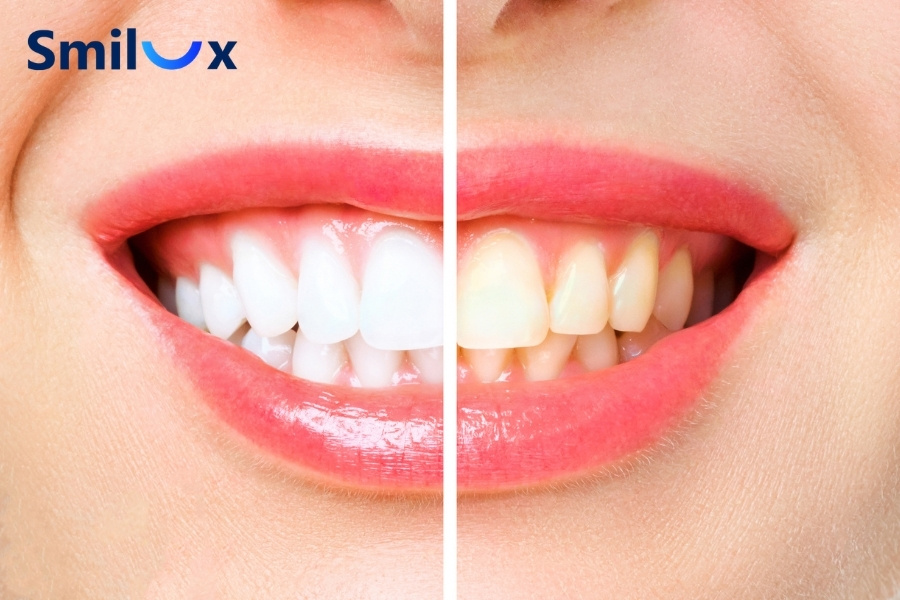
Teeth whitening helps make teeth appear brighter. However, in reality, many patients still experience yellowing again only a few days after whitening. This does not mean that the whitening process is ineffective.
In dentistry, this condition is called early re-staining, which is often related to the following causes:

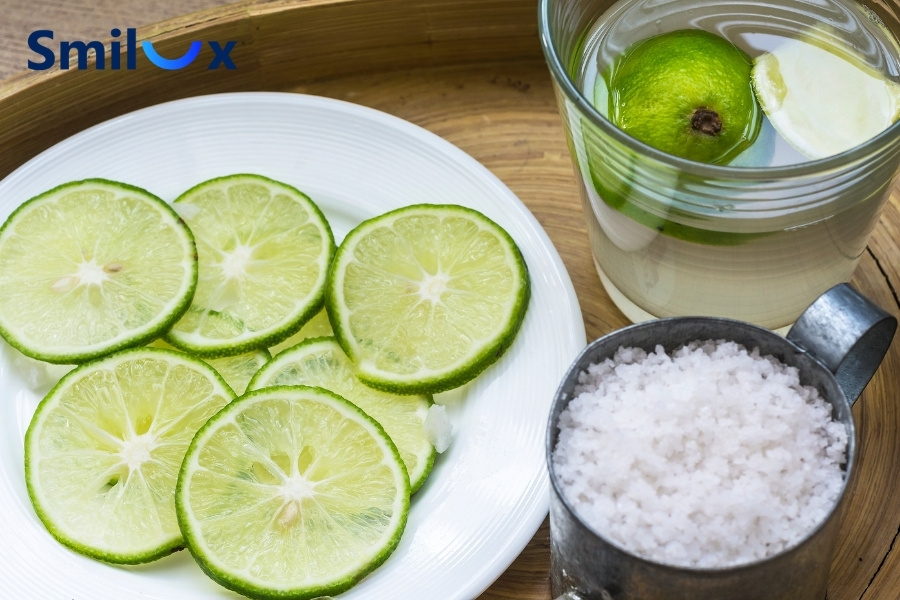
Lemon contains natural acid, which can help remove mild surface stains on teeth. When combined with salt, this mixture helps clean the teeth better and reduce the dull appearance that may occur after consuming dark-colored foods for a period of time.
However, lemon is acidic, so it should not be used frequently. Patients should only use a small amount, apply it gently, and rinse their mouth thoroughly after brushing. If overused, the acid in lemon can weaken the enamel, causing tooth sensitivity and making teeth more likely to turn yellow again.
To help teeth maintain their bright, white shade for longer after whitening, you should practice proper oral hygiene and limit habits that can cause teeth to become stained again. Specifically:

According to dentists at Smilux, teeth may not become white after whitening due to thin enamel, deep staining, dental crowns, old fillings, or an unsuitable whitening technique.
At What Age Can You Whiten Your Teeth? This article helps you understand the appropriate age for teeth whitening and why children need to be examined by a dentist before whitening their teeth.
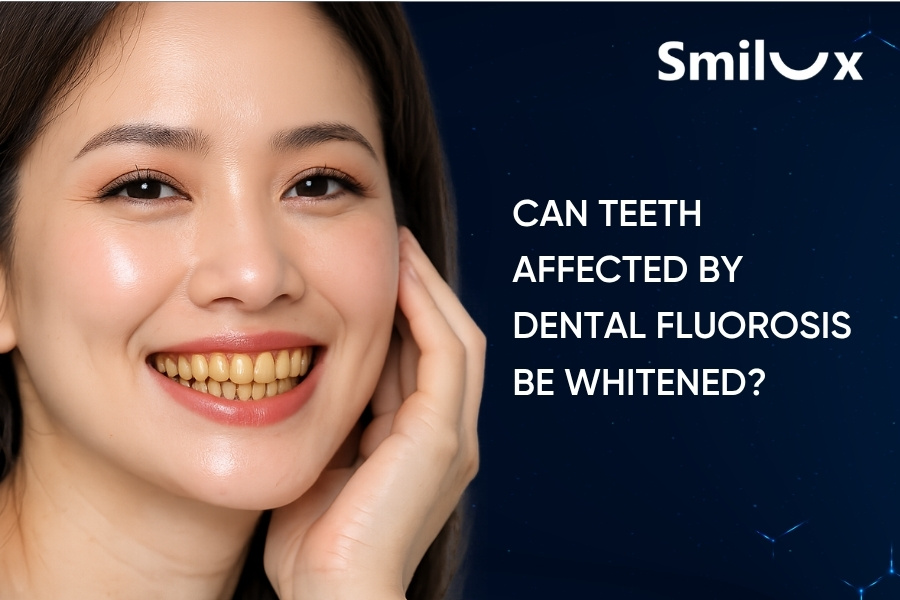
Can Teeth Affected by Dental Fluorosis Be Whitened? Depending on the severity of discoloration and the condition of the tooth enamel, Smilux Dental dentists will recommend the most appropriate treatment.
Can you whiten your teeth while breastfeeding? This article from Smilux doctors helps nursing mothers understand the appropriate time to whiten their teeth, important safety precautions, and suitable postpartum oral care.