According to dentists at Smilux, teeth may not become white after whitening due to thin enamel, deep staining, dental crowns, old fillings, or an unsuitable whitening technique.


Teeth whitening is a popular option for many patients who are concerned about yellow or discolored teeth caused by food, aging, or daily lifestyle habits. However, before deciding to undergo treatment, many people still wonder: Does Teeth Whitening Hurt? Does it cause tooth sensitivity or affect tooth enamel?
In the article below, dentists at Smilux Dental will help you better understand what teeth whitening feels like, the factors that may cause discomfort, and how to make the whitening process safer, gentler, and more comfortable.
Does Teeth Whitening Hurt? In general, professional teeth whitening at a dental clinic does not cause significant pain if your teeth and gums are healthy and the procedure is performed with proper technique. During treatment, the dentist will control the concentration of the whitening agent, the whitening time, and protect the gums to minimize discomfort for the patient.
After teeth whitening, some people may experience mild discomfort or slight tooth sensitivity for a short period. However, this is a common reaction caused by the teeth coming into contact with the whitening agent and usually subsides gradually after about 1–2 days. For more information on this issue, you can refer to the article: How Long Does Tooth Sensitivity Last After Teeth Whitening?
If noticeable tooth pain occurs after whitening, lasts for several days, or gradually worsens when chewing, the patient should return to the dental clinic as soon as possible for an examination. The pain may be related to existing oral health problems such as tooth decay, enamel erosion, gingivitis, or teeth that were already highly sensitive before treatment.
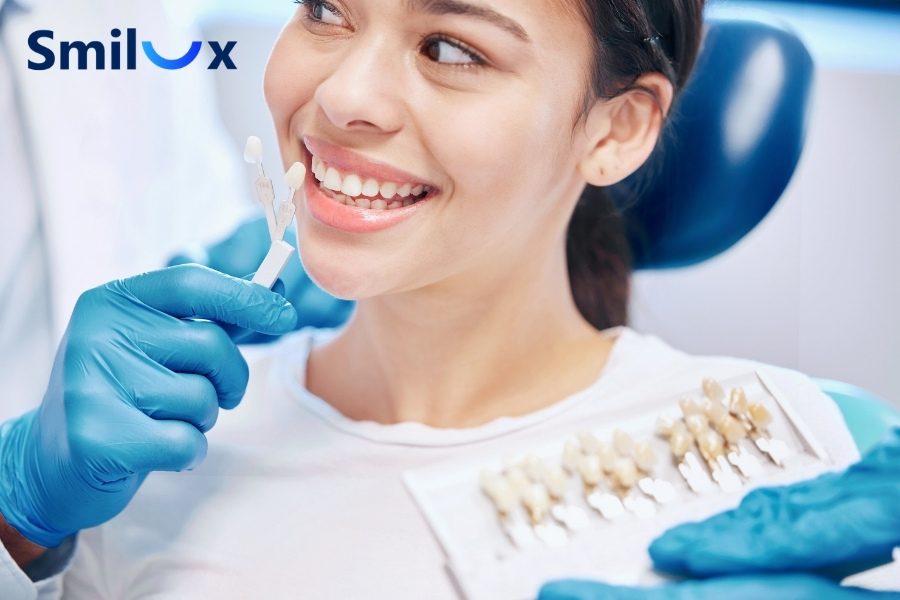
Teeth whitening requires the dentist to properly control the concentration of the whitening agent, the application time, and the way the gum tissue is protected during the procedure. If the dentist lacks sufficient expertise or the technique is not performed correctly, the whitening agent may have an excessive effect on the teeth, increasing pain and discomfort after treatment.
In addition, improper isolation of the gums, lips, and oral mucosa may cause the whitening agent to come into contact with soft tissues, leading to irritation, a burning sensation, or chemical burns. This is one of the reasons why patients may experience prolonged pain and discomfort.
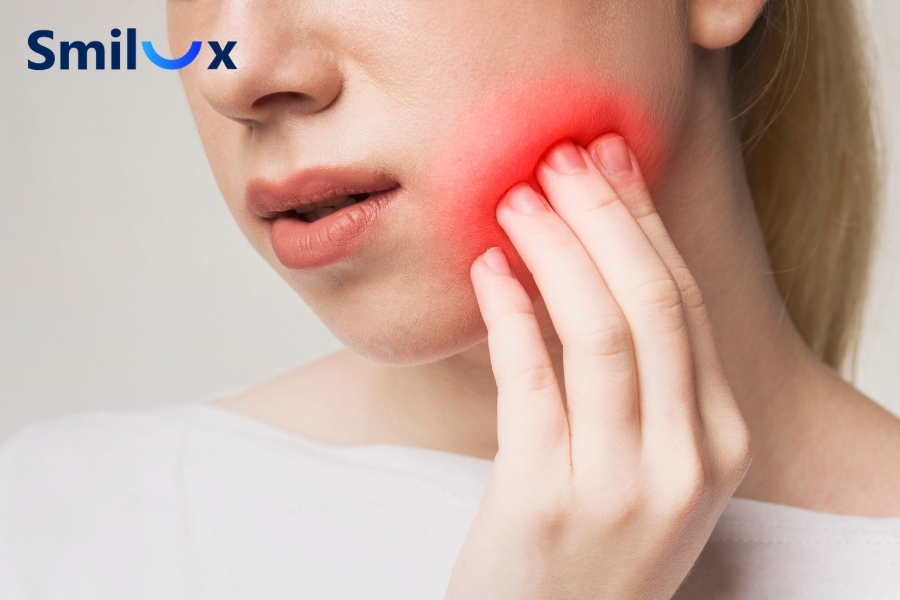
Dental problems such as tooth decay, gingivitis, periodontitis, pulpitis, or enamel erosion can make the teeth more prone to pain during teeth whitening. If these issues are not treated beforehand, the whitening agents may affect damaged tooth areas or injured gum tissue, making the pain more noticeable and longer-lasting.
To minimize tooth pain during teeth whitening, patients should keep the following points in mind:
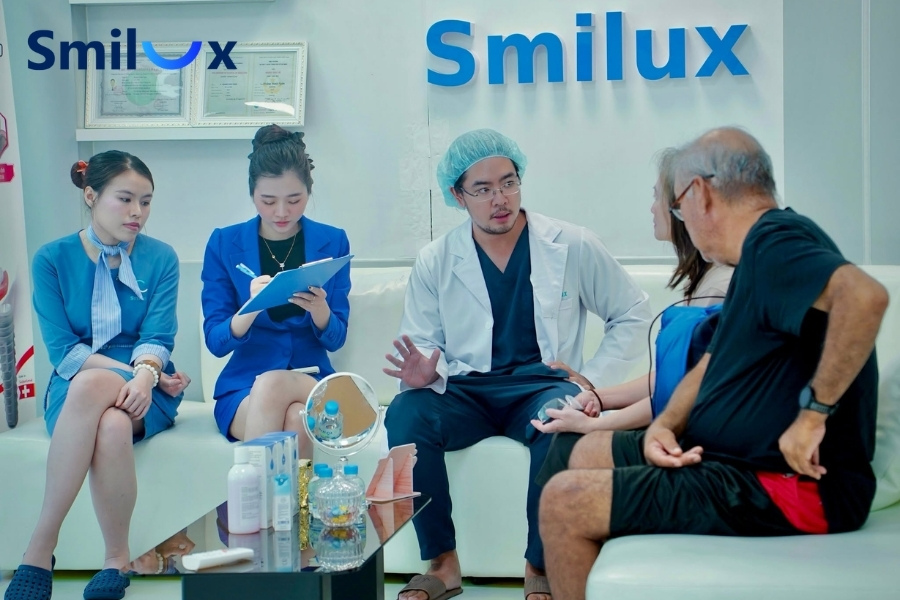
Tooth pain and sensitivity are concerns that make many patients hesitant when choosing teeth whitening. Understanding this, Smilux Dental has developed a safe, gentle whitening procedure that is carefully controlled by a team of dentists with more than 15 years of experience in dentistry.
At Smilux Dental, patients will receive a comprehensive oral examination, during which the dentist evaluates their current tooth shade, enamel condition, and gum health, then recommends a whitening method suitable for each patient’s tooth condition. This helps improve tooth color effectively while minimizing sensitivity as much as possible.
The entire examination and whitening process is supported by modern dental equipment, such as the Panorex X-ray machine. Each patient is treated in a separate dental chair and uses a sterile instrument tray to ensure safety and reduce the risk of cross-contamination. The whitening agents have a clear origin and are used strictly according to the dentist’s instructions to ensure whitening effectiveness and safety for the teeth and gums.
In addition, before whitening, the dentist will clean the teeth, remove tartar, and treat any oral health conditions so that the tooth surface is cleaner, the whitening agent can work more effectively, and the risk of irritation during treatment is reduced.
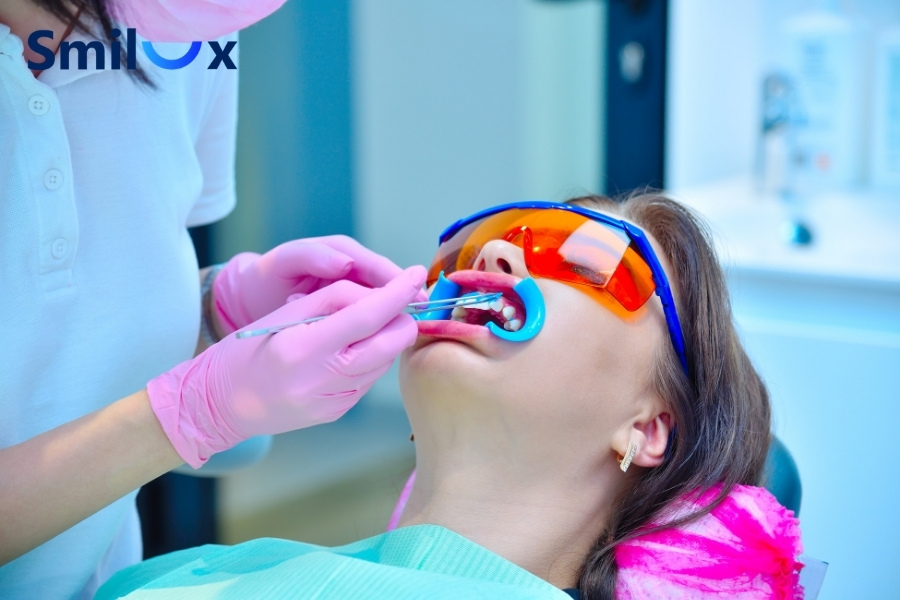
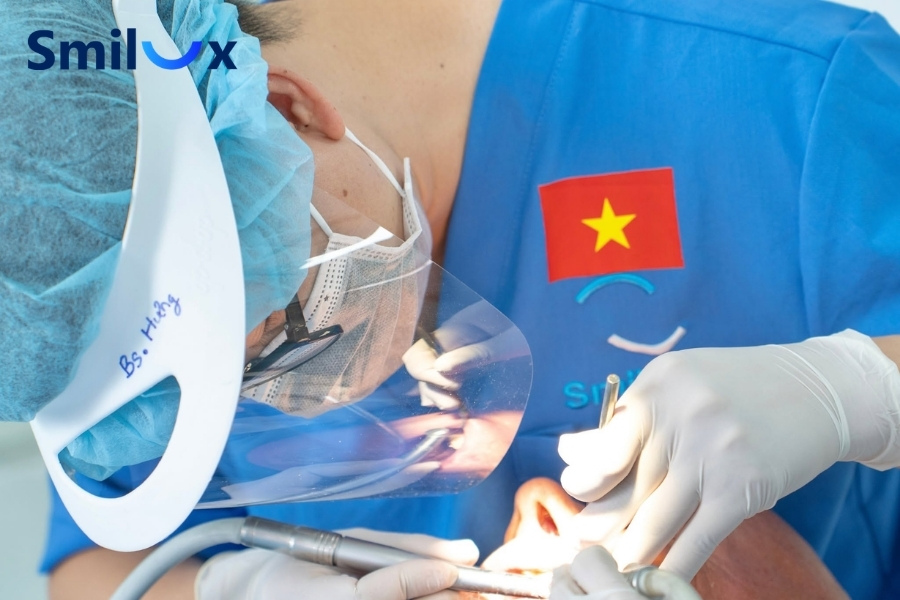
During the whitening process, the lips and gums are isolated using specialized tools, while patients wear protective eyewear to ensure safety throughout the procedure.
Thanks to strict control from the examination stage to post-whitening care, Smilux Dental helps patients improve their tooth color gently, minimize sensitivity, and feel more confident when choosing the service.

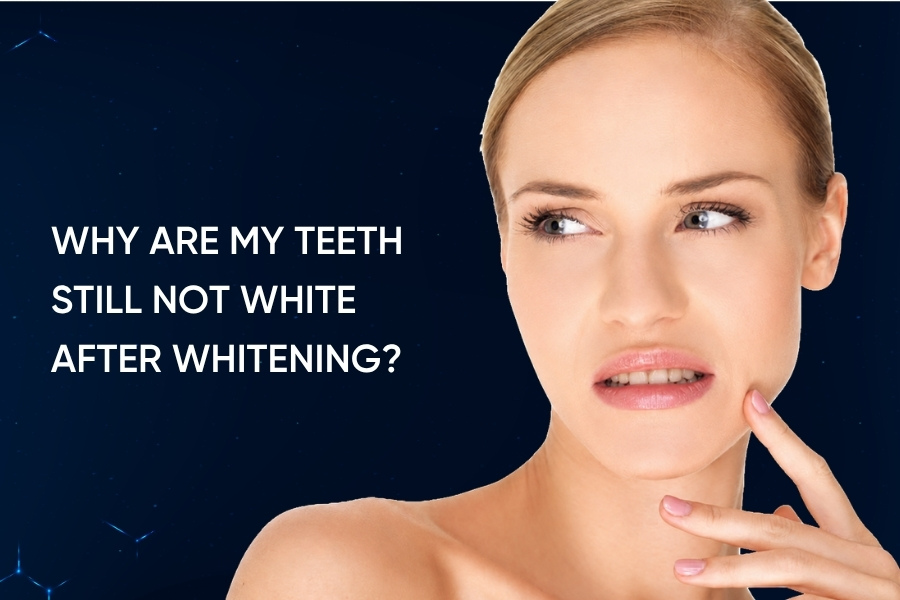
According to dentists at Smilux, teeth may not become white after whitening due to thin enamel, deep staining, dental crowns, old fillings, or an unsuitable whitening technique.
At What Age Can You Whiten Your Teeth? This article helps you understand the appropriate age for teeth whitening and why children need to be examined by a dentist before whitening their teeth.
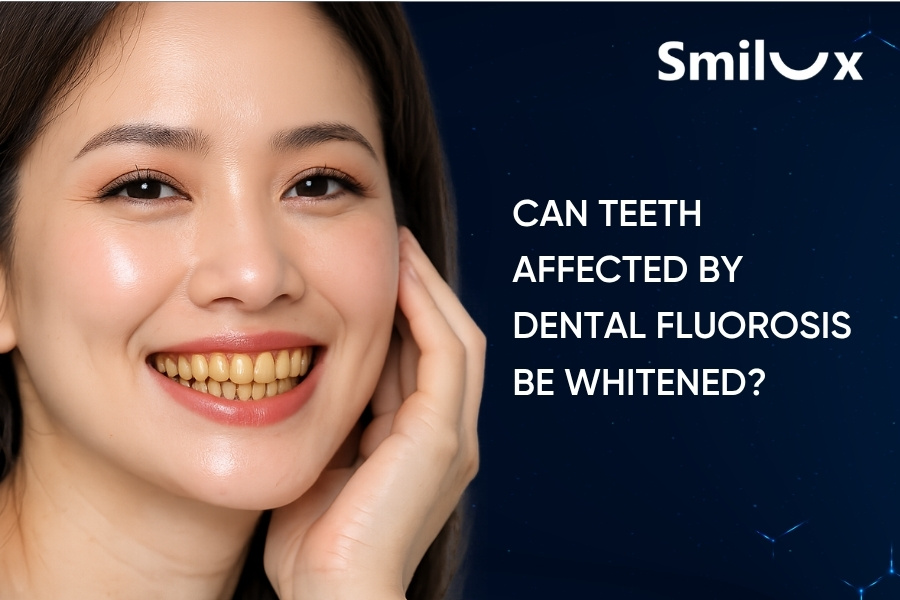
Can Teeth Affected by Dental Fluorosis Be Whitened? Depending on the severity of discoloration and the condition of the tooth enamel, Smilux Dental dentists will recommend the most appropriate treatment.

Can you whiten your teeth while breastfeeding? This article from Smilux doctors helps nursing mothers understand the appropriate time to whiten their teeth, important safety precautions, and suitable postpartum oral care.