1. Home
  2. »
  3. Dental Crown Knowledge
  4. »
  5. How Often Should You Replace Dental Crowns?

How Often Should You Replace Dental Crowns?

Similar to other cosmetic dental treatments, dental crowns have a limited lifespan and need to be replaced after a certain period of use. So, How Often Should You Replace Dental Crowns?

The information below, shared by the dentists at Smilux Dental, will help you better understand this topic and proactively monitor the condition of your teeth.

How Often Should You Replace Dental Crowns?

How Often Should You Replace Dental Crowns?

Dental crowns typically last between 5 to 20 years, depending on the material used and the patient’s oral care routine. After this period, replacement is recommended to maintain proper chewing function and long-term aesthetics.

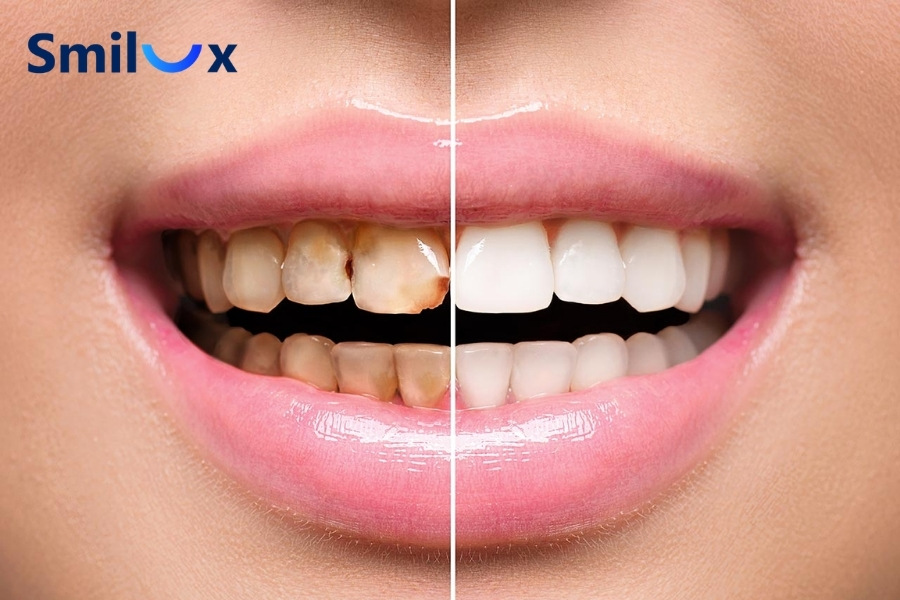
However, patients should not wait until the crown reaches the end of its lifespan to replace it. In clinical practice, crowns may need to be replaced earlier if signs such as marginal gaps, chipping or cracking, pain, gum inflammation, or persistent bad breath appear. These symptoms may indicate poor crown fit or underlying issues with the prepared tooth.

To minimize the need for frequent replacement, it is advisable to choose high-quality crown materials from the beginning, ensure proper clinical procedures, and maintain good oral hygiene along with regular dental check-ups as recommended by your dentist.

Bọc răng sứ bao lâu thì phải làm lại?

Factors Affecting How Often Should You Replace Dental Crowns

The lifespan of a dental crown is the key factor determining How Often Should You Replace Dental Crowns. According to dentists at Smilux Dental, the durability of a crown depends on several factors, including:

Crown Material

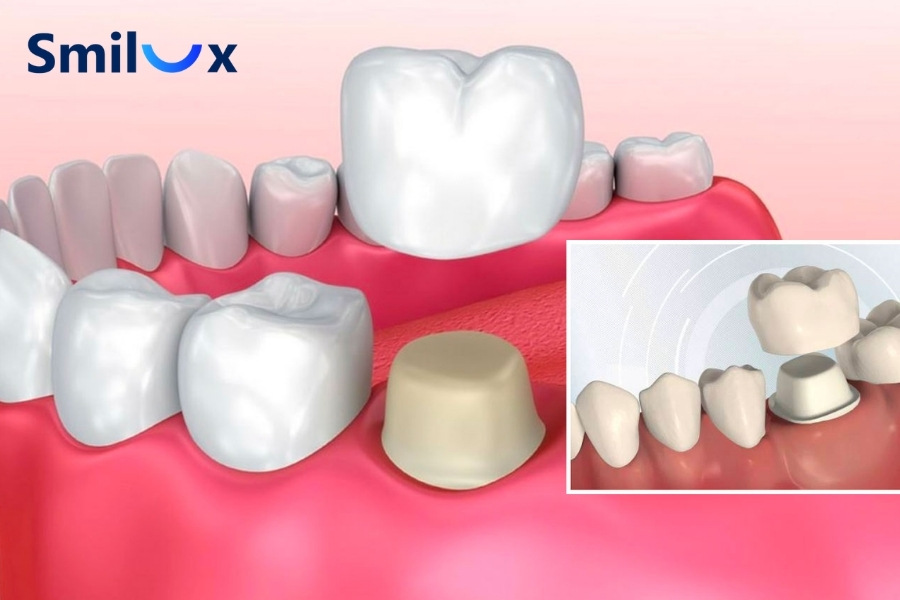
Currently, there are three main types of dental crown materials: all-ceramic crowns, metal-based crowns, and porcelain-fused-to-metal (PFM) crowns.

All-ceramic crowns offer superior durability and can last 15 to 20 years with proper oral hygiene and regular dental check-ups. In contrast, metal-based crowns typically last only 5 to 10 years, as they are more prone to oxidation, which can lead to darkened gum margins and compromised aesthetics.

Răng sứ toàn sứ có tuổi thọ cao hơn so với các dòng răng sứ kim loại

Clinical Technique

The longevity of a dental crown largely depends on the dentist’s expertise. When the tooth is properly prepared with the correct reduction and the crown is precisely fitted, it can function reliably for many years.

On the other hand, even minor technical errors can lead to marginal gaps, increasing the risk of bacterial infiltration and significantly shortening the lifespan of the crown.

Oral Health Condition

How Often Should You Replace Dental Crowns also depends on the condition of the underlying natural tooth. If the tooth has been previously weakened by pulp inflammation or periodontal disease, the lifespan of the crown may be significantly affected.

Nếu răng yếu, viêm tủy hoặc nha chu thì tuổi thọ răng sứ sẽ bị giảm đi

Oral Hygiene Habits

Even with dental crowns, proper care is essential just like natural teeth. Poor oral hygiene allows plaque and bacteria to accumulate, which can lead to gum inflammation and gradually reduce the durability and lifespan of the crown.

Dietary Habits

Long-term consumption of hard, chewy, or high-sugar foods can accelerate the wear and deterioration of dental crowns. In contrast, maintaining a balanced and tooth-friendly diet helps preserve the stability and longevity of the crown over time.

Signs That Indicate It’s Time to Replace Dental Crowns

Continuing the topic of How Often Should You Replace Dental Crowns, dentists at Smilux Dental highlight several clinical signs that indicate a crown may have reached the end of its lifespan and should be replaced promptly:

  • Marginal gaps, fractures, or poor fit: The crown no longer adapts closely to the prepared tooth. The surrounding gums may become swollen, inflamed, or bleed during brushing. These signs suggest loss of marginal integrity, increasing the risk of bacterial infiltration.
  • Sensitivity or pain: Patients may experience discomfort when consuming hot or cold foods, or pain during chewing. In some cases, the crown may feel loose or create an uneven bite.
  • Persistent bad breath and gum inflammation: Chronic halitosis, swollen gums, or bleeding are indicators of bacterial accumulation beneath the crown. If left untreated, this can lead to pulpitis, periodontal disease, and a shortened lifespan of the restoration.

Dấu hiệu cho thấy răng sứ hết hạn

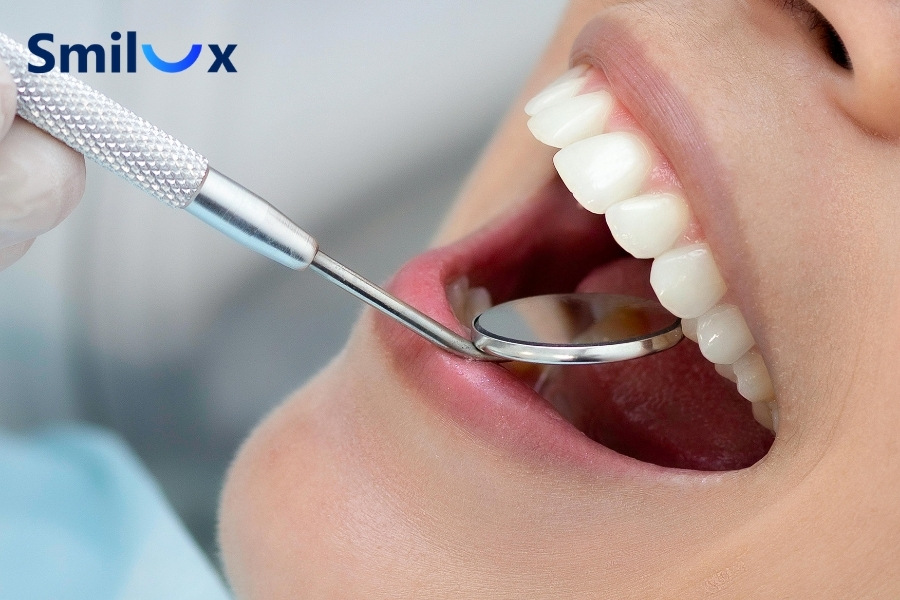
When the above signs appear, indicating that your crown may have reached the end of its lifespan, you should visit Smilux Dental for a professional evaluation and timely replacement.

Please fill out the registration form below to receive detailed consultation and prompt support from the Smilux Dental team.

BOOK APPOINTMENT

    Smilux Dental Clinic – A Trusted Destination for Aesthetic Dental Crowns

    Even if you are considering aesthetic dental crowns for the first time or replacing existing ones, the most important factor is choosing a reputable dental clinic with highly qualified dentists. A successful restoration is not only aesthetically pleasing but also durable, well-fitted, and free from complications over time.

    Smilux International Dental Clinic is a trusted destination for dental crowns, chosen by both local and international patients thanks to its experienced team of dentists and strong clinical expertise. Each case is carefully examined and treated with a personalized plan tailored to the patient’s oral condition.

    Notably, Smilux Dental is a pioneer in applying the exclusive BioUltra crown technology, which minimizes tooth reduction, enhances strength and load-bearing capacity, and effectively controls post-treatment bad breath.

    Below are the outstanding advantages of BioUltra dental crowns at Smilux Dental:

    • Maximum preservation of natural tooth structure: Following a minimally invasive approach, significantly reducing tooth preparation compared to conventional methods.
      High strength and durability: Utilizes premium all-ceramic materials with superior hardness while maintaining a natural chewing sensation.
      Natural aesthetics with long-term color stability: Translucent, tooth-like appearance that does not discolor or cause dark gum margins over time.
      Excellent biocompatibility: Safe materials that reduce gum irritation and lower the risk of post-treatment inflammation.
      Reduced risk of bad breath after crowning: Precise marginal fit and biologically clean materials help minimize bacterial accumulation and odor.

    CONCLUSION

    In summary, How Often Should You Replace Dental Crowns depends largely on the lifespan of the restoration after placement. On average, dental crowns can last between 5 to 20 years. However, earlier replacement may be necessary if signs such as marginal gaps, pain, or gum inflammation occur.

    If you are interested in the BioUltra dental crown service at Smilux Dental, you can contact the HOTLINE (+84) 866 251 379 for detailed consultation and professional support.

    ---------- BRACES KNOWLEDGE ----------

    How Often Should You Replace Dental Crowns?
    07Apr

    Consult with Smilux Dental dentists to better understand “How Often Should You Replace Dental Crowns?” and proactively monitor and replace your crowns when necessary.

    Does getting dental crowns require root canal treatment?
    21Mar

    In the article below, Smilux International Dental Clinic provides a detailed explanation of whether dental crowns require root canal treatment, while clearly analyzing specific clinical cases to help you understand when endodontic treatment is necessary and when the natural tooth can be preserved to the greatest extent before crown placement.

    Does getting dental crowns cause bad breath?
    20Mar

    Does getting dental crowns cause bad breath? Let’s hear professional insights from Smilux Dental experts for a detailed explanation.

    1 2 3
    This site is registered on wpml.org as a development site. Switch to a production site key to remove this banner.