According to dentists at Smilux, teeth may not become white after whitening due to thin enamel, deep staining, dental crowns, old fillings, or an unsuitable whitening technique.


Teeth whitening is a cosmetic dental procedure that helps improve tooth color and create a brighter smile. However, many people still wonder, Is Teeth Whitening Harmful? This concern is especially common when they hear about possible side effects such as tooth sensitivity, enamel wear, gum irritation, or uneven tooth color.
In the article below, the dentists at Smilux International Dental Clinic will explain this topic in detail. Keep reading to learn more.
Is Teeth Whitening Harmful? Teeth whitening does not damage tooth enamel or alter the natural tooth structure when performed correctly at a reputable dental clinic. It is a cosmetic procedure that lightens tooth color using professional whitening agents. Unlike dental crowns or dental implants, teeth whitening does not involve tooth reduction or invasive treatment, making it relatively safe when properly supervised by a dentist.
According to the British Dental Association, teeth whitening is considered safe for oral health when the whitening agent is used at the correct concentration, for the appropriate duration, and with proper clinical indication. In contrast, problems such as prolonged tooth sensitivity, gum irritation, or mucosal blistering are more likely to occur when patients whiten their teeth at home, use products of unknown origin, or undergo treatment at clinics without adequate professional expertise.
Therefore, to ensure safe teeth whitening, you should choose a reputable dental clinic and have your teeth examined by a qualified dentist, who can recommend the most suitable whitening method before treatment.
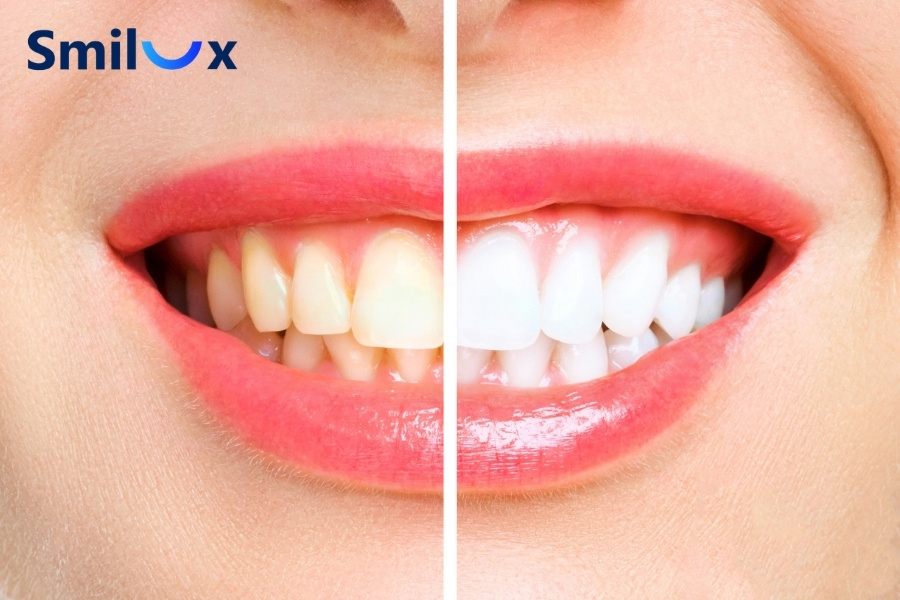
Tooth sensitivity is a common side effect after teeth whitening. Patients may feel that their teeth become more sensitive when drinking hot or cold water, or when eating sour foods. This condition often occurs because the enamel and dentin temporarily lose minerals during the whitening process, causing the dentinal tubules to widen and transmit stimuli more easily to the nerves inside the teeth.
According to some studies, about 30-40% of people who undergo teeth whitening may experience sensitivity after treatment. However, this sensation usually lasts only from a few hours to a few days and can recover within a short period of time.
For more detailed information about this condition, you can refer to the article: “How Long Does Tooth Sensitivity Last After Teeth Whitening?”.

Whitening teeth too many times or using an incorrect technique can cause uneven tooth color, with patchy light and dark areas, making the smile look less natural and difficult to correct.
To reduce the risk of uneven teeth whitening results, the whitening process must be performed according to the proper procedure, the whitening agent must be evenly distributed on the tooth surface, and an experienced dentist should directly monitor the treatment.

When the whitening agent is used at too high a concentration or left on the teeth for too long, the active ingredient may penetrate deep into the tooth and irritate the pulp. This is a complication that requires attention, especially in teeth with cracks, cervical abrasion, tooth decay, or a previous history of severe sensitivity.
If the dental pulp is damaged, patients may experience prolonged pain, spontaneous pain, or pain that worsens at night. In cases of severe pulpitis, root canal treatment may be needed to preserve the tooth, or if the damage is too serious, the dentist may have to consider extraction.
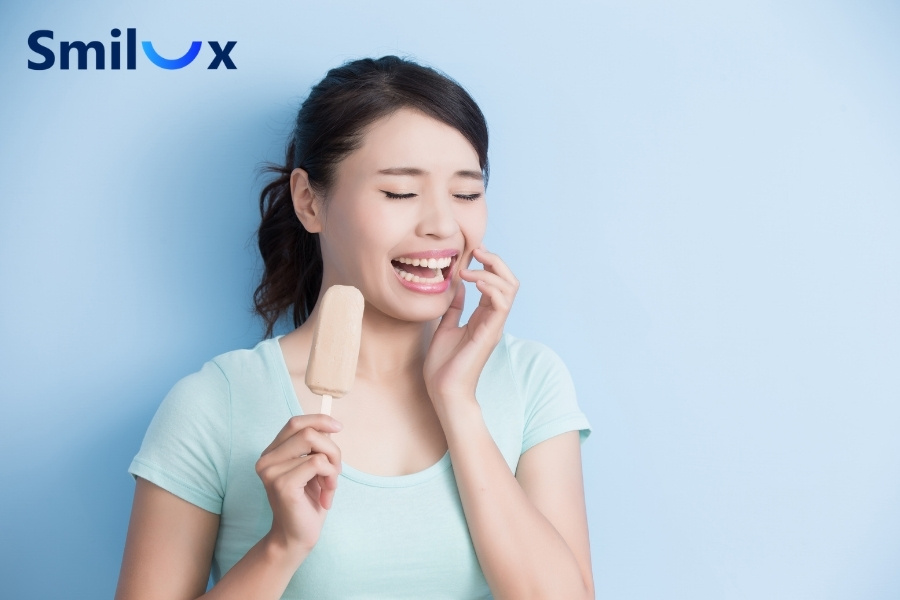
Besides the question “Is Teeth Whitening Harmful?”, many patients also wonder, “Should I get teeth whitening?”. Regarding this issue, dentists at Smilux International Dental Clinic state:
The decision to get teeth whitening depends on each person’s aesthetic needs, oral health condition, and desire to improve their smile. You may consider teeth whitening if your current tooth color is yellowed, darkened, or makes you feel less confident when communicating.
This method is suitable for cases of tooth discoloration caused by aging, food, colored beverages, or improper oral care habits. When properly indicated, teeth whitening can help make the teeth look brighter, create a fresher smile, and improve confidence in daily life.
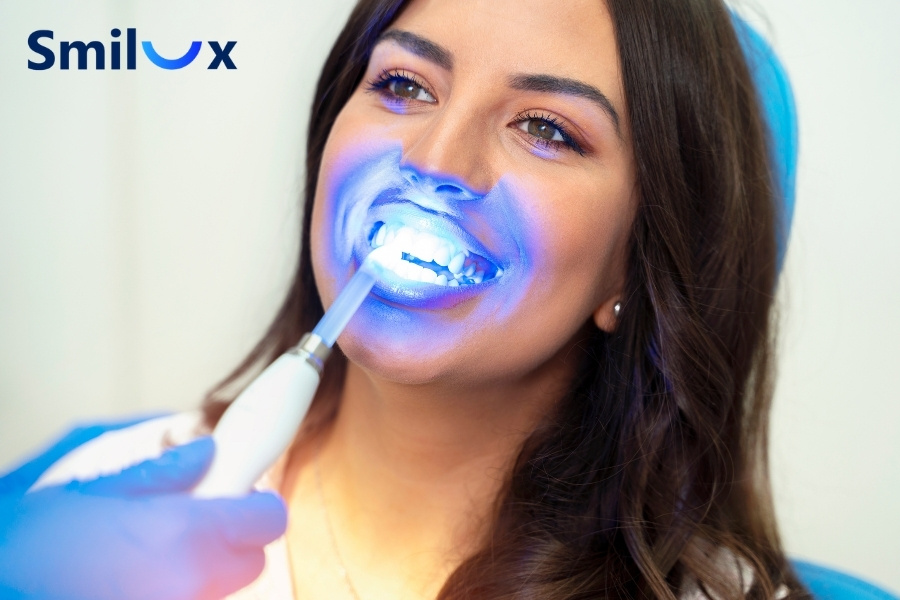
If you want to improve your tooth color but are still worried about sensitivity or possible effects on enamel, visit Smilux International Dental Clinic for a dental examination before treatment.
Depending on your tooth condition, level of discoloration, and enamel sensitivity, the dentist will recommend a suitable teeth whitening method to help brighten your teeth while ensuring safety.
At Smilux Dental, the teeth whitening procedure is performed by dental specialists, with careful control of the whitening agent concentration and application time on the teeth. As a result, patients can achieve a noticeable improvement in tooth color, reduce sensitivity, and maintain a naturally bright smile after whitening.
One of the factors that helps patients feel reassured when undergoing teeth whitening here is that the whitening agents used have a clear origin, are genuine, and can be checked by patients before treatment.
In addition, Smilux Dental always focuses on transparency in consultation and safety in treatment. Patients are clearly informed about their tooth condition, costs, treatment process, and post-whitening care, with no vague explanations or unnecessary over-consultation.
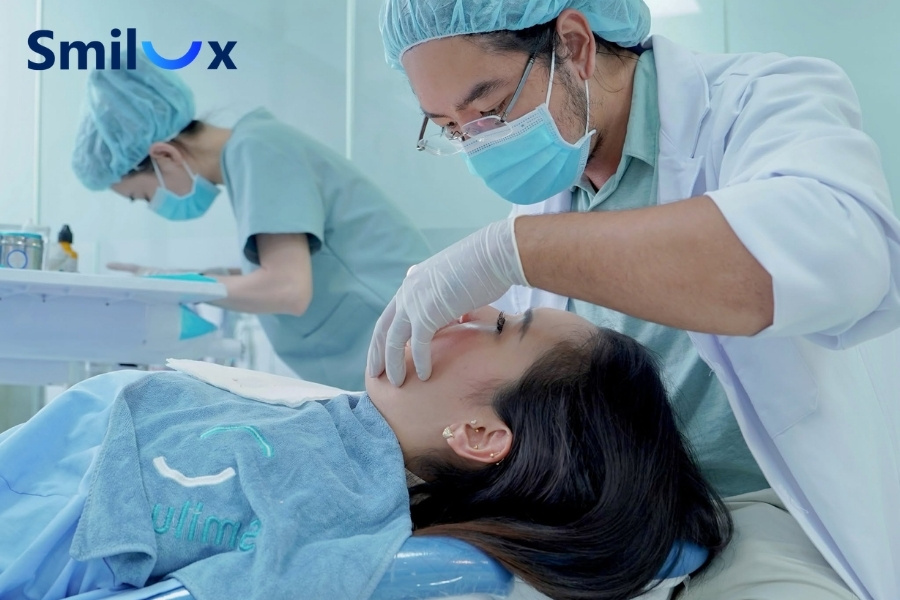
If you want brighter, more natural-looking teeth while keeping your enamel safe, please contact Smilux International Dental Clinic via the FORM below. Our consultation team will get back to you and provide prompt advice.

According to dentists at Smilux, teeth may not become white after whitening due to thin enamel, deep staining, dental crowns, old fillings, or an unsuitable whitening technique.
At What Age Can You Whiten Your Teeth? This article helps you understand the appropriate age for teeth whitening and why children need to be examined by a dentist before whitening their teeth.
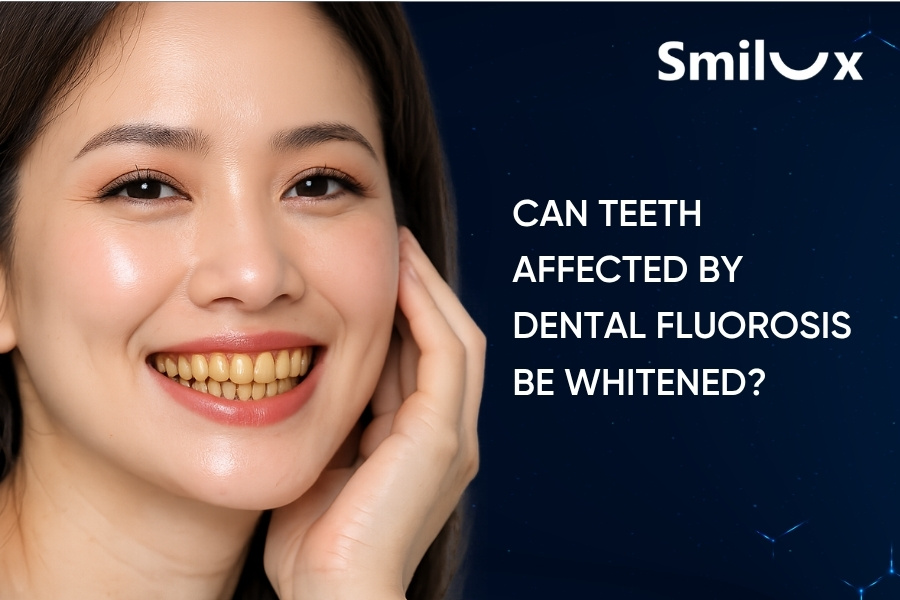
Can Teeth Affected by Dental Fluorosis Be Whitened? Depending on the severity of discoloration and the condition of the tooth enamel, Smilux Dental dentists will recommend the most appropriate treatment.

Can you whiten your teeth while breastfeeding? This article from Smilux doctors helps nursing mothers understand the appropriate time to whiten their teeth, important safety precautions, and suitable postpartum oral care.