Can Dental Crowns Be Whitened? Learn with Smilux why dental crowns do not respond to whitening agents like natural teeth, what causes crowns to become discolored, and how to care for them at home.


Does getting porcelain crowns hurt? This is a common concern for many patients before the procedure. In the article below, Smilux Dental will provide detailed answers to help you understand what it feels like and feel more confident before making a decision.

Does getting porcelain crowns hurt? The procedure is not painful if it is performed correctly and with adequate local anesthesia. During tooth preparation, the dentist only works on the outer enamel layer without affecting deeper structures, so it does not cause discomfort or pain.
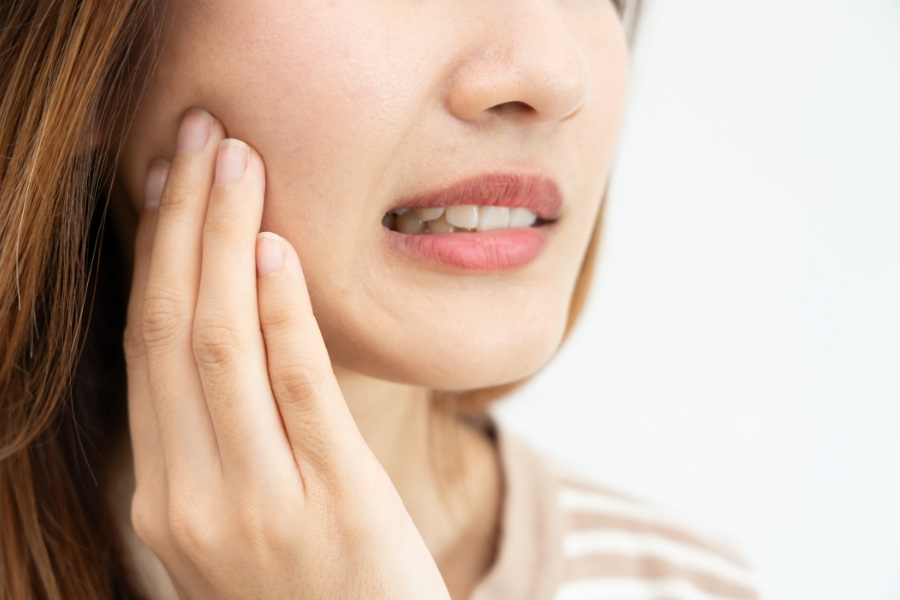
After getting porcelain crowns, you may experience mild sensitivity in the teeth or gums during the first few days. This is a normal response as the teeth adjust to the new crowns and the gum tissue begins to heal. The sensation typically subsides and stabilizes within 2 to 3 days with proper care.
However, if you experience persistent pain lasting more than one week, pain while chewing, or increasing sensitivity, you should visit a dental clinic for early evaluation. These symptoms may be related to bite misalignment, poorly fitted crowns, or underlying dental issues, and should be addressed promptly to avoid affecting long term restoration outcomes.
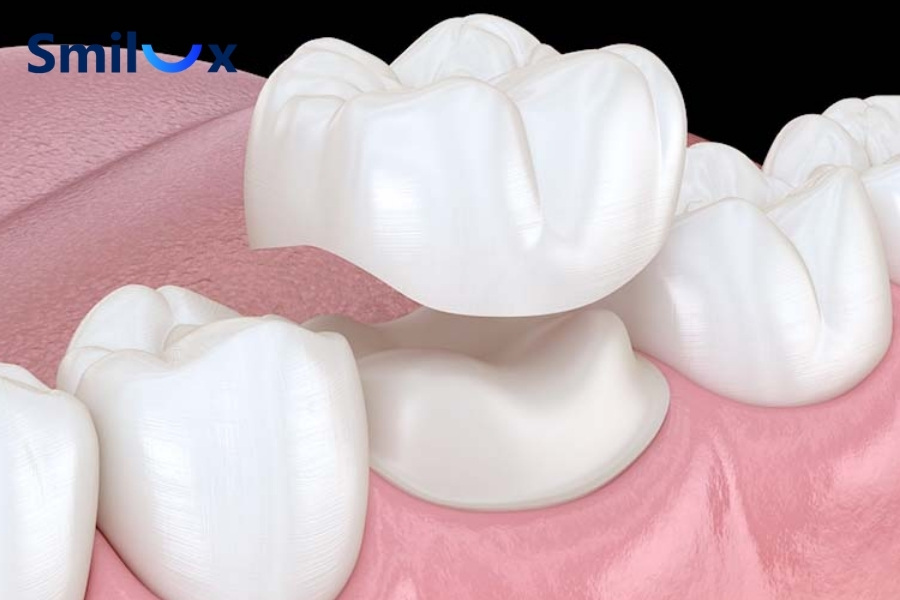
Most cases of pain after getting porcelain crowns are directly related to the dentist’s skill and technique.
Each patient has a different enamel structure and level of sensitivity, so tooth preparation must be carefully calculated to control the extent of reduction. If too much enamel is removed or the procedure is performed incorrectly, the dentin or pulp may be affected, leading to prolonged sensitivity and an increased risk of pulp inflammation.
In addition, if the impression is inaccurate or the crown does not fit properly, the restored tooth may feel too high or cause bite misalignment. As a result, chewing forces are unevenly distributed, leading to discomfort, pressure when biting, and over time, pain in the teeth and jaw.
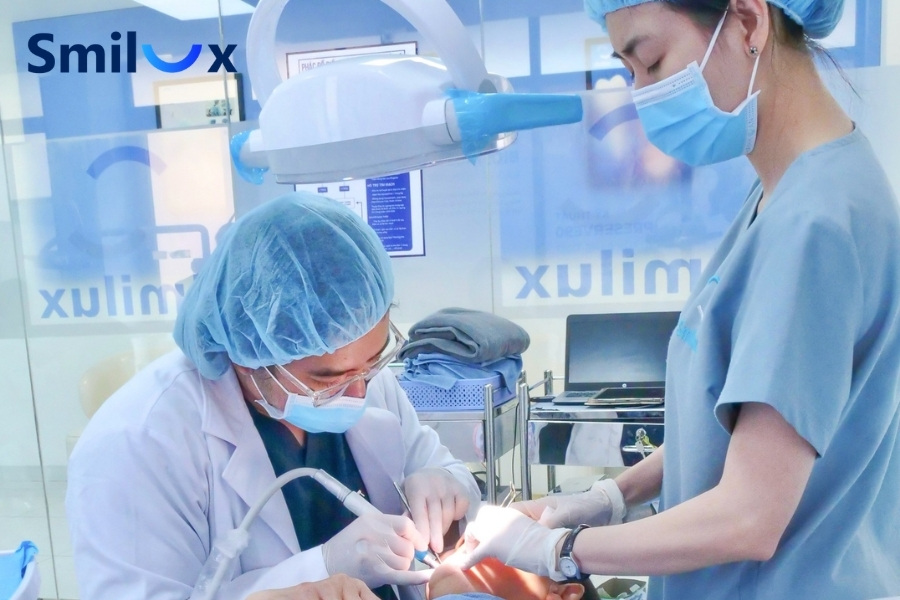
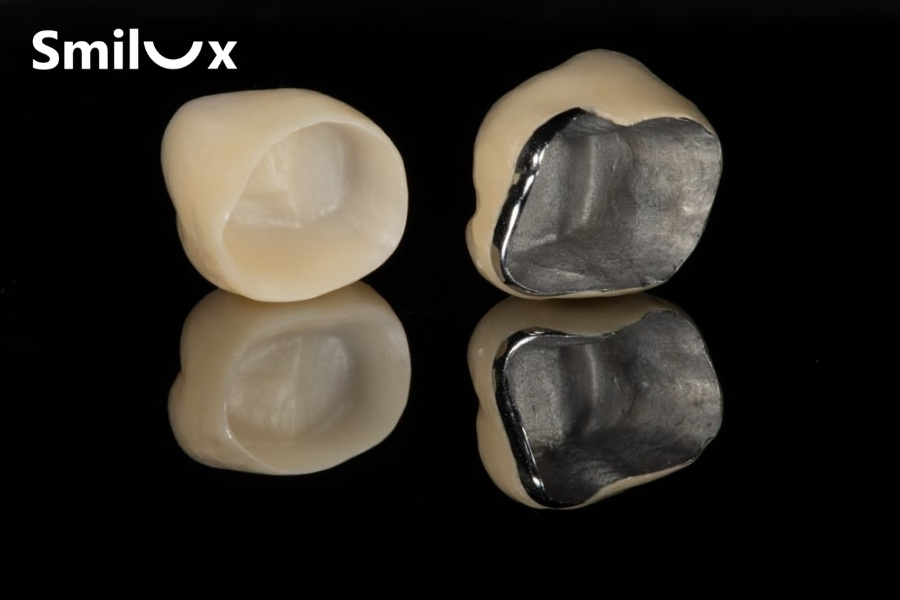
The quality of the porcelain material directly affects whether getting porcelain crowns is painful. Using low quality or unverified crowns may cause gum irritation, inflammation of the surrounding tissues, and lead to prolonged discomfort or pain.
In particular, with metal based crowns, if the alloy is substandard or not biocompatible, some patients may develop sensitivity reactions, resulting in discomfort during chewing or persistent tooth sensitivity.
If you experience prolonged discomfort after getting porcelain crowns, you can follow the recommendations from Smilux Dental below to reduce pain and minimize its impact on your restored teeth:
If pain persists for more than one week after getting porcelain crowns, you should visit a reputable dental clinic for evaluation and timely treatment. This may indicate issues related to bite alignment, crown fit, or underlying tooth structures. Without early intervention, it can affect chewing function and the long term durability of the crowns.
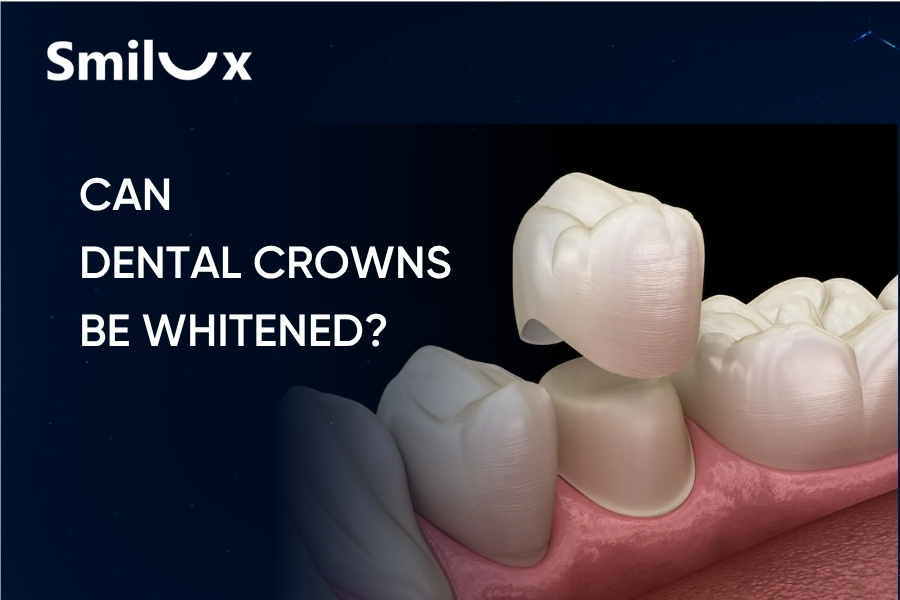
Can Dental Crowns Be Whitened? Learn with Smilux why dental crowns do not respond to whitening agents like natural teeth, what causes crowns to become discolored, and how to care for them at home.

A detailed comparison of Metal Dental Crowns and Titanium Dental Crowns, including durability, aesthetics, cost, and how to choose the most suitable option. Professional consultation from the dentists at Smilux Dental.

Should You Choose Porcelain Crowns or Metal Dental Crowns? Learn about the pros and cons, durability, cost, and aesthetics of each type of dental crown. This article from Smilux will help you choose the most suitable option based on your dental condition and practical needs.

Should You Get Dental Crowns or Veneers? Learn about the benefits, indications, and how to choose the right option for your oral condition. The dentists at Smilux Dental provide personalized solutions to help you achieve a beautiful, confident smile.