Can Dental Crowns Be Whitened? Learn with Smilux why dental crowns do not respond to whitening agents like natural teeth, what causes crowns to become discolored, and how to care for them at home.


Periodontal disease is one of the most common conditions that can seriously affect oral health, causing gum recession, loose teeth, tooth sensitivity, and even early tooth loss. Meanwhile, dental crowns are a widely chosen restorative solution for improving both aesthetics and chewing function.
So, can I get a dental crown if I have gum disease, what conditions need to be met, and which option is the safest? Let’s explore the details with the dentists at Smilux Dental in the article below.
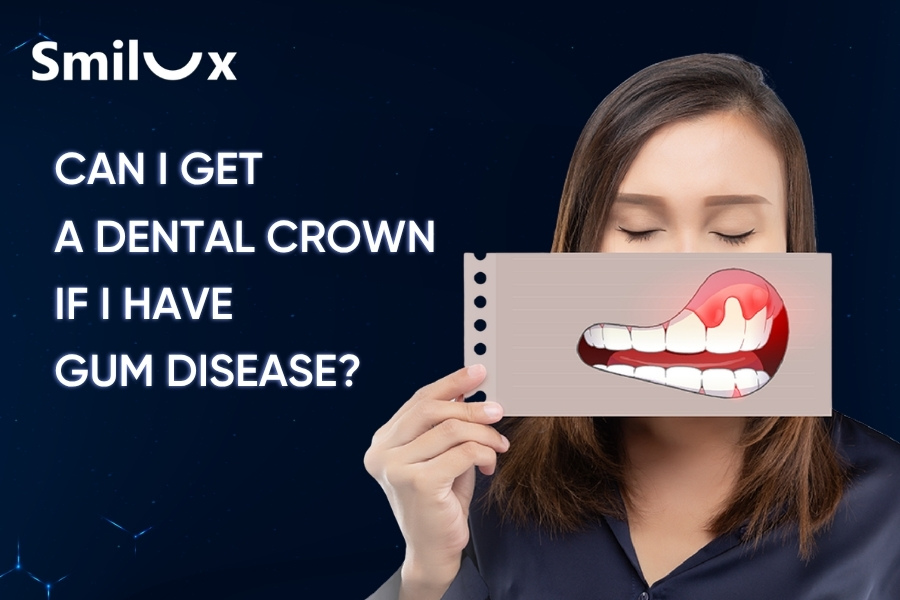
Can I get a dental crown if I have gum disease? The answer is possibly yes, but only when the periodontal condition has been properly treated and stabilized, and the gums and surrounding bone are healthy enough to support the tooth long term.
If a dental crown is placed while gum disease is still progressing, bacteria and ongoing inflammation beneath the gums may continue to destroy the supporting tissues. This can increase the risk of complications such as gum recession, persistent bad breath, jawbone loss, loose teeth, recurrent infection, and even tooth loss.
That is why, before crown treatment, the dentists at Smilux Dental perform a thorough examination, assess the severity of the periodontal disease, and treat all active infection sites first. Only when oral health is under good control will a dental crown be recommended to ensure aesthetics, chewing function, and long term durability.
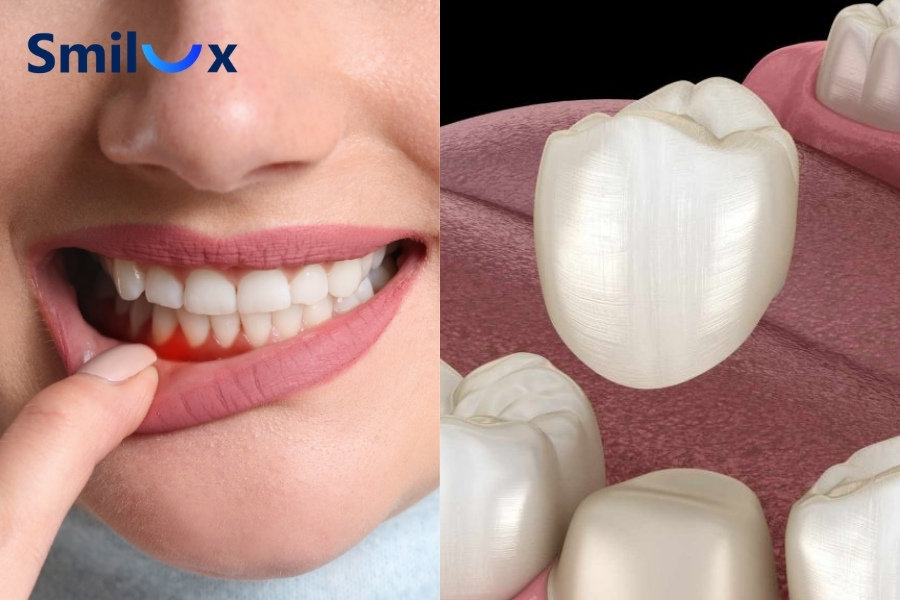
As Smilux Dental has shared regarding the question “Can I get a dental crown if I have gum disease?”, the answer is yes in some cases. However, to ensure safe treatment, long lasting results, and to prevent the condition from worsening, patients with periodontal disease should meet several important requirements below.
This is the most important requirement. The dentist will remove tartar and plaque, treat periodontal pockets, and control the bacteria causing inflammation. In more advanced cases, additional procedures such as gum grafting or bone grafting may be needed to rebuild the supporting tissues before crown restoration.
Not every patient with gum disease can receive a dental crown immediately. If the disease is mild, the tooth root remains stable, and the surrounding tissues are healthy enough, a crown may be recommended.
However, if there is severe bone loss, significant tooth mobility, or a poor long term prognosis for the natural tooth, a better solution may be tooth extraction followed by restoration with a dental implant.
A dental crown does not replace periodontal treatment. After the restoration is completed, patients still need proper oral hygiene, regular dental checkups, and professional cleanings as advised by the dentist. This helps reduce the risk of recurrent infection, extend the lifespan of the crown, and protect the natural tooth underneath.
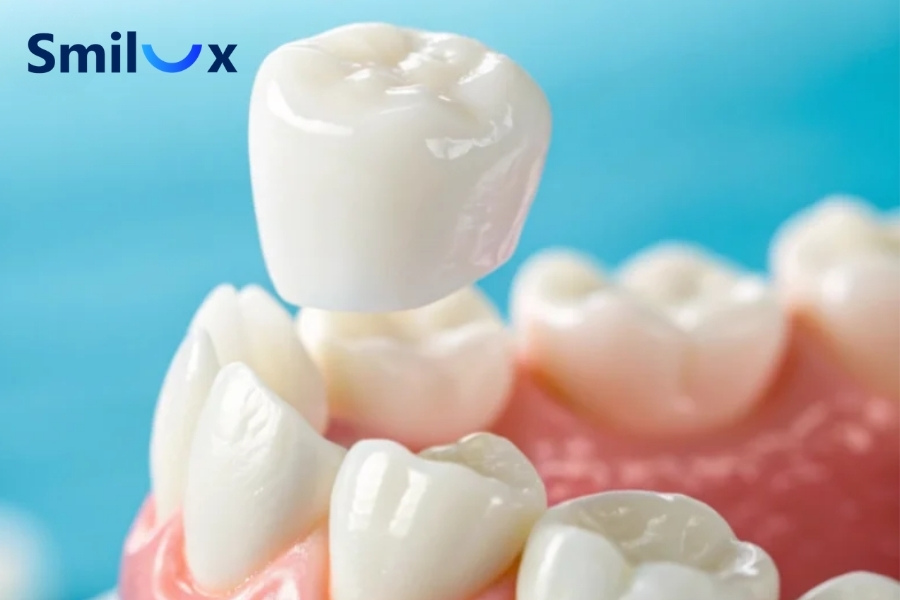
Below are some important points to consider when getting a dental crown if you have had or are currently experiencing gum disease. These recommendations are shared by the dental team at Smilux Dental to help you make a more informed treatment decision.
The crown should have the correct size, shape, and precise fit over the prepared natural tooth. A well designed crown helps distribute biting force properly, avoids irritating the gums, prevents food traps, and reduces the risk of periodontal irritation.
Crown treatment for patients with a history of gum disease requires careful evaluation of the gums, jawbone support, and tooth stability before treatment begins. Choosing a trusted clinic and an experienced dental professional such as the team at Smilux Dental can help minimize unnecessary tooth reduction, preserve natural tooth structure, and improve restorative outcomes.
After the crown is completed, patients should attend regular dental checkups so the dentist can monitor gum health, bite alignment, and crown stability. If symptoms such as bleeding gums, tooth sensitivity, bad breath, or discomfort while chewing appear, early treatment is recommended to prevent future complications.
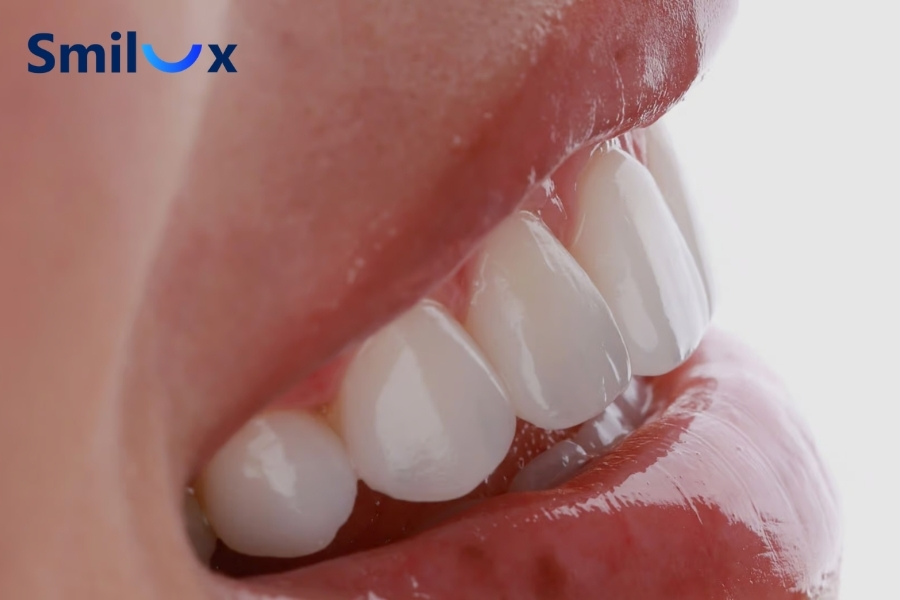
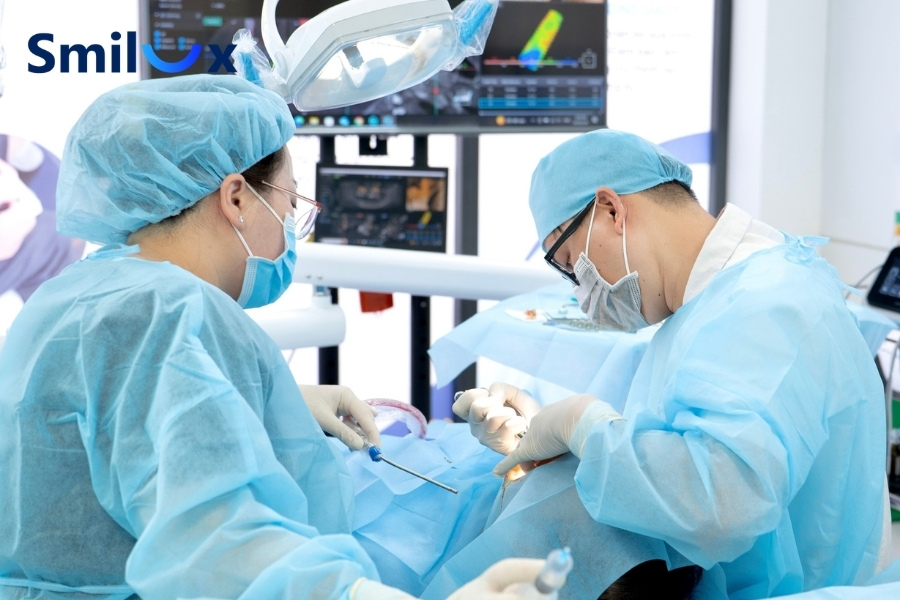
At Smilux Dental, the entire dental crown process for patients with gum disease follows a clear principle: treat the disease first, restore the tooth second. Every step is carefully monitored, personalized to the patient’s actual oral condition, and performed according to strict professional standards to ensure safety, effectiveness, and long term results.
The dentist begins with a full oral examination to evaluate gum inflammation, tooth mobility, bone loss, and the possibility of preserving the natural tooth. In some cases, patients may be advised to undergo a Cone Beam CT scan to accurately assess the tooth roots and jawbone structure before treatment planning.
If periodontal disease is still active or unstable, treatment will be completed before the crown procedure begins. This stage may include professional scaling, deep cleaning of periodontal pockets, bacterial control, and advanced gum care.
Modern technology is also used to improve cleaning efficiency, support gum healing, and create a healthier foundation before restoration.
Once the periodontal condition is well controlled, the dentist prepares the tooth conservatively, then takes impressions or performs a digital scan to create a custom made crown for the patient. The crown is designed for an accurate fit, natural appearance, comfortable chewing, and minimal irritation to the gums.
During the fabrication period, a temporary crown is placed to maintain appearance and daily function. After the final crown is ready, it is permanently cemented, the bite is checked, and detailed adjustments are made before completion.
After the crown is placed, patients receive instructions on proper oral hygiene, care for the gum tissue around the crown, and a schedule for regular follow up visits. Continuous monitoring helps maintain gum health and supports the long term success of the restoration.
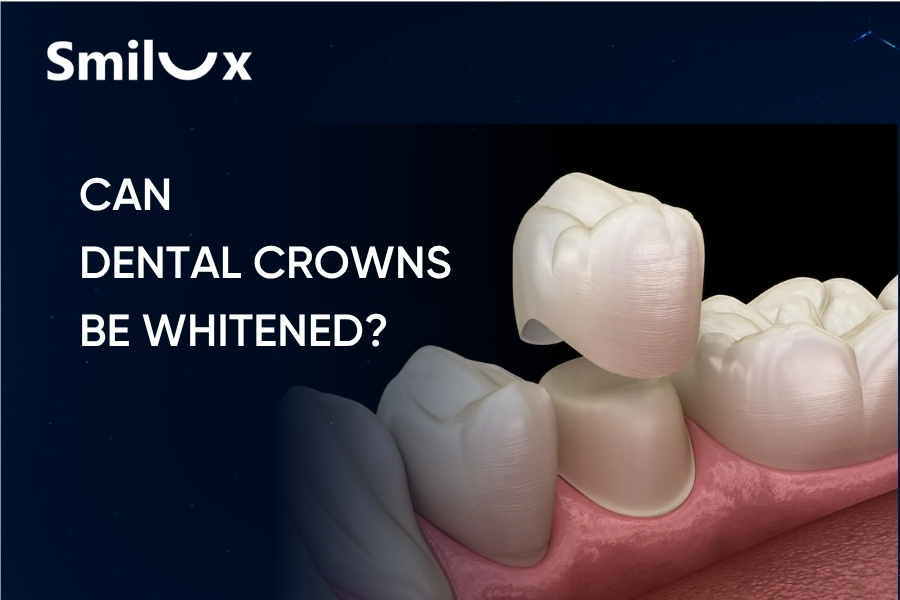
Can Dental Crowns Be Whitened? Learn with Smilux why dental crowns do not respond to whitening agents like natural teeth, what causes crowns to become discolored, and how to care for them at home.

A detailed comparison of Metal Dental Crowns and Titanium Dental Crowns, including durability, aesthetics, cost, and how to choose the most suitable option. Professional consultation from the dentists at Smilux Dental.

Should You Choose Porcelain Crowns or Metal Dental Crowns? Learn about the pros and cons, durability, cost, and aesthetics of each type of dental crown. This article from Smilux will help you choose the most suitable option based on your dental condition and practical needs.

Should You Get Dental Crowns or Veneers? Learn about the benefits, indications, and how to choose the right option for your oral condition. The dentists at Smilux Dental provide personalized solutions to help you achieve a beautiful, confident smile.