1. Home
  2. »
  3. Braces Knowledge
  4. »
  5. Do You Need Tooth Extraction for Braces?

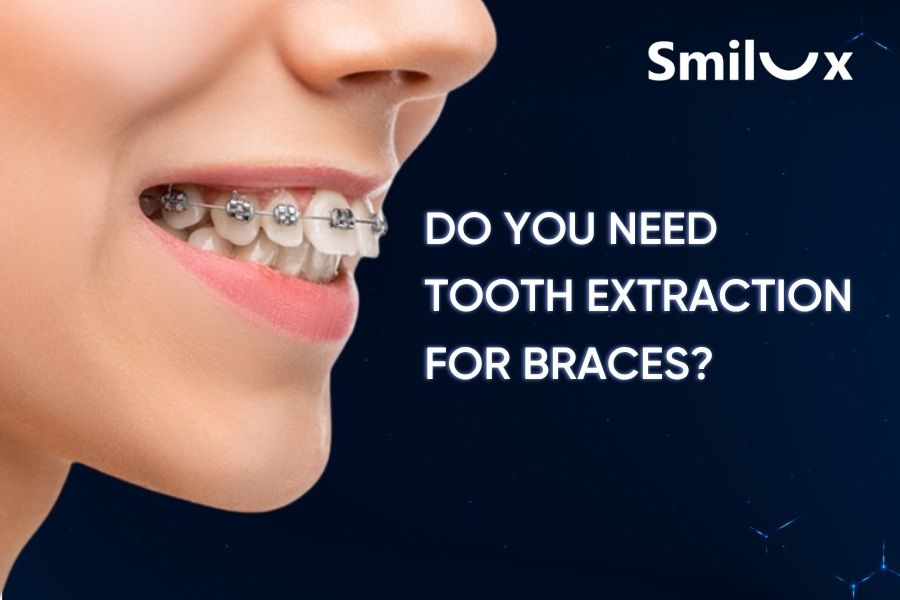
Do You Need Tooth Extraction for Braces? Who Needs Tooth Extraction Before Braces?

Do You Need Tooth Extraction for Braces? This is a common concern for many patients before starting orthodontic care. In some cases, tooth extraction may be part of a comprehensive orthodontic plan, especially when the teeth are severely crowded or the dental structure is imbalanced.

However, tooth extraction is not a default step. It is a clinical decision carefully considered by the orthodontist to support a more stable, long term result.

In the article below, Smilux Dental’s dentist will help you understand when tooth extraction may be needed for braces, when it may not be necessary, and what you should keep in mind before starting the braces process.

Do You Need Tooth Extraction for Braces? Who Needs Tooth Extraction Before Braces?

Benefits of Tooth Extraction Before Braces

The main purpose of tooth extraction before braces is to create enough space for misaligned teeth to move into a more even position. This also helps reduce tooth crowding and shifting, which may affect the final result and the time needed before braces can be removed.

Creating Enough Space for Teeth to Move

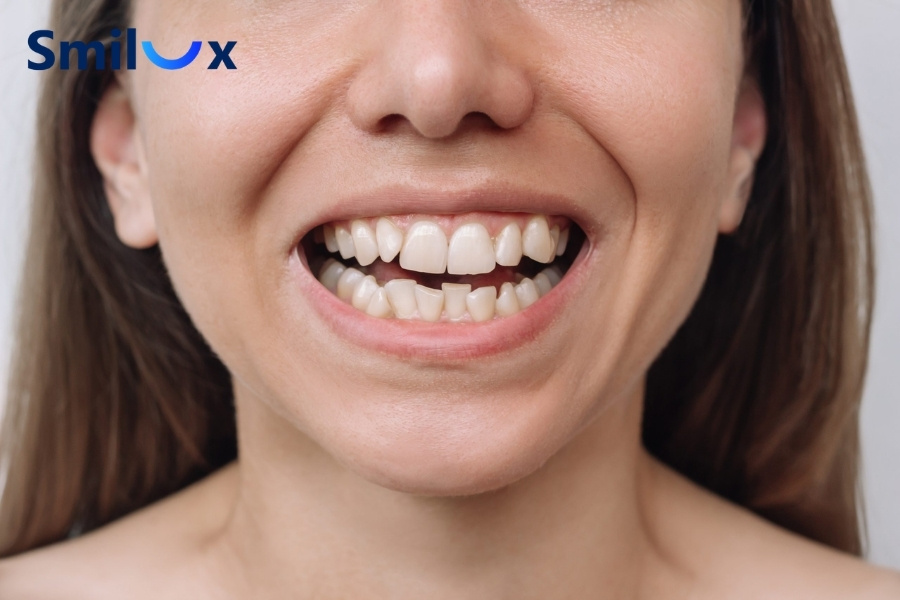
When teeth are severely crowded, crooked, or protrude forward, the dental arch often does not have enough space to guide the teeth into their proper positions. In this case, tooth extraction may be needed to create additional room, allowing tooth movement to take place more smoothly and with better control.

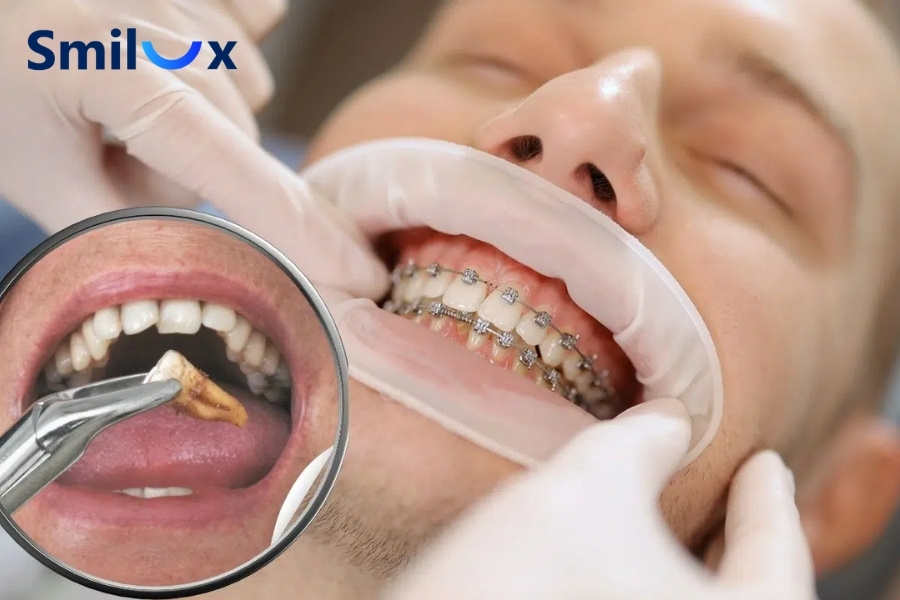
The teeth commonly considered for extraction are the first or second premolars, also known as teeth number 4 or 5. These teeth are well positioned for space creation and usually have minimal impact on chewing function when extraction is properly indicated.

After extraction, the orthodontist will use the available space to retract the front teeth, improve protrusion, align crowded teeth more evenly, and help stabilize the bite after the braces process is complete.

Nhổ răng nhằm tạo đủ khoảng trống cho răng dịch chuyển

Removing Problematic Teeth

In cases where wisdom teeth are impacted or growing at an improper angle, teeth are severely decayed and cannot be restored, teeth are loose due to periodontal disease, or teeth are causing significant bone loss, the dentist will usually prioritize extraction.

These teeth can no longer support proper chewing function, may easily cause pain or infection, and can affect the final result of the braces process.

Correcting Bite Imbalance

In cases where the upper and lower jaws do not develop harmoniously, the teeth are misaligned, or the bite does not fit properly, the dentist may recommend tooth extraction to create space for correction.

This space allows the dentist to guide the teeth into a more suitable position and improve how the upper and lower teeth come together during biting and chewing. As a result, the outcome after braces not only improves the appearance of the smile but also supports more comfortable chewing and long term bite stability.

Nhổ răng khi niềng để điều chỉnh các răng sai khớp cắn

Do You Need Tooth Extraction for Braces?

Do You Need Tooth Extraction for Braces? or whether braces require tooth extraction is a common question among many patients considering this dental procedure. In reality, tooth extraction is not always required for braces.

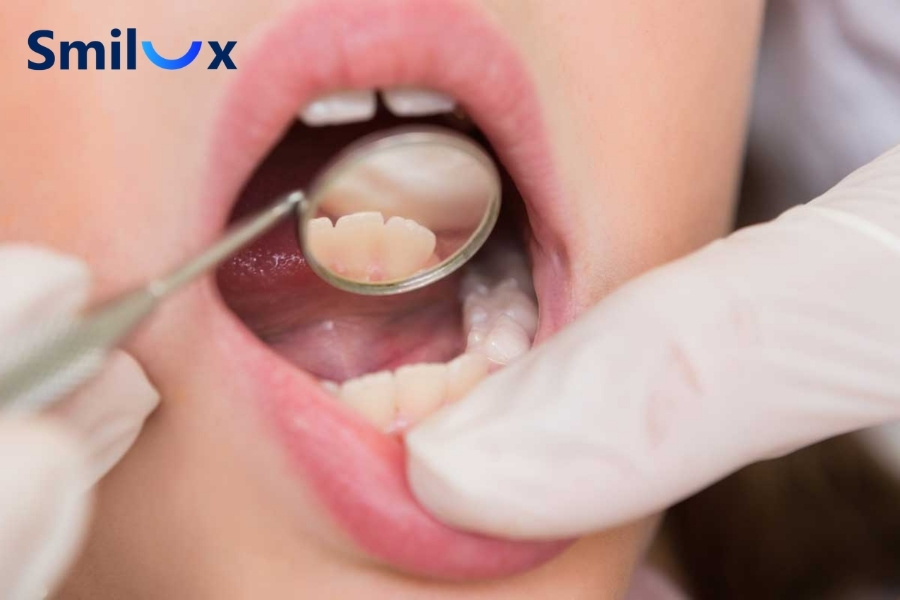
Depending on each patient’s oral condition, the dentist will determine whether tooth extraction is necessary through a clinical examination, dental X rays, and an evaluation of tooth alignment, jawbone structure, and bite condition.

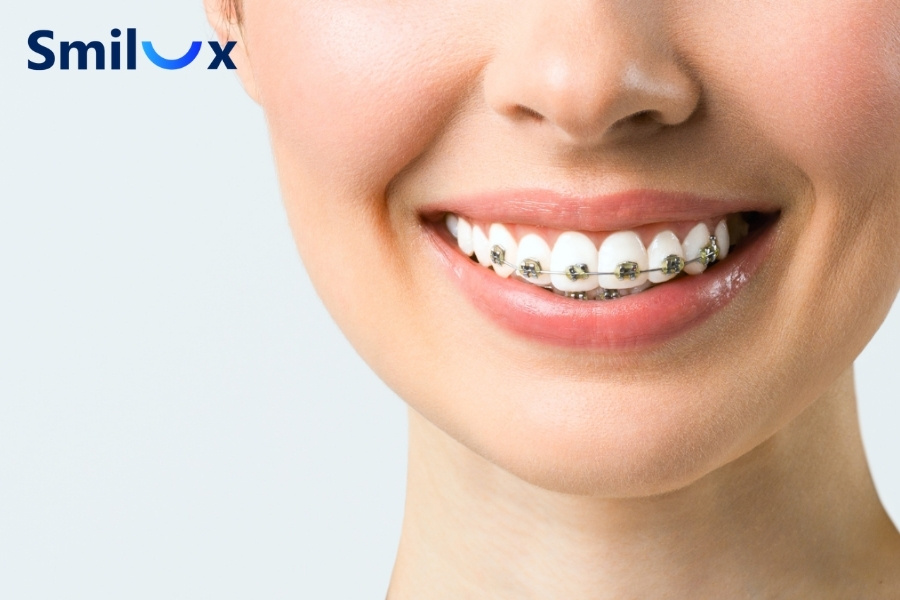
Niềng răng không bắt buộc phải nhổ răng

When Is Tooth Extraction Needed for Braces?

The dentist may recommend tooth extraction for braces in certain necessary cases, including:

  • Teeth that are too large for the dental arch: When the teeth are large but the dental arch is narrow, the teeth are more likely to become crowded, crooked, or positioned incorrectly within the arch.
  • Misaligned or improperly positioned teeth: Some teeth may be severely tilted, impacted, or positioned incorrectly, which can interfere with tooth alignment during orthodontic care.
  • Severely decayed teeth that cannot be restored: Teeth with extensive decay, significant loss of tooth structure, or widespread damage may no longer be suitable for preservation.
  • Cracked, broken, or severely damaged teeth: If the tooth crown or root is badly damaged, common dental procedures such as fillings, crowns, or other restorations may no longer be appropriate.
  • Loose teeth caused by periodontal disease: Severe periodontal disease can lead to bone loss around the teeth, making them loose, weak, and unable to support proper chewing function.
  • Teeth that cause long lasting pain or sensitivity: Teeth with persistent pain or sensitivity due to serious damage often need to be properly managed before starting the braces process.
  • Teeth that affect the bite and chewing function: Some improperly positioned teeth can prevent the upper and lower jaws from biting evenly, cause discomfort when chewing, or gradually lead to bite misalignment over time.

Răng mọc lệch, mọc ngầm hoặc sai vị trí có thể cần nhổ nếu cản trở quá trình sắp xếp răng khi niềng

The dentists at Smilux Dental – Premium International Dental Clinic always prioritize preserving natural teeth as much as possible. Tooth extraction for braces is only recommended when truly necessary and must be based on clinical examination results, dental imaging, bite analysis, and clear professional indications.

Cases Where Tooth Extraction Is Not Needed for Braces

At Smilux Dental, dentists always prioritize preserving natural teeth as much as possible during orthodontic care. For mild misalignment, cases where the dental arch still has enough space, or cases managed early, the dentist can create a braces plan without tooth extraction.

  • Mild tooth crowding: When the teeth only need a small amount of additional space to align properly, usually less than 4mm, the dentist may create space using supportive techniques such as arch expansion, controlled interproximal enamel reduction, or tooth axis adjustment, without the need for tooth extraction.
  • A wide dental arch or spacing between teeth: If the dental arch has enough room, or if there are natural spaces between the teeth, moving the teeth into their proper positions is usually more manageable. In this case, tooth extraction is often not needed to create extra space.
  • Mild protrusion or underbite: For mild cases mainly caused by tooth position and tooth angulation, the dentist can adjust the direction of the teeth to improve the bite and facial appearance without necessarily removing teeth.
  • Children aged 6 to 12: At this stage, the jawbone is still developing, so dentists will limit tooth extraction as much as possible. With early dental examination, the dentist may use an expansion appliance or growth guidance appliance to create more space for permanent teeth to erupt in the correct position.
  • Patients with a short lower facial height: Tooth extraction is usually contraindicated in this case. After extraction, the teeth may be retracted too far, making the lips and cheeks appear more sunken and causing the face to look collapsed or older.

Trường hợp niềng răng không cần phải nhổ răng

Does Tooth Extraction for Braces Have Any Effects?

Tooth extraction for braces is generally safe and does not affect the nerves or overall health when performed at a trusted dental clinic by experienced dentists, such as the team at Smilux Dental.

Before making a decision, the dentist will carefully examine your teeth, take dental X rays, and evaluate the condition of your teeth, jawbone, bite, and the amount of space needed for tooth movement.

In addition, the teeth recommended for extraction are usually those that have minimal impact on chewing function, or impacted and improperly positioned wisdom teeth that need to be removed to prevent damage to nearby teeth.

With today’s dental techniques, tooth extraction has become gentler thanks to local anesthesia, modern equipment, and safe sterile procedures. Therefore, patients should not worry too much about whether tooth extraction for braces may cause any negative effects.

Niềng răng phải nhổ răng có ảnh hưởng gì không?

Alternatives to Tooth Extraction During Orthodontic Care

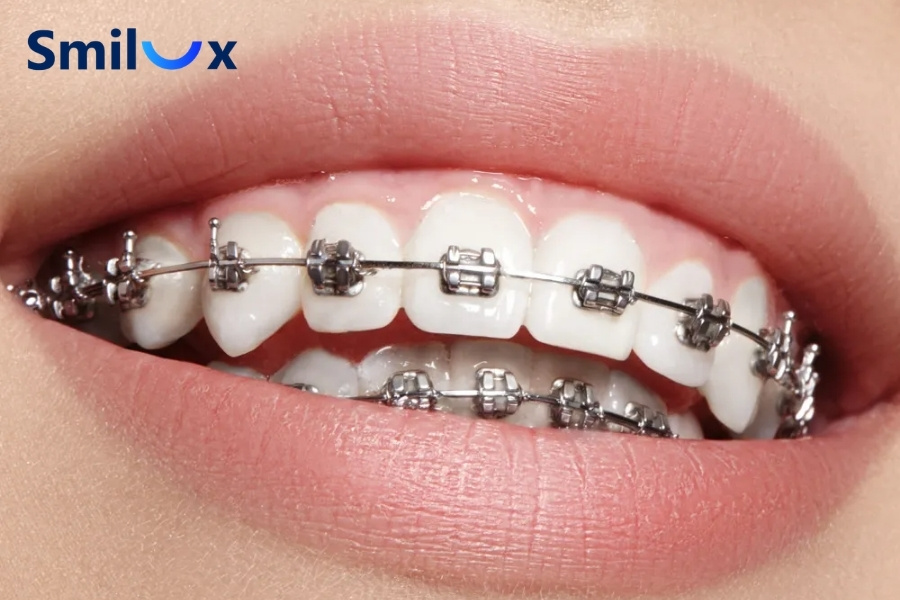
Tooth extraction is not the only way to create space for braces. With the support of modern orthodontic techniques, the dentist can use several other methods to help move the teeth into their proper positions while preserving natural teeth as much as possible.

  • Interproximal Reduction IPR: This technique involves removing a very thin layer of enamel from the sides of the teeth, usually around 0.2 to 0.5mm. When performed across multiple contact points, IPR can create enough space to align the teeth more evenly.
  • Arch Expansion: The dentist uses an orthodontic appliance to widen the dental arch horizontally, creating more room for the teeth. This method is often suitable for patients with a narrow dental arch and is especially more favorable in children or teenagers while the jawbone is still developing.
  • Using Orthodontic Mini Screws: Mini screws act as stable anchorage points, helping the dentist control the force used to move the teeth more precisely. In cases of protruding teeth or when the teeth need to be retracted, mini screws can help move the entire dental segment backward without removing premolars.
  • Using the Space After Wisdom Tooth Extraction: If wisdom teeth are impacted, growing at an improper angle, or no longer have a clear chewing function, the dentist may recommend removing them and using the space at the back of the arch to retract the teeth. This approach helps reduce the need to remove healthy teeth, such as the first premolars.

In addition to Do You Need Tooth Extraction for Braces?, you can also read the article Can You Kiss with Braces?, carefully prepared by Smilux Dental’s dentist, to feel more confident and mentally prepared before starting the braces process.

Safe and Comfortable BioLight Braces Technology at Smilux Dental

So, Do You Need Tooth Extraction for Braces? The answer depends on your dental condition, the severity of bite misalignment, and the orthodontist’s care plan. When necessary, tooth extraction for braces is considered safe if performed with proper technique, without causing negative effects on your health or the surrounding jawbone structure.

What matters most is choosing a trusted dental clinic with experienced orthodontists, so you can receive a proper examination, dental imaging, and a suitable care plan from the beginning.

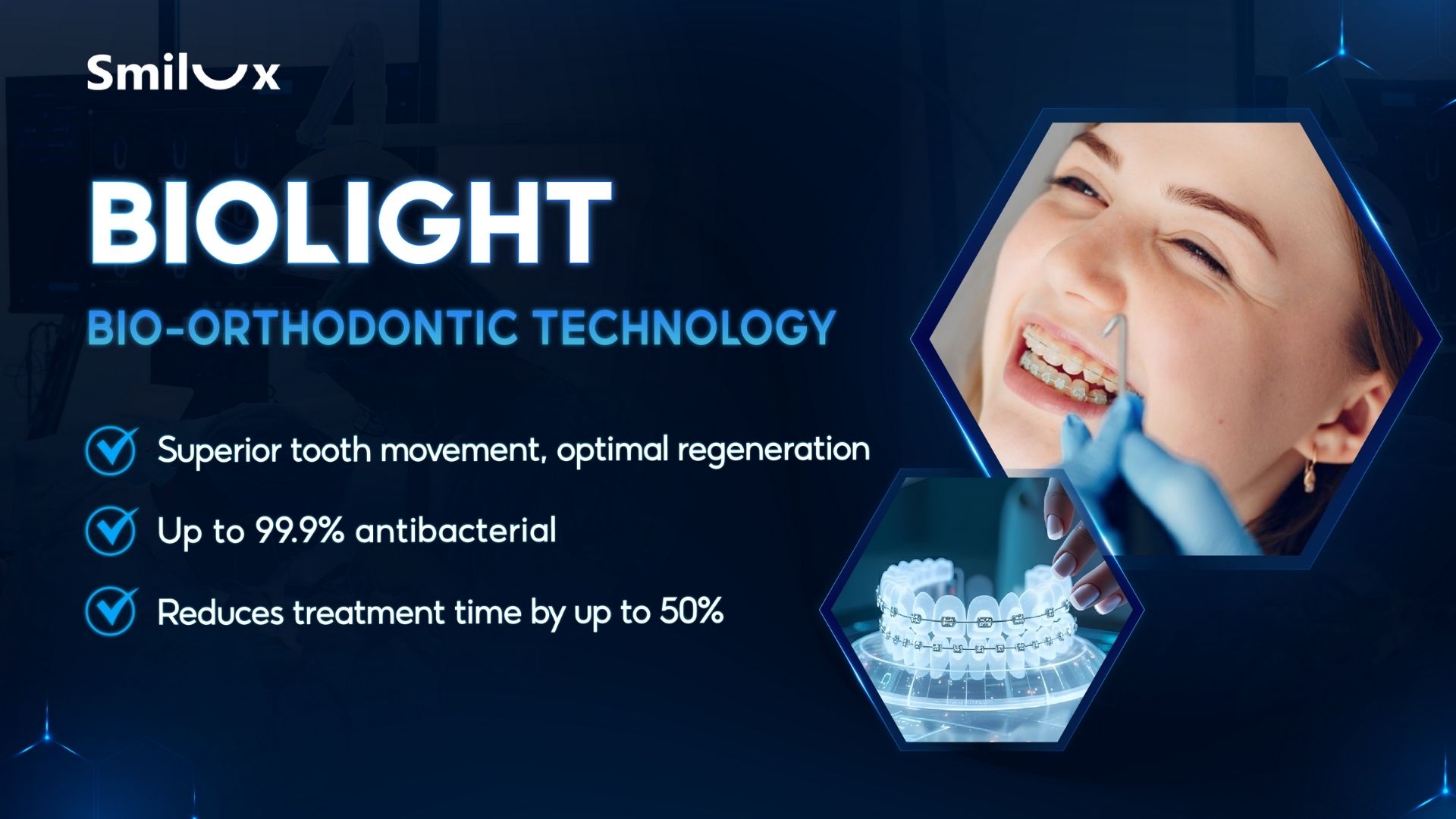
At Smilux Dental International Clinic, patients can experience the new generation of biological braces technology, BioLight, which supports a safer, gentler braces process while preserving natural teeth as much as possible.

Below are the key advantages of BioLight braces technology:

  • Shortens the braces timeline: BioLight helps stimulate bone remodeling around the tooth roots, creating favorable conditions for the teeth to move steadily according to the dentist’s plan. As a result, the time wearing braces may be optimized compared to conventional methods.
  • Reduces discomfort and sensitivity: Biological light helps the tissues around the teeth adapt better after each force adjustment, contributing to reduced tightness, soreness, and sensitivity. This allows patients to feel more comfortable in daily activities.
  • Protects the teeth, gums, and jawbone: Instead of applying strong force to move teeth quickly, BioLight prioritizes a biological tooth movement mechanism. This allows the dentist to control orthodontic force more precisely and reduce pressure on the tooth roots, gums, and alveolar bone.
  • Improves stability after braces: When teeth move according to a plan that matches the body’s ability to adapt, the final orthodontic result can have a more stable foundation. After braces are removed, the dentist will still guide patients on wearing retainers to protect long term results.

In addition, when choosing Smilux Dental, each patient is directly examined by a dentist with more than 15 years of experience, along with dental imaging and detailed bite analysis. Based on the evaluation results, the dentist will create a personalized orthodontic care plan and control the pulling force appropriately at each stage, helping deliver a gentler and more comfortable braces experience.

Thumb BioLight Technology

BOOK APPOINTMENT​

    CONCLUSION

    Hopefully, the professional insights shared above by Smilux Dental’s dentists have helped answer your question, “Do You Need Tooth Extraction for Braces?”, and understand when tooth extraction may be needed during the braces process.

    If you are considering braces, contact Smilux Dental via HOTLINE (+84) 866 251 379 to have your teeth examined by a dentist, receive guidance on a suitable care plan, and get detailed answers to your questions before starting orthodontic care.

    bs hoàng danh ngân mới nhất
    PROFESSIONAL CONSULTATION: DR. HOANG DANH NGAN Dr. Hoang Danh Ngan, MSc., DDS., CHUWS, is one of the leading dental professionals at Smilux Dental, with over 15 years of clinical experience.

    FAQs

    Does Tooth Extraction for Braces Hurt?

    Tooth extraction for braces may cause mild soreness or discomfort during the first 1 to 2 days, but this feeling is usually manageable. Before the procedure, the dentist will use local anesthesia to help patients feel more comfortable throughout the extraction. After the anesthesia wears off, the extraction area may feel slightly sore, swollen, or uncomfortable when chewing. These symptoms will gradually improve with proper care according to the dentist’s instructions.

    Can Braces Work Without Tooth Extraction?

    For cases where there is enough space for the teeth to move, the dentist may recommend braces without tooth extraction. This care plan can still deliver reliable results by guiding the teeth into their proper positions, improving the bite, and enhancing the appearance of the smile.

    Which Teeth Are Commonly Removed for Braces?

    For braces, the teeth most commonly removed are those that have less impact on chewing function, such as the first premolars, also known as teeth number 4, the second premolars, also known as teeth number 5, or wisdom teeth, also known as teeth number 8.

    Do You Need Wisdom Tooth Extraction for Braces?

    Wisdom tooth extraction, also known as removal of tooth number 8, is not always required for braces. The dentist will only recommend removal if the wisdom tooth is impacted, growing at an improper angle, growing sideways and causing pain, creating a need for extra space to align the teeth, or posing a risk of tooth shifting after braces.

    ---------- Braces Knowledge ----------

    Do You Need Tooth Extraction for Braces?
    09May

    Hear from Smilux Dental’s dentist in the article below to better understand Do You Need Tooth Extraction for Braces? and which cases may require tooth extraction during orthodontic treatment.

    Can You Kiss with Braces?
    08May

    Can You Kiss with Braces? In the article below, Smilux Dental’s dentist will explain this in detail and share helpful tips to help you feel more confident and comfortable when kissing with braces.

    Can Braces Change Your Facial Shape?
    07May

    Can Braces Change Your Facial Shape? According to the dentists at Smilux Dental, properly planned orthodontic care can help improve the facial profile, correct the bite, and create a more balanced and harmonious appearance after braces.

    The Worst Stage of Braces
    06May

    The Worst Stage of Braces and how to overcome it is a common concern for many people before starting orthodontic treatment. This article from Smilux will help you better understand the common changes during braces treatment and how to effectively improve aesthetics.

    1 2
    This site is registered on wpml.org as a development site. Switch to a production site key to remove this banner.