At What Age Can You Get Braces? Learn with Smilux about the appropriate age for orthodontic treatment, the “golden time” that allows teeth to move more easily, and cases that require a dental examination before getting braces.


Do You Need Tooth Extraction for Braces? This is a common concern for many patients before starting orthodontic care. In some cases, tooth extraction may be part of a comprehensive orthodontic plan, especially when the teeth are severely crowded or the dental structure is imbalanced.
However, tooth extraction is not a default step. It is a clinical decision carefully considered by the orthodontist to support a more stable, long term result.
In the article below, Smilux Dental’s dentist will help you understand when tooth extraction may be needed for braces, when it may not be necessary, and what you should keep in mind before starting the braces process.
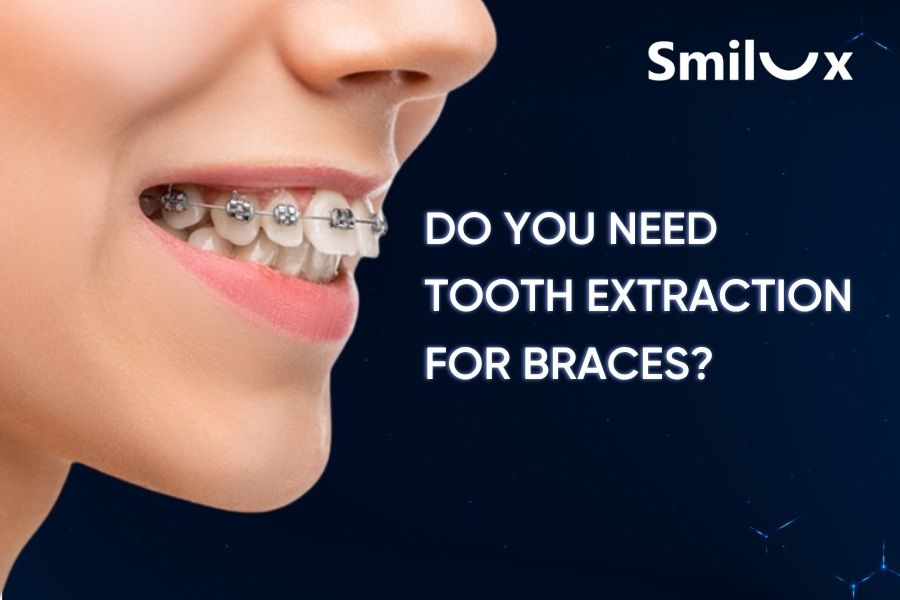
When teeth are severely crowded, crooked, or protrude forward, the dental arch often does not have enough space to guide the teeth into their proper positions. In this case, tooth extraction may be needed to create additional room, allowing tooth movement to take place more smoothly and with better control.
The teeth commonly considered for extraction are the first or second premolars, also known as teeth number 4 or 5. These teeth are well positioned for space creation and usually have minimal impact on chewing function when extraction is properly indicated.
After extraction, the orthodontist will use the available space to retract the front teeth, improve protrusion, align crowded teeth more evenly, and help stabilize the bite after the braces process is complete.
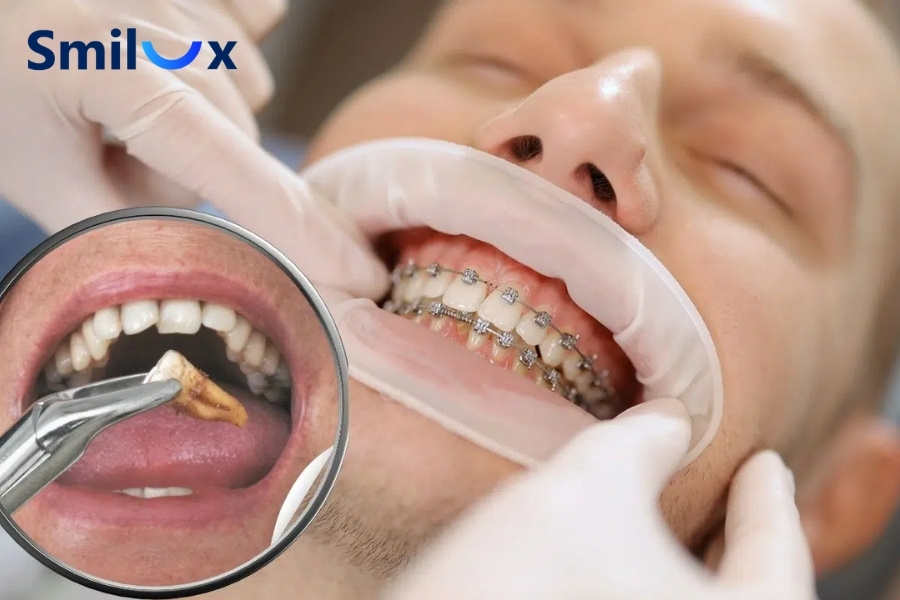
In cases where the upper and lower jaws do not develop harmoniously, the teeth are misaligned, or the bite does not fit properly, the dentist may recommend tooth extraction to create space for correction.
This space allows the dentist to guide the teeth into a more suitable position and improve how the upper and lower teeth come together during biting and chewing. As a result, the outcome after braces not only improves the appearance of the smile but also supports more comfortable chewing and long term bite stability.
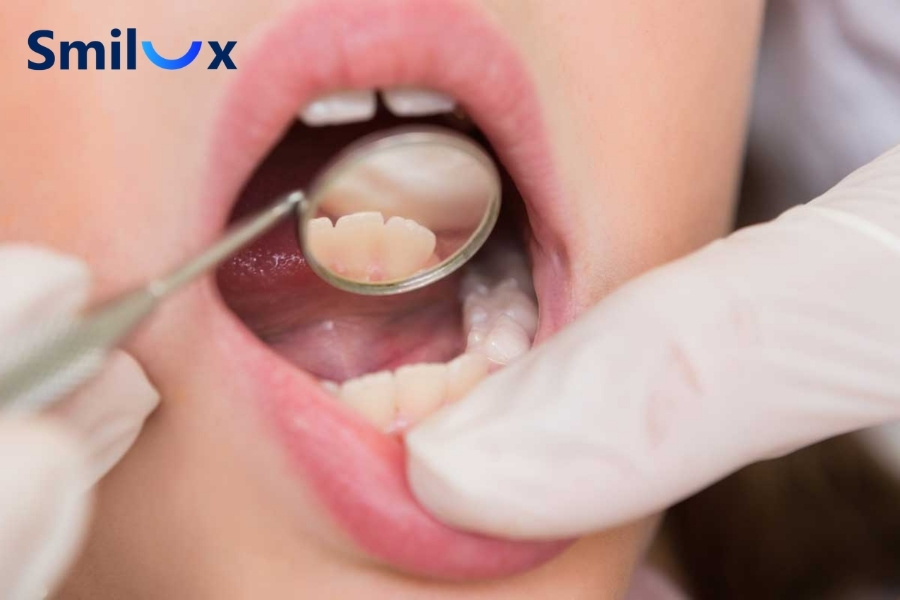
Do You Need Tooth Extraction for Braces? or whether braces require tooth extraction is a common question among many patients considering this dental procedure. In reality, tooth extraction is not always required for braces.
Depending on each patient’s oral condition, the dentist will determine whether tooth extraction is necessary through a clinical examination, dental X rays, and an evaluation of tooth alignment, jawbone structure, and bite condition.
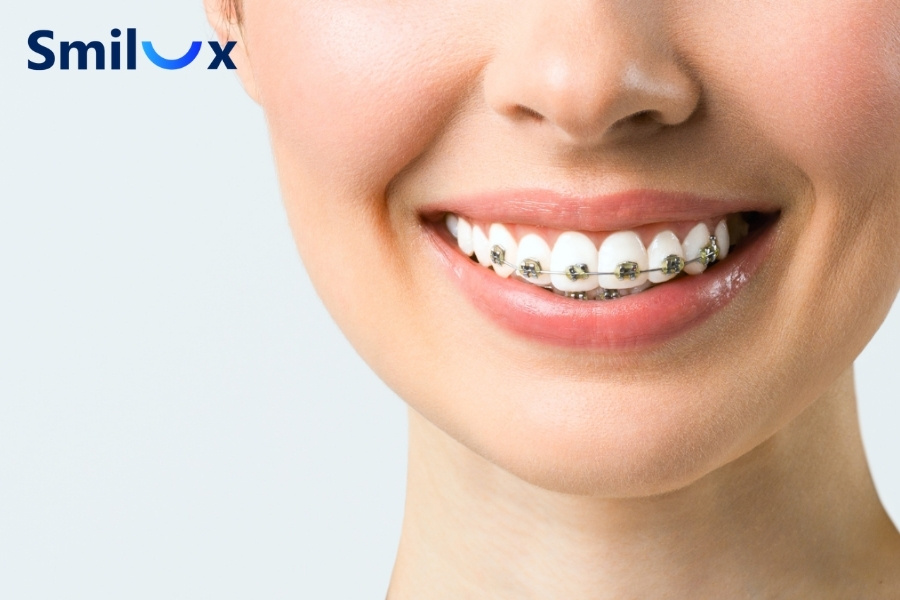
The dentist may recommend tooth extraction for braces in certain necessary cases, including:
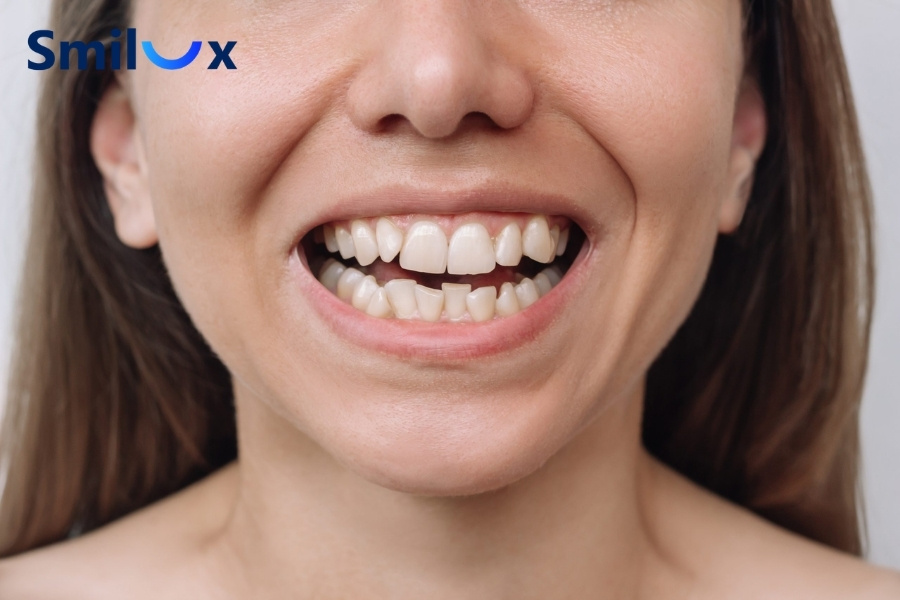
At Smilux Dental, dentists always prioritize preserving natural teeth as much as possible during orthodontic care. For mild misalignment, cases where the dental arch still has enough space, or cases managed early, the dentist can create a braces plan without tooth extraction.
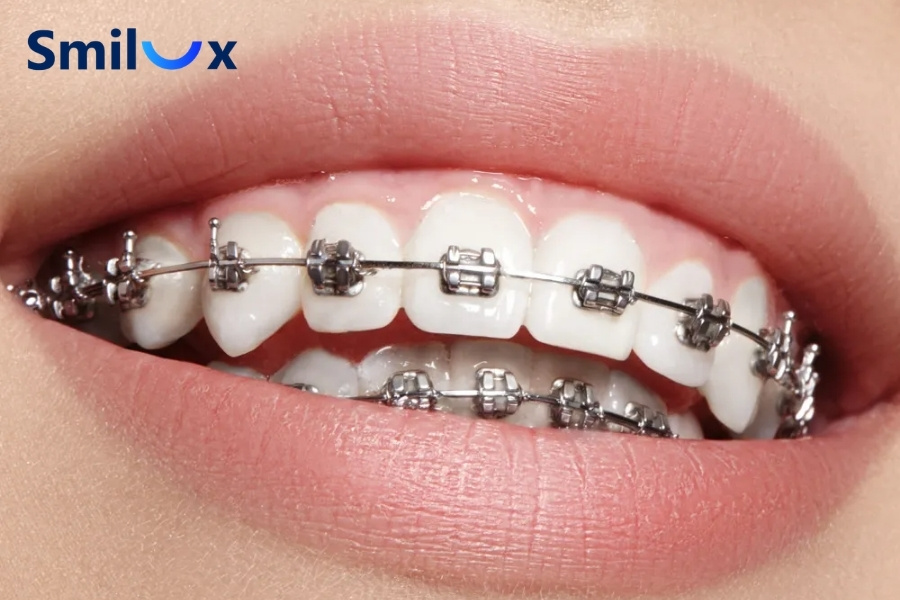
Tooth extraction for braces is generally safe and does not affect the nerves or overall health when performed at a trusted dental clinic by experienced dentists, such as the team at Smilux Dental.
Before making a decision, the dentist will carefully examine your teeth, take dental X rays, and evaluate the condition of your teeth, jawbone, bite, and the amount of space needed for tooth movement.
In addition, the teeth recommended for extraction are usually those that have minimal impact on chewing function, or impacted and improperly positioned wisdom teeth that need to be removed to prevent damage to nearby teeth.
With today’s dental techniques, tooth extraction has become gentler thanks to local anesthesia, modern equipment, and safe sterile procedures. Therefore, patients should not worry too much about whether tooth extraction for braces may cause any negative effects.
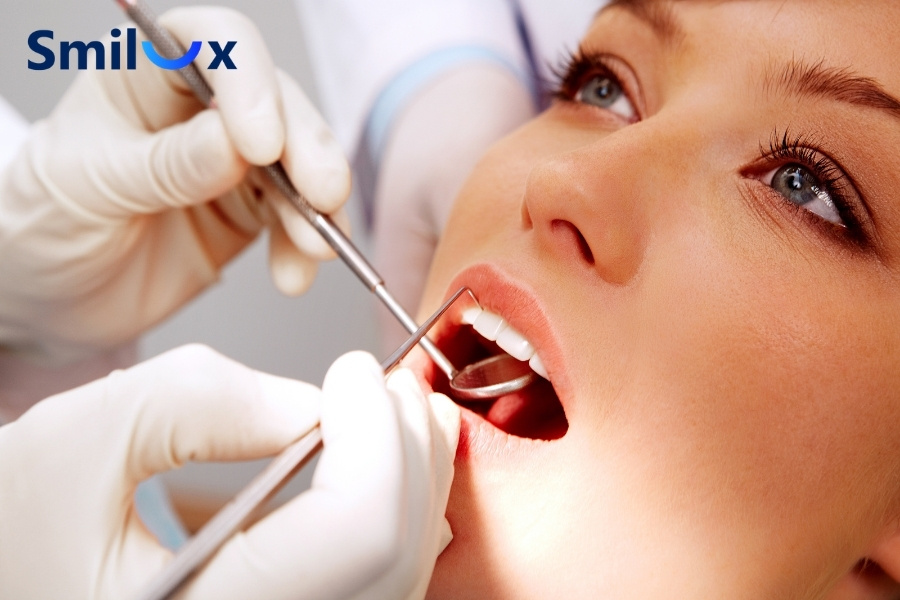
So, Do You Need Tooth Extraction for Braces? The answer depends on your dental condition, the severity of bite misalignment, and the orthodontist’s care plan. When necessary, tooth extraction for braces is considered safe if performed with proper technique, without causing negative effects on your health or the surrounding jawbone structure.
What matters most is choosing a trusted dental clinic with experienced orthodontists, so you can receive a proper examination, dental imaging, and a suitable care plan from the beginning.
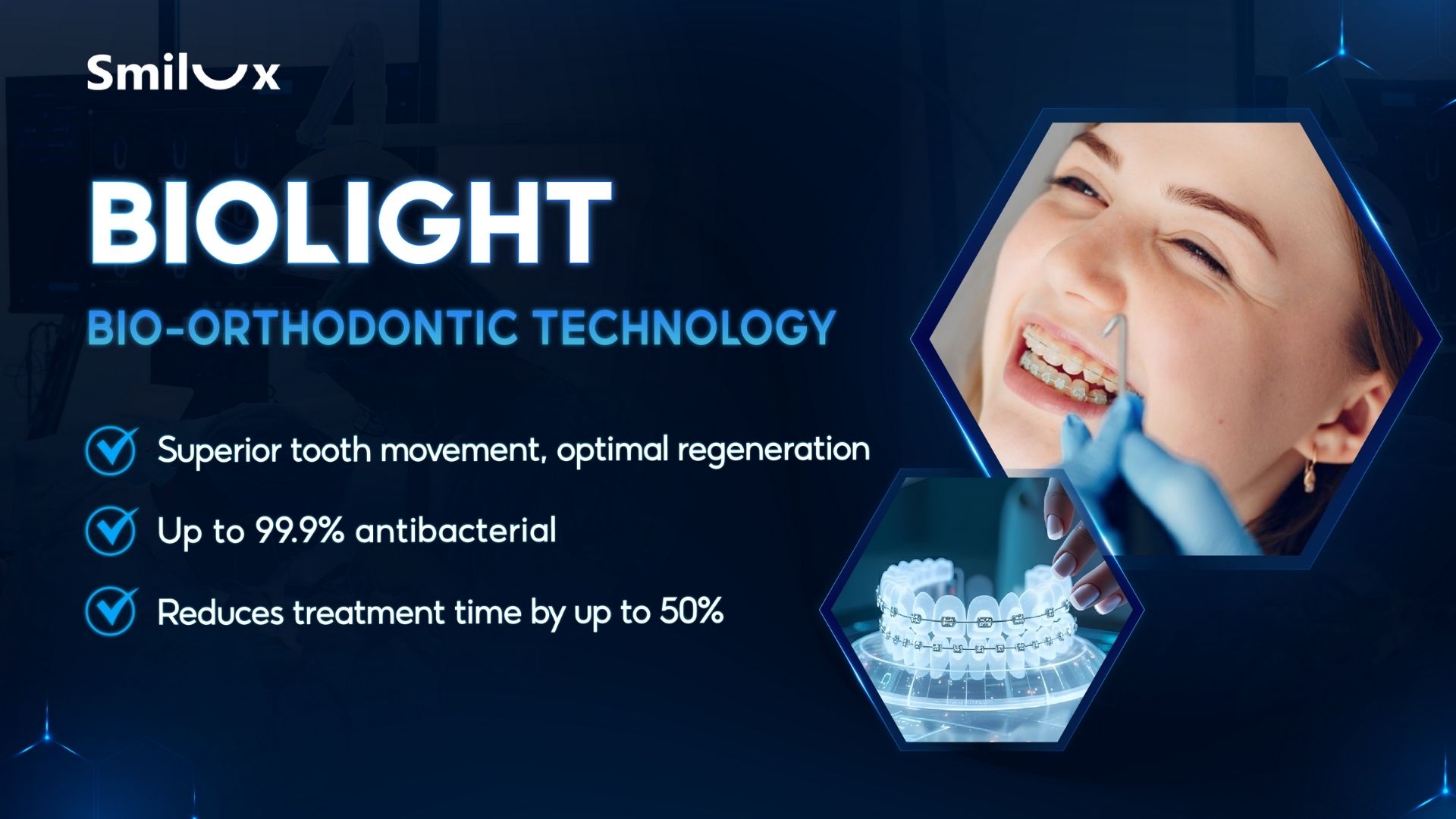
At Smilux Dental International Clinic, patients can experience the new generation of biological braces technology, BioLight, which supports a safer, gentler braces process while preserving natural teeth as much as possible.
Below are the key advantages of BioLight braces technology:
In addition, when choosing Smilux Dental, each patient is directly examined by a dentist with more than 15 years of experience, along with dental imaging and detailed bite analysis. Based on the evaluation results, the dentist will create a personalized orthodontic care plan and control the pulling force appropriately at each stage, helping deliver a gentler and more comfortable braces experience.

At What Age Can You Get Braces? Learn with Smilux about the appropriate age for orthodontic treatment, the “golden time” that allows teeth to move more easily, and cases that require a dental examination before getting braces.
Learn about the causes, warning signs, management methods, and preventive measures for Bone Loss With Braces from Smilux Dental dentists to better protect your teeth, gums, and alveolar bone.
Can I Swim With Braces? Learn advice from Smilux dentists on swimming during orthodontic treatment, how to protect your brackets and aligners, and how to maintain proper oral hygiene so your braces treatment progress is not affected.
Can I Whiten My Teeth While Wearing Braces? Smilux Dental dentists explain the best time to whiten your teeth during orthodontic treatment, the risks to avoid, and how to care for your teeth to help reduce staining and sensitivity while wearing braces.