At What Age Can You Get Braces? The “Golden Age” for Getting Braces
Many people believe that braces are only suitable for children or young adults, as most orthodontic cases are usually performed during adolescence. However, with the advancement of modern dental techniques, age is no longer the only factor that determines whether a person can get braces.
So, at what age can you get braces, and what is the “golden age” for effective orthodontic treatment? Let’s learn more with the doctors at Smilux Dental International Clinic in the article below.
At What Age Can You Get Braces? The “Golden Age” for Getting Braces
With the advancement of modern orthodontic technology, orthodontic treatment is no longer limited by age as it was in the past. Patients from 6 years old to under 50 years old can get braces.
However, each age group has different treatment goals and levels of orthodontic effectiveness, specifically as follows:
From 6 to 11 years old: This is the pre-orthodontic stage. At this age, children are in the process of tooth replacement, and their jawbones are still developing. The dentist will monitor the direction of tooth eruption, jaw arch development, and bite misalignments such as protrusion, underbite, crossbite, deep bite, or a narrow dental arch. If necessary, children may be prescribed early orthodontic appliances to support more balanced jaw development.
From 12 to 16 years old: This is a favorable stage for getting braces. At this time, the permanent teeth have erupted relatively fully, and the jawbone can still respond well to orthodontic force, allowing the teeth to move more easily. Treatment during this stage helps improve crooked teeth, protrusion, underbite, gaps between teeth, or bite misalignment more effectively.
From 17 to 35 years old: This is still a suitable age range for braces if oral health is stable. In adults, the jawbone has fully developed, so teeth may move more slowly compared to puberty. However, good results can still be achieved if the dentist develops an appropriate treatment plan.
From 35 to 50 years old: Braces can still be considered at this age, but a more thorough examination is required. The dentist will assess the patient’s periodontal condition, level of bone loss, tooth mobility, missing teeth, or any accompanying oral diseases before deciding whether orthodontic treatment is appropriate.
In general, braces can be performed at different ages, but the effectiveness and treatment plan will depend on each person’s teeth, jawbone, and periodontal health. Therefore, patients should visit an orthodontist directly for a bite assessment, dental X-rays, and consultation on the most suitable treatment method.
At What Age Is It Too Late to Get Braces?
There is no specific rule regarding the upper age limit for getting braces. In fact, whether orthodontic treatment is suitable depends on each person’s oral condition, overall health, and ability to respond to treatment.
However, there are some cases that should be carefully considered before undergoing orthodontic treatment, such as:
Very Young Children (Under 6 Years Old)
When children are still very young, their baby teeth have not fully been replaced, and their jawbones are still developing. This is not yet the appropriate time to attach braces or undergo fixed orthodontic treatment like adults. If treatment is started too early, children may experience pain, discomfort, and may not cooperate well during the treatment process.
However, from around 6 years old, parents can take their children to a dental clinic so the dentist can check the development of their teeth and jaws. If misaligned teeth, protrusion, underbite, crossbite, or a narrow dental arch are detected, the dentist may prescribe a trainer appliance or a suitable pre-orthodontic appliance to help guide the teeth and jawbones to develop in a more proper direction.
People Over 50 Years Old
After the age of 50, the teeth and supporting tissues around the teeth are often weaker compared to those of younger people. Some patients may experience periodontitis, bone loss, tooth mobility, or long-term tooth loss. These factors make the orthodontic process more difficult to control, may prolong the treatment time, and the results may not be as expected.
Therefore, people over 50 are not necessarily unable to get braces. However, before making a decision, a thorough examination is needed to assess whether the teeth are still strong, whether the gums are healthy, and whether the bone around the teeth is stable enough.
If the dental foundation is still good, orthodontic treatment can still be considered. On the other hand, if the teeth are weak or periodontal disease has not been controlled, the dentist will prioritize another safer treatment approach.
Following the topic “At What Age Can You Get Braces?”, the doctors at Smilux Dental International Clinic will share more clearly about the ideal age for orthodontic treatment to achieve good results.
Accordingly, the golden age for getting braces is between 12 and 16 years old, which is the stage after children begin puberty. This is when the permanent teeth have erupted relatively fully, while the jawbone is still developing, allowing the teeth to move more effectively.
Getting braces at this age helps the dentist more easily correct conditions such as protruding teeth, underbite, crowded teeth, bite misalignment, or imbalanced jaw development. Because the jawbone is still relatively flexible and responds well to orthodontic force, the treatment process is usually more favorable, and the duration of braces may be shorter compared to adulthood.
Another advantage of orthodontic treatment at this age is that it may help limit more complex interventions later on. If detected and treated early, children may reduce the risk of tooth extraction or more invasive treatment when they grow older. However, this still depends on the severity of tooth misalignment, bite problems, and the dentist’s treatment plan.
After completing orthodontic treatment, children still need to wear retainers as instructed to keep the teeth stable in their new positions. At the same time, parents should continue to take their children for regular follow-up visits, as the jawbone, teeth, and gum tissues may continue to change for several years afterward. Usually, girls may continue developing until around 16 years old, while boys may continue until around 18 years old.
Getting braces early not only helps improve the smile but also supports better bite alignment, chewing function, and oral hygiene. In cases of protruding teeth, underbite, crossbite, or crowded teeth, early examination allows the dentist to better control misalignment and prevent the condition from becoming more complicated as the child grows.
Some common benefits of early orthodontic treatment include:
Supporting more balanced bite development: If a child shows signs of protruding teeth, underbite, crossbite, deep bite, or midline deviation, early monitoring and treatment can help control these misalignments more effectively. As a result, the upper and lower jaws can develop in better harmony, limiting potential effects on facial appearance as the child grows.
Helping children chew more comfortably: Misaligned teeth or an improper bite can cause children to chew more on one side, have difficulty biting food, or experience jaw fatigue more quickly. When the teeth are arranged in a more proper position, chewing force is distributed more evenly, making daily eating more comfortable.
Reducing the risk of tooth decay and gum inflammation: Crowded or crooked teeth often create many areas that are difficult to clean. Food particles and plaque can easily become trapped, which over time may increase the risk of tooth decay, gum inflammation, or bad breath. When the dental arch becomes more even, children can also brush and clean between their teeth more easily.
Improving confidence in communication: At school age, children begin to pay more attention to their appearance. Straight teeth and a balanced smile can help children feel less self-conscious when talking, taking photos, or communicating with friends.
Supporting pronunciation in some cases: Certain misalignments of the front teeth, open bite, or protruding bite may affect pronunciation. When the teeth and bite are properly adjusted, a child’s pronunciation may improve more clearly.
Limiting complex treatment in adulthood: If crooked teeth or bite misalignment is left untreated for a long time, treatment in adulthood may take more time and may sometimes require additional procedures. Early intervention allows the dentist to control the problem from the beginning, thereby reducing treatment pressure later on.
Safe Braces Treatment with BioLight Biological Orthodontic Technology at Smilux
Braces treatment at each age has different goals and treatment approaches. Therefore, to ensure a safe orthodontic process, patients should not only focus on the question “At What Age Can You Get Braces?”, but should also undergo a dental examination to properly assess their oral condition, bite alignment, and jawbone health before treatment.
At Smilux Dental International Clinic, each braces case is examined and planned by a team of dentists with more than 15 years of experience in the field of Dentistry.
Before starting treatment, the dentist will examine the condition of the teeth, gums, jawbone, and bite, and may prescribe dental X-rays when necessary. Based on these results, the dentist will develop an orthodontic treatment plan that suits the level of tooth misalignment and the aesthetic needs of each patient.
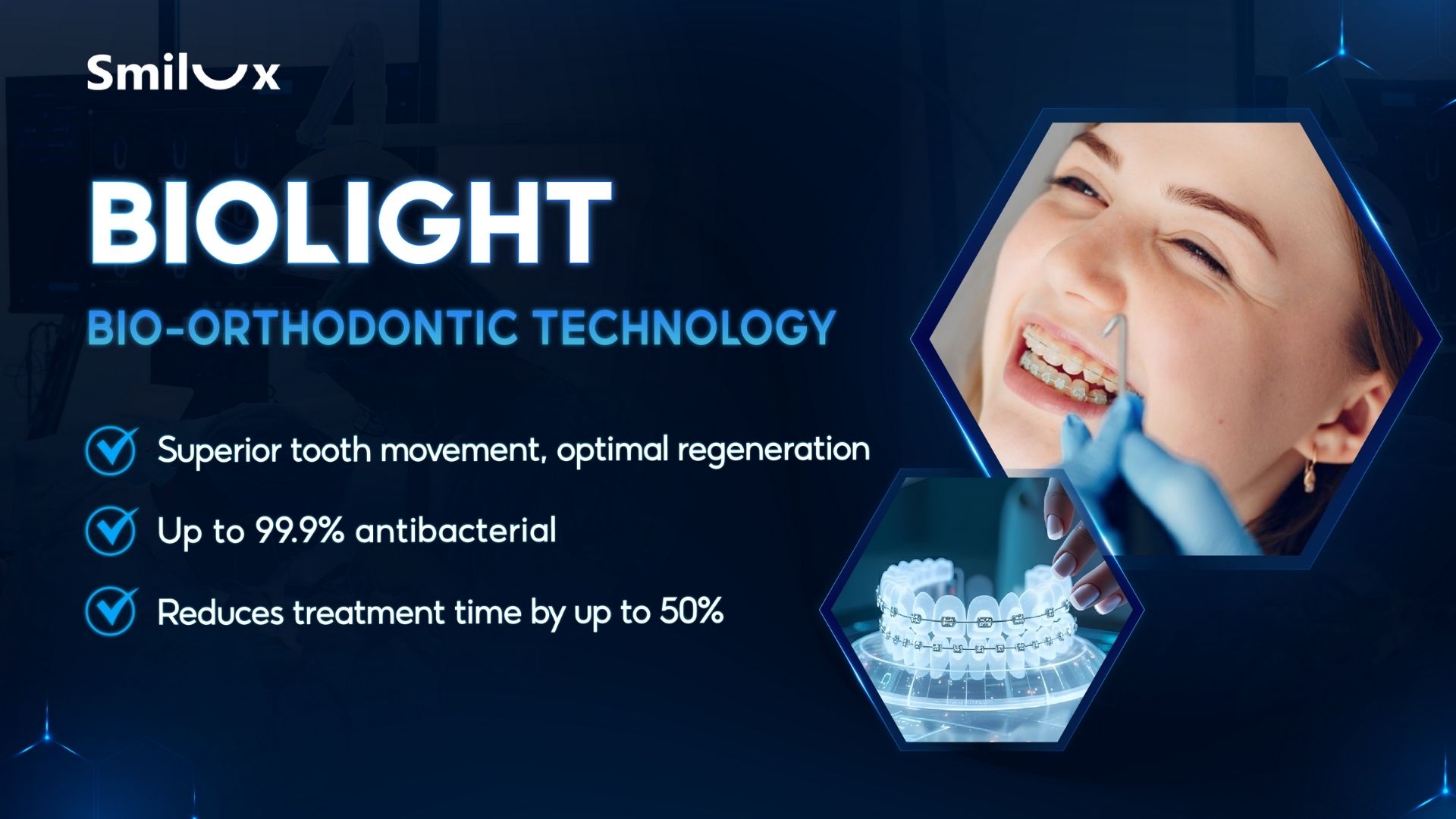
This technology helps the dentist control the force applied to the teeth in a biological direction, suitable for the response capacity of the tissues around the teeth. As a result, the teeth can move in the correct direction, helping limit excessive pain, prolonged sensitivity, or unnecessary pressure on the gums and alveolar bone.
The advantage of BioLight is that it helps teeth move steadily through each stage, instead of creating overly strong pulling forces within a short period of time. This is an important factor in orthodontics, because if the applied force is not well controlled, it may cause greater discomfort for patients and affect the supporting tissues around the teeth.
In addition, throughout the braces process, patients at Smilux are also monitored regularly to check the speed of tooth movement, gum condition, bite alignment, and response level after each adjustment. If any abnormal signs occur, the dentist will promptly adjust the treatment plan to reduce risks and help the teeth move according to the planned direction.
BioLight Technology
With a team of dentists with more than 15 years of experience and BioLight biological orthodontic technology, Smilux Dental aims to provide a safe, gentle braces journey that is suitable for each oral condition. If you are experiencing protruding teeth, underbite, misaligned teeth, crowded teeth, gaps between teeth, or bite misalignment, visit Smilux for an examination and consultation with a dentist on a suitable orthodontic treatment plan.
BOOK APPOINTMENT
CONCLUSION
Based on the information above, it can be seen that At What Age Can You Get Braces? does not only depend on age, but also requires considering each person’s teeth, gums, jawbone, and bite condition.
If you are wondering whether you or your child is suitable for braces, visit Smilux for a direct examination by a dentist, consultation on a suitable treatment plan, and clear answers to each concern before starting treatment. Contact HOTLINE (+84) 866 251 379 to schedule an early appointment.
Note: The content in this article is for reference only and does not replace a dentist’s diagnosis or clinical recommendation. For accurate advice based on your oral condition, you should visit a dental specialist directly.
PROFESSIONAL CONSULTATION: DR. HOANG DANH NGAN
Dr. Hoang Danh Ngan, MSc., DDS., CHUWS, is one of the leading dental professionals at Smilux Dental, with over 15 years of clinical experience.
Yes, you can absolutely get braces at 18. At this age, the permanent teeth have almost fully erupted, and the jawbone is relatively stable, allowing the dentist to clearly assess the condition of the teeth and bite and develop a suitable treatment plan.
Should Older Adults Get Braces?
Older adults can still get braces if their teeth, gums, and the bone around the teeth are healthy enough. Orthodontic treatment does not depend entirely on age, but should be assessed by a dentist based on the actual oral condition.
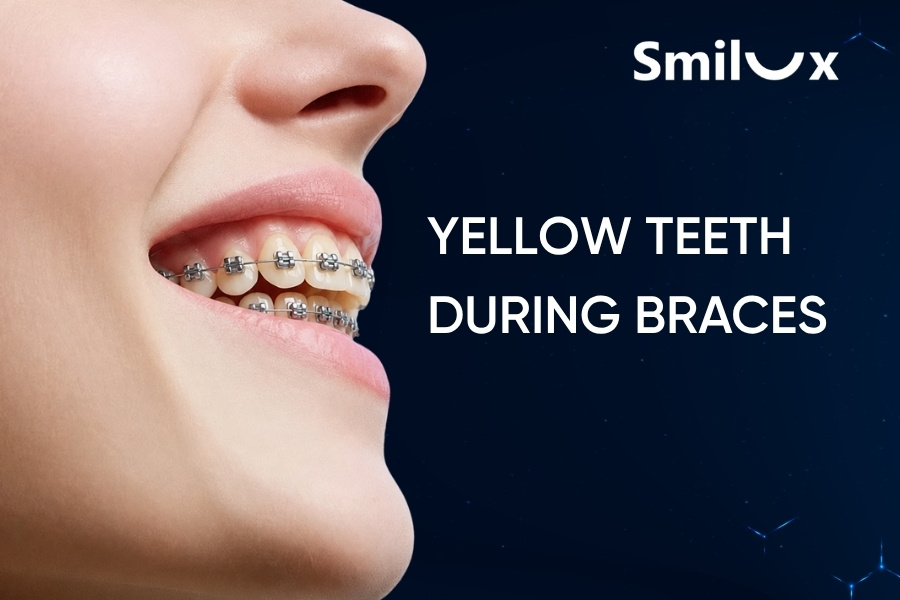
Yellow Teeth During Braces is a common issue many patients experience during orthodontic treatment due to plaque buildup, inadequate oral hygiene, or dietary habits. Learn about the causes, prevention tips, and safe treatment options with the dentists at Smilux Dental in this article.
Can I Fly With Braces? is a common question among patients undergoing orthodontic treatment. Smilux dentists explain why airport security gates may trigger an alarm, how to handle the situation, and what to prepare to help make your flight safer and smoother.
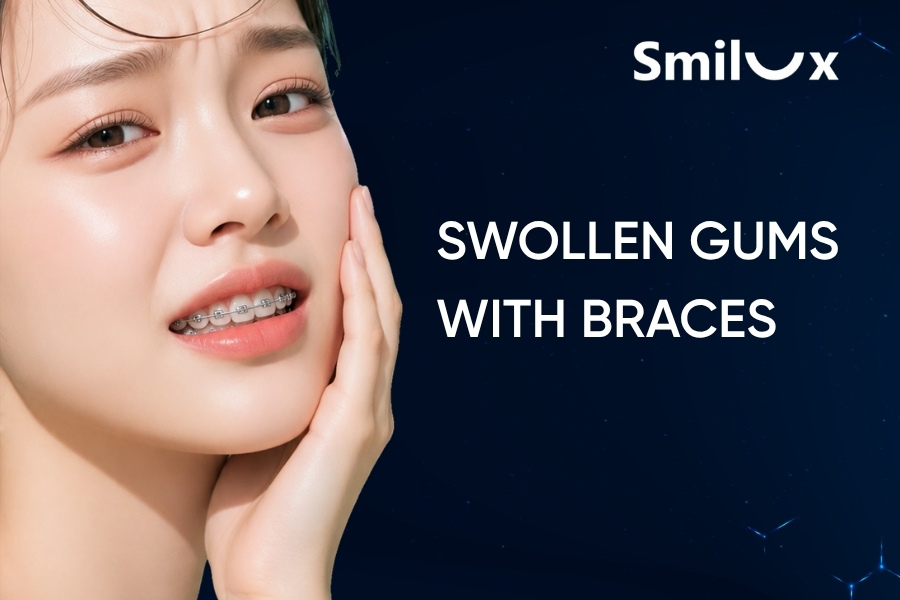
Swollen Gums With Braces is a common condition during orthodontic treatment, causing pain, bleeding, and difficulty chewing. Learn about the causes, level of severity, and treatment solutions with Smilux dentists in the article below.
Many people notice that their teeth still do not look as expected after having their braces removed. So, why do my teeth still look bad after braces, and what can be done to improve this issue? Let’s find out in detail with Smilux Dental in the article below.