How Long Should You Wear Retainers After Braces? This is a common question among many patients after their braces are removed. Join Smilux as we explore how long you should wear retainers after braces in the article below.
Braces are an orthodontic solution that can deliver positive results for cases of uneven teeth or bite misalignment. However, how long it takes to complete the braces process and when visible results can be seen remain common concerns for many patients before they decide to begin orthodontic care.
Follow the professional insights from the dentists at Smilux Dental International Clinic in the article below to better understand the braces timeline and how teeth gradually change during the process.

MỤC LỤC (TABLE)
ToggleThe braces process usually lasts from 12 to 36 months, or 1 to 3 years, starting from the time orthodontic appliances are placed until they are removed. This timeline may vary depending on the severity of tooth misalignment, bite condition, age, oral health, and each person’s biological response.
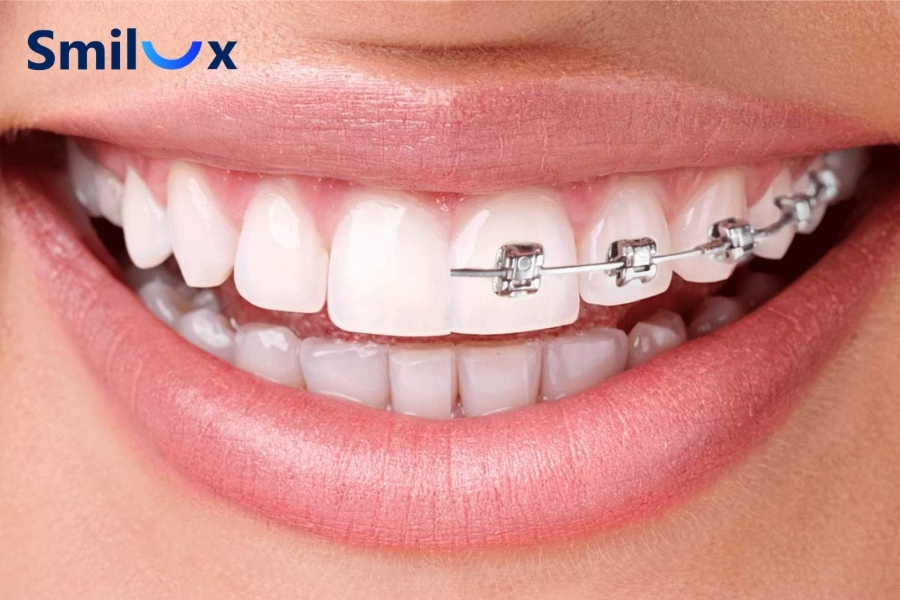
In orthodontics, teeth do not move immediately. They shift gradually under the force created by brackets, archwires, or clear aligners. As the teeth move, the alveolar bone around the tooth roots also needs time to resorb on one side and form new bone on the other side. Therefore, the dentist must control orthodontic force at an appropriate level so the teeth can move safely, helping reduce soreness, root resorption, gum recession, or damage to the surrounding periodontal tissues.
Normally, the braces process is divided into 4 main stages:
>>> READ MORE: How Long Does Single-Arch Braces Take? Key Factors That Affect the Timeline
In essence, braces are a complex orthodontic method that requires time for the appliances to apply controlled force and gradually move the teeth into their desired positions. In addition, the speed of tooth movement can vary from person to person, so how long it takes before braces can be removed will differ depending on several factors, including:
Today, thanks to advances in modern orthodontic techniques, braces can be used for both children and adults. However, at each age, the teeth and jawbone respond differently to orthodontic force, so the braces timeline can vary.
Children and teenagers often have a more favorable braces timeline because their jawbone is still developing and their teeth tend to respond better to orthodontic force. From 8 to 10 years old, braces for children usually take about 6 months to 1 year. For children aged 10 to 12, the braces process usually takes around 1 year, depending on the severity of tooth misalignment and the bite condition of each child.
Adults usually need about 1 to 3 years to complete the braces process. For mild misalignment, the timeline may be around 1 to 1.5 years. If the patient has severe protrusion, underbite, significant crowding, or requires jaw surgery, orthodontic care may take from 2 to 3 years. Since the jawbone in adults has fully developed and stabilized, teeth often move more slowly compared with children and teenagers. In addition, if there are cavities, gingivitis, or periodontitis, the dentist needs to stabilize these conditions before braces, which may extend the overall timeline by about 2 to 4 weeks.
Older adults may need 6 to 12 months longer to complete the braces process compared with younger patients who have the same level of misalignment. This is because jawbone density is higher, bone remodeling is slower, and the tissues around the teeth are more sensitive to orthodontic force. In particular, if there is alveolar bone loss or periodontal disease, the dentist needs to use gentle force and closely monitor tooth movement to ensure safety.
>>> READ MORE: How Long Should You Wear Retainers After Braces?
The condition of the teeth is a direct factor that affects how long it takes to complete the braces process. In general, orthodontic cases are divided into 3 levels, from mild to severe, each corresponding to a different timeline. Specifically:
For mild tooth misalignment, a relatively stable bite, and cases that do not require tooth extraction or complex procedures, the braces process usually takes about 14 to 18 months. This group often includes small gaps between teeth, slightly rotated teeth, or teeth that are mildly out of their ideal positions.
For moderate protrusion or underbite, the braces process usually lasts about 18 to 24 months. At this stage, the upper front teeth or lower jaw teeth may protrude more than normal, and the bite misalignment is at a moderate level. Some cases may require premolar extraction to create space, allowing the dentist to move the teeth into proper positions and improve the relationship between the two jaws.
For severe protrusion, underbite, significant crowding, or serious bite misalignment, the braces process may take 24 to 36 months or longer. If the misalignment is caused by jawbone issues, the dentist may recommend combining braces with jaw surgery before or during orthodontic care. After that, the patient still needs to continue wearing braces to finalize tooth positions and bite alignment, helping the results become more stable in both appearance and chewing function.
Braces are a specialized orthodontic technique that requires a well-trained dentist with clinical experience in orthodontics. A highly skilled dentist can accurately assess the condition of the teeth, bite, and jawbone from the beginning, then create a suitable orthodontic plan, control the orthodontic force properly, and prescribe supporting appliances at the right time. As a result, the teeth can move more stably, reducing unwanted deviations during the braces process and helping shorten the overall orthodontic timeline.
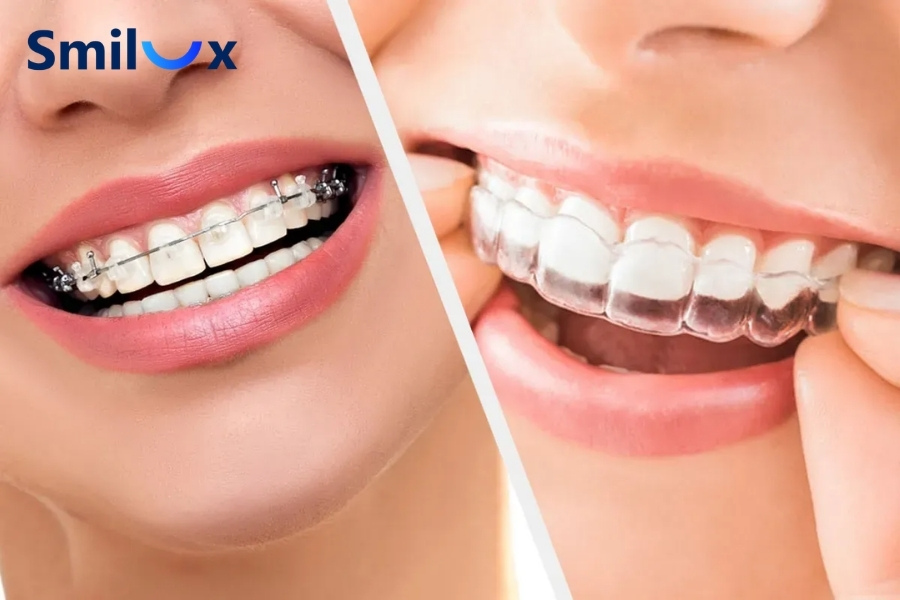
Although all braces methods aim to improve the bite and move the teeth into proper positions on the dental arch, each orthodontic method has a different tooth movement speed, which can lead to differences in the time needed to achieve braces results.
A proper diet and good oral hygiene can help the braces process go more smoothly. You should limit sweets, carbonated drinks, and foods that are too hard or too chewy to avoid loose brackets, bent archwires, and an increased risk of tooth decay. In addition, you need to brush your teeth thoroughly every day and combine this with dental floss or a water flosser to clean between the teeth and around the brackets.
To build a suitable diet during orthodontic care, you can refer to the article “What Foods to Eat and Avoid with Braces for Healthy Tooth Movement?”
To help the braces process go smoothly and reduce the risk of unexpected delays, you should keep the following points in mind:
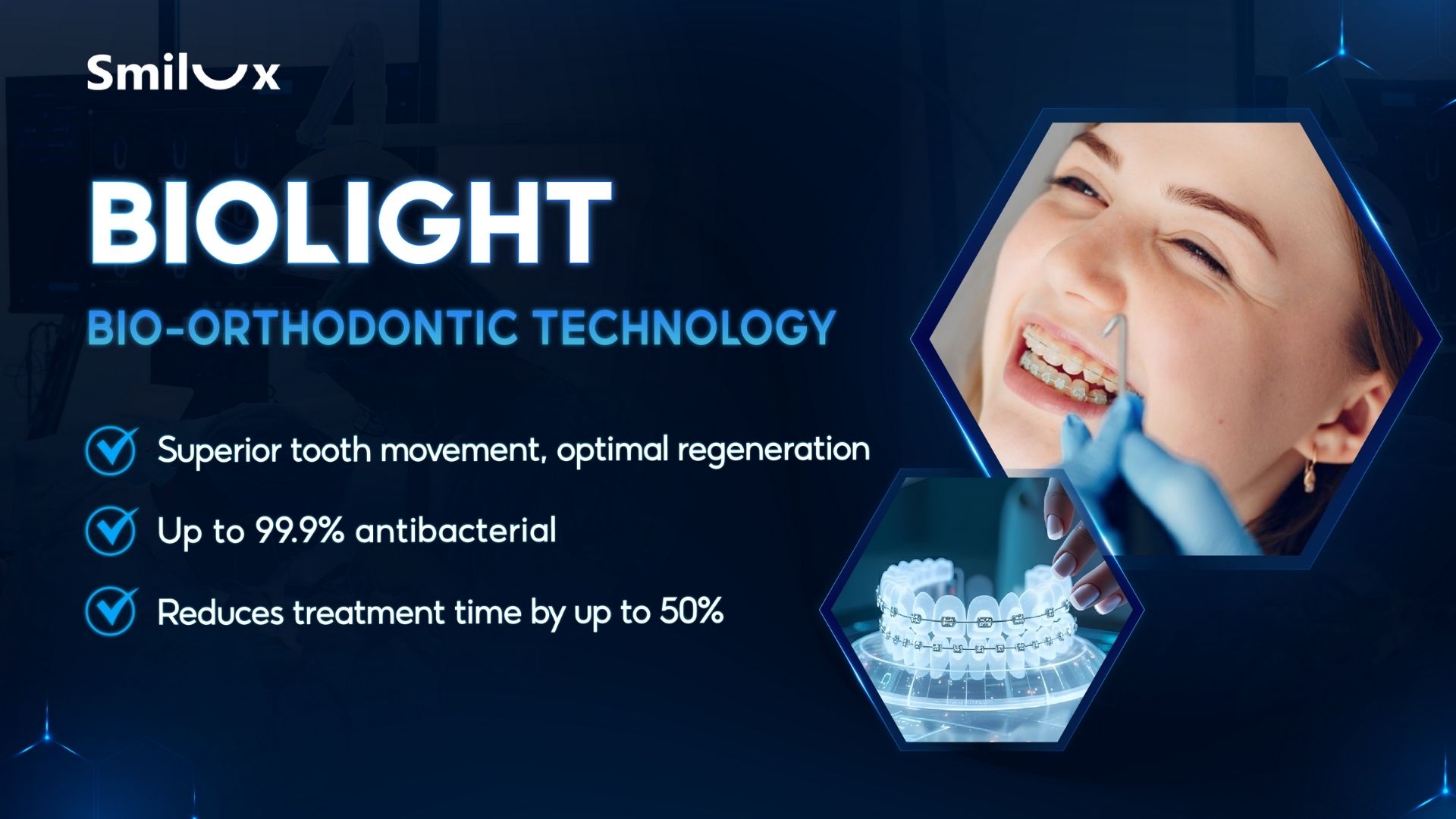
How long it takes to complete the braces process is always a concern for many patients, as a long orthodontic timeline can cause inconvenience in eating, daily activities, and communication. Understanding this, Smilux Dental applies BioLight biological orthodontic technology to support gentle tooth movement, help optimize orthodontic progress, and shorten the braces timeline.
So what makes BioLight braces at Smilux Dental different? Below are the key advantages of this technology:

If you are concerned about pain, a long braces timeline, or possible effects on your gums and jawbone, BioLight at Smilux Dental International Clinic is a worthwhile option to consider for a gentler orthodontic process. After the examination, the dentist will assess your dental condition and recommend a suitable plan. Please leave your information in the form below so Smilux can provide detailed support.
BOOK APPOINTMENT
We hope the information above has helped you better understand how long the braces process takes and the factors that can affect the orthodontic timeline. If you are wondering how long braces may take in your specific case, please contact Smilux Dental via HOTLINE (+84) 866 251 379 for a dental examination and a suitable plan recommended by the dentist.
---------- Braces Knowledge ----------
How Long Should You Wear Retainers After Braces? This is a common question among many patients after their braces are removed. Join Smilux as we explore how long you should wear retainers after braces in the article below.
How long single-arch braces take depends on the severity of tooth misalignment, bite condition, braces method, and each person’s oral health. Learn with Smilux Dental about the time needed for single-arch orthodontic care and the factors that may affect it before getting braces.
Can You Drink Beer with Braces? Learn Smilux dentists’ advice on drinking beer and alcohol during orthodontic care, the possible effects you may experience, and proper oral hygiene practices to protect your brackets while reducing bad breath, tooth sensitivity, and yellowing.
Can Braces Make Your Nose Look Higher? In fact, braces do not change the structure of the nose. Let’s learn more with Smilux Dental in this article.
CONTACT