What Foods to Eat and Avoid with Braces for Healthy Tooth Movement?

People who have just started wearing braces often find eating difficult because their teeth may feel sore and they are not yet used to orthodontic appliances. However, maintaining a nutrient rich diet is still necessary to support overall health and help teeth move steadily during the braces process.

So, What Foods to Eat and Avoid with Braces to reduce discomfort and avoid affecting orthodontic results? Let’s explore the details with Smilux Dental dentists in the article below.

What Foods to Eat and Avoid with Braces for Healthy Tooth Movement?

The Importance of Diet During the Braces Process

Diet is a factor that needs to be carefully controlled throughout the braces process, as chewing forces can directly affect the teeth, brackets, archwires, or aligners.

When patients frequently eat foods that are too hard, too chewy, or require strong biting force, orthodontic appliances may loosen, bend, become deformed, or shift out of their original position. This can interrupt the force used to move the teeth, causing tooth movement to deviate from the orthodontic plan and requiring the dentist to schedule an earlier appointment to adjust the appliance.

In addition to affecting orthodontic appliances, an unsuitable diet can also increase the risk of plaque buildup around the brackets, between the teeth, and along the gumline. Sticky, sugary, or hard to clean foods can create favorable conditions for bacteria to grow, leading to tooth decay, gum inflammation, bad breath, or more seriously, periodontal disease.

If oral health problems occur during the orthodontic process, the dentist must first stabilize and manage these conditions before continuing tooth tightening, because the teeth and periodontal tissues need to be healthy enough to respond well to orthodontic forces.

Tầm quan trọng của chế độ ăn uống trong quá trình niềng răng

Orthodontic patients should follow the dietary guidelines recommended by their dentist throughout the braces process. A suitable diet can help reduce the risk of loose brackets and appliance deformation, lower the chance of gum inflammation and tooth decay, and support the body in maintaining adequate nutrition, preventing weight loss or sunken cheeks during a prolonged orthodontic process.

What Should You Eat After Getting Braces?

What should you eat after getting braces? During the first few days after brackets are placed or aligners are worn, patients often feel irritation, mild soreness, and difficulty chewing. Therefore, dentists recommend prioritizing soft, easy to chew, and easy to swallow foods to reduce pressure on the teeth and help the oral cavity adapt better to orthodontic appliances.

Below are food groups that are suitable for people with braces, as suggested by Smilux dentists. You can refer to them and add them to your daily meal plan:

Cooked, Soft Foods

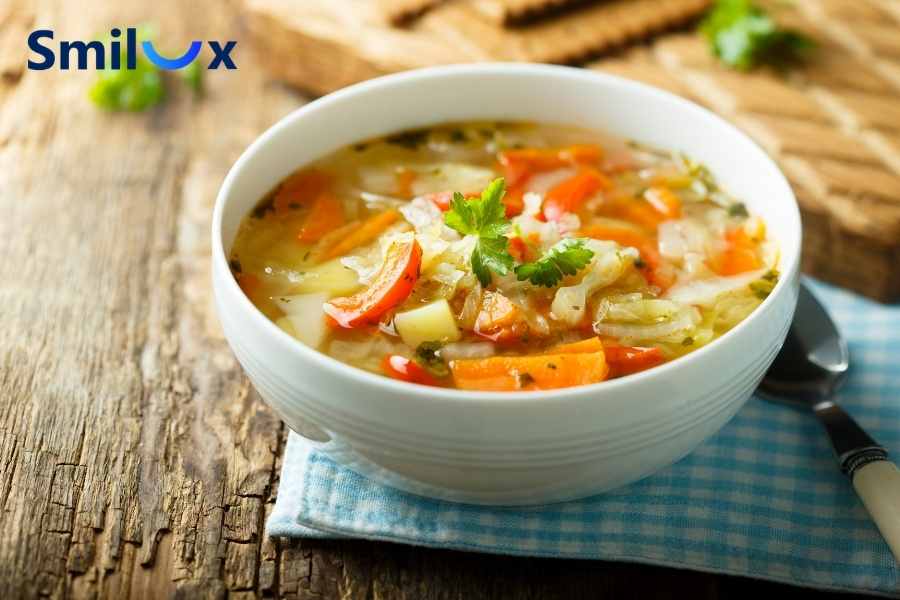
During the first few days after getting braces, patients should prioritize soft, cooked foods such as porridge, soup, softened cereals, rice noodles, or pho. These foods are easy to chew and swallow, create less pressure on the teeth, and limit strong impact on brackets, archwires, or aligners. As a result, soreness and tightness while chewing can be significantly reduced, while orthodontic appliances can remain more stable.

Mới niềng răng nên ưu tiên món mềm, dễ nhai để giảm ê tức và hạn chế ảnh hưởng đến khí cụ

Milk and Dairy Products

What foods are good to eat with braces? Milk and dairy products are excellent options during the braces process. This food group provides protein, fat, vitamins, calcium, and vitamin D, helping maintain the health of teeth, bones, and the tissues around the teeth.

People who have just started wearing braces can choose fresh milk, yogurt, soft cheese, or softened butter to ensure proper nutrition without needing to chew too much. This helps reduce pressure on the teeth and orthodontic appliances.

Eggs and Egg Based Dishes

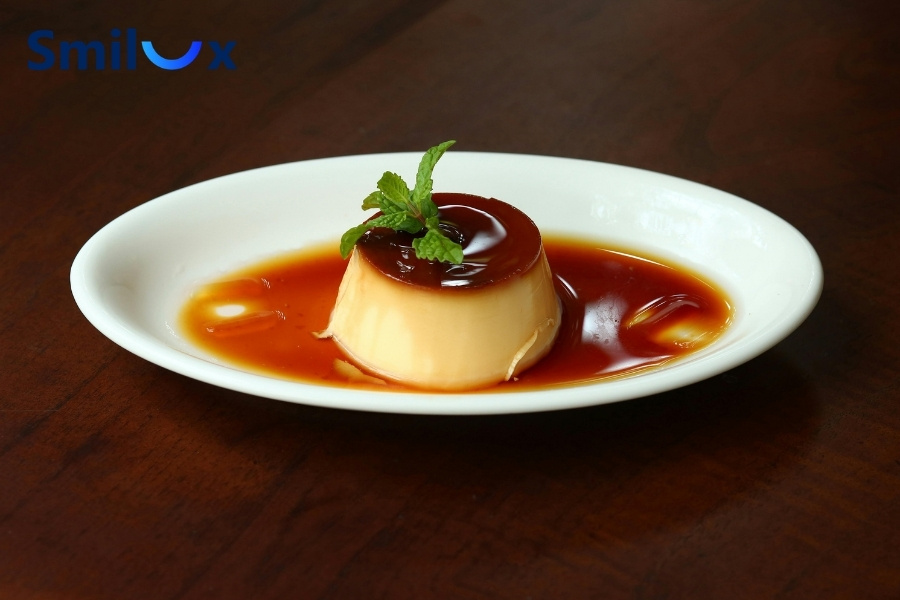
With their protein, vitamin D, and many essential nutrients, eggs can provide energy without creating too much pressure while chewing. You can choose steamed eggs, soft boiled eggs, flan, or soft sponge cake. However, overly sweet options should be limited to prevent plaque buildup around the brackets and reduce the risk of tooth decay.

Niềng răng ăn gì? Trứng và các sản phẩm từ trứng

Soft Vegetables and Fruits

What should you eat with braces? In addition to soft, easy to chew foods, vegetables and fruits should also be added appropriately to your daily diet.

They provide fiber, vitamins, and essential minerals during the orthodontic process. In particular, vegetables and fruits also help support immunity, maintain overall physical health, and reduce fatigue during a prolonged braces process.

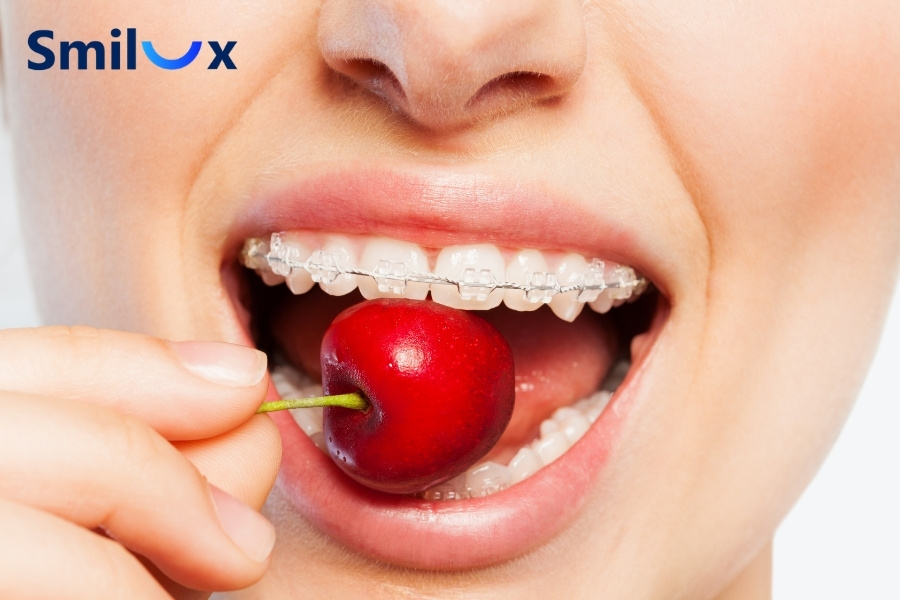
However, people who have just started wearing braces should prioritize well cooked vegetables and soft fruits to make chewing easier. Hard fruits should be cut into small pieces, blended into smoothies, or juiced instead of being bitten directly to avoid tooth pain, loose brackets, or damage to orthodontic appliances.

>>> READ MORE: Can You Drink Beer with Braces? Smilux Dentists Explain

Nutritious Grains

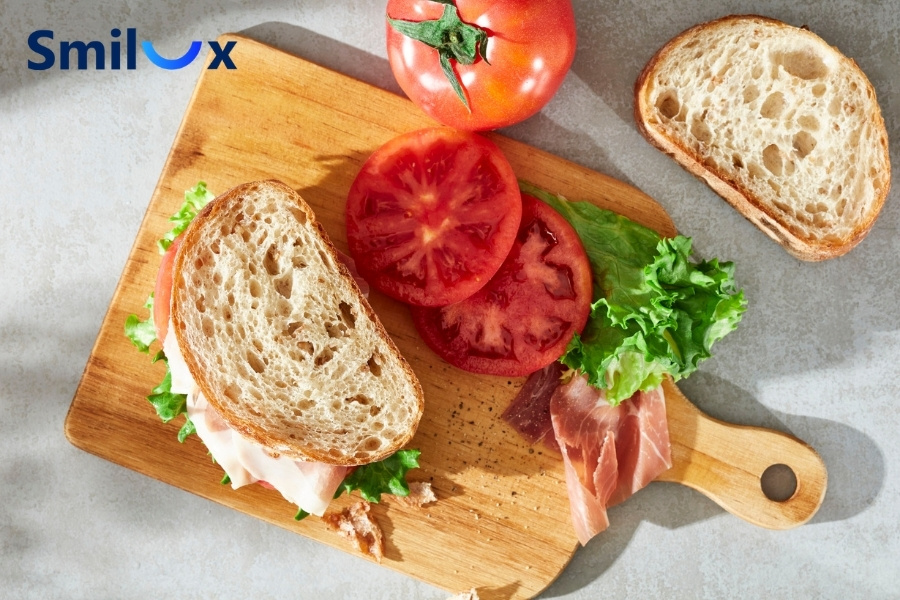
Grains are a suitable food group for people with braces because they are soft, easy to chew, and easy to include in daily meals. Foods such as oatmeal porridge, soft sandwich bread, cooked cereals, or tofu can help provide carbohydrates, protein, and essential energy for the body.

When choosing grains, you should prioritize soft, low sugar options and avoid foods that are too hard or crunchy, such as granola, dry biscuits, or whole hard nuts, as they may cause pain while chewing or affect the brackets and archwires.

Khi niềng răng, nên chọn ngũ cốc mềm, ít đường và tránh món quá cứng

Meat, Fish, and Seafood

When planning a meal list for what to eat after getting braces, meat, fish, and seafood are food groups you should not overlook, as they provide plenty of protein, help the body maintain energy, and reduce the risk of weight loss during the orthodontic process.

Patients with braces should choose dishes prepared with a soft texture, such as steamed, stewed, braised until tender, or shredded before eating. At the same time, they should avoid biting or tearing directly into large pieces of meat, chewy seafood, or foods with hard bones, as these may cause tooth pain or loosen brackets.

What Foods Should You Avoid with Braces?

In addition to choosing suitable foods, people with braces should also know which foods to avoid to prevent excessive pressure on the teeth and orthodontic appliances. Below are the main food groups to avoid:

Chewy and Hard Foods

Patients with braces should limit chewy and hard foods such as hard candy, ice cubes, grilled ribs, grilled octopus, or foods that require strong biting force. When eating these foods, the teeth are placed under significant pressure, which can easily cause sensitivity, soreness, and affect the direction of tooth movement.

Bệnh nhân niềng răng nên hạn chế đồ dai cứng để tránh ê buốt, đau nhức

Sticky and Chewy Foods

Patients with braces should limit sticky and chewy foods such as gummy candy, chewing gum, sticky rice cakes, caramel, or foods that easily cling to the teeth. When eating these foods, the molars have to work harder to break them down, which can cause soreness, jaw fatigue, and increased pressure on orthodontic appliances.

In addition, sticky and chewy foods can easily get caught in brackets, archwires, and between the teeth, while being difficult to clean completely. If oral hygiene is not done properly, plaque and bacteria may accumulate, increasing the risk of tooth decay, gum inflammation, and bad breath during the braces process.

Foods That Are Too Hot or Too Cold

What foods should you avoid with braces? People with braces should avoid foods that are too hot or too cold.

During the braces process, the teeth are under pressure from orthodontic appliances and may become more sensitive than usual, especially after brackets are placed or after an adjustment. Eating or drinking foods that are too hot or too cold can easily irritate the enamel and the tissues around the teeth, causing sensitivity, soreness, or discomfort while chewing.

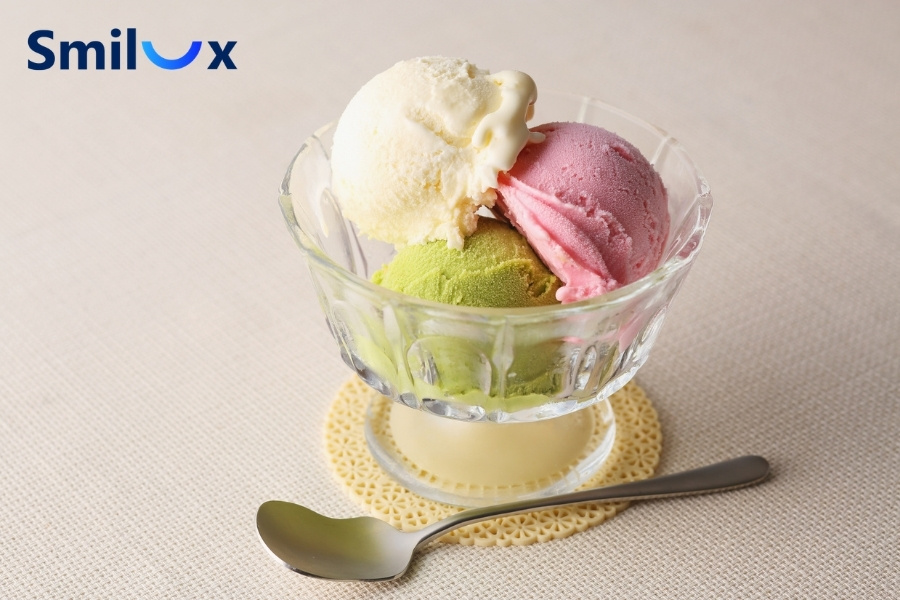
It is best to choose foods and drinks at a moderate temperature. If your teeth are very sensitive, you should avoid ice, ice cream, very cold water, or freshly cooked foods that are too hot to help reduce tooth irritation.

Nên tránh đồ quá nóng hoặc quá lạnh để hạn chế ê buốt và cảm giác khó chịu khi ăn nhai.

Crunchy, Crumbly Foods

People with braces should limit crunchy foods that easily break into small crumbs, such as biscuits, snacks, chips, or dry cakes. When eaten, food particles can get trapped deep in the brackets, archwires, and between the teeth, making oral hygiene more difficult.

If not cleaned thoroughly, plaque can accumulate around orthodontic appliances, increasing the risk of tooth decay, gum inflammation, and bad breath. If oral health problems develop, the dentist will need to address them before continuing orthodontic care, which may prolong the braces process and affect the final result.

Foods High in Sugar and Refined Carbohydrates

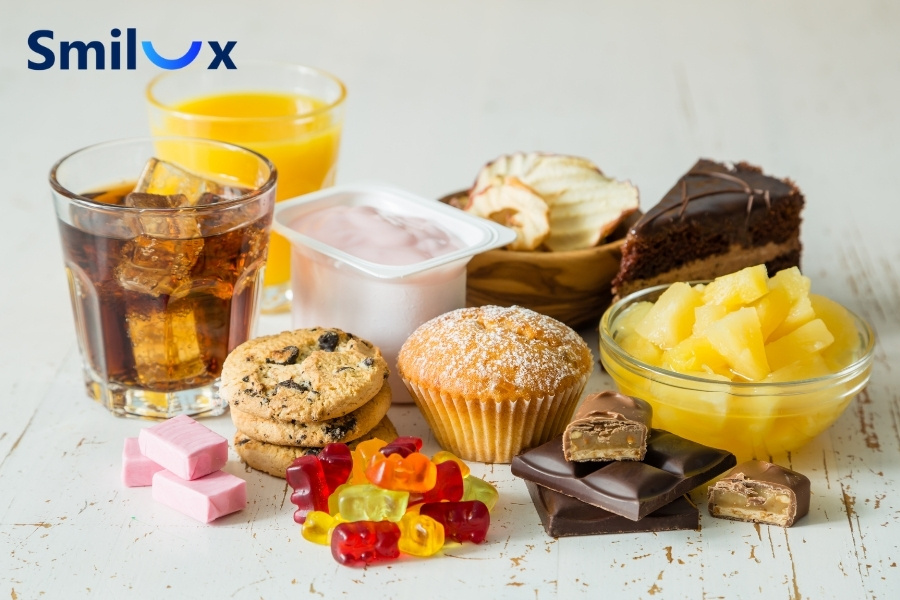
Last on Smilux’s list of foods to avoid with braces are foods high in sugar and refined carbohydrates. These foods can easily stick around the brackets, archwires, and between the teeth, creating favorable conditions for bacteria to grow.

When plaque builds up over time, bacteria produce acids that increase the risk of tooth decay, gum inflammation, bad breath, and white spots on the enamel. This can prolong the braces process and affect overall oral health.

Ăn nhiều đồ ngọt, bánh kẹo hoặc tinh bột chế biến có thể khiến mảng bám tích tụ nhanh hơn

7 Day Meal Plan Suggestions for People with Braces

If you still do not know what to eat with braces to make chewing easier while still getting enough nutrients, you can refer to our suggested 7 day meal plan below:

Day

Breakfast

Lunch

Snack

Dinner

Day 1

Oatmeal porridge, soft squash soup, unsweetened milk

Soft vegetable soup, tender minced meat, ripe banana

Soft pudding or fresh milk

White porridge, soft rice, steamed fish, well cooked vegetables

Day 2

Sweet potato porridge

Soft rice, steamed egg, vegetable soup

Banana smoothie or yogurt

Minced meat porridge, soft cooked green vegetables

Day 3

Soft steamed egg, warm milk

Braised fish with minced meat, soft rice

Unsweetened yogurt

Vegetable porridge, tofu with minced meat sauce

Day 4

Brown rice porridge with minced meat and soybeans

Soft rice, tender braised meat, pumpkin soup

Ripe banana or soft apple

Steamed fish, soft boiled broccoli, porridge or soft rice

Day 5

Minced shrimp porridge

Soft rice, steamed egg, vegetable soup with minced meat

Flan or milk

Vegetable soup, tofu

Day 6

Minced meat and vegetable porridge

Soft rice, finely shredded chicken, chayote soup

Soft sponge cake or yogurt

Fish porridge with soft cooked vegetables

Day 7

Shrimp and carrot porridge

Soft rice, finely chopped fish, soft vegetable soup, wax gourd soup

Fresh milk or yogurt

Pumpkin soup, minced meat, soft boiled vegetables

How to Chew with Braces

When choosing clear aligners, you can remove the trays while eating, so meals are usually more comfortable and flexible. In contrast, with bracket braces, chewing force can directly affect the brackets and archwires. Therefore, if you chew incorrectly, you may experience soreness, loose brackets, or changes that affect orthodontic progress.

Below are some guidelines to help you chew more comfortably while wearing bracket braces:

  • Step 1: Cut food into small pieces before eating

Instead of biting directly with your front teeth, you should cut food into small, bite sized pieces. This helps reduce pressure on the teeth and orthodontic appliances, thereby limiting the risk of loose brackets, detached elastics, or bent archwires.

  • Step 2: Prioritize chewing with your molars

Molars are the main teeth responsible for grinding food, making them more suitable for chewing during the braces process. Patients should avoid using their front teeth to bite or tear food, especially during the early stage after brackets are placed or after each adjustment.

At this time, the teeth are often more sensitive than usual. If you bite forcefully or chew hard foods with your front teeth, you may feel soreness, sensitivity, and may easily affect the orthodontic appliances.

  • Step 3: Eat slowly and chew gently

When wearing braces, you should eat slowly and chew with moderate force. Chewing too quickly or using excessive force can make the teeth more painful, especially when they are under pulling force from the brackets and archwires.

Eating slowly and chewing carefully not only helps reduce pressure on the teeth but also lowers the risk of loose or detached brackets while eating. This is also a good habit that helps people with braces control their meals more easily and protect orthodontic appliances throughout the braces process.

Cắt nhỏ thức ăn trước khi ăn giúp giảm lực cắn lên răng, hạn chế bung mắc cài

Some Notes on Eating During the Braces Process

To care for your oral health and help the orthodontic process progress more smoothly, you should pay attention to your eating habits, oral hygiene routine, and follow up appointments as instructed by your dentist.

  • During the first few days after brackets are placed or after an adjustment, your teeth may feel sore and more sensitive than usual. At this time, you should eat slowly, chew carefully, prioritize soft foods, and cut food into smaller pieces before eating to reduce pressure on the teeth and orthodontic appliances.
  • You should also avoid using your teeth to bite hard objects such as bottle caps, can tabs, ice cubes, or foods that are too chewy or too crunchy. These habits can loosen brackets, shift archwires, or damage the teeth during the braces process.
  • In addition to diet, oral hygiene should be performed more thoroughly every day. You should use a soft bristled toothbrush and brush your teeth after meals, before going to bed, and after waking up. You can also use fluoride toothpaste and fluoride mouthwash to help protect tooth enamel and reduce the risk of tooth decay.
  • In addition, attend follow up appointments on schedule so your dentist can monitor tooth movement, adjust orthodontic appliances when needed, and address any unusual issues early.

Một số lưu ý khi ăn uống trong quá trình niềng răng

CONCLUSION

The information above helps you understand What Foods to Eat and Avoid with Braces to reduce soreness, protect orthodontic appliances, and support steady tooth movement. If you have any questions about your diet or how to care for your teeth during the braces process, you can contact Smilux International Dental Clinic via HOTLINE (+84) 866 251 379 for more detailed advice.

bs hoàng danh ngân mới nhất
PROFESSIONAL CONSULTATION: DR. HOANG DANH NGAN Dr. Hoang Danh Ngan, MSc., DDS., CHUWS, is one of the leading dental professionals at Smilux Dental, with over 15 years of clinical experience.

FAQs

Can You Eat Rice After Getting Braces?

You can absolutely eat rice after getting braces. However, with bracket braces, your teeth are often still sore and not yet used to orthodontic appliances during the first 1 to 3 days. Therefore, you should prioritize soft rice, mushy rice, porridge, soup, or easy to chew broth based dishes to reduce pressure on the teeth, limit soreness, and avoid affecting the brackets. For clear aligners, you can remove the trays while eating, so meals are usually more comfortable. After eating, you only need to clean your teeth thoroughly before wearing the aligners again to maintain orthodontic effectiveness.

Can You Eat Noodles with Braces?

You can absolutely eat noodles while wearing braces. Noodles are soft, thin, and do not require much chewing force, so they are quite suitable for people undergoing orthodontic care, especially during the days when the teeth are still mildly sore. However, you should cut the noodles into shorter pieces and avoid eating them too spicy or too hot to reduce irritation to the teeth and gums. After eating, make sure to clean your teeth thoroughly to remove any food trapped around the brackets and archwires.

Can You Eat Snails with Braces?

You should not eat snails if you are wearing bracket braces. Snail meat is often chewy and firm, requiring strong chewing force, which can easily loosen brackets, shift archwires, or affect orthodontic appliances. In addition, snails can easily get stuck between the teeth and around the brackets, making oral hygiene more difficult and increasing the risk of plaque buildup, tooth decay, and gum inflammation.

Can You Eat Fried Chicken with Braces?

You can still eat fried chicken while wearing braces, but you need to eat it properly. You should not bite directly into a piece of fried chicken because the crispy crust and chewy meat can loosen brackets or bend archwires. It is best to shred the chicken into small pieces, remove the bones, and limit eating crust that is too hard to reduce pressure on the teeth and orthodontic appliances.

---------- Braces Knowledge ----------

Can I Get Braces If I Have Periodontitis?
06Jun

Can I Get Braces If I Have Periodontitis? Smilux International Dental Clinic explains the conditions for safe orthodontic care for people with periodontitis, helping you understand the risks and key considerations.

Can You Get Braces While Pregnant?
04Jun

Can You Get Braces While Pregnant? Let’s explore with Smilux when pregnant women can continue orthodontic care, which cases should be postponed, and what important notes to know to help ensure safety for the mother, the fetus, and braces results.

The Stages of Getting Braces
30May

Understanding The Stages of Getting Braces helps you prepare mentally, care for your oral health properly, and work more effectively with your dentist. Each step can affect the final orthodontic result. Learn more with Smilux in the article below.

Can You Drink Beer with Braces?
21May

Can You Drink Beer with Braces? Learn Smilux dentists’ advice on drinking beer and alcohol during orthodontic care, the possible effects you may experience, and proper oral hygiene practices to protect your brackets while reducing bad breath, tooth sensitivity, and yellowing.

1 2 3
This site is registered on wpml.org as a development site. Switch to a production site key to remove this banner.