At What Age Can You Get Braces? Learn with Smilux about the appropriate age for orthodontic treatment, the “golden time” that allows teeth to move more easily, and cases that require a dental examination before getting braces.


Bone Loss With Braces is something no one wants to experience, and it can result from many different causes, including both objective and subjective factors. In the article below, Smilux Dental dentists will help you better understand the causes, management methods, and preventive measures for bone loss during braces. Keep reading for more details.
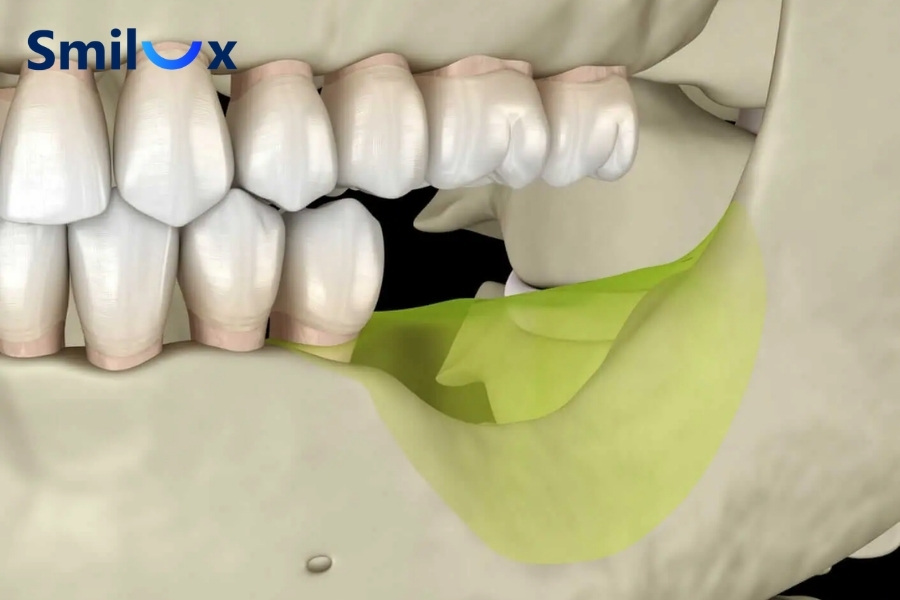
Bone loss during braces is a condition in which the alveolar bone surrounding the tooth roots decreases in height, density, or volume during orthodontics. This bone plays an important role in supporting and keeping the teeth stable on the dental arch.
During braces, the teeth move through the continuous remodeling of the alveolar bone under the effect of orthodontic force. If the force applied to the teeth is properly controlled, this process can take place safely.
However, in some cases where patients have weak bone structure, gingivitis, periodontitis, poor oral hygiene, or inappropriate orthodontic force, the bone around the teeth may be affected and lead to bone loss.
Simply put, dental bone is mainly composed of biological mineral salts, making it prone to creating spaces. When affected by external factors such as orthodontic force, the jawbone can easily become resorbed or depressed if not well controlled.
When the alveolar bone is lost, the teeth may lose the necessary support, thereby increasing the risk of loose teeth, gum recession, exposed tooth roots, or affecting orthodontic results.
The degree of bone loss varies from patient to patient, depending on the condition of the teeth, gums, jawbone, and oral care habits during braces. Therefore, patients wearing braces should attend follow-up appointments as scheduled so the dentist can monitor tooth movement, check periodontal tissues, and adjust the orthodontic force when necessary.
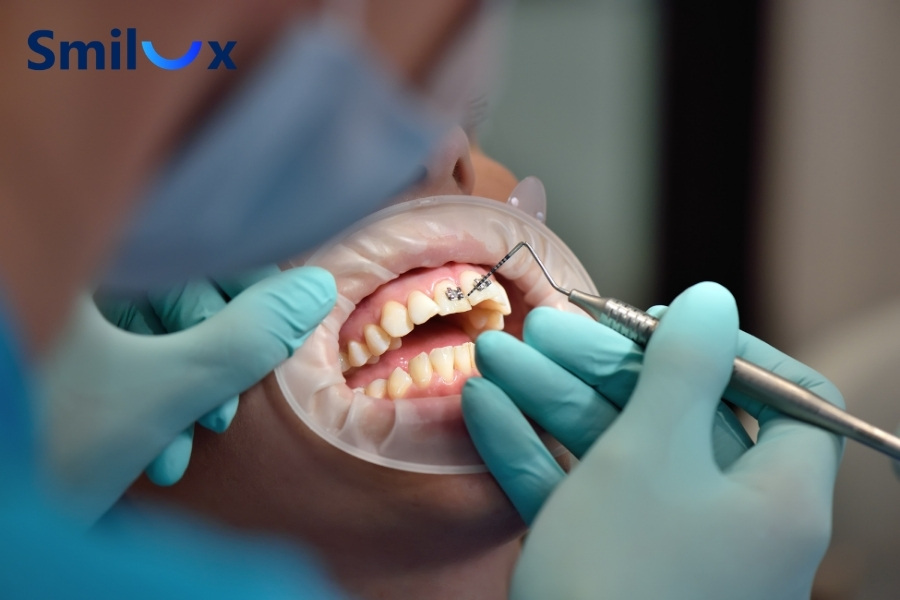
Most cases of alveolar bone loss during orthodontics are related to patients choosing to get braces at a poor-quality dental facility, being treated by an inexperienced dentist, or having orthodontic force that is not properly controlled.
In addition, this condition may also result from several other factors below:
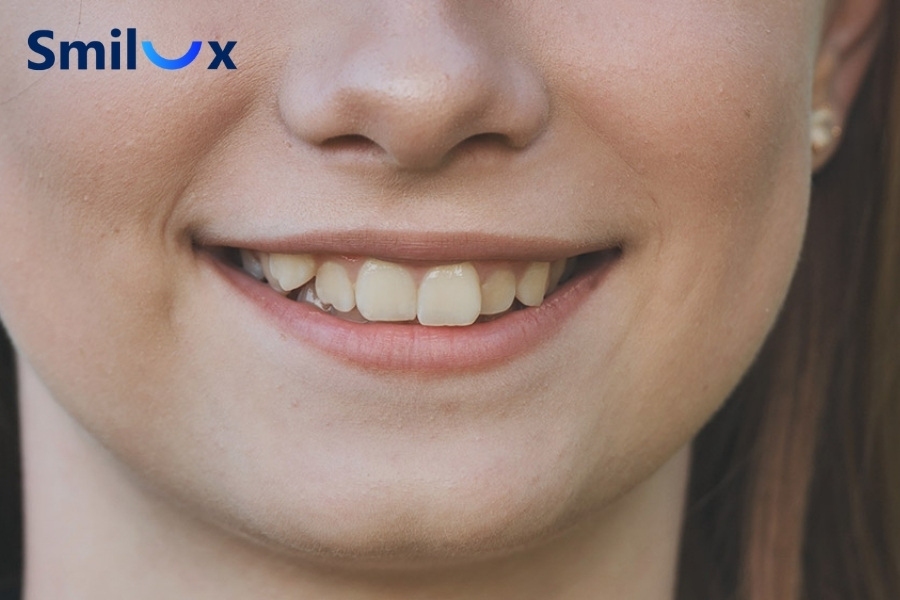
Reduced bone support around the teeth can cause the teeth to shift from their original positions. Over time, the dental arch may become misaligned, the bite between the upper and lower jaws may become unbalanced, and chewing function may be affected.
Bone loss with braces causes the supporting bone around the tooth roots to decrease. When the teeth are no longer firmly held in the alveolar bone, patients may experience loose teeth. If not managed promptly, the teeth may gradually weaken, become unstable, and may even need to be extracted in severe cases.
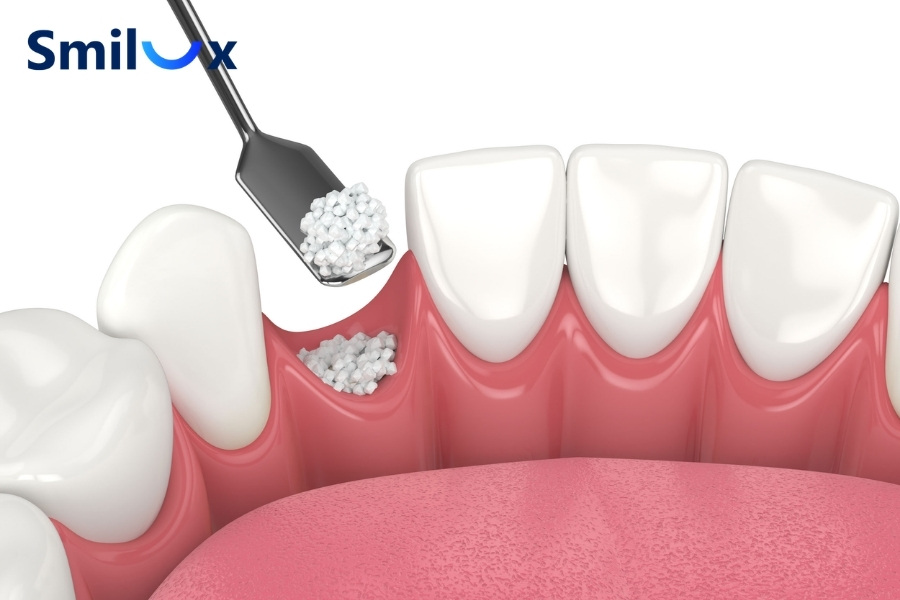
Bone Loss With Braces often develops silently, especially during the first 3 months, making it difficult for patients to recognize with the naked eye. During orthodontics, the alveolar bone restructures so the teeth can move into their new positions. If this change remains within normal limits and is well controlled by the dentist, it usually does not cause long-term effects.
However, if the bone around the teeth decreases more than normal, patients may notice some signs of Bone Loss With Braces, such as:
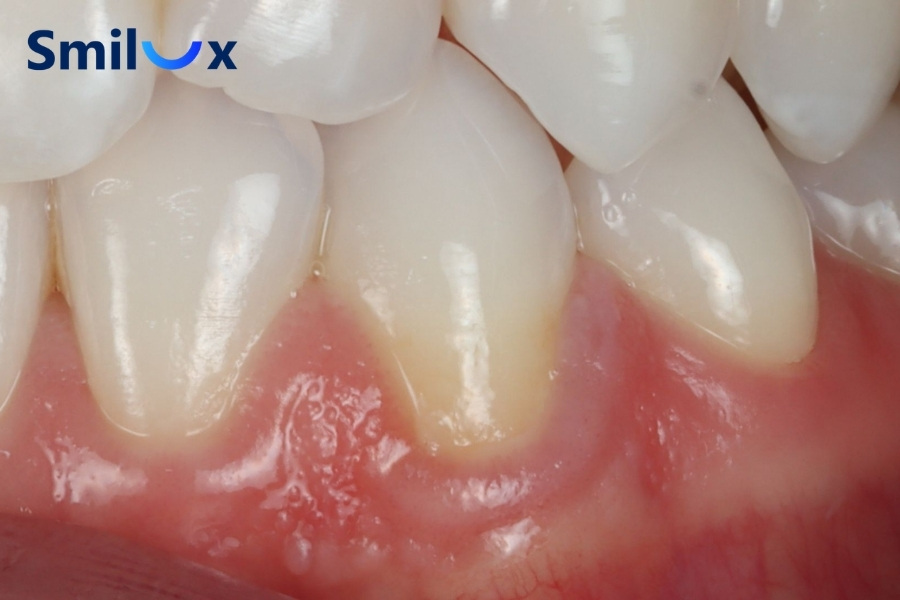
If you notice signs of bone loss during braces, you should not be too worried. Instead, see your orthodontist right away for dental intervention. The dentist will examine your teeth and take X-rays to determine the extent of alveolar bone damage and recommend an appropriate approach, such as:
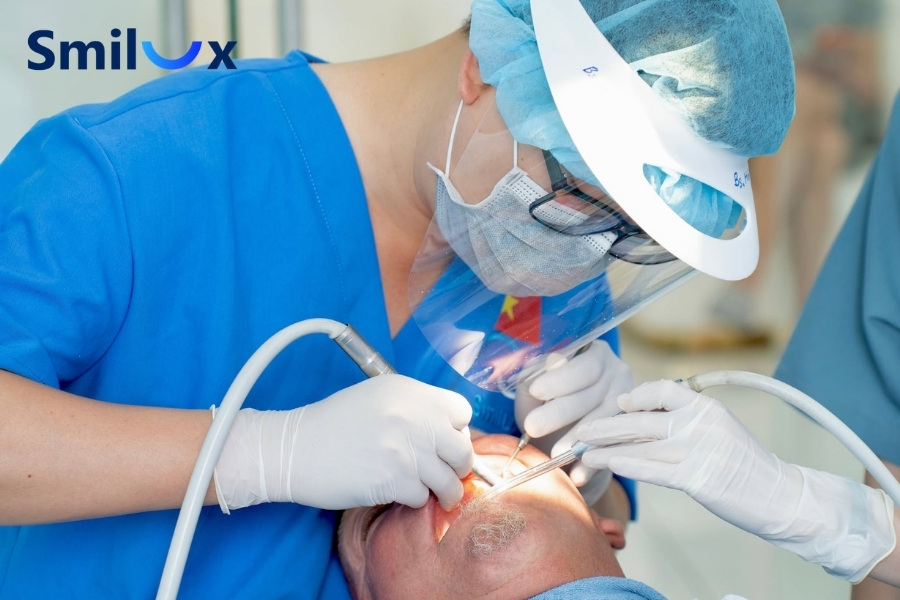
Getting braces at a reputable dental clinic helps patients reduce the risk of bone loss and other complications during orthodontics. With an experienced dentist, a complete dental imaging system, and a clear treatment plan, the orthodontic force will be properly calculated for each stage. As a result, the teeth can move more stably, reducing the risk of affecting the alveolar bone and periodontal tissues.
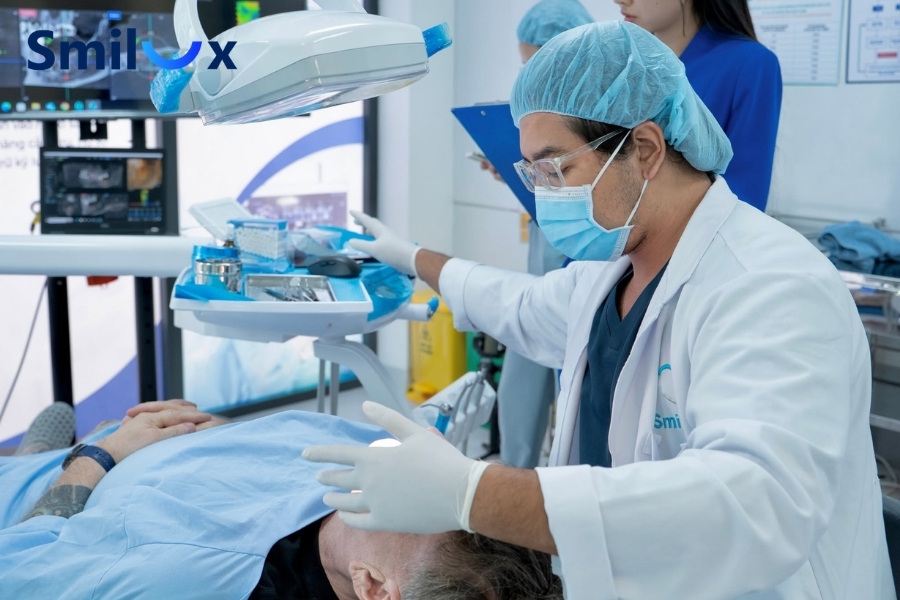
After each braces adjustment, soreness may make eating more difficult. However, you should still maintain a nutritious diet to give your body a good foundation for tooth movement and stabilization.
You should choose soft, easy-to-chew foods that are still rich in nutrients, such as milk, eggs, fish, tofu, green vegetables, and calcium-rich foods. Among them, calcium and vitamin D are two essential nutrients that help support bone and dental health and should be prioritized.

Braces are a relatively complex technique that requires a highly qualified dentist and a clear orthodontic plan. To achieve optimal results while reducing the risk of bone loss during orthodontics, you should choose a reputable dental center from the beginning.
Smilux Dental is one of the dental systems specializing in braces in Ho Chi Minh City and is currently trusted by many patients, with outstanding advantages such as:
Smilux Dental brings together a team of highly qualified dentists in the field of Dentistry and Oral-Maxillofacial Care, who directly examine and develop an orthodontic plan for each patient. With more than 15 years of experience, the dentist will carefully assess the condition of the teeth, jawbone, and bite before braces to control the orthodontic force appropriately and reduce risks during orthodontics.
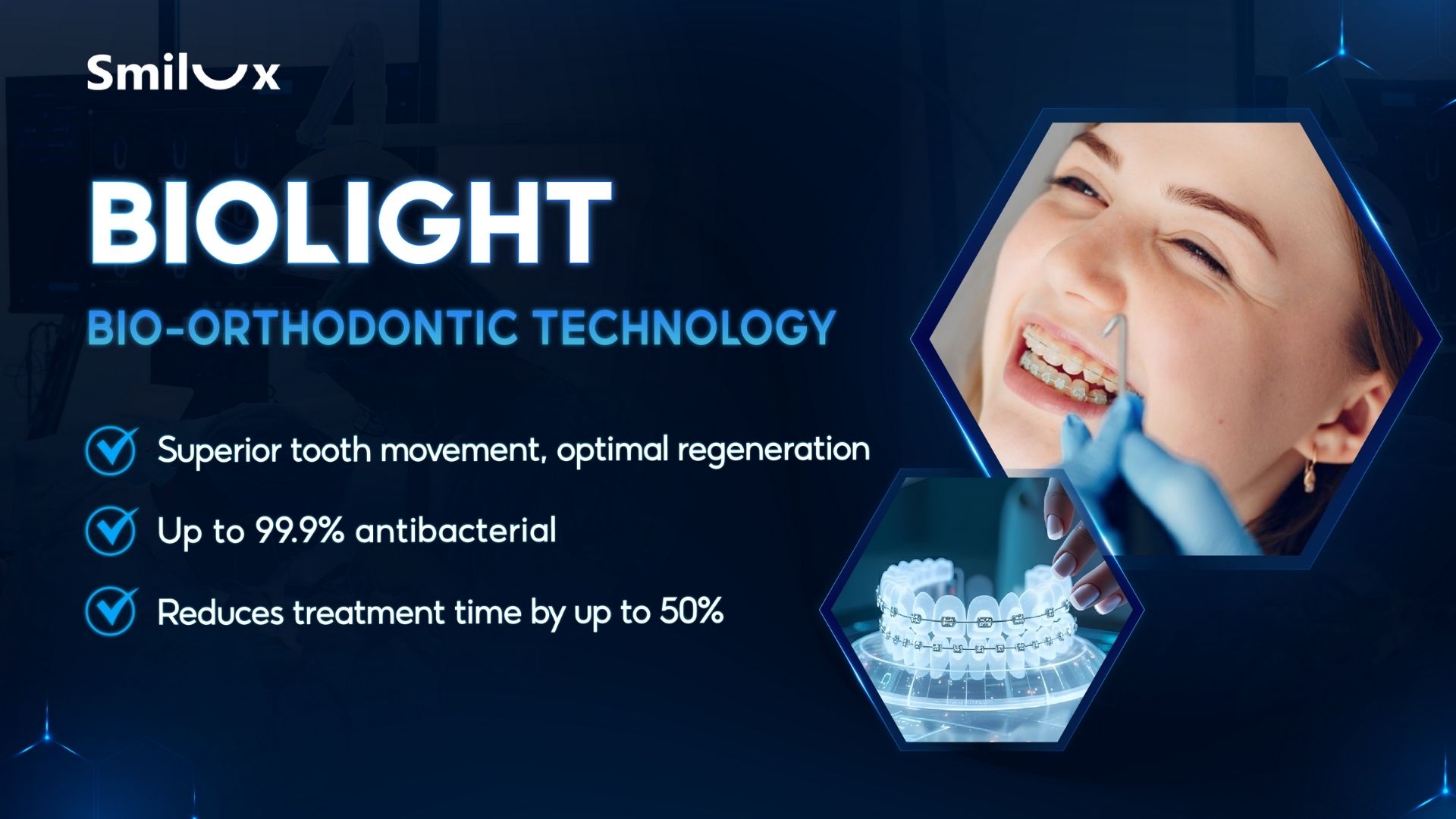
We apply BioLight braces technology with biological orthodontic force, helping teeth move more accurately, safely, and gently. This technology also helps shorten the orthodontic time while supporting the protection of the teeth, gums, and alveolar bone for patients.
Modern facilities and equipment:
Smilux Dental invests in a modern dental equipment system, directly imported from overseas, to support more accurate examination, diagnosis, and orthodontics.
We use dental materials with clear origins during the orthodontic process. This helps ensure safety, stability, and long-term effectiveness, especially for orthodontic appliances that need to be used for a long time, such as brackets, archwires, or aligners.
Before starting braces, patients are examined and clearly advised on their oral condition, suitable method, and estimated cost. As a result, patients can prepare financially in advance and feel more confident throughout their braces journey at Smilux Dental.

At What Age Can You Get Braces? Learn with Smilux about the appropriate age for orthodontic treatment, the “golden time” that allows teeth to move more easily, and cases that require a dental examination before getting braces.
Learn about the causes, warning signs, management methods, and preventive measures for Bone Loss With Braces from Smilux Dental dentists to better protect your teeth, gums, and alveolar bone.

Can I Swim With Braces? Learn advice from Smilux dentists on swimming during orthodontic treatment, how to protect your brackets and aligners, and how to maintain proper oral hygiene so your braces treatment progress is not affected.
Can I Whiten My Teeth While Wearing Braces? Smilux Dental dentists explain the best time to whiten your teeth during orthodontic treatment, the risks to avoid, and how to care for your teeth to help reduce staining and sensitivity while wearing braces.