Can Braces Cause Sunken Cheeks? Causes and How to Improve It

Many patients want to get braces to improve their smile and create a more balanced facial appearance. However, they may feel concerned after hearing that braces can cause sunken cheeks, hollow temples, or make the face look thinner.

So, can braces cause sunken cheeks? If so, what are the causes, and how can this condition be minimized? Let’s explore professional insights from Smilux Dental’s dentists in the article below for a detailed answer.

Can Braces Cause Sunken Cheeks? Causes and How to Improve It

Can Braces Cause Sunken Cheeks?

Can braces cause sunken cheeks? Braces may cause temporary sunken cheeks in some cases, but this is not a common condition. It is more likely to occur in people with a naturally slim face, limited cheek fat, or weight loss during the braces process.

Sunken cheeks during braces refer to a condition where both sides of the cheeks appear hollow, and the temple area looks deeper than usual, making the face appear less full and less balanced. The degree of cheek hollowing can vary from person to person, depending on facial structure, dental condition, and how the teeth and jaw respond to orthodontic care.

If your cheeks become noticeably sunken or your face changes significantly while wearing braces, you should visit your dental clinic so the dentist can examine your condition, assess the cause, and recommend a suitable adjustment plan.

Niềng răng có bị hóp má không

>>> Read more: Are Braces Results Permanent? How Long Do They Last?

Why Can Braces Cause Sunken Cheeks or Hollow Temples?

One of the main concerns among people considering braces is that their facial appearance may change during the orthodontic process, especially the possibility of sunken cheeks. Many patients worry that even though their teeth become straighter and more aligned, their face may look thinner, more tired, or older than before, which can affect their confidence in communication.

However, in reality, not everyone who gets braces will experience facial hollowing or sunken cheeks. This condition only occurs in certain cases and is usually associated with the following causes:

Sunken Cheeks During Braces Due to Long-Term Tooth Loss

The cheeks are supported by the dental arch, jawbone, and facial muscles. When a tooth has been missing for a long time, especially the back molars, the alveolar bone in the missing tooth area may gradually resorb because it no longer receives chewing force.

When the jawbone and teeth no longer provide enough support, the cheek area may sag or appear hollow, making the face look thinner, less full, and older than before.

>>> Read more: Do You Need Tooth Extraction for Braces? Who Needs Tooth Extraction Before Braces?

Due to Chewing Habits

Most cases of sunken cheeks and hollow temples during braces are related to changes in chewing habits throughout the orthodontic process. After braces are tightened or when the teeth feel sore, many patients tend to eat less, chew more gently, or rely on soft foods for a long period, which can make both sides of the cheeks appear more hollow.

Chewing not only helps break down food but also helps maintain the firmness of facial muscles, especially the masseter muscles and the cheek muscle groups. When these muscles are used regularly, the cheek area has better support, making the face look fuller and more balanced.

On the other hand, if a patient with braces chews too little, often eats only soft foods, or avoids chewing for a long time, the cheek muscles may become less active. As a result, the cheeks may appear more sunken, and the face may look thinner and less lively.

Bị hóp má khi niềng răng do thay đổi chế độ ăn nhai

Due to an Unbalanced Diet

During the early stage of wearing braces, many patients may feel discomfort, tooth soreness, or difficulty eating, especially after each braces adjustment. Because they are afraid of pain or reluctant to chew, they may eat less, skip meals, or choose only a few soft foods, which can lead to nutritional deficiencies.

When the body does not receive enough energy, protein, vitamins, and essential minerals, patients may lose weight quickly. As a result, the soft tissue in the face may also decrease, making both cheeks look more hollow and the face appear thinner, more tired, and less full.

Sunken Face and Sunken Cheeks During Braces Due to Stress

Stress and emotional tension may also contribute to sunken cheeks during the braces process. When a patient’s mental state is unstable, they may eat less, sleep poorly, and feel physically exhausted more easily. If this continues for a long period, the face may appear tired and less refreshed, while the cheeks and temple areas may look more hollow.

In this case, facial hollowing during braces is not directly caused by orthodontic appliances. Instead, it is more closely related to the patient’s overall health and emotional well-being throughout the braces process.

Niềng răng hóp mặt, hóp má do stress

Improper Braces Technique

Braces require the dentist to carefully evaluate the condition of the teeth, jawbone, and bite before creating a suitable tooth movement plan for each patient.

If orthodontic force is not properly controlled, the teeth may move in the wrong direction or cause unwanted changes to the bite. As a result, patients may experience prolonged soreness, difficulty chewing, a less balanced facial appearance, and the feeling that braces have made their cheeks look more sunken.

Are Sunken Cheeks During Braces Permanent?

According to dentists at Smilux Dental, sunken cheeks and hollow temples during braces are usually not permanent. In most cases, this condition can improve when patients maintain a balanced diet, follow suitable daily habits, and comply with their orthodontist’s instructions.

As the body adapts better to the braces process, chewing becomes more stable and body weight is maintained. The cheek and temple areas may gradually look fuller again.

Bị hóp má khi niềng răng có vĩnh viễn không?

>>> Read more: Can You Kiss with Braces? Smilux Dental’s Dentist Explains in Detail

How to Improve Sunken Cheeks During Braces

To improve sunken cheeks during braces, you can refer to the following information shared by Smilux Dental’s dentists:

Maintain a Proper Diet and Get Enough Nutrients

During the braces process, patients should limit foods that are too chewy or too hard to avoid loosening brackets or affecting orthodontic appliances. However, dietary restrictions do not mean eating too little or relying on only a few soft foods for a long time.

A daily diet should include enough protein, healthy fats, carbohydrates, vitamins, and minerals to provide energy, maintain a stable body weight, and support oral health. When the body receives adequate nutrition, the risk of weight loss, sunken cheeks, and hollow temples can also be reduced.

Cách không bị hóp má khi niềng răng là duy trì chế độ ăn uống khoa học

Maintain a Relaxed Mental State

One way to improve sunken cheeks during braces that patients can actively follow is to maintain a relaxed mental state throughout the orthodontic process. Prolonged stress can make the body feel tired, reduce appetite, affect sleep quality, and increase the risk of weight loss. At this point, the cheeks and temple areas may appear more hollow, making the face look less refreshed.

You can relax through simple habits such as listening to music, reading, doing light exercise, practicing yoga, meditating, or spending time resting with family and friends. A stable mindset can make the braces process more comfortable while also supporting overall health and a fresher appearance.

Choose a Reputable Dental Clinic and a Skilled Orthodontist

Improper orthodontic care can increase the risk of sunken cheeks, hollow temples, or facial imbalance during the braces process. Therefore, you should carefully research before choosing a dental clinic, especially the dentist’s expertise, examination process, and diagnostic equipment.

A suitable orthodontic plan should be developed based on each patient’s teeth, jawbone, bite, and facial features. When orthodontic force is properly controlled, the teeth can move more steadily, helping reduce prolonged soreness and lower the risk of affecting facial aesthetics.

Làm sao để không bị hóp má khi niềng răng? Chọn nha khoa uy tín

Safe and Comfortable BioLight Braces Technology at Smilux

Sunken cheeks during braces should not be the reason you give up on getting braces. With a thorough examination and a suitable orthodontic plan created by an experienced dentist, braces can not only help improve the bite and align the teeth beautifully, but also support a more harmonious facial appearance.

If you are still concerned about can braces cause sunken cheeks and need accurate consultation before getting braces, visit Smilux Dental International Clinic for a direct examination by a dentist.

At Smilux Dental, patients are examined directly by dentists with more than 15 years of experience, who carefully analyze the condition of the teeth and jawbone before braces. Combined with modern dental equipment, each orthodontic plan is designed to suit the individual patient, helping reduce the risk of sunken cheeks and hollow temples during the braces process.

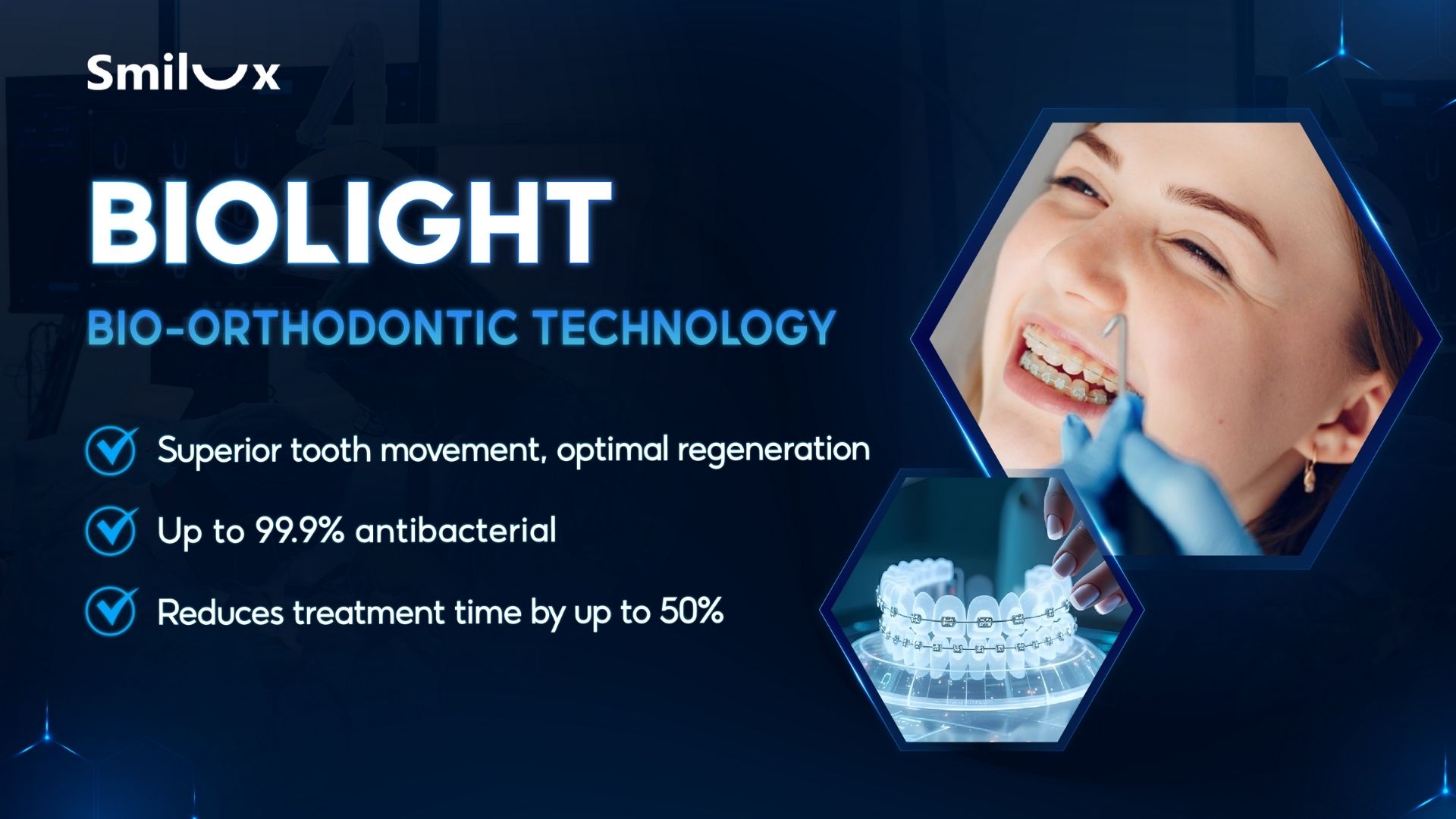
In addition, Smilux Dental is currently applying BioLight biolight braces technology, which supports a gentler orthodontic process, better force control, and a more comfortable experience for patients.

The advantages of BioLight braces technology include:

  • Shorter braces time: BioLight uses biological light to support the remodeling process of the alveolar bone. Thanks to this mechanism, the teeth can move more smoothly according to the plan created by the dentist, helping optimize orthodontic time while maintaining the stability of the teeth, gums, and bite.
  • Reduced pain and tooth sensitivity during braces: BioLight biological light helps the tissues around the teeth adapt better to changes during the orthodontic process. As a result, patients often feel more comfortable, with less tightness and sensitivity after tooth movement stages.
  • Protection for the gums and tooth enamel: Instead of forcing the teeth to move with strong pressure, this technology focuses on the natural adaptation of the tissues around the teeth. This approach helps better protect the gums, tooth enamel, and supporting structures of the teeth.
  • Bacterial control in the oral cavity: This technology combines Ag+ ions with antibacterial properties, helping keep the oral cavity cleaner while wearing orthodontic appliances. As a result, patients can reduce the risk of gingivitis, gum inflammation, and bad breath.

Thumb BioLight Technology

BOOK APPOINTMENT​

Error: Contact form not found.

CONCLUSION

The article above from Smilux Dental has provided a detailed answer to the question “Can Braces Cause Sunken Cheeks?” along with helpful information about the causes and ways to improve this condition.

If you are planning to get braces, schedule an appointment at Smilux Dental International Clinic so our dentists can assess your condition in detail and recommend a suitable orthodontic plan. Contact our HOTLINE (+84) 866 251 379 for the earliest support.

bs hoàng danh ngân mới nhất
PROFESSIONAL CONSULTATION: DR. HOANG DANH NGAN Dr. Hoang Danh Ngan, MSc., DDS., CHUWS, is one of the leading dental professionals at Smilux Dental, with over 15 years of clinical experience.

---------- Braces Knowledge ----------

Can You Drink Beer with Braces?
21May

Can You Drink Beer with Braces? Learn Smilux dentists’ advice on drinking beer and alcohol during orthodontic care, the possible effects you may experience, and proper oral hygiene practices to protect your brackets while reducing bad breath, tooth sensitivity, and yellowing.

What Foods to Eat and Avoid with Braces?
20May

What foods should you eat with braces to reduce soreness, protect brackets, and still get enough nutrients? This article from Smilux dentists will help you understand which foods to eat, which foods to avoid, and how to care for your teeth properly during the first few days of orthodontic care.

Can Braces Make Your Nose Look Higher?
19May

Can Braces Make Your Nose Look Higher? In fact, braces do not change the structure of the nose. Let’s learn more with Smilux Dental in this article.

Can You Get Braces If You Have Dental Fillings?
19May

Can You Get Braces If You Have Dental Fillings? Smilux Dental dentists explain in detail the conditions for getting braces after dental fillings, cases that need to be addressed before orthodontic care, and key notes to help protect your natural teeth and fillings throughout the braces process.

1 2 3 4
This site is registered on wpml.org as a development site. Switch to a production site key to remove this banner.