1. Home
  2. »
  3. Braces Knowledge
  4. »
  5. Can I Get Braces If I Have Periodontitis?

Can I Get Braces If I Have Periodontitis? Smilux Answers

Can I Get Braces If I Have Periodontitis? This is a common concern for many people who want to improve their smile with braces, especially those with protruding teeth, underbite, misaligned teeth, or bite problems. In the article below, the doctors at Smilux International Dental Clinic will help you understand this issue in detail.

Can I Get Braces If I Have Periodontitis? Smilux Answers

Can I Get Braces If I Have Periodontitis?

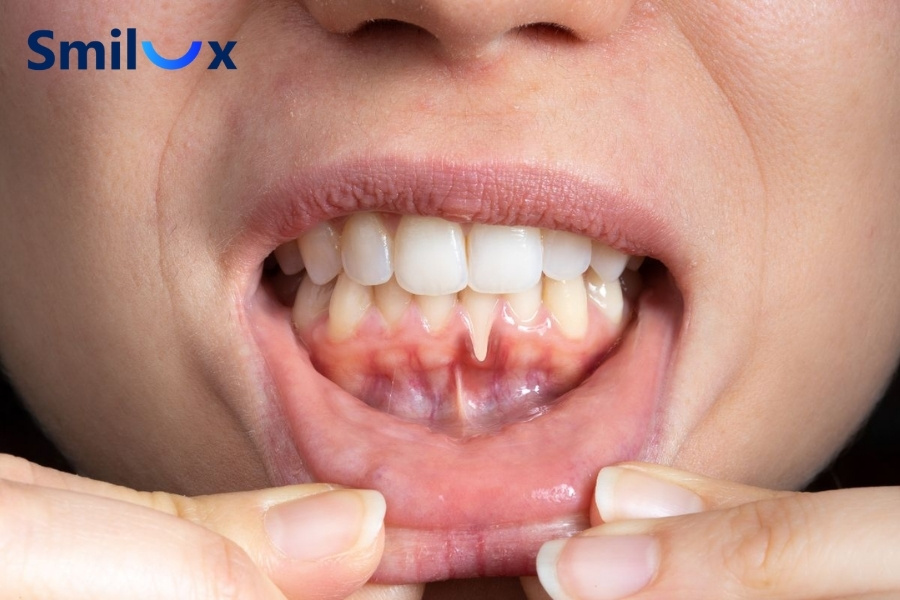
Periodontitis is a serious gum infection that affects the tissues surrounding the teeth, including the gums and jawbone. Common signs of this condition include red and swollen gums, gums that bleed easily, gums that do not attach firmly to the teeth, loose teeth, and bad breath. Severe periodontitis can lead to tooth loss if it is not managed in time.

So, can I get braces if I have periodontitis? In fact, patients with periodontitis CAN still get braces, provided that the condition has been fully managed or is under stable control.

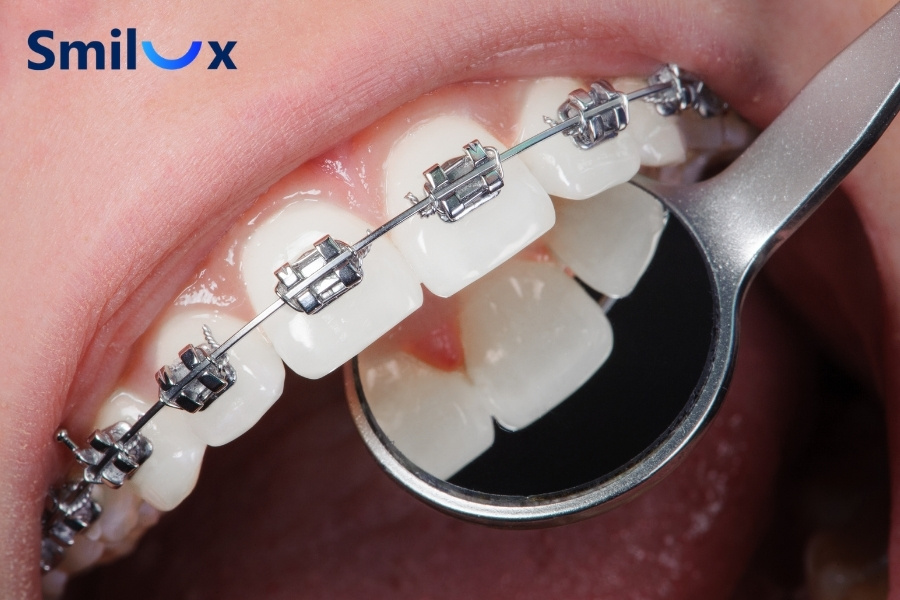
Braces use brackets or clear aligners to apply force and move the teeth into their proper positions on the dental arch. This method helps improve protruding teeth, underbite, crowded teeth, misaligned teeth, and bite problems.

However, for teeth to move safely, the periodontal tissues must be healthy enough to support the tooth roots, including the gums, periodontal ligaments, and alveolar bone. In patients with severe periodontal disease, these supporting tissues are often inflamed, weakened, or affected by bone loss, meaning they may not meet the necessary conditions for orthodontic care.

Bệnh nhân viêm nha chu vẫn có thể niềng răng

>>> READ MORE: Can I Whiten My Teeth While Wearing Braces? Smilux Dentists Explain

Cases Where Patients with Periodontitis Can and Should Not Get Braces

Whether patients with periodontitis should get braces depends on the severity of the condition and each patient’s actual oral health. After an examination, the dentist will assess the gums, supporting bone around the teeth, and tooth stability to determine whether braces can be started right away or whether periodontal care is needed first.

Specifically, cases where patients with periodontitis can get braces and should not get braces yet include:

Cases Where Patients Can Get Braces If They Have Periodontitis

  • Mild periodontitis: If periodontitis has just developed, the teeth are not loose, and the bone around the teeth has not been significantly lost, the patient may be considered for braces. However, inflammation must be managed, tartar must be removed, and good oral hygiene must be maintained before brackets are placed or clear aligners are used.
  • Stable, well-controlled periodontitis: When the gums are no longer swollen or inflamed, the teeth are not becoming progressively loose, and the periodontal tissues are stable enough, the dentist may recommend braces. During the braces process, patients need regular periodontal checkups to reduce the risk of recurring inflammation or further tooth weakening.

Viêm nha chu ổn định, bác sĩ mới cân nhắc niềng răng

Cases Where Patients with Periodontitis Should Not Get Braces Yet

  • Uncontrolled periodontitis: When the gums are still swollen, inflamed, or bleeding, periodontal pockets are present, or bacteria continue to damage the tissues around the teeth, patients should not get braces yet. The force from brackets or aligners may weaken the teeth further and cause periodontal disease to progress more quickly.
  • Severe periodontitis, loose teeth, or significant bone loss: If the supporting bone around the teeth has been significantly lost, the teeth are clearly loose, or the periodontal tissues are no longer stable, braces are usually not recommended right away. In this case, the teeth may not tolerate orthodontic force well and may have a higher risk of tooth loss.
  • Periodontitis causing the loss of multiple teeth: When periodontitis has caused the loss of many teeth, the bite structure and chewing function may be significantly affected. The dentist needs to reassess the entire oral condition to consider dental restorations, implants, or other suitable dental care options before considering braces.
  • Periodontitis with uncontrolled systemic conditions: Patients with diabetes, blood clotting disorders, or other systemic conditions need to have their general health controlled before getting braces. If the body has a high risk of infection or poor healing, the braces process may carry a higher risk of complications.
  • Previous dental implant placement due to tooth loss: Patients who have had dental implants need to be carefully evaluated by the dentist before getting braces. Unlike natural teeth, implant posts are integrated with the jawbone, so they cannot be moved with orthodontic force like natural teeth. To understand this more clearly, you can read the article “Can You Get Braces with False Teeth?”

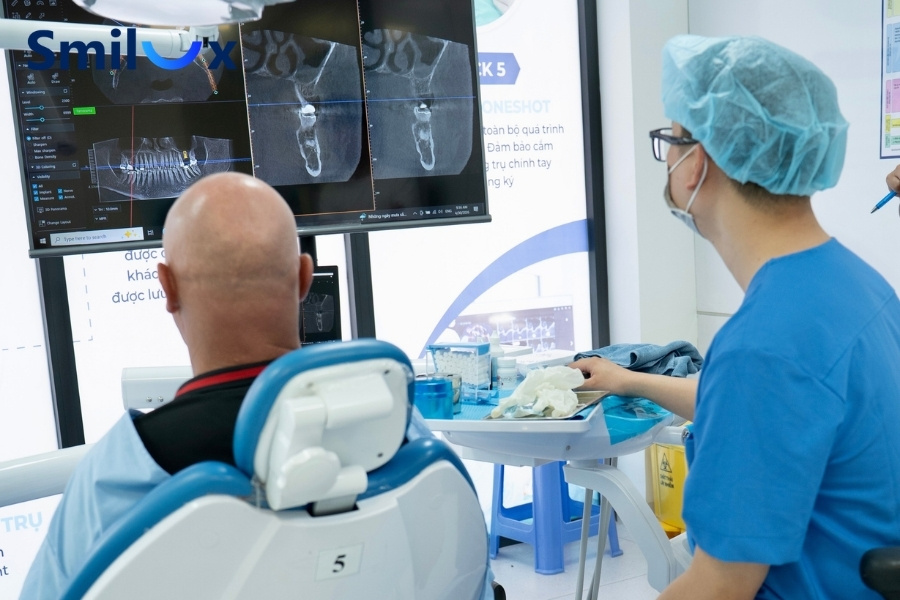
At Smilux International Dental Clinic, patients with periodontitis who want to get braces will be carefully examined by a dentist before any orthodontic recommendation is made. Depending on each case, the dentist may check the gum condition, measure periodontal pocket depth, and take Cone Beam CT scans to assess the level of alveolar bone loss and tooth stability.

After the examination results are available, the periodontist and orthodontist will work together to create a suitable care plan, helping control periodontal disease before braces and reduce risks during tooth movement.

To receive specific advice from a dentist about your oral health condition, please leave your information in the form below.

BOOK APPOINTMENT​

    Braces Process for Patients with Periodontitis at Smilux

    At Smilux Dental, the braces process is directly examined, consulted, and monitored by dentists with more than 15 years of experience. Each step follows the safety standards of the Ministry of Health, helping patients have their oral condition carefully assessed before starting orthodontic care.

    • Step 1: Examination and Diagnosis of Periodontal Condition

    Before getting braces, the dentist will perform a general examination of the teeth, gums, and bite. Patients may have their periodontal pocket depth measured, tooth mobility checked, and Cone Beam CT scans taken to assess the level of alveolar bone loss and the force tolerance of each tooth. Based on the examination results, the dentist will create a suitable care plan for each case.

    • Step 2: Periodontal Care Before Orthodontic Care

    If the gums are still inflamed or periodontal pockets are present, the dentist will provide periodontal care first. This process may include tartar removal, cleaning plaque below the gumline, managing periodontal pockets, and controlling inflammation with medication when necessary.

    • Step 3: Starting Braces Once the Periodontal Condition Is Stable

    When the gums no longer show progressive inflammation, the teeth are stable enough, and the periodontal tissues respond well, the dentist will then recommend placing brackets or using clear aligners. For patients who have had periodontitis, orthodontic force is usually controlled more gently and carefully to limit pressure on the teeth and alveolar bone.

    • Step 4: Periodontal Monitoring Throughout the Braces Process

    During orthodontic care, patients need regular follow-up visits according to the dentist’s schedule. At each visit, the dentist will check the gum condition, periodontal pockets, tooth mobility, and the response to orthodontic force. In addition, patients may need regular tartar removal to reduce plaque buildup around the brackets, helping lower the risk of recurrent periodontitis.

    • Step 5: Care and Maintenance After Braces Removal

    After completing the braces process, patients need to wear retainers as instructed and continue proper periodontal care. Follow-up visits every 3 to 6 months will help the dentist monitor gum health, alveolar bone, and detect early signs of recurrent inflammation, if any.
    Quy trình niềng răng cho bệnh nhân viêm nha chu tại Smilux

    Risks and Complications of Getting Braces While Periodontitis Is Still Present

    If periodontitis is still progressing but the patient still gets braces, there may be many potential risks to the teeth, gums, and alveolar bone. Specifically:

    • Inflammation may become more severe: When the gums are still swollen, bleed easily, or have periodontal pockets, orthodontic force may further irritate the tissues around the teeth. Patients may experience pain, gum bleeding, bad breath, or more severe progression of periodontitis.
    • Teeth may become loose and difficult to move in the right direction: Periodontitis weakens the supporting tissues of the teeth, especially the alveolar bone and periodontal ligaments. If loose teeth are still exposed to orthodontic force, they may move in an uncontrolled way, affect the orthodontic outcome, and increase the risk of tooth loss.
    • The braces process may take longer: When the periodontal tissues are not yet stable, the teeth often respond less effectively to orthodontic force. This may slow down tooth movement, require multiple care plan adjustments, and extend the braces process.
    • Oral hygiene may become more difficult: Brackets, archwires, or aligners can make food debris and plaque accumulate more easily if the patient does not clean their teeth carefully. For people with existing periodontitis, this can further promote bacterial growth and increase the risk of tartar buildup, gingivitis, and recurrent periodontal disease.
    • The risk of periodontal complications may increase: If not controlled in time, periodontitis can lead to bone loss around the teeth, periodontal abscesses, pain, swelling, and persistent bad breath. In severe cases, the teeth may become very loose and may no longer be suitable for preservation.

    Những rủi ro, biến chứng khi còn bị viêm nha chu nhưng vẫn niềng răng

    Smilux Dental - A Safe Braces Address for People with Periodontitis

    As shared above about the question “Can I Get Braces If I Have Periodontitis?”, patients with periodontitis can still get braces if their periodontal condition has been managed and is under stable control.

    However, this group of patients needs a more thorough examination before starting orthodontic care, because teeth can only move safely when the gums, alveolar bone, and supporting tissues around the teeth are healthy enough.

    Therefore, if you have had periodontitis or are concerned about your gum health, you should choose a reputable dental clinic. The dentist does not only need to check whether your teeth are misaligned, protruding, underbite, or affected by bite problems, but also has to assess the stability of your periodontal condition before creating a braces plan.

    At Smilux International Dental Clinic, patients will be directly examined, consulted, and monitored throughout the braces process by dentists with more than 15 years of experience. Especially for patients with periodontitis, Smilux Dental focuses on monitoring periodontal health alongside the braces process to reduce risks and limit the recurrence of inflammation.

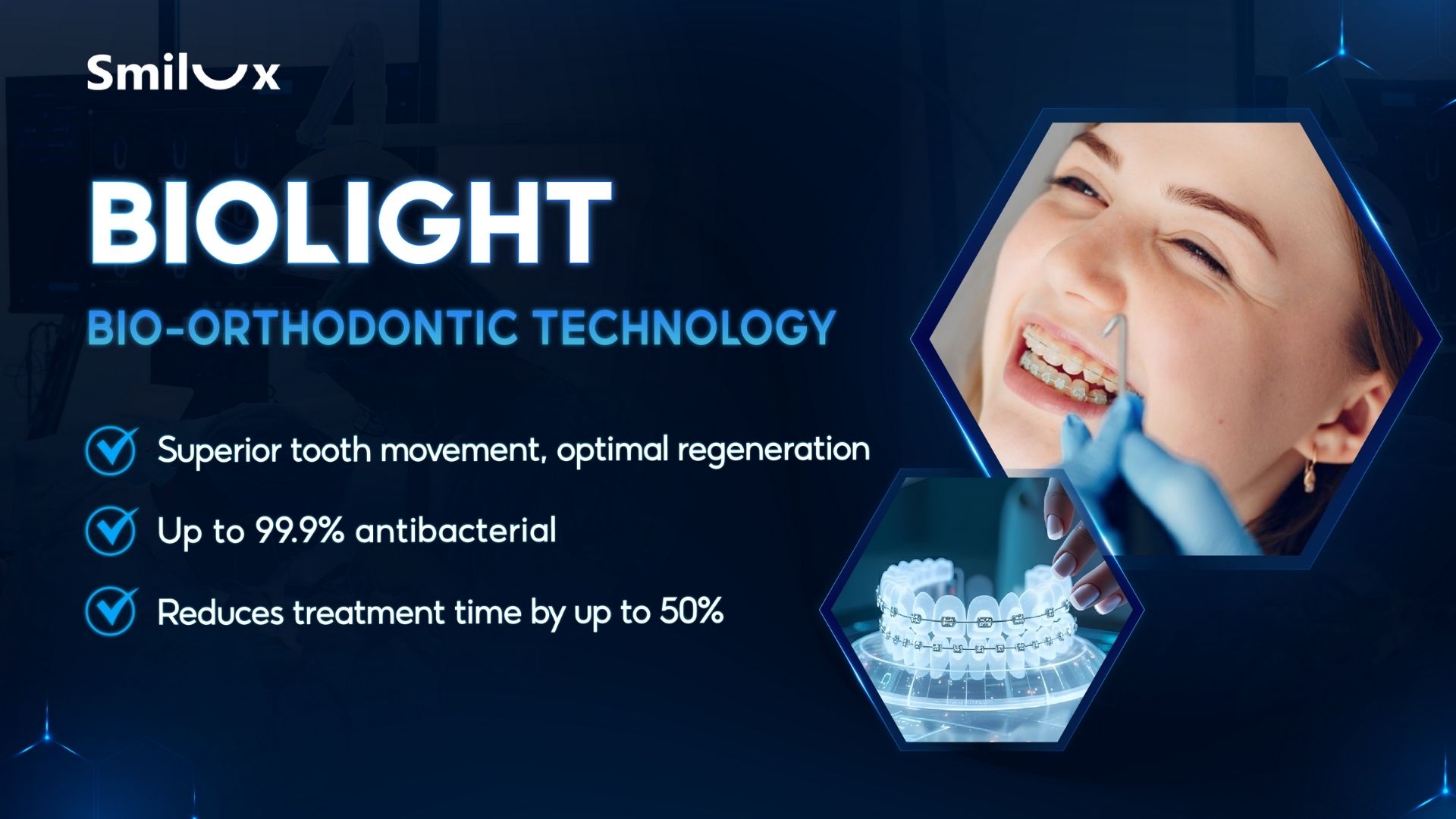
    In addition to a highly qualified dental team, we also apply BioLight braces technology to support gentler tooth movement, reduce discomfort, and help protect the teeth and gums throughout orthodontic care. The entire care plan, timeline, and cost are clearly explained before starting, helping patients feel more confident when choosing braces here.

    Thumb BioLight Technology
    BioLight Technology

    With an experienced and dedicated dental team, along with the support of modern technology such as 3D Cone Beam CT and CAD/CAM systems, Smilux International Dental Clinic will help patients achieve an aesthetic, safe, and long-lasting stable smile. Book an appointment through the FORM today for a free consultation.

    BOOK APPOINTMENT​

      CONCLUSION

      Hopefully, the information above has helped you better understand the question: Can I Get Braces If I Have Periodontitis? In fact, patients with periodontal disease need to be examined by a dentist to assess the level of inflammation, the condition of the alveolar bone, and tooth mobility before deciding on orthodontic care.

      If you have periodontal problems and want to get braces safely, please contact Smilux Dental HOTLINE at (+84) 866 251 379 to receive a consultation from a dentist and a suitable care plan.

      Note: The content in this article is for reference only and does not replace a dentist’s diagnosis or clinical recommendation. For accurate advice based on your oral condition, you should visit a dental specialist directly. See more.

      bs hoàng danh ngân mới nhất
      PROFESSIONAL CONSULTATION: DR. HOANG DANH NGAN Dr. Hoang Danh Ngan, MSc., DDS., CHUWS, is one of the leading dental professionals at Smilux Dental, with over 15 years of clinical experience.

      ---------- Braces Knowledge ----------

      Can You Get Braces If Tooth Number 6 Is Missing?
      15May

      Can You Get Braces If Tooth Number 6 Is Missing? Join Smilux to learn about the conditions for getting braces when tooth number 6 is missing, cases where teeth number 7 and 8 can be moved to replace it, and when a dental implant is needed to restore chewing function and keep the bite stable.

      Are Braces Results Permanent?
      12May

      Are Braces Results Permanent? Learn with Smilux Dental’s dentists how long braces results can last, why teeth may shift again after braces are removed, and how proper care and retainer wear can help protect your smile for the long term.

      Can Braces Cause Sunken Cheeks?
      10May

      Can Braces Cause Sunken Cheeks? Let Smilux Dental help you understand the causes of sunken cheeks during the braces process and how to improve this condition in the article below.

      The Worst Stage of Braces
      06May

      The Worst Stage of Braces and how to overcome it is a common concern for many people before starting orthodontic treatment. This article from Smilux will help you better understand the common changes during braces treatment and how to effectively improve aesthetics.

      1 3 4 5 6
      This site is registered on wpml.org as a development site. Switch to a production site key to remove this banner.