1. Home
  2. »
  3. Braces Knowledge
  4. »
  5. Can You Get Braces After Dental Crowns?

Can You Get Braces After Dental Crowns? Smilux dentists explain.

After getting dental crowns, some patients may still want braces to improve crooked teeth, protruding teeth, underbite, or bite misalignment. However, can you get braces after dental crowns, and will it affect the crowns or the natural teeth underneath?

Learn more with the dentists at Smilux Dental in the article below to understand when crowned teeth can be moved with braces and which orthodontic method may be more suitable.
Can You Get Braces After Dental Crowns? Smilux dentists explain.

Can You Get Braces After Dental Crowns?

During braces consultations and dental examinations, dentists at Smilux International Dental Clinic receive many questions about “Can you get braces after dental crowns?”

Regarding this concern, the dentists explain that patients who have had dental restorations with crowns or cosmetic dental crowns can still get braces if they meet certain necessary conditions. However, not every case can achieve the desired results.

For example, if you only have a few individual crowns due to tooth decay, cracked or fractured teeth, or tooth replacement with a dental bridge, you can usually get braces as normal because the crowns are only located in certain positions and do not significantly affect the entire dental arch. When the tooth roots are still healthy, the periodontal tissue is stable, and the bite allows for it, the dentist can create a suitable orthodontic plan to move the teeth safely.

For patients who have had full-mouth cosmetic dental crowns, or previously had crowns to improve protruding teeth, underbite, or reverse bite but did not achieve the expected results, getting braces can be more complicated. In some cases, the teeth may no longer meet the conditions required for braces.

Technically, brackets can still be attached to dental crowns. However, the surface of a dental crown is smoother and harder than natural enamel, so bracket adhesion is often weaker. This may increase the risk of brackets becoming loose during the braces process. Therefore, the dentist needs to properly prepare the crown surface, choose suitable bonding materials, and carefully control orthodontic force to minimize the impact on both the dental crowns and the natural teeth underneath.
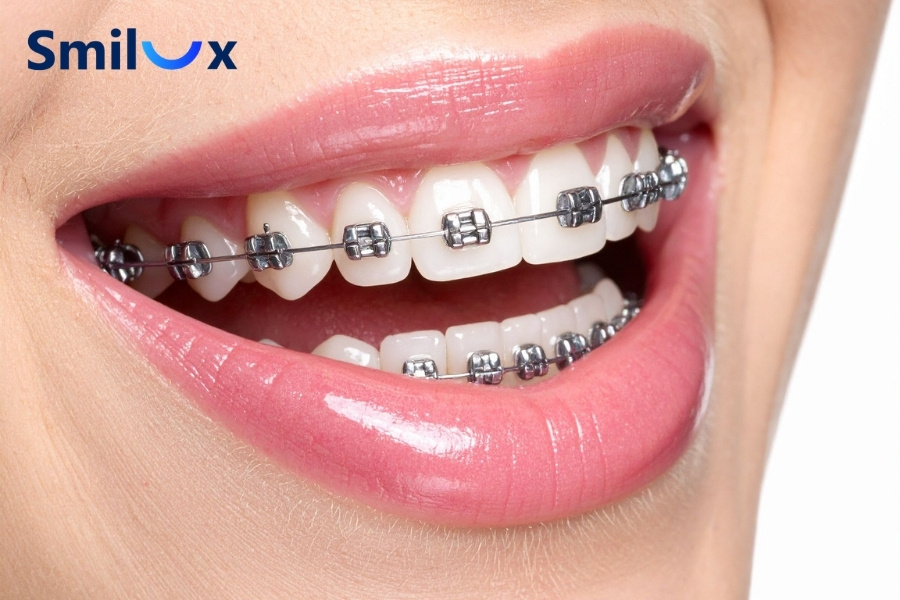
Răng đã bọc sứ vẫn có thể niềng được

>>> XEM THÊM: Can I Get Braces If I Have Periodontitis? Smilux Answers

In which cases can you still get braces after dental crowns?

Only after a direct dental examination and consultation can the dentist accurately determine whether you can get braces after dental crowns. This condition needs to be evaluated based on several factors, including:

Whether there is enough remaining tooth structure

Getting dental crowns means that part of the natural tooth must be reshaped to support the crown. If there is still enough healthy natural tooth structure left after preparation, the tooth may respond better to orthodontic force.

During the braces process, the dentist may attach brackets to the crowns or use clear aligners to apply pressure, helping the teeth move into the correct position on the dental arch. However, because orthodontic force is transmitted through the dental crown rather than directly to the natural tooth, tooth movement may be more limited.

During tooth movement, the crown may also be at risk of becoming loose, dislodged, or no longer fitting the bite properly after braces. In some cases, the dental crown may need to be replaced after orthodontic care to ensure aesthetics and chewing function.

Whether the dental crown fits tightly according to proper standards

The fit of the dental crown is also a determining factor in whether you can get braces after dental crowns. If the crown does not fit closely around the prepared natural tooth or the bonding is not strong enough, the crown may become loose or dislodged during tooth movement.

A well-fitted crown helps protect the natural tooth structure underneath and reduces the risk of tooth decay, gum inflammation, or weakening of the prepared tooth during the braces process. To evaluate this factor, the dentist usually uses dental instruments to examine the junction between the crown and the tooth root. If gaps, tooth decay, or a poorly fitted crown are detected, the patient may need to have the dental crown replaced before starting braces.
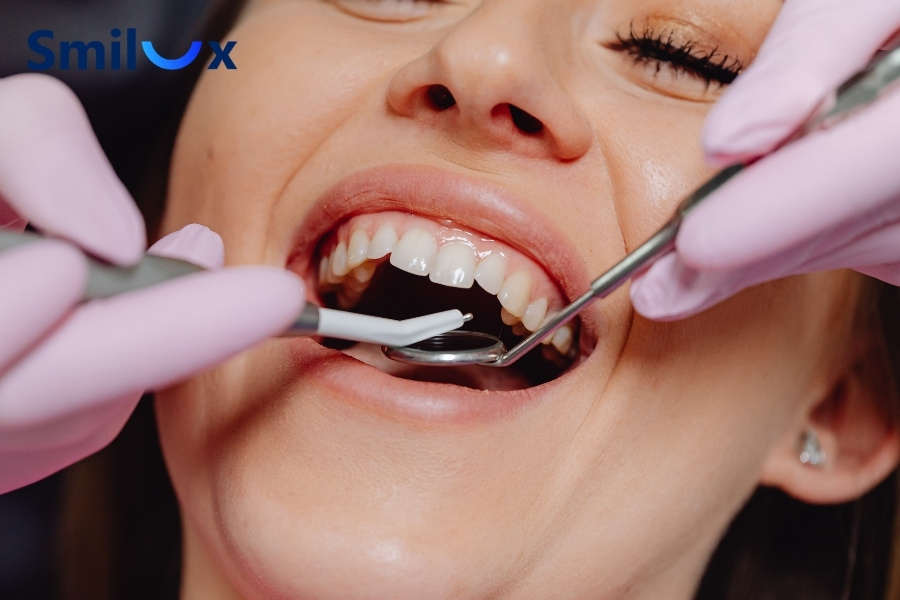
Mão sứ kín khít giúp niềng răng an toàn hơn

Whether the tooth has had root canal therapy

If the tooth is still vital, the natural tooth structure remains healthy, and no abnormalities are detected during the dental examination, getting braces may be more favorable. On the other hand, teeth that have had root canal therapy are often more brittle and have lower resistance to force.

If the patient previously had multiple teeth reshaped and root canal therapy performed to improve protruding teeth, underbite, or misaligned teeth, getting braces later may be more difficult. If almost the entire arch has had root canal therapy and the natural teeth have been significantly reduced, the dentist may not recommend braces because the teeth may no longer be strong enough to withstand orthodontic force.

The planned limits of tooth movement

If the patient has severe protrusion or underbite and the teeth need to be moved over a long distance, the dentist must carefully evaluate the orthodontic feasibility before starting. This helps ensure that after braces, the tooth roots remain stable within the jawbone, reducing the risk of root resorption, tooth mobility, or the teeth being moved out of the supporting bone area.
Giới hạn di chuyển răng theo kế hoạch

In summary, if you have had dental crowns and want to get braces, the best option is to visit a dental clinic for a direct examination. After the examination, dental X-rays, and bite analysis, the dentist can determine whether your case is suitable for braces, which method should be used, and whether the crowns need to be replaced before or after orthodontic care.

Suitable braces methods for people with dental crowns

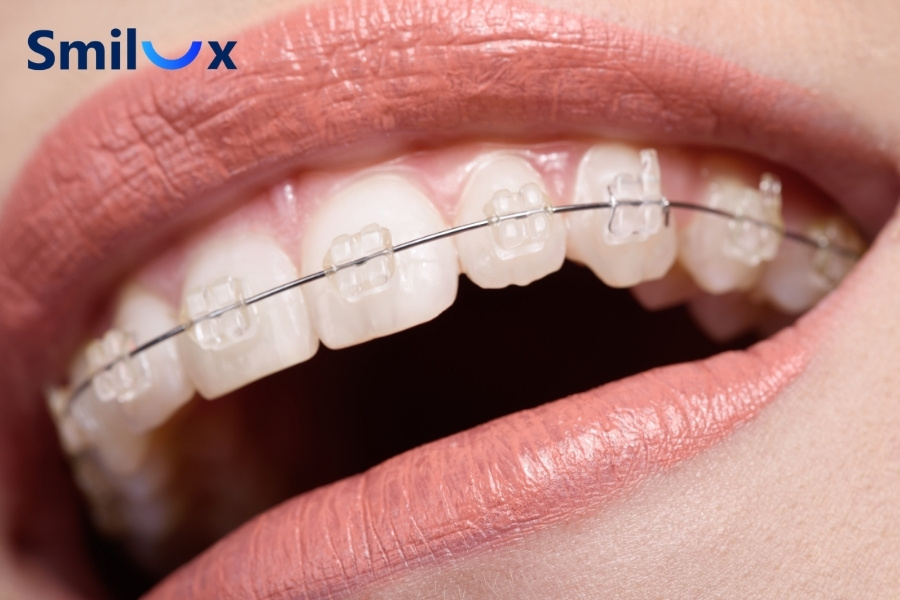
Currently, there are two main orthodontic methods: traditional braces and clear aligners. For patients who have had dental crowns, clear aligners are often more suitable because they do not require brackets to be attached to the crowns, helping minimize the impact on the crowns throughout orthodontic care.

Unlike fixed braces, Invisalign uses clear aligners that are custom-made for each stage of tooth movement. The aligners can be removed when eating, drinking, and cleaning the teeth, making oral hygiene easier for people with dental crowns during orthodontic care.

Because brackets do not need to be attached directly to the crowns, Invisalign helps reduce the risk of crowns becoming loose, cracking, or having their surfaces scratched. The aligners fit closely around the teeth and apply gentle, controlled force to move the teeth according to the planned dental care process.

However, the cost of clear aligners is usually higher than traditional braces. In return, this method offers better aesthetics, easier oral hygiene, and may reduce the risk of needing to replace multiple dental crowns after braces.
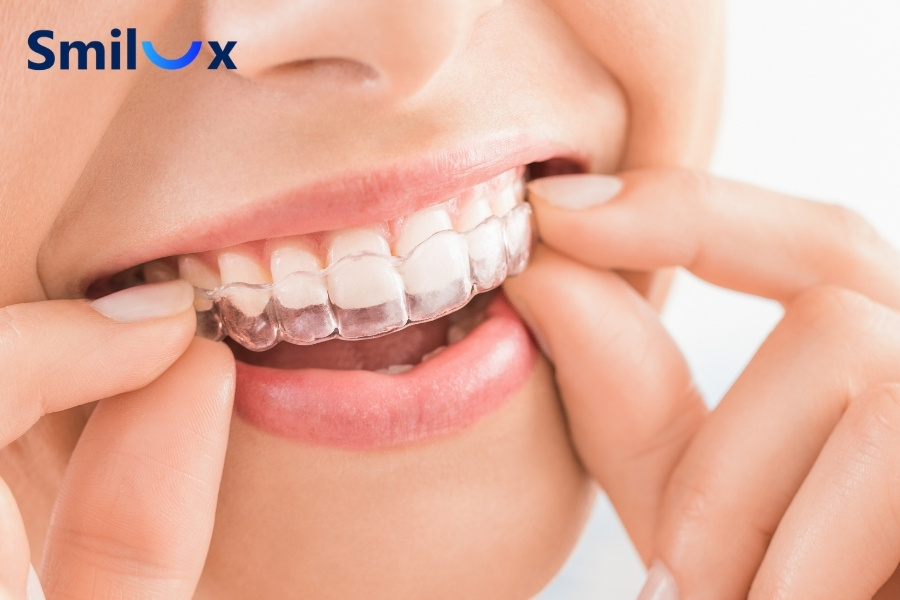
Răng đã bọc sứ thường phù hợp hơn với niềng răng trong suốt

Some considerations for people with dental crowns who want to get braces

To make the braces process after dental crowns more favorable, you should keep the following points in mind:
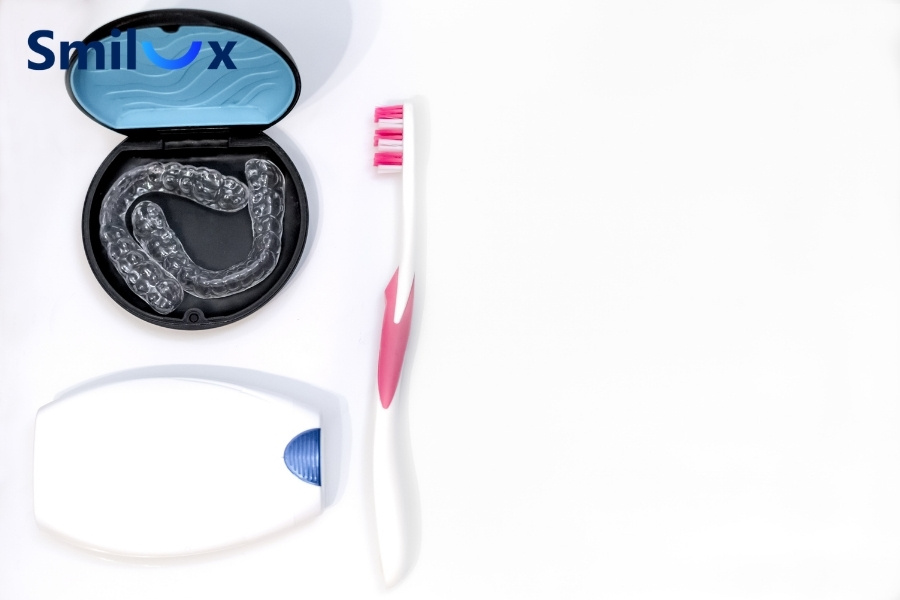
  • Choose a reputable dental clinic: Before getting braces, you need to have the condition of your crowns, tooth roots, gums, jawbone, and bite checked. A thorough examination helps determine whether you can get braces after dental crowns while reducing potential risks during the braces process.
  • Maintain proper oral hygiene: You should brush your teeth 2 to 3 times a day with a soft-bristled toothbrush and fluoride toothpaste. In addition, you should use dental floss, a water flosser, or mouthwash to clean between the teeth, along the gumline, and around the crowns.
  • Limit foods that are too hard or too chewy: Foods such as ice, bones, hard candy, and tough dried foods may affect dental crowns or orthodontic appliances. If you are using clear aligners, you should remove them when eating and clean your teeth thoroughly before wearing them again.
  • Reduce foods high in sugar, starch, and acid: Cakes, soft drinks, starchy foods, or highly acidic fruits such as oranges, lemons, and grapefruits may increase the risk of plaque buildup, tooth decay, and tooth sensitivity if consumed frequently.
  • Limit foods and drinks that easily cause staining: Coffee, strong tea, alcohol, tobacco, or dark-colored foods may cause both dental crowns and natural teeth to become discolored over time. After consuming them, you should rinse your mouth or clean your teeth to reduce staining.
  • Maintain a tooth- and gum-friendly diet: You should add green vegetables, low-acid fruits, meat, fish, eggs, and protein-rich foods to your diet. A balanced diet helps support gum health, periodontal tissue, and the teeth’s ability to adapt during orthodontic care.

Một số lưu ý cho người bọc răng sứ muốn niềng răng

Smilux Dental Clinic - A Safe Address for Dental Crowns and Braces

Smilux International Dental Clinic is known as one of the reputable addresses offering a wide range of dental services, including braces, dental implants, tooth extraction, dental crowns, and general oral care.

With a focus on safe, professional, and personalized dental care, Smilux Dental is committed to providing a clear and gentle examination and care process, helping patients feel more confident when taking care of their oral health.

Here, each patient is thoroughly examined before any dental care plan is recommended. The dentist will check the condition of the teeth, gums, jawbone, bite, and related issues to determine the most suitable option.

We have a team of highly qualified dentists in the field of Dentistry, with more than 15 years of experience in dental examinations, consultations, and care. Each case is planned individually based on the patient’s specific condition.

In addition, Smilux applies BioLight biological orthodontic technology, which helps support a gentler and more comfortable tooth movement process. This helps patients feel less worried about pain, discomfort, or prolonged orthodontic care.

In addition to professional expertise, we also focus on investing in a luxurious, clean clinic space and a modern equipment system. Our staff always provide dedicated support, helping patients feel more reassured from appointment booking and examination to the completion of dental care.
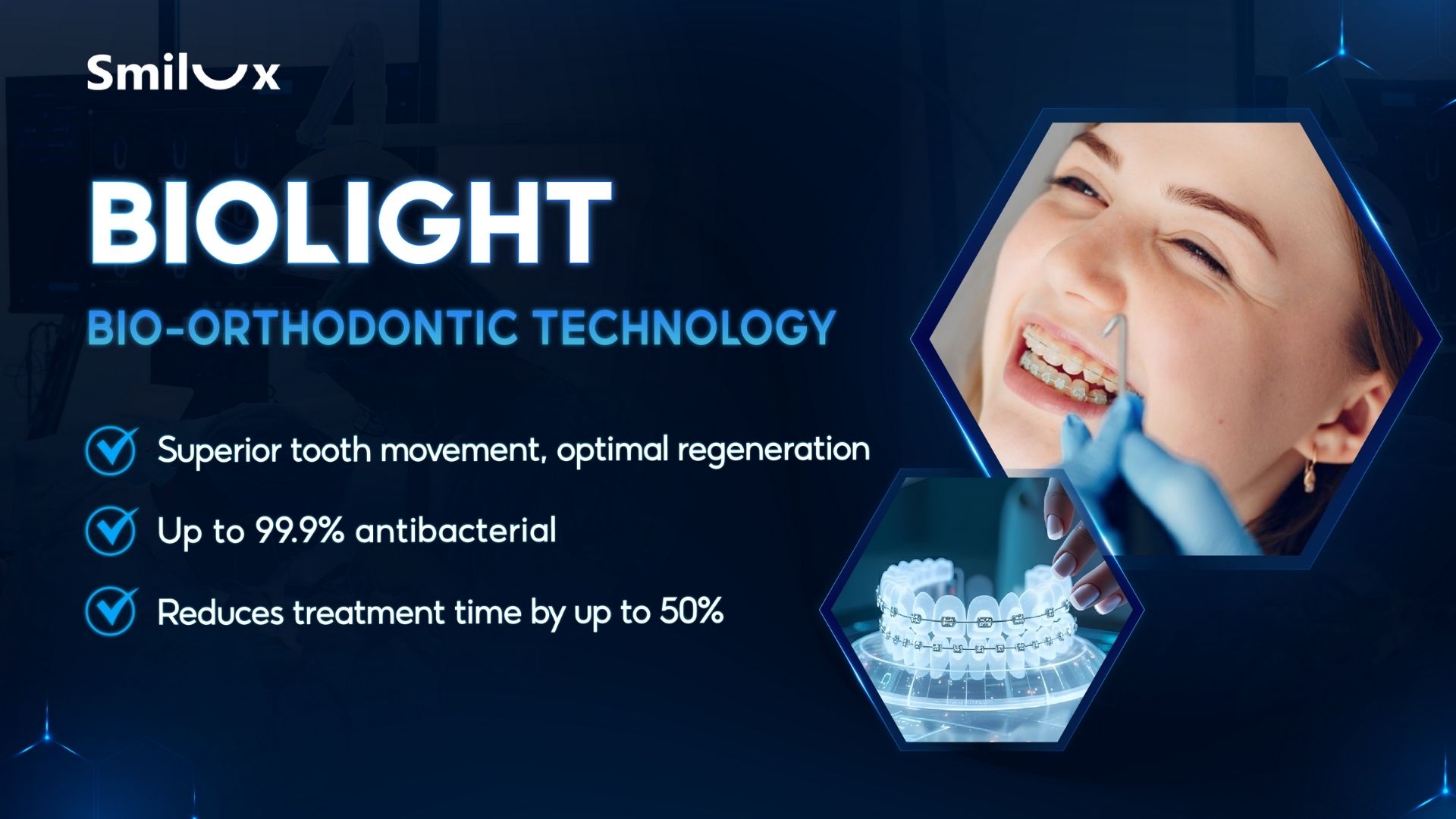
Thumb BioLight Technology
BioLight Technology

BOOK APPOINTMENT​

    CONCLUSION

    We hope the information above has helped answer your question, “Can You Get Braces After Dental Crowns?” In reality, teeth with dental crowns can still be moved with braces, but a direct examination is needed to evaluate the condition of the crowns, tooth roots, gums, jawbone, and bite before the dentist can recommend a suitable option.

    If you are unsure whether your crowned teeth are suitable for braces, please contact Smilux Dental via HOTLINE (+84) 866 251 379 for consultation and to schedule an appointment with a dentist.

    Note: The content in this article is for reference only and does not replace a dentist’s diagnosis or clinical recommendation. For accurate advice based on your oral condition, you should visit a dental specialist directly. See more.

    bs hoàng danh ngân mới nhất
    PROFESSIONAL CONSULTATION: DR. HOANG DANH NGAN Dr. Hoang Danh Ngan, MSc., DDS., CHUWS, is one of the leading dental professionals at Smilux Dental, with over 15 years of clinical experience.

    FAQs

    Can you get braces after getting crowns on 4 front teeth?

    You can still get braces after getting crowns on 4 front teeth. However, because the 4 front teeth have been covered with dental crowns, the condition of the prepared natural teeth, tooth roots, gums, jawbone, and crown fit must be carefully checked before starting orthodontic care.

    Can you get braces after getting 2 dental crowns?

    You can still get braces after getting 2 dental crowns. Having only a few crowns is usually not an absolute contraindication for orthodontic care, as long as the natural teeth underneath remain healthy and the crowns are stable.

    Can dental crowns be moved with Invisalign?

    Compared with braces, Invisalign is often more suitable because the aligners fit closely around the teeth and do not require appliances to be attached directly to the crowns. As a result, the surface of the dental crowns is less affected during orthodontic care.

    ---------- Braces Knowledge ----------

    Can I Whiten My Teeth While Wearing Braces?
    10Jun

    Can I Whiten My Teeth While Wearing Braces? Smilux Dental dentists explain the best time to whiten your teeth during orthodontic treatment, the risks to avoid, and how to care for your teeth to help reduce staining and sensitivity while wearing braces.

    Can I Get Braces If I Have Periodontitis?
    06Jun

    Can I Get Braces If I Have Periodontitis? Smilux International Dental Clinic explains the conditions for safe orthodontic care for people with periodontitis, helping you understand the risks and key considerations.

    Can You Get Braces While Pregnant?
    04Jun

    Can You Get Braces While Pregnant? Let’s explore with Smilux when pregnant women can continue orthodontic care, which cases should be postponed, and what important notes to know to help ensure safety for the mother, the fetus, and braces results.

    Can I Get Braces at 40?
    02Jun

    Can I Get Braces at 40? Learn about the conditions for getting braces at 40, orthodontic duration, suitable methods, and notes from Smilux Dental doctors.

    1 2 3 4 6
    This site is registered on wpml.org as a development site. Switch to a production site key to remove this banner.