
Can I Get Braces If I Have Periodontitis? Smilux International Dental Clinic explains the conditions for safe orthodontic care for people with periodontitis, helping you understand the risks and key considerations.
Braces help correct misaligned teeth, protruding teeth, underbite, or crowded teeth on the dental arch. However, for the orthodontic process to be safe, the teeth must meet certain conditions related to strength, tooth roots, and the surrounding supporting tissues.
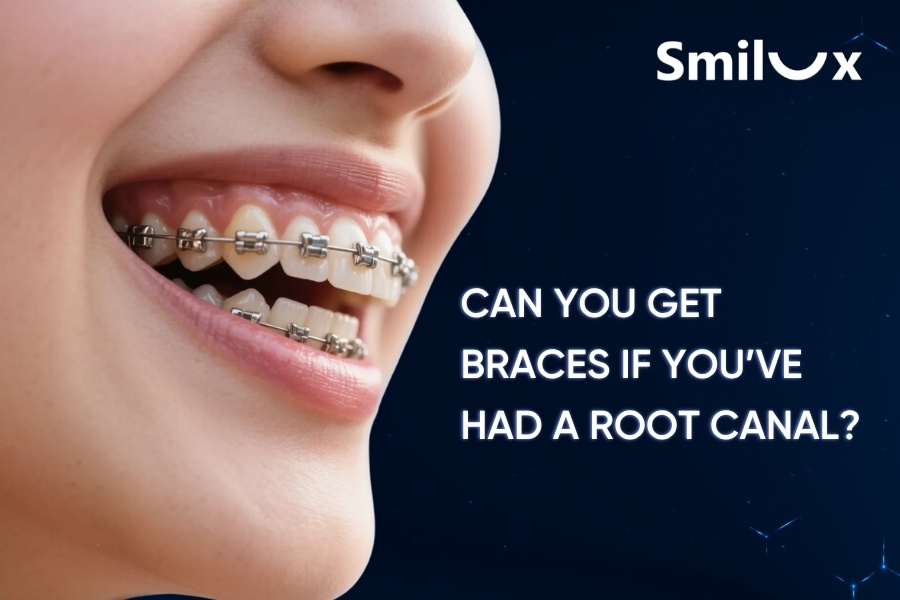
So, can you get braces if you have had a root canal? Let the dentists at Smilux Dental explain this in detail in the article below.

MỤC LỤC (TABLE)
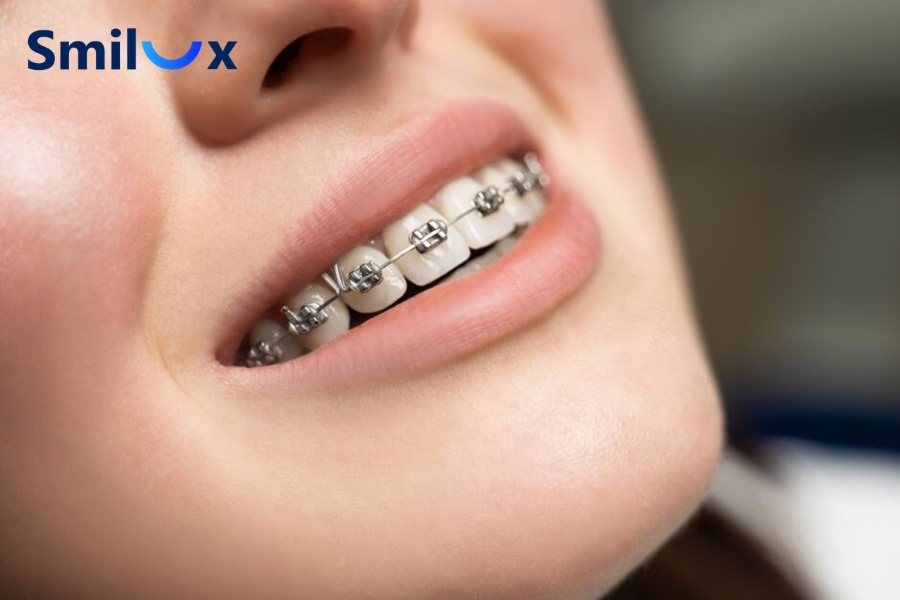
ToggleCan you get braces if you have had a root canal? or can a root canal treated tooth be moved with braces? These are common questions many patients ask when visiting Smilux Dental for an examination and consultation. In fact, a non vital tooth, meaning a tooth that has had a root canal, can still be moved with braces if it remains strong enough.
Essentially, a tooth that has had a root canal no longer has living pulp tissue inside. However, the tooth root and alveolar bone can still respond to orthodontic force during braces. Braces mainly work on the periodontal ligament and alveolar bone around the tooth, rather than directly affecting the pulp that has already been removed.
However, not every root canal treated tooth is suitable for braces. The dentist needs to examine the strength of the tooth crown, tooth root, periodontal tissues, and the quality of any restoration if the tooth has a dental crown or a large filling. If the tooth is stable, free from cracks or fractures, has no periapical inflammation, and has been properly restored, it can still take part in orthodontic movement with suitable force.
>>> XEM THÊM: Can You Get Braces If You Have Dental Fillings? Smilux Dental Dentists Explain
Following the topic “Can You Get Braces If You Have Had a Root Canal?”, the dentists at Smilux Dental International Clinic will explain several cases where a tooth that has had a root canal may not be ready for braces immediately.
The braces process for a non vital tooth is often more complex than for a tooth with healthy living pulp. This is because a tooth may become more brittle after a root canal, have lower resistance to force, and be more easily affected if orthodontic force is not properly controlled.
Therefore, before and during braces for a tooth that has had a root canal, you should keep the following key points in mind to reduce risks and help make the orthodontic process safer:
Whether you are getting braces with healthy teeth or with a non vital tooth, you should still prioritize choosing a reputable dental clinic with dentists who have in depth expertise in orthodontics.
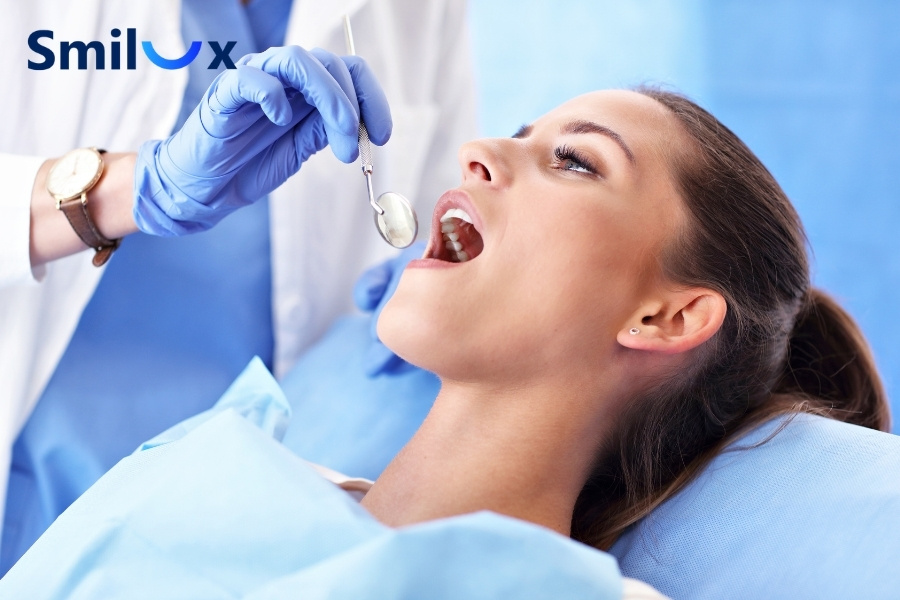
Before applying orthodontic force, the dentist needs to carefully examine and evaluate the tooth crown, tooth root, alveolar bone, and periodontal tissues to determine whether the tooth is suitable for orthodontic movement.
In addition to the dentist’s expertise, the clinic should also be equipped with dental imaging systems, modern examination devices, and a clear monitoring plan. These factors help the braces process stay better controlled, especially for teeth that have had a root canal, as they may be more prone to brittleness, weakness, mobility, or cracks if unsuitable force is applied.
At Smilux Dental International Clinic, every patient is examined directly by a dentist and receives a personalized orthodontic plan based on their actual oral condition.
With a team of dentists with more than 15 years of experience, we focus on providing safe, stable, and long lasting braces solutions, helping patients feel more confident throughout their orthodontic journey and achieve their desired results.
BOOK APPOINTMENT
Teeth that have had a root canal need more careful care during braces. You should clean your teeth regularly every day and combine brushing with interdental brushes, dental floss, or a water flosser to remove food debris trapped around the brackets.
When brushing, use gentle movements and avoid applying too much pressure to the tooth, as a tooth after a root canal may be weaker and more prone to wear or fracture if it is repeatedly exposed to unsuitable force.
In daily eating habits, you should avoid chewing directly and forcefully on the tooth that has had a root canal. Foods that are too hard, too chewy, too hot, or too cold should also be limited to reduce the risk of tooth sensitivity, cracks, chips, or damage to orthodontic appliances.
During braces for a non vital tooth, you should attend follow up appointments as scheduled so the dentist can check tooth movement, orthodontic force, and the condition of the tooth that has had a root canal.
If you notice unusual pain, increased tooth mobility, cracks, fractures, or swelling and inflammation around the gums, you should contact the dental clinic early for timely care.
Through the information above, we hope you now have a clear answer to Can You Get Braces If You’ve Had a Root Canal? Getting braces with a non vital tooth may involve more challenges than with healthy teeth. However, with a thorough dental examination, proper compliance with the orthodontic plan, and a reputable dental clinic like Smilux Dental, the results can still be safe and stable.
If you have had a root canal and are wondering whether your tooth is suitable for braces, please contact HOTLINE (+84) 866 251 379 for detailed consultation from the Smilux Dental team and to schedule an appointment with our dentist.
---------- Braces Knowledge ----------
Can I Get Braces If I Have Periodontitis? Smilux International Dental Clinic explains the conditions for safe orthodontic care for people with periodontitis, helping you understand the risks and key considerations.
Can You Get Braces While Pregnant? Let’s explore with Smilux when pregnant women can continue orthodontic care, which cases should be postponed, and what important notes to know to help ensure safety for the mother, the fetus, and braces results.
Understanding The Stages of Getting Braces helps you prepare mentally, care for your oral health properly, and work more effectively with your dentist. Each step can affect the final orthodontic result. Learn more with Smilux in the article below.
Can You Drink Beer with Braces? Learn Smilux dentists’ advice on drinking beer and alcohol during orthodontic care, the possible effects you may experience, and proper oral hygiene practices to protect your brackets while reducing bad breath, tooth sensitivity, and yellowing.
CONTACT
ABOUT SMILUX
DENTAL KNOWLEDGE