At What Age Can You Get Braces? Learn with Smilux about the appropriate age for orthodontic treatment, the “golden time” that allows teeth to move more easily, and cases that require a dental examination before getting braces.


After the braces process is complete, patients need to continue wearing retainers to keep their teeth stable and protect their long-term orthodontic results. So, How Long Should You Wear Retainers After Braces? Do you need to wear retainers for life? The article below from Smilux International Dental Clinic will give you a detailed explanation.
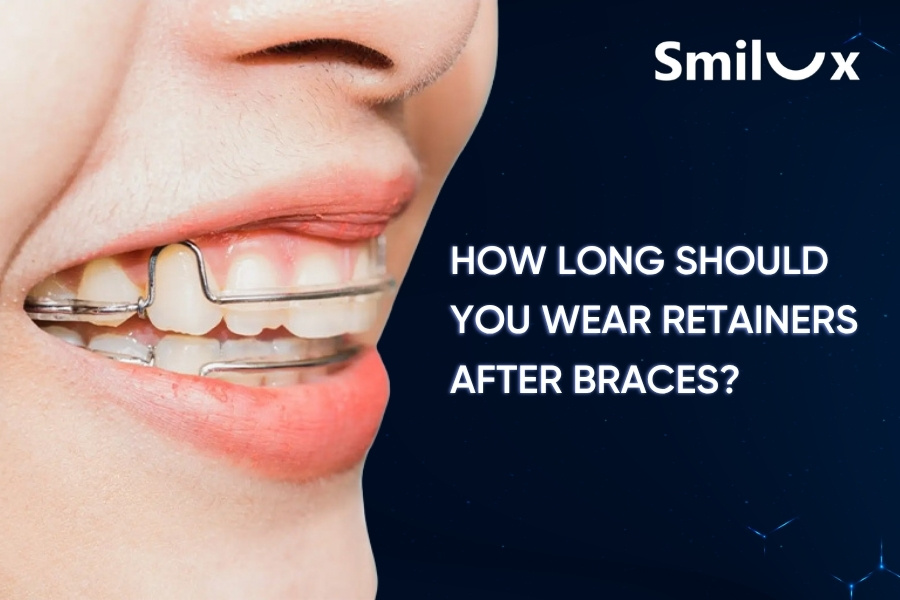
Before answering the question of how long you need to wear retainers after braces, the dentists at Smilux Dental will provide an overview of what retainers are and the role of this dental appliance in the orthodontic process.
Retainers are dental appliances prescribed by dentists after braces are removed. They help keep the teeth stable in their new positions, reduce the risk of teeth shifting back, and support the stabilization of the bite and periodontal tissues after braces.
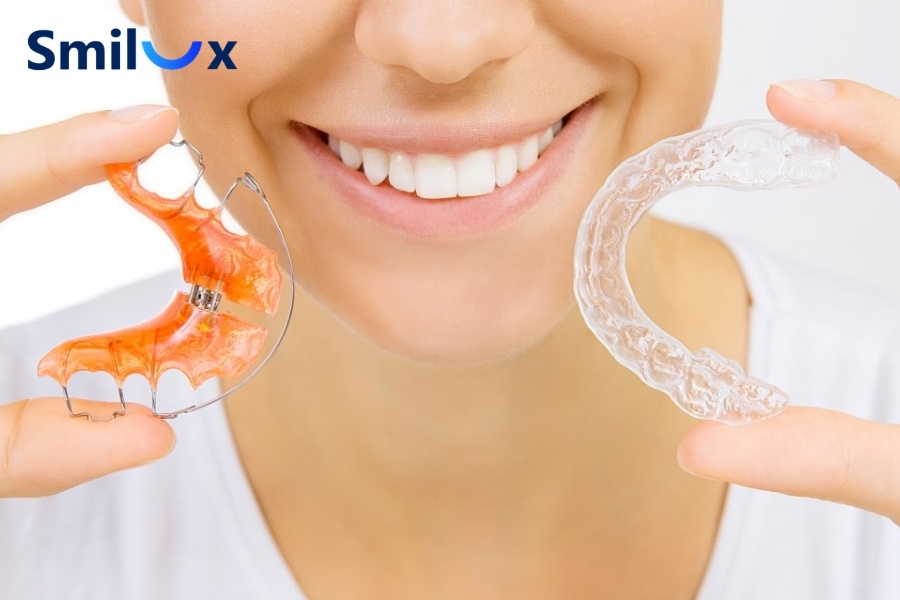
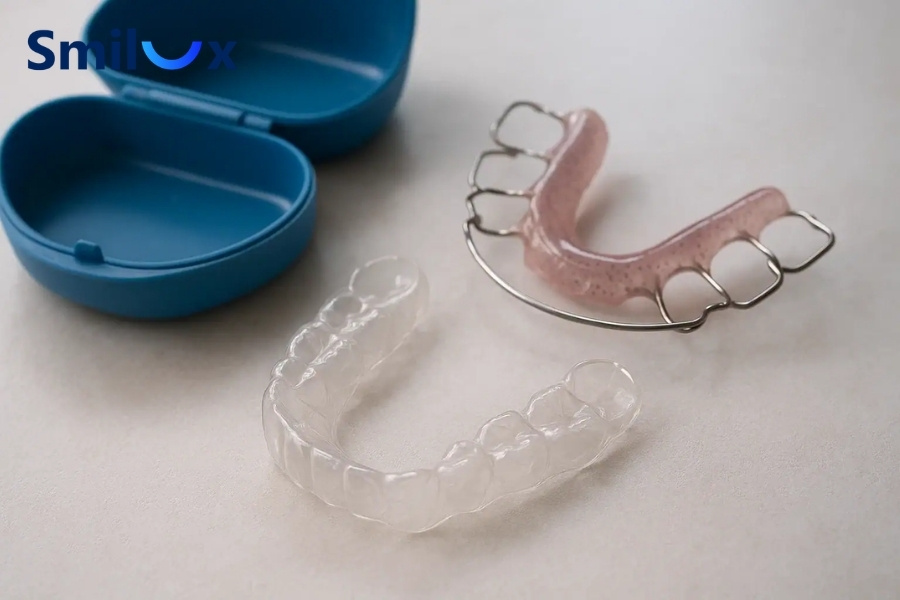
Currently, retainers worn after braces commonly include three types: fixed retainers, clear retainers, and removable metal retainers. Depending on each patient’s teeth condition, bite alignment, and plan for maintaining orthodontic results, the dentist will recommend the most suitable type of retainer.
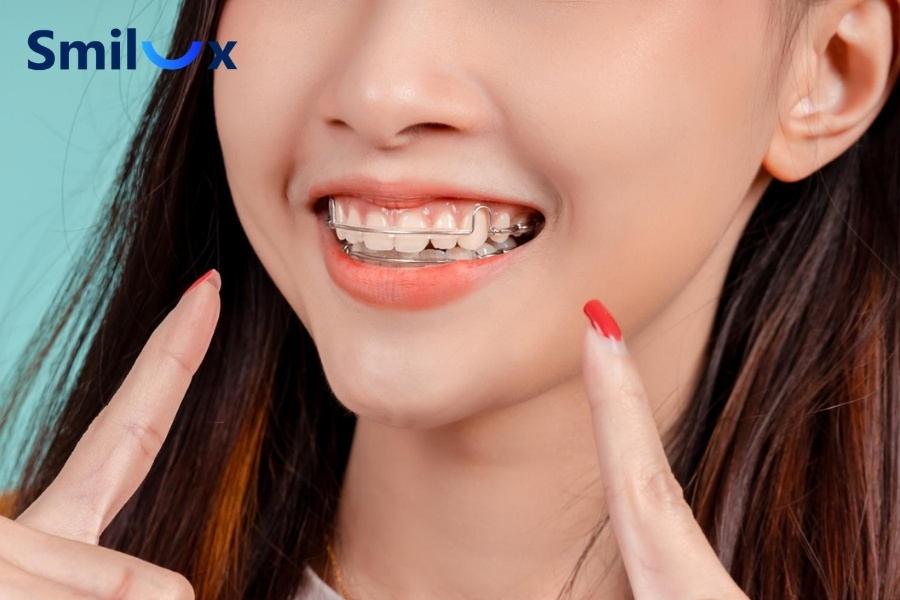
During the first 3 to 6 months after braces are removed, the teeth are not yet fully stable within the jawbone. Therefore, dentists usually recommend wearing removable retainers for about 20 to 22 hours per day, only removing them when eating, drinking, and cleaning your teeth. This is a very important stage because if you do not wear your retainers for the recommended amount of time, your teeth may shift back, affecting the orthodontic results that have been achieved.
After this period, the dentist will schedule a follow-up appointment to check the stability of your teeth, bite, and periodontal tissues. If your teeth respond well, you may be instructed to switch to wearing retainers at night. In general, wearing retainers while sleeping should be maintained for about 2 years to help keep the teeth more stable in the long term.
From the third year onward, the frequency of retainer wear may be gradually reduced, such as wearing them every night or a few nights per week. However, you should not stop wearing your retainers on your own without your dentist’s instruction, as each person has a different level of tooth stability after orthodontic care.
Not every case requires lifelong retainer wear. However, for patients whose teeth are prone to shifting, who have weak periodontal tissues, poor bone stability, or severely crowded teeth before orthodontic care, the dentist may recommend wearing retainers part-time at night for a long period.
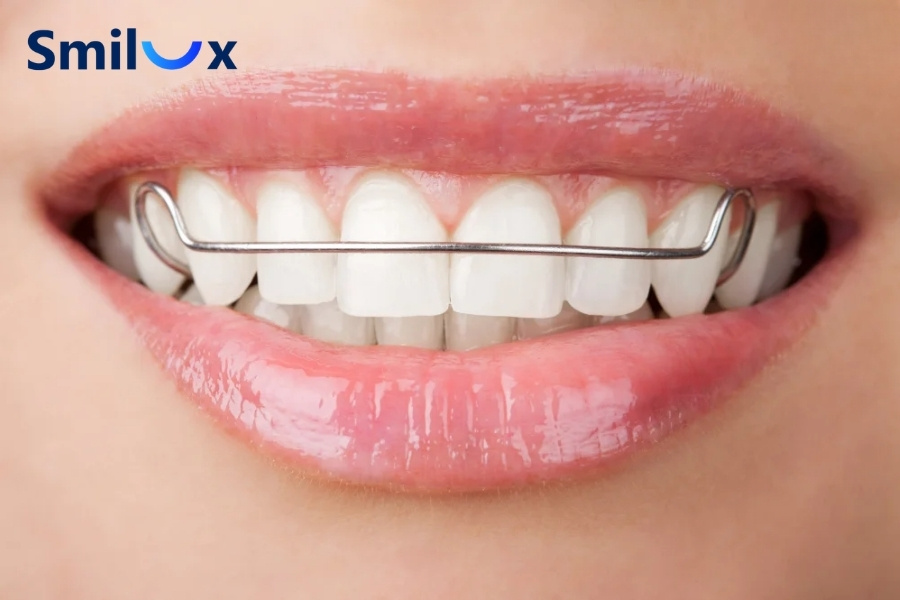
Can you stop wearing retainers after braces? The answer is no. After your braces are removed, you must wear retainers exactly as instructed by your dentist to keep your teeth stable after braces, reduce the risk of relapse, and help protect the orthodontic results that have been achieved.
During the braces process, the teeth have moved under the continuous force of brackets, archwires, or aligners to reach the desired positions. However, immediately after braces are removed, the teeth are not yet fully stable within the jawbone. The gum tissues, periodontal ligaments, and surrounding tooth-supporting structures also need more time to adapt to the new positions.
If you do not wear retainers after braces, daily chewing forces may cause the teeth to shift back, especially in cases of crowded teeth, complex bite issues, or weak periodontal support.
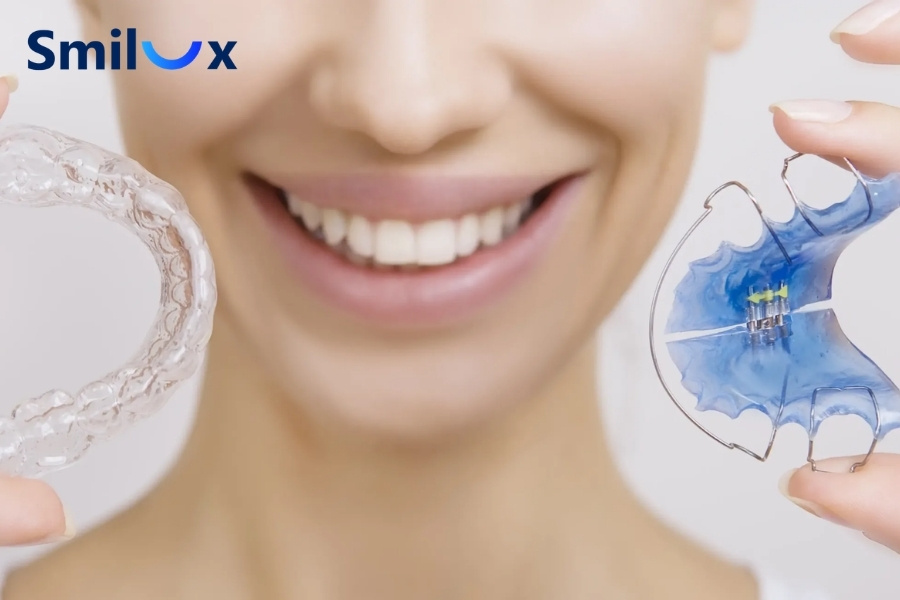
The time needed to wear retainers may be shortened when the teeth are stable and show no signs of shifting back. Therefore, to help the retention phase achieve the desired results, you need to follow your dentist’s instructions carefully at each stage after braces are removed.
In the early period, you should wear your retainers continuously as instructed, especially with removable retainers. You should not remove them for too long or forget to wear them again after eating, drinking, or cleaning your teeth, as this may cause the teeth to shift and make the retainer wearing period longer.
When cleaning your retainers, handle them gently and avoid scrubbing too hard, as this may bend, damage, or affect their fit against the teeth.
In addition, you need to attend follow-up appointments on schedule so the dentist can check the stability of your teeth, bite, and periodontal tissues. When your teeth respond well, the dentist may adjust your retainer wearing schedule accordingly, helping shorten the retention period while still maintaining long-term orthodontic results.
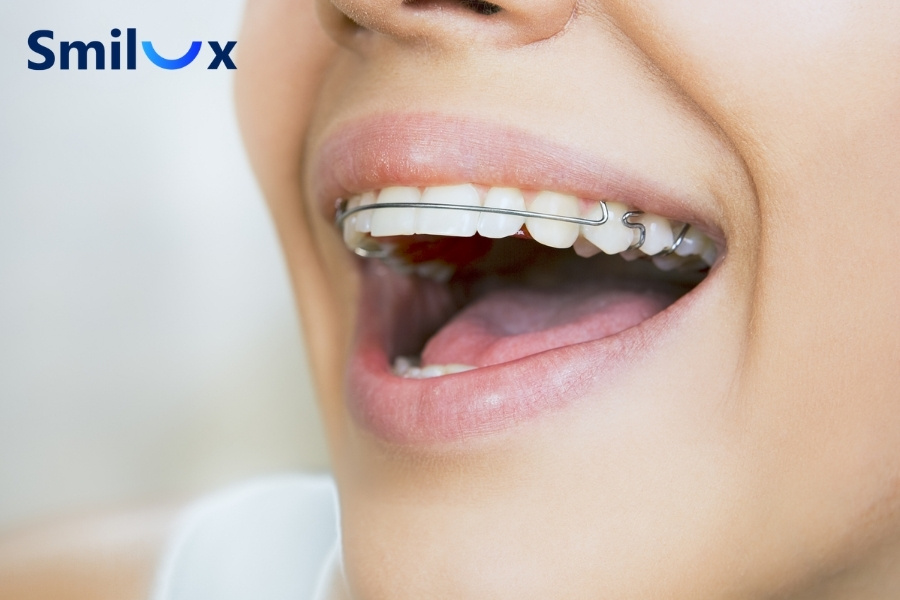
Below are some oral care notes during the time you wear retainers:

At What Age Can You Get Braces? Learn with Smilux about the appropriate age for orthodontic treatment, the “golden time” that allows teeth to move more easily, and cases that require a dental examination before getting braces.
Learn about the causes, warning signs, management methods, and preventive measures for Bone Loss With Braces from Smilux Dental dentists to better protect your teeth, gums, and alveolar bone.

Can I Swim With Braces? Learn advice from Smilux dentists on swimming during orthodontic treatment, how to protect your brackets and aligners, and how to maintain proper oral hygiene so your braces treatment progress is not affected.
Can I Whiten My Teeth While Wearing Braces? Smilux Dental dentists explain the best time to whiten your teeth during orthodontic treatment, the risks to avoid, and how to care for your teeth to help reduce staining and sensitivity while wearing braces.