At What Age Can You Get Braces? Learn with Smilux about the appropriate age for orthodontic treatment, the “golden time” that allows teeth to move more easily, and cases that require a dental examination before getting braces.


After a long period of wearing braces, everyone hopes to achieve straighter teeth and a more balanced facial appearance. However, many people still feel that their teeth do not look as expected after braces.
So why do my teeth still look bad after braces? What causes this condition, and how can you prevent unsatisfactory results after orthodontic treatment? Let’s explore the details with the dentists at Smilux Dental in the article below.
By gradually moving teeth into their proper positions on the dental arch, braces can help improve facial balance and harmony. However, the degree of change varies from person to person, as it depends on the initial dental condition, bite alignment, jawbone structure, age, and treatment plan.
When a thorough examination is performed and a suitable orthodontic plan is developed, braces not only help straighten the teeth but also improve bite alignment, support better chewing function, and help maintain long-term dental stability. As a result, the overall facial appearance may also become more harmonious, balanced, and aesthetically pleasing after treatment.
Especially in cases of protrusion, underbite, or malocclusion, this treatment can provide a more noticeable improvement in the side profile. When the teeth and jaws are adjusted into a more appropriate relationship, the lips may appear less protrusive, the chin may look more refined, and the facial features may become softer.
To better understand how braces can change the face, you can refer to the article “Can Braces Change Your Facial Shape? Side Profile Before and After”
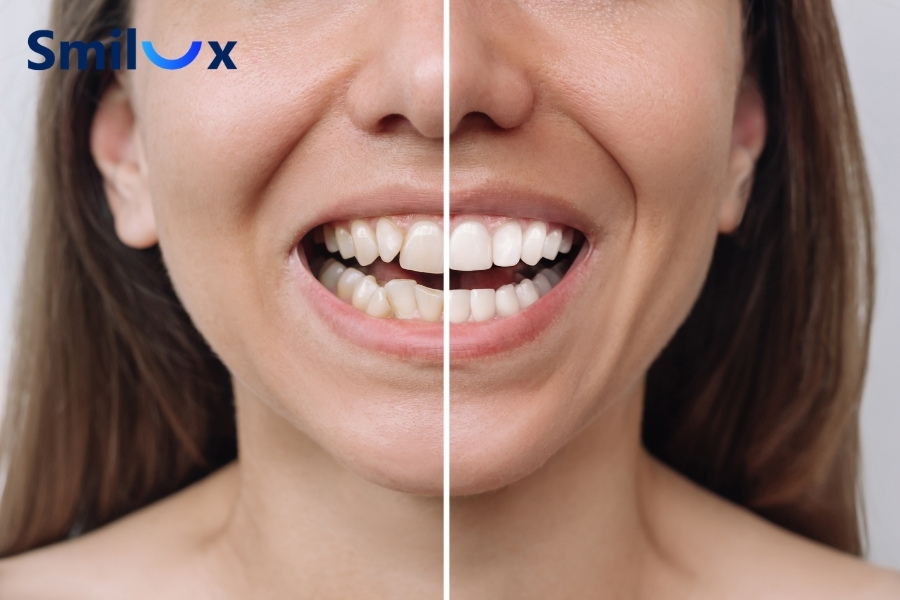
Orthodontic technology and the quality of dental appliances are among the direct factors that affect tooth movement, leading to the concern of why do my teeth still look bad after braces.
If a dental clinic uses outdated techniques, an inaccurate treatment process, or lacks sufficient diagnostic equipment, it can be difficult for the dentist to control the direction of tooth movement at each stage.
In addition, poor-quality orthodontic appliances can create unstable force, causing the teeth to move slowly, move in the wrong direction, or prolong the treatment time. In some cases, patients may also frequently experience loose brackets, displaced archwires, pain, scratches on the oral mucosa, or gum inflammation if these issues are not handled properly.
When the orthodontic process is not well controlled, the teeth may still be uneven after braces are removed, the bite may not be properly aligned, and the face may not achieve the desired level of harmony.
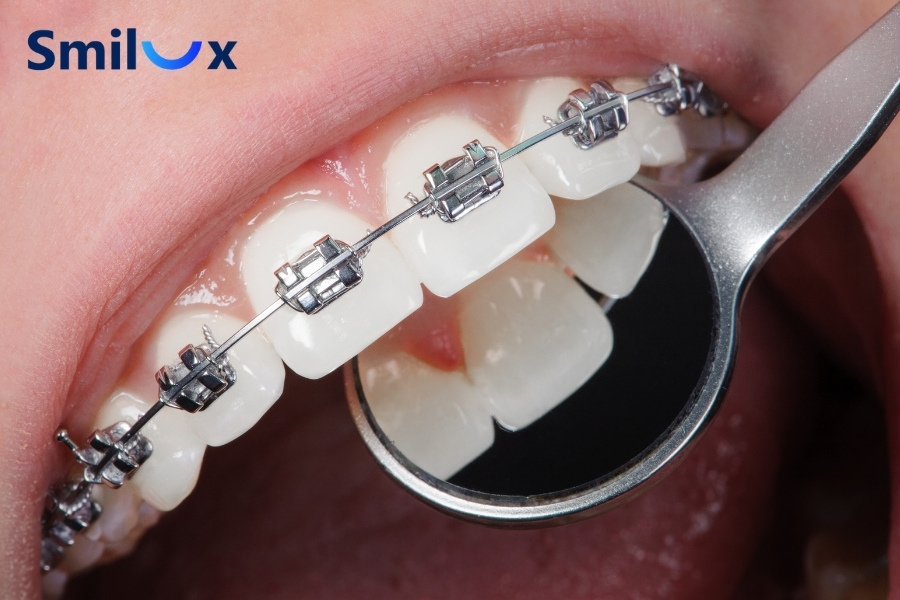
Attending follow-up appointments on schedule allows the dentist to check how far the teeth have moved, how the bite has changed, and whether the current orthodontic force is appropriate. At each appointment, the dentist will adjust the archwire, brackets, intermaxillary elastics, or clear aligners to ensure the teeth continue moving according to the treatment plan.
If the patient frequently misses appointments or attends follow-ups late, the orthodontic process can easily be interrupted. When the orthodontic force is not adjusted in time, the teeth may move slowly, shift in the wrong direction, prolong the time wearing braces, and affect the final orthodontic result.
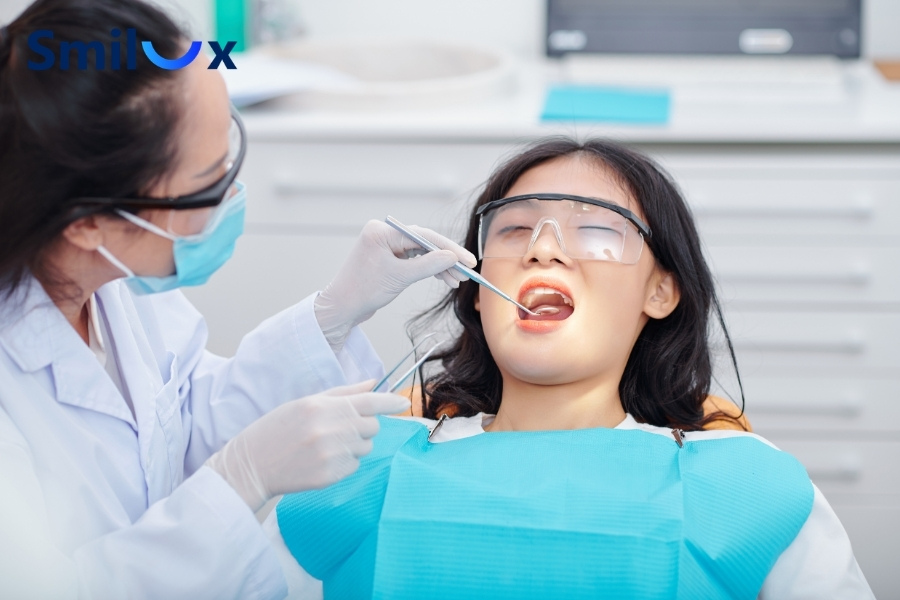
After braces are removed, the teeth are not yet completely stable in their new positions. At this stage, patients need to wear retainers as instructed by the dentist to keep the teeth stable and reduce the risk of them shifting back.
If this stage is skipped or retainers are not worn consistently, the teeth can easily move back toward their original positions, leading to gaps between teeth, misaligned teeth, or recurrent bite problems. This is why many people later wonder, why do my teeth still look bad after braces, and in some cases, the results may even become worse than when the braces were first removed.
To better understand how long you should wear retainers after braces and how to use them properly to prevent teeth from shifting back, you can refer to the article: “How Long Should You Wear Retainers After Braces?”
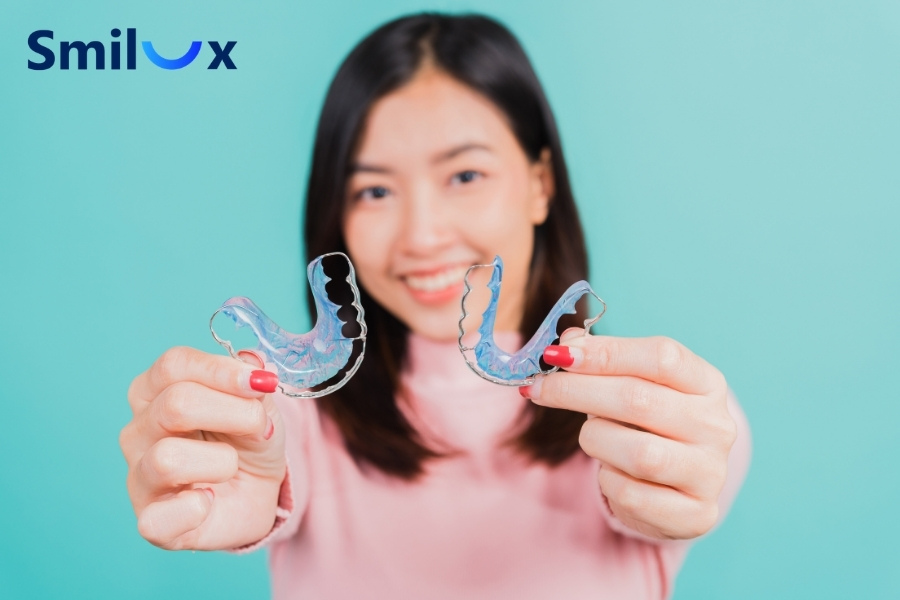
If you are experiencing the issue of why do my teeth still look bad after braces, you should visit an orthodontic specialist as soon as possible. Through an examination of the teeth, bite, and jawbone condition, the dentist can determine why the results after braces have not met expectations and recommend a suitable treatment approach.
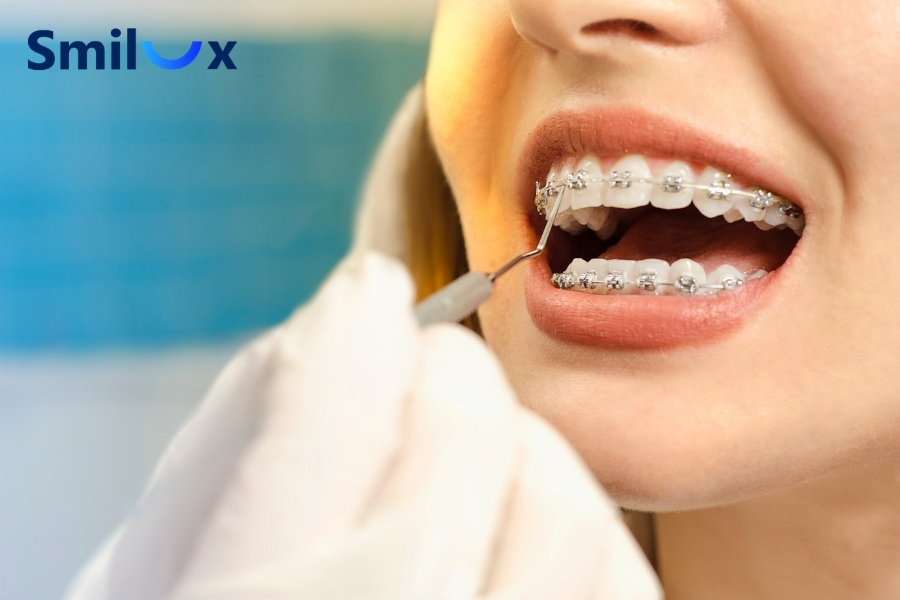
To reduce the risk of experiencing the issue of why do my teeth still look bad after braces, as well as wasting time and spending additional costs on orthodontic retreatment, patients should choose a reputable dental clinic from the beginning and strictly follow the dentist’s instructions throughout the treatment process.
This is because orthodontic results do not only depend on brackets, clear aligners, or how long braces are worn, but also on the dentist’s ability to diagnose the condition, develop a proper treatment plan, and closely monitor each stage of tooth movement.
At Smilux Dental, each patient will have their teeth, bite alignment, and jawbone structure examined, along with dental X-rays taken for evaluation before a treatment plan is developed. With more than 15 years of experience in dentistry, the team of dentists here has the expertise to detect even minor misalignments and create a treatment plan suitable for each dental condition.
Throughout the orthodontic process, the dentist closely monitors tooth movement, checks the bite, and adjusts orthodontic force at each stage. If the teeth show signs of deviating from the original treatment plan, the dentist will make timely adjustments to reduce the risk of misaligned teeth, an improper bite, or an unbalanced facial appearance after braces are removed.
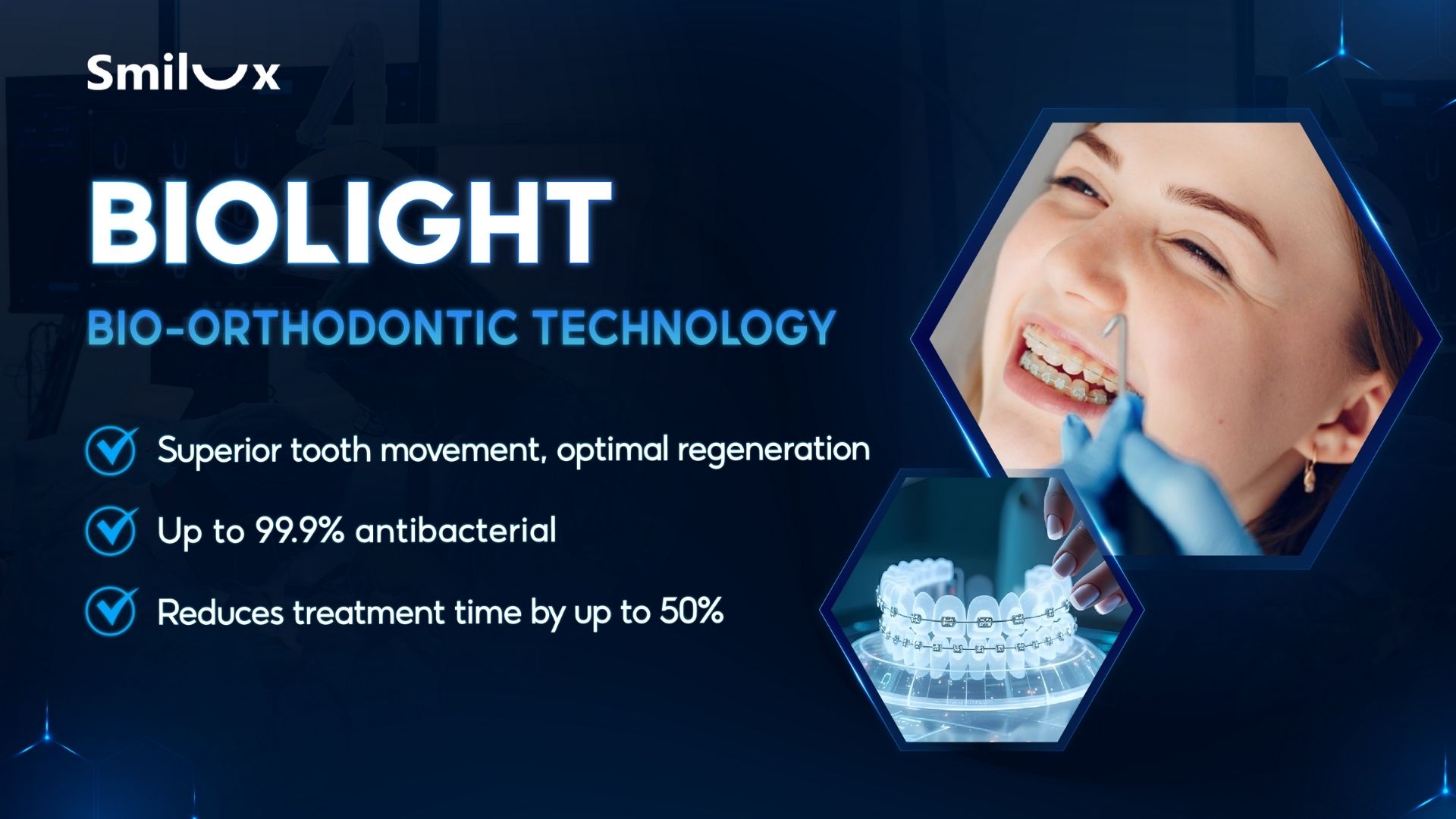
In addition to the dentist’s expertise, Smilux Dental also applies the new-generation BioLight biological orthodontic technology with several outstanding advantages:
If you are worried about your teeth looking worse after braces or want to start orthodontic treatment safely from the beginning, visit Smilux Dental for an examination and a suitable treatment plan consultation. Fill in the form below, and our team will contact you as soon as possible for support.

At What Age Can You Get Braces? Learn with Smilux about the appropriate age for orthodontic treatment, the “golden time” that allows teeth to move more easily, and cases that require a dental examination before getting braces.
Learn about the causes, warning signs, management methods, and preventive measures for Bone Loss With Braces from Smilux Dental dentists to better protect your teeth, gums, and alveolar bone.

Can I Swim With Braces? Learn advice from Smilux dentists on swimming during orthodontic treatment, how to protect your brackets and aligners, and how to maintain proper oral hygiene so your braces treatment progress is not affected.
Can I Whiten My Teeth While Wearing Braces? Smilux Dental dentists explain the best time to whiten your teeth during orthodontic treatment, the risks to avoid, and how to care for your teeth to help reduce staining and sensitivity while wearing braces.