1. Home
  2. »
  3. Dental Crown Knowledge
  4. »
  5. Can Dental Crowns Become Stained or Yellow Over Time?

Can Dental Crowns Become Stained or Yellow Over Time?

Many patients choose dental crowns to restore chipped, cracked, or discolored teeth while also enhancing the overall appearance of their smile. However, after a period of use, many begin to worry when their crowns appear duller or less bright than they were at first. So, can dental crowns become stained or yellow over time?

In this article, the dentists at Smilux Dental explain the common causes of crown discoloration, along with effective solutions and proper care tips to help keep your dental crowns durable, glossy, and bright for the long term.
Can Dental Crowns Become Stained or Yellow Over Time?

Can Dental Crowns Become Stained or Yellow Over Time?

In theory, dental crowns are more color-stable than natural teeth, which means they are less likely to become yellow or stained over time. This is because dental ceramic materials have a dense, smooth, and highly polished surface that helps resist discoloration from food, beverages, and daily plaque buildup.

Natural teeth, on the other hand, have microscopic surface irregularities within the enamel. Over time, pigments from coffee, tea, tobacco, and deeply colored foods can penetrate the tooth structure and cause discoloration. Dental crowns do not have the same porous structure as natural teeth, so they are significantly less prone to staining.

However, in clinical practice, dental crowns can still lose their brightness in certain situations. The most common causes include plaque and tartar accumulation around the gumline, improper oral hygiene, gradual wear of the polished surface after years of use, or the use of low-quality crown materials. With metal-based crowns, dark gum margins or visible metal edges caused by gum recession can also make the restoration appear darker over time.
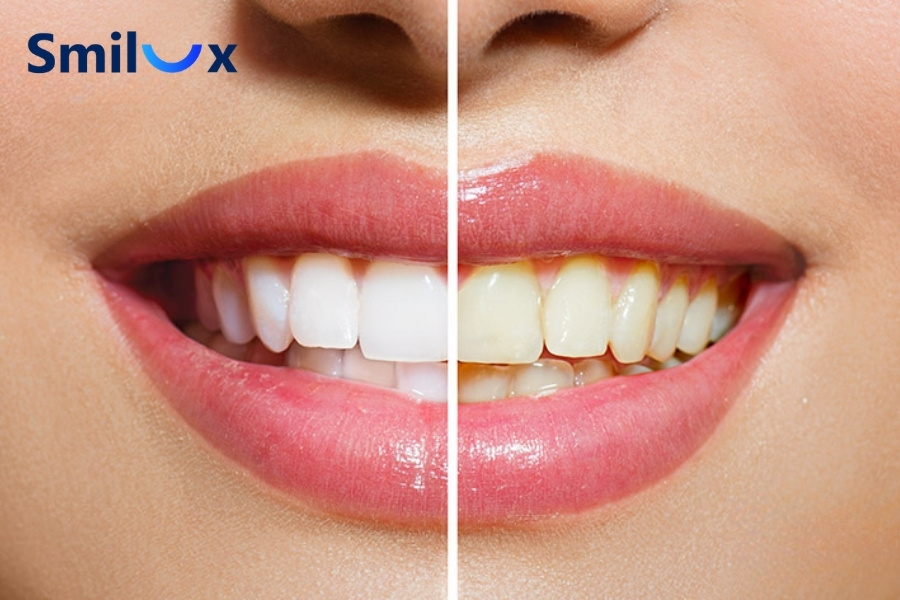
Răng sứ có thể bị ố vàng sau một thời gian sử dụng

Causes of Yellowing or Discoloration in Dental Crowns

Dental crowns can become stained, yellow, or dull after a period of use. Although ceramic surfaces are more resistant to discoloration than natural teeth, their appearance can still change over time. This condition is commonly associated with the following causes:

Low-Quality Crown Materials

The outer ceramic layer of a dental crown is designed to provide shine, resist staining, and protect the surface from daily exposure to food, beverages, and plaque. When a crown is made from high-quality materials, it is more likely to maintain its color stability and esthetic appearance over time.

In contrast, low-quality crowns may have a more porous surface, insufficient smoothness, or premature wear of the glazed layer. As a result, pigments from coffee, tea, tobacco, and strongly colored foods can adhere more easily and cause visible discoloration.

To reduce the risk of yellowing, patients should choose genuine, high-quality crown materials with clear origins and receive treatment from a trusted dental clinic such as Smilux Dental to ensure long-lasting restorative results from the start.
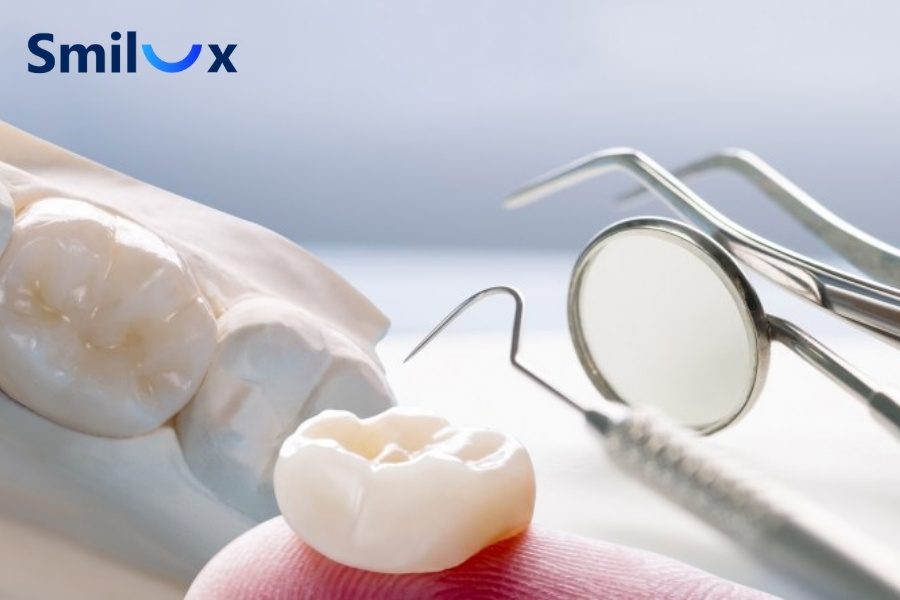
Mão sứ kém chất lượng, bề mặt xốp hoặc mòn sớm, làm răng sứ nhanh xỉn màu

Improper Crown Fabrication

One of the common reasons dental crowns become discolored is improper fabrication during the manufacturing process. A dental crown should not only look natural in shape, but also be produced with the correct material proportions, internal structure, and precise firing techniques.

If the technician mixes the materials incorrectly or performs inadequate surface finishing, the crown may fail to achieve the required strength and gloss. When the surface is not sufficiently smooth, pigments from food, beverages, and plaque can accumulate more easily, leading to gradual discoloration over time.

In addition, uneven glazing or improper firing can affect the final shade of the crown, causing it to look less natural, become dull more quickly, or create visible color inconsistencies between adjacent teeth.

Crown Structure and Material Type

Whether a dental crown changes color over time also depends on its internal structure and the type of material used. A crown is typically composed of an inner core and an outer ceramic layer. When these components are highly compatible in shade, translucency, and light reflection, the final restoration appears more natural and maintains its color for a longer time.

For metal-ceramic crowns, the inner framework is commonly made from alloys such as nickel-chromium or cobalt-chromium. Over time, the metal may oxidize in the oral environment, which can darken the gumline or make the crown appear darker overall.

Titanium-based crowns offer better esthetics than conventional metal crowns. However, because they still contain a metal core, they may appear less translucent than all-ceramic restorations under certain lighting conditions.

In contrast, premium all-ceramic crowns such as Nacera, E.max, or Ceramill are made entirely of ceramic without metal components. This allows for a more natural shade, excellent translucency, and a lower risk of long-term discoloration.

In some cases, patients may receive composite restorations instead of ceramic crowns. Composite is a resin-based dental material and does not offer the same stain resistance as ceramic. Over time, it is more likely to discolor, lose its surface gloss, and reduce the overall esthetic appearance of the teeth.
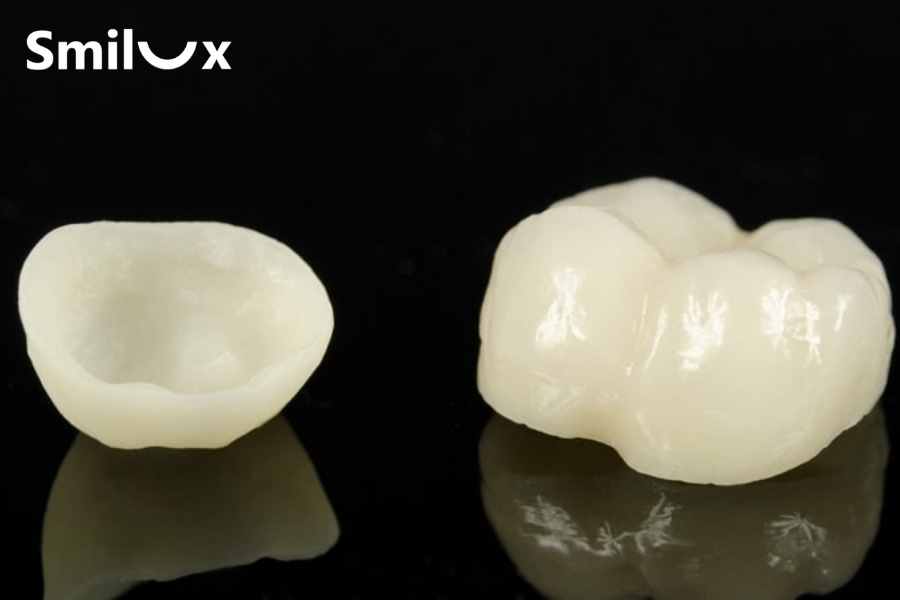
Răng sứ bị đổi màu theo thời gian phụ thuộc trực tiếp vào cấu tạo răng sứ

Improper Care of Dental Crowns

When brushing is inadequate, interdental areas are not cleaned properly, or daily oral hygiene is neglected, plaque and bacteria can accumulate on the surface of dental crowns. Over time, this buildup may cause the crowns to appear duller and less attractive.

Certain habits can also affect the longevity and appearance of dental crowns. Using a toothbrush with overly hard bristles, brushing too aggressively, or choosing unsuitable oral care products may wear down the ceramic surface and reduce its natural shine. Once the surface becomes rougher, pigments are more likely to adhere and cause staining.

Dietary habits also play a direct role in crown discoloration. Frequent consumption of coffee, tea, red wine, colored soft drinks, or tobacco products can gradually leave pigments on the crown surface, causing it to lose brightness more quickly.

Trauma-Related Discoloration of Dental Crowns

After a dental crown is placed, strong impact or trauma can lead to changes in the tooth’s appearance. This usually occurs when the underlying natural tooth becomes damaged, develops internal bleeding, or experiences pulp necrosis, resulting in dark pigmentation within the tooth structure.

Even though the crown covers the tooth externally, discoloration from the prepared tooth underneath may still show through the restoration, making the crowned tooth appear darker or duller than the surrounding teeth.
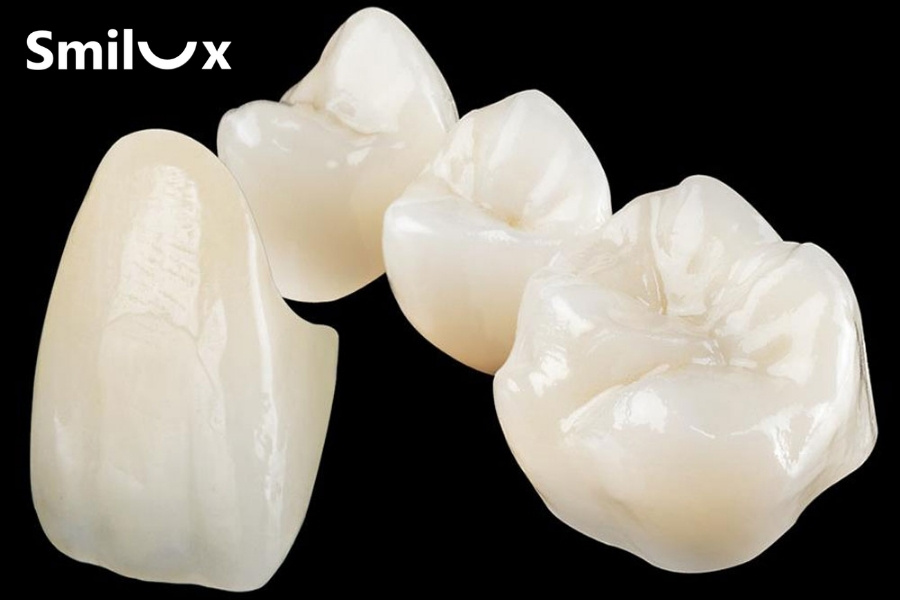
Răng sứ bị ố vàng do chấn thương

Aging of Long-Used Dental Crowns

Dental crowns are highly durable and generally maintain their color well, but they are not permanent restorations. After many years of use, especially after around 10 years or longer, the crown material may begin to show signs of aging.

Over time, the surface of the crown can lose its original gloss and develop wear marks or microscopic cracks that may not be visible to the naked eye. These changes make the surface less smooth, allowing plaque and pigments to accumulate more easily.

If an older crown begins to lose its brightness or change color, patients should schedule a dental examination so the dentist can evaluate the crown’s fit, structural integrity, and determine whether replacement is recommended. You may also refer to the article How Often Should You Replace Dental Crowns? for more detailed information.

Gum Recession Exposing the Cement Margin

Over time, the gum tissue may naturally age or gradually recede, exposing more of the tooth structure and making the teeth appear longer than normal. This is a common condition in patients with chronic gum inflammation or a natural tendency toward gum recession.

For crowned teeth, the restoration is permanently bonded using professional dental cement. When gum recession occurs, the margin where the crown meets the natural tooth, or the bonding material itself, may become visible.

This exposed area can more easily retain plaque and absorb pigments from food and beverages, leading to yellow or dark lines near the gumline. Many people assume the crown itself has become stained, but in reality, the discoloration often originates from the cervical margin and the surrounding gum tissues.
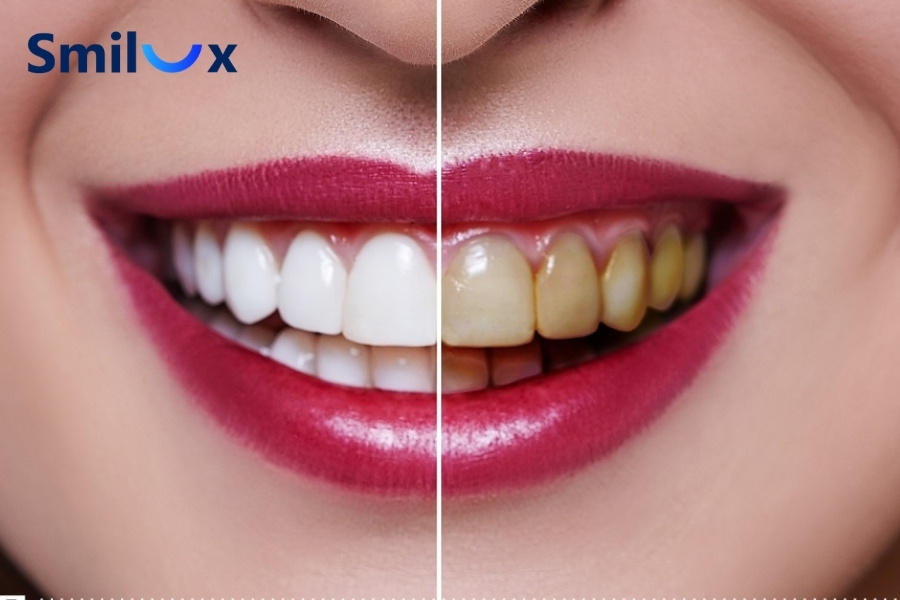
Khi nướu tụt, cổ răng sứ dễ xuất hiện viền vàng hoặc sẫm màu

How to Treat Yellow or Discolored Dental Crowns

If a dental crown becomes yellow or discolored, replacing the crown is often the most effective solution. Unlike natural teeth, dental crowns cannot be whitened with conventional bleaching treatments because whitening agents do not penetrate the ceramic surface.

Attempting to whiten a crown at home will not improve its shade and may even reduce the surface gloss, negatively affecting its esthetic appearance.

When replacing an old crown, patients should choose a reputable dental clinic and an experienced dentist to reduce the risk of problems such as discomfort, open margins, visible metal edges, or early discoloration after treatment. The dentist will perform a full oral examination, assess the existing crown, and recommend the most suitable type of restoration based on both cosmetic goals and chewing function.

It is also important to understand that crown material directly affects long-term color stability. Some crowns with metal substructures may oxidize over time, which can darken the gumline or make the tooth appear duller.
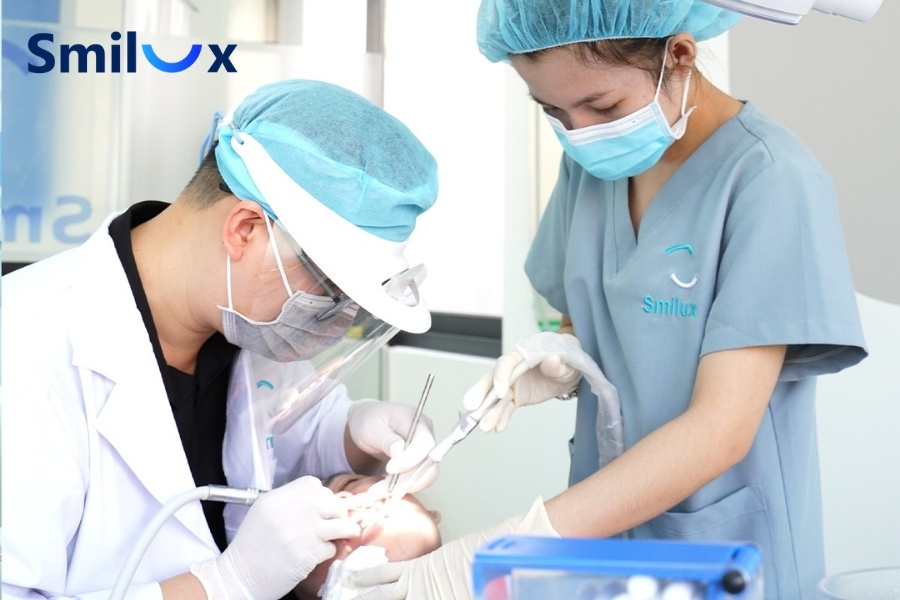
Khi răng sứ bị ố vàng hoặc xuống màu, thay răng sứ mới là giải pháp khắc phục hiệu quả nhất.

>>> READ MORE: Can Dental Crowns Fall Off? How to Reattach a Fallen Dental Crown

How to Prevent Dental Crowns from Turning Yellow

To maintain the brightness of your dental crowns and extend their lifespan, proper daily oral care is essential. Below are several recommendations shared by the dentists at Smilux Dental:

  • Brush your teeth consistently every day: Brush 2 to 3 times daily using a soft-bristled toothbrush with gentle pressure. Proper brushing helps remove plaque and food debris from the tooth surface and between the teeth, reducing the risk of discoloration.
  • Clean your mouth after eating and drinking: Use a suitable mouthwash or saline rinse to help cleanse the oral cavity, reduce bacteria, and keep your breath fresher.
  • Limit strongly pigmented foods and drinks: Coffee, tea, red wine, colored soft drinks, and heavily pigmented foods can leave stains on the surface of crowns. Frequent exposure may gradually reduce their brightness.
  • Avoid smoking: Tobacco contains substances that easily cause staining and can make crowns appear dull more quickly. Smoking also negatively affects gum health and overall oral health.
  • Maintain a balanced diet: Adequate intake of calcium, vitamins, and minerals helps support healthy natural teeth, gums, and jawbone structure, contributing to longer-lasting crown results.
  • Schedule regular dental checkups: Visit your dentist every 3 to 6 months for professional cleaning, crown evaluation, and early detection of any issues. This is one of the most effective ways to keep dental crowns durable and attractive over time.

Hạn chế cà phê và các thức uống đậm màu để răng sứ không bị xỉn màu.

BioUltra Dental Crown Technology at Smilux Dental

Many people want dental crowns but still hesitate because they worry that the crowns may become yellow, lose their color, or look unnatural after a few years of use. In reality, the durability and color of dental crowns depend greatly on the restoration technology, materials used, and the dentist’s expertise.

At Smilux Dental, BioUltra dental crown technology was developed to provide a modern cosmetic solution based on natural beauty, strength, and long-lasting color stability.

Unlike the common belief that crowns require extensive tooth reduction, BioUltra focuses on a minimally invasive restorative approach that preserves as much natural tooth structure as possible. The dentist will carefully examine each case and only intervene where necessary. When more natural tooth structure is preserved, the restored teeth often feel more natural, reduce sensitivity, and remain stable for long-term chewing function.

A key advantage of BioUltra is its ability to maintain esthetic color. The crowns are made from high-quality materials with a smooth, glossy surface that helps resist stains from coffee, tea, tobacco, and dark-colored foods. This is an important factor in keeping the teeth bright and reducing the risk of discoloration over time.

In addition, every patient at Smilux Dental receives a personalized smile design. The dentist considers facial proportions, smile line, skin tone, and individual preferences to create a smile that is harmonious, natural, and suitable for each person. As a result, the restored teeth are not only bright and beautiful, but also preserve the unique character of the face.

The entire process is carried out systematically, from oral examination, bite analysis, and treatment planning to post-restoration follow-up. Careful attention at every stage helps improve accuracy, enhance esthetics, and extend the lifespan of the dental crowns.

If you are looking for a long-lasting dental crown solution that stays beautiful, resists yellowing, and is suitable for your oral condition, BioUltra at Smilux Dental is a worthwhile option to consider. Fill out the consultation form today to be contacted by a dentist from Smilux Dental for an oral evaluation and personalized treatment recommendations for your smile.

BOOK APPOINTMENT

    CONCLUSION

    The information above, shared by the dentists at Smilux Dental, helps answer the question Can Dental Crowns Become Stained or Yellow Over Time? as well as explain the causes and treatment options when dental crowns lose their color over time.

    If you have any further questions about dental crowns, replacing old crowns, or proper crown care, contact Smilux Dental at HOTLINE +84 866 251 379 to schedule an examination and receive detailed advice based on your oral condition.

    ---------- Dental Crown Knowledge ----------

    Should You Get Braces or Dental Crowns?
    21Apr

    Should You Get Braces or Dental Crowns? Explore the benefits, indications, and how to choose the most suitable option for your dental condition. The dentists at Smilux Dental provide personalized solutions to help you achieve a beautiful and confident smile.

    Can Dental Crowns Become Stained or Yellow Over Time?
    20Apr

    Can Dental Crowns Become Stained or Yellow Over Time? Learn the causes of discoloration, effective treatment options, and proper care tips to keep your crowns bright, durable, and beautiful for years with expert advice from the dentists at Smilux Dental.

    Can Dental Crowns Fall Off? How to Reattach a Fallen Dental Crown
    18Apr

    Can Dental Crowns Fall Off? Learn the Causes of Loose or Fallen Crowns, Proper Reattachment Techniques, and Effective Prevention Tips from the Dentists at Smilux Dental Clinic.

    Can I get a dental crown if I have gum disease?
    17Apr

    Can I get a dental crown if I have gum disease? Learn about the treatment requirements, safe clinical process, and important considerations recommended by dental professionals. Smilux Dental helps you choose the most suitable solution to restore aesthetics, protect your natural teeth, and reduce the risk of long term complications.

    1 2 3 4
    This site is registered on wpml.org as a development site. Switch to a production site key to remove this banner.