Can Dental Crowns Be Whitened? Learn with Smilux why dental crowns do not respond to whitening agents like natural teeth, what causes crowns to become discolored, and how to care for them at home.


After a period of use, many patients notice that their dental crowns become loose or unexpectedly fall off while chewing, affecting daily comfort and function. In the article below, the dental team at Smilux Dental will help you understand the causes, answer the question Can Dental Crowns Fall Off?, and explain safe, professionally recommended treatment options. Keep reading for more detailed information.
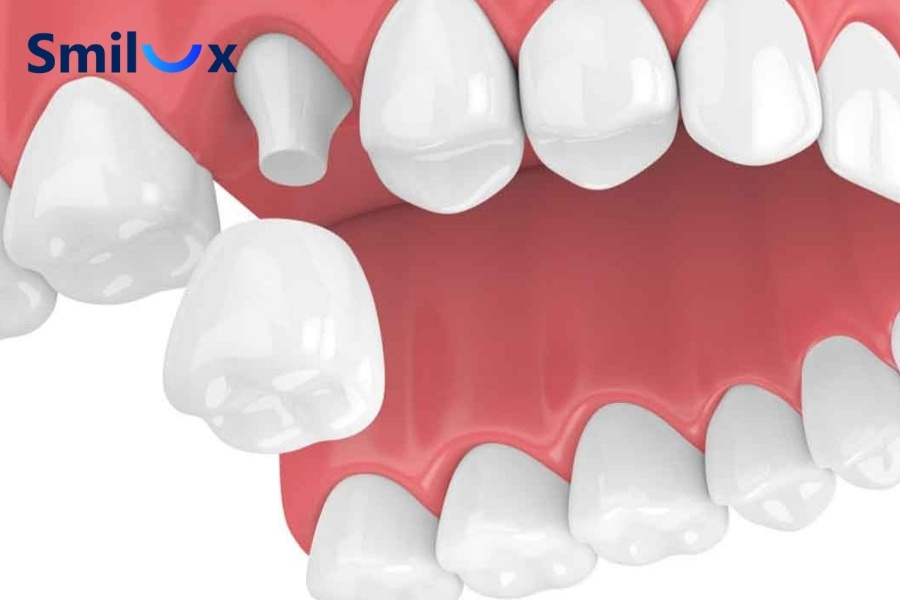
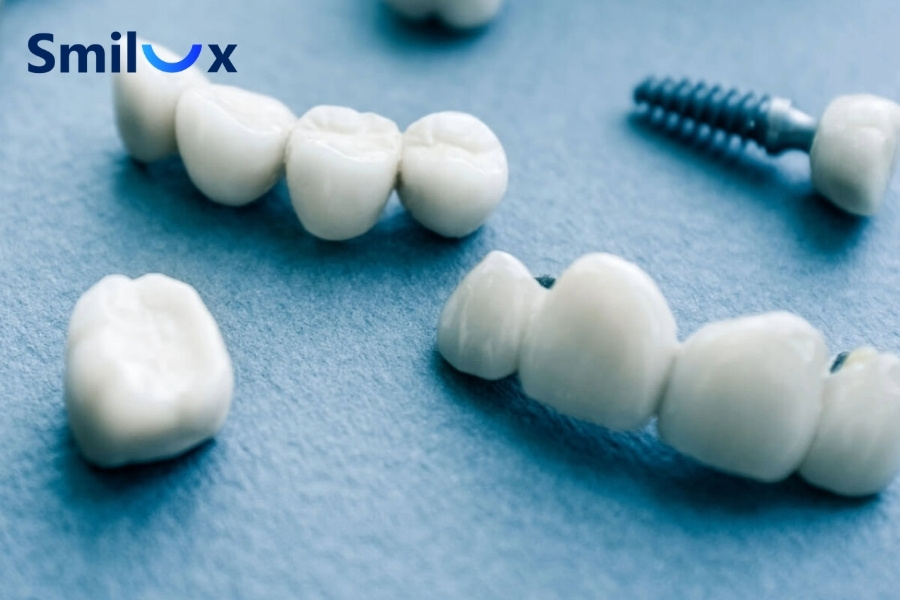
When a dental crown is properly placed, it fits closely over the prepared natural tooth and is securely bonded with professional dental cement, helping maintain long-term stability on the dental arch. After an adjustment period, patients can usually chew comfortably, speak naturally, and care for the crown much like a natural tooth.
However, in some cases, a dental crown can still become loose or fall off due to various reasons, such as excessive biting force, weakening of the dental cement over time, problems affecting the supporting tooth underneath, or an initial restoration that was not completed to the proper standard.
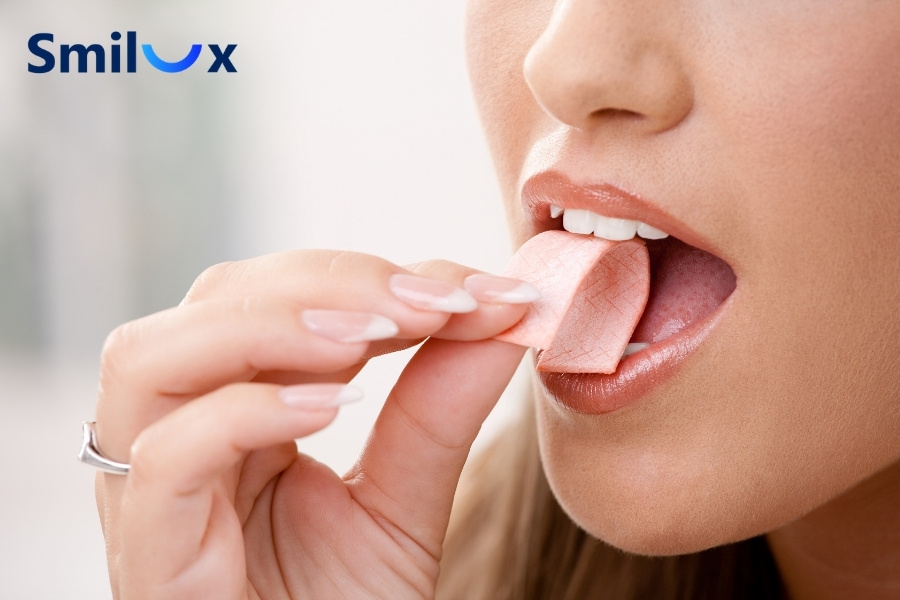
Habits such as biting hard objects, tearing tough foods, or grinding the teeth over a long period can place excessive pressure on a dental crown. When the force exceeds the crown’s tolerance, it may become loose, shift out of alignment, and increase the risk of detaching from the natural tooth.
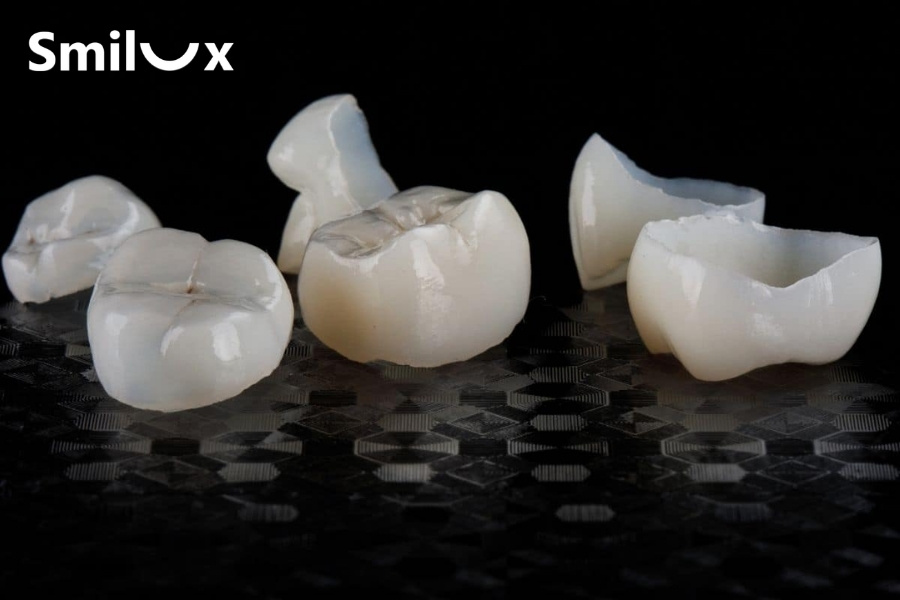
Low-quality dental cement or bonding materials can reduce the adhesion between the dental crown and the natural tooth. Over time, this bond may weaken, causing the crown to loosen or detach more easily, especially with regular chewing.
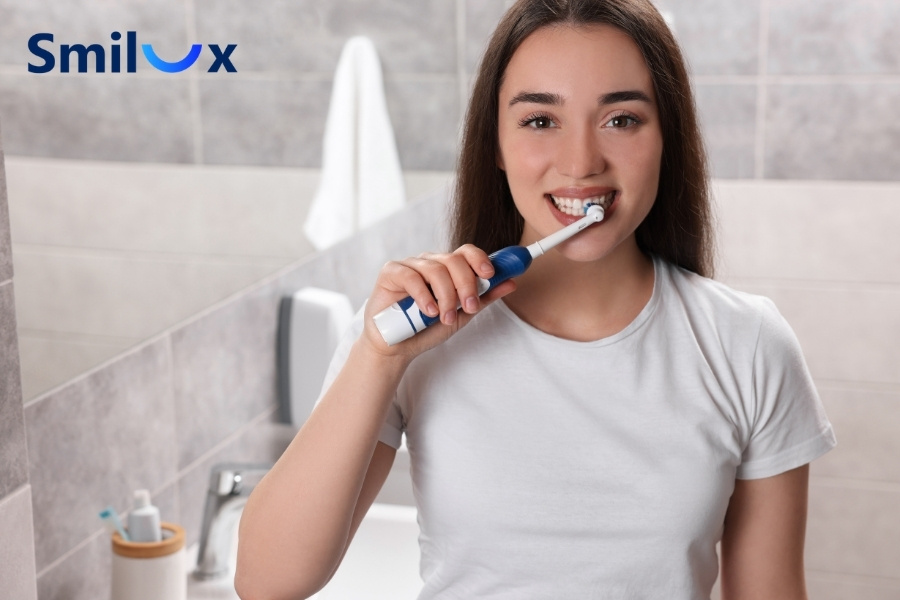
Brushing too aggressively, using a hard-bristled toothbrush, or not following proper oral care instructions can lead to gum recession, exposed tooth margins, and damage to the area where the dental crown meets the natural tooth. In addition to increasing the risk of the crown becoming loose, this condition may also contribute to bad breath, gum inflammation, and periodontal disease.
A dental crown can often be restored and reattached if the crown remains intact, with no cracks, fractures, or chips, and still maintains a proper fit. In addition, the natural tooth underneath must be healthy and stable, without decay, infection, or structural damage. In such cases, the dentist will clean the tooth surface, prepare the contact area, and securely reattach the crown using professional dental materials.
When a dental crown falls off, many people want to fix it immediately to avoid inconvenience while eating or speaking. However, handling the problem incorrectly at home can make the condition worse, damage the natural tooth, and increase future treatment costs.
Purchasing dental materials and trying to reattach the crown at home can cause the crown to be placed incorrectly, create a misaligned bite, or prevent it from fitting properly over the prepared tooth. This may lead to pain, sensitivity, and make professional treatment more difficult afterward.
Common household adhesives are not designed for use inside the mouth. Their chemical ingredients may irritate soft tissues, harm the gums, damage the natural tooth structure, and create serious oral health risks.
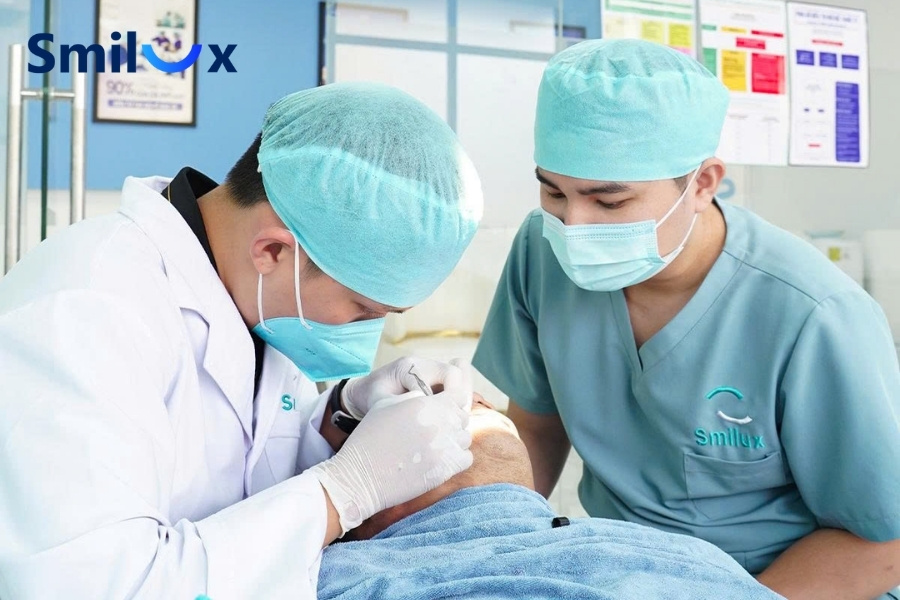
If a dental crown becomes loose or falls off, the safest solution is to keep the crown carefully and visit a trusted dental clinic such as Smilux Dental for an examination, diagnosis of the cause, and proper professional treatment.
To reduce the risk of a dental crown becoming loose or falling off during use, keep the following recommendations in mind:
The success of a dental crown depends greatly on the dentist’s skill and the quality of the treatment process. Receiving care at a trusted clinic such as Smilux Dental with experienced dentists helps ensure accurate treatment, greater safety, and longer-lasting crown durability.
Brush your teeth at least twice a day using a soft-bristled toothbrush, and combine this with dental floss and a suitable mouthwash. Proper oral care helps reduce bacterial buildup around the crown margins, prevent tooth decay, lower the risk of gum inflammation, and minimize crown loosening.
Choose foods rich in calcium, vitamins, and minerals to support oral health. At the same time, limit foods that are excessively hard, sticky, very cold, or heavily pigmented, as they may affect the strength and appearance of your dental crown.
Habits such as teeth grinding during sleep, nail biting, using the teeth to open bottles, chewing ice, or frequent tongue thrusting can place excessive pressure on the crown and increase the risk of loosening, cracking, or falling off.
Follow your dentist’s recommended follow-up schedule and have routine dental examinations every six months. Regular visits help detect early signs of crown loosening, gum inflammation, or other problems so they can be treated before becoming more serious.
Whether a dental crown falls off depends greatly on choosing a reputable dental clinic, the dentist’s expertise, and the quality of the crown materials used. For this reason, selecting the right clinic from the beginning is an important step in reducing the risk of loosening, discomfort, or complications after treatment.
For those looking for a trusted place to get dental crowns in Ho Chi Minh City, Smilux Dental is highly regarded by many patients for its safe treatment approach, focus on preserving natural tooth structure, and personalized solutions for each case. Every patient receives a thorough examination before treatment to identify the underlying concerns and choose the most suitable restoration plan.
One of the key advantages at Smilux Dental is the application of BioUltra crown technology in cosmetic restorations. This advanced solution helps improve precision, enhance natural-looking results, and minimize unnecessary tooth reduction whenever possible.
Before treatment begins, the dentist carefully evaluates the bite, facial proportions, existing tooth shade, and gum condition to design a smile that blends harmoniously with the patient’s overall facial features. As a result, the final outcome is not only more aesthetic but also comfortable for daily use.
In addition, the clinic invests in advanced diagnostic systems such as 3D Cone Beam CT, allowing detailed visualization of the jawbone, tooth roots, and surrounding structures. Clear imaging data supports more accurate treatment planning, especially in complex restorative cases or situations involving bite misalignment.
Beyond the treatment itself, the post-care experience is another reason many patients choose Smilux Dental. Patients receive clear aftercare guidance, regular follow-up monitoring, and timely support if any issues arise during use. This continued care provides peace of mind instead of having to manage complications alone.

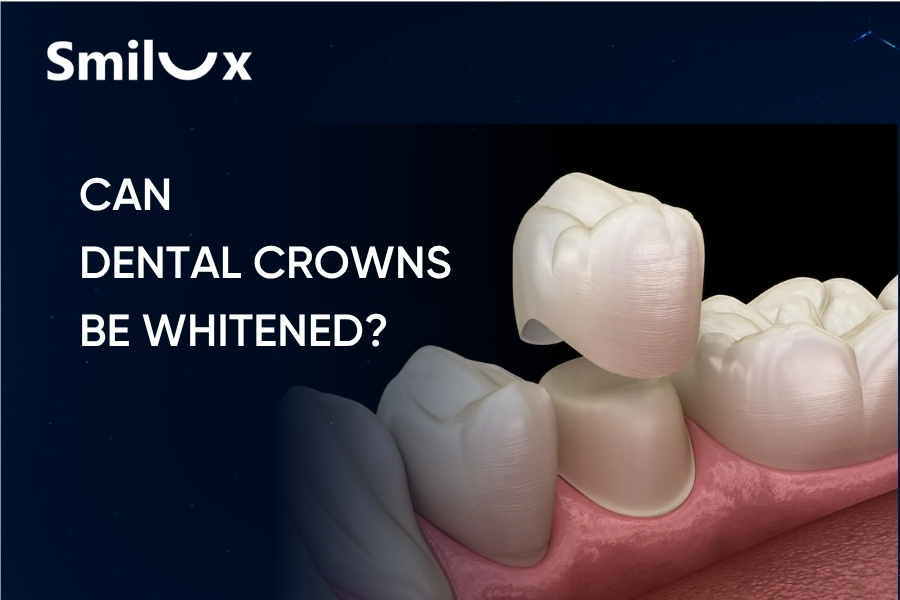
Can Dental Crowns Be Whitened? Learn with Smilux why dental crowns do not respond to whitening agents like natural teeth, what causes crowns to become discolored, and how to care for them at home.

A detailed comparison of Metal Dental Crowns and Titanium Dental Crowns, including durability, aesthetics, cost, and how to choose the most suitable option. Professional consultation from the dentists at Smilux Dental.

Should You Choose Porcelain Crowns or Metal Dental Crowns? Learn about the pros and cons, durability, cost, and aesthetics of each type of dental crown. This article from Smilux will help you choose the most suitable option based on your dental condition and practical needs.

Should You Get Dental Crowns or Veneers? Learn about the benefits, indications, and how to choose the right option for your oral condition. The dentists at Smilux Dental provide personalized solutions to help you achieve a beautiful, confident smile.