1. Home
  2. »
  3. Dental Crown Knowledge
  4. »
  5. Does getting dental crowns cause bad breath?

Does getting dental crowns cause bad breath? How to treat bad breath after dental crowns

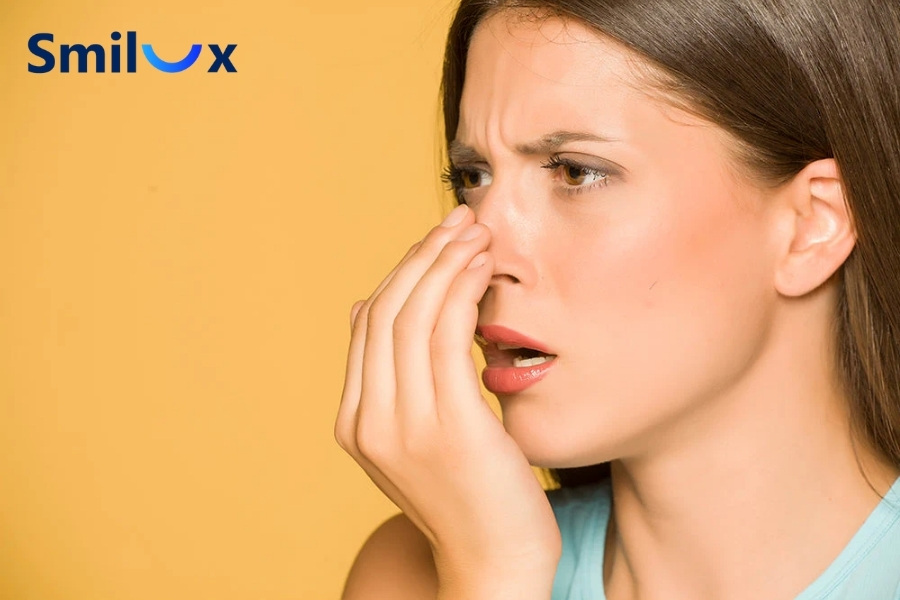
Does getting dental crowns cause bad breath? This is a common concern among many patients before deciding on cosmetic dental restoration. Many people worry that after crown placement, unpleasant breath may occur, affecting daily communication and overall confidence.

So, does this issue actually happen? What are the underlying causes, and how can it be managed effectively? In the following article, Smilux Dental provides a detailed explanation from a professional dental perspective. Read on to gain a clearer understanding.

Does getting dental crowns cause bad breath? How to treat bad breath after dental crowns

Does getting dental crowns cause bad breath?

Does getting dental crowns cause bad breath?” is a common concern among patients before undergoing this dental procedure.

From a clinical perspective, dental crowns do not cause bad breath when performed correctly. If the crown is precisely fabricated and fits tightly over the prepared tooth, combined with proper oral hygiene, there will be no unpleasant odor.

However, if the procedure is done improperly, resulting in poorly fitted crowns or marginal gaps, or if oral hygiene is neglected, food debris and bacteria can accumulate in these areas. Over time, this leads to plaque buildup, gum inflammation, periodontal disease, and ultimately bad breath.

Bọc răng sứ không gây hôi miệng nếu được thực hiện đúng kỹ thuật và vệ sinh tốt

Why can dental crowns cause bad breath?

Bad breath after getting dental crowns is not uncommon and is typically associated with several underlying causes, including:

Improper dental crown placement

This is the leading cause of bad breath associated with dental crowns. When a crown is not properly designed or does not fit tightly over the prepared tooth, microscopic gaps can form along the gum margin and crown base.

These areas are difficult to clean with routine oral hygiene, allowing food debris and plaque to accumulate over time. As bacteria proliferate, they can lead to gingival inflammation, periodontal disease, and ultimately result in persistent bad breath.

Low-quality dental crowns

Poor-quality dental crowns that do not meet standards for durability and biocompatibility may degrade or change within the oral environment. This increases the risk of irritation to the surrounding soft tissues, leading to gingival inflammation and potential damage to the underlying natural tooth.

When gum inflammation persists over time, it can result in noticeable and progressively worsening bad breath.

Bọc răng sứ bị hôi miệng do sử dụng mão sứ kém chất lượng

Untreated underlying oral conditions before crown placement

In many cases, patients may already have existing oral conditions such as periodontal disease, gingivitis, or dental caries that have not been fully treated prior to crown placement. After the crown is placed, these bacterial foci remain and continue to progress, leading to persistent bad breath and compromising the longevity of the dental restoration.

Cracked or damaged dental crowns due to chewing habits

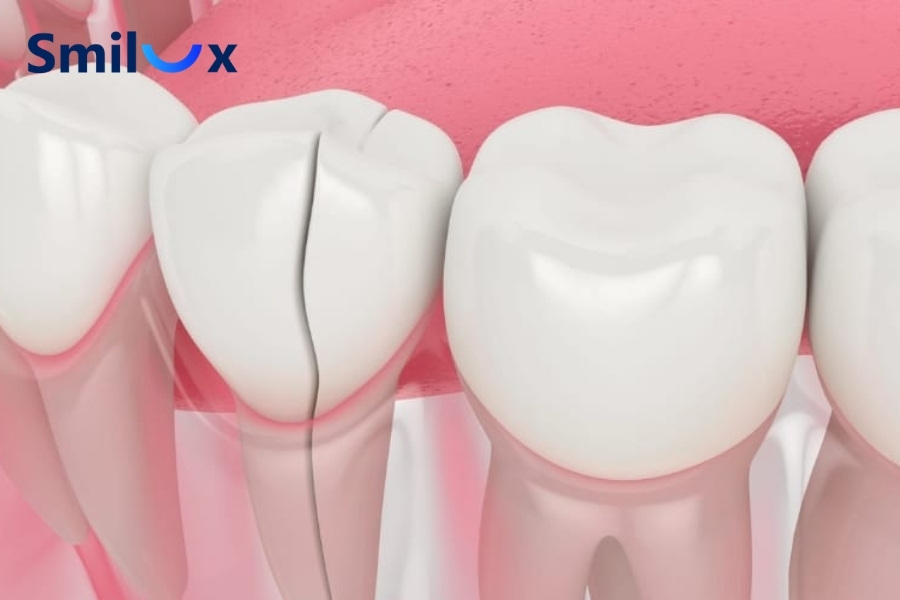
Frequent consumption of hard or chewy foods, as well as habits such as teeth grinding (bruxism), can create microcracks on the surface of dental crowns. These tiny defects provide an ideal environment for bacteria to infiltrate and accumulate, leading to persistent bad breath in the oral cavity.

Răng sứ bị nứt hoặc vỡ tạo khe hở khiến thức ăn và vi khuẩn tích tụ, phân hủy và gây hôi miệng.

Poor oral hygiene practices

After getting dental crowns, if patients do not maintain proper oral hygiene habits—such as brushing adequately, flossing, and using mouthwash—plaque and food debris can accumulate around the crowns. This not only leads to gum inflammation but is also a direct cause of bad breath following dental crown placement.

Pre-existing bad breath before crown placement

In some cases, bad breath after getting dental crowns is not a new condition but already existed beforehand. Patients may have had halitosis caused by gingivitis, periodontal disease, or other oral conditions. As a result, after crown placement, bacteria continue to accumulate, making the odor more noticeable and potentially more severe over time.

Nếu bệnh nhân đã bị hôi miệng từ trước, việc bọc răng sứ không xử lý triệt để tình trạng này

How to treat bad breath after dental crowns

Bad breath following dental crown placement not only affects oral health but also impacts confidence in daily communication. Many patients may feel hesitant or self-conscious when interacting with others.

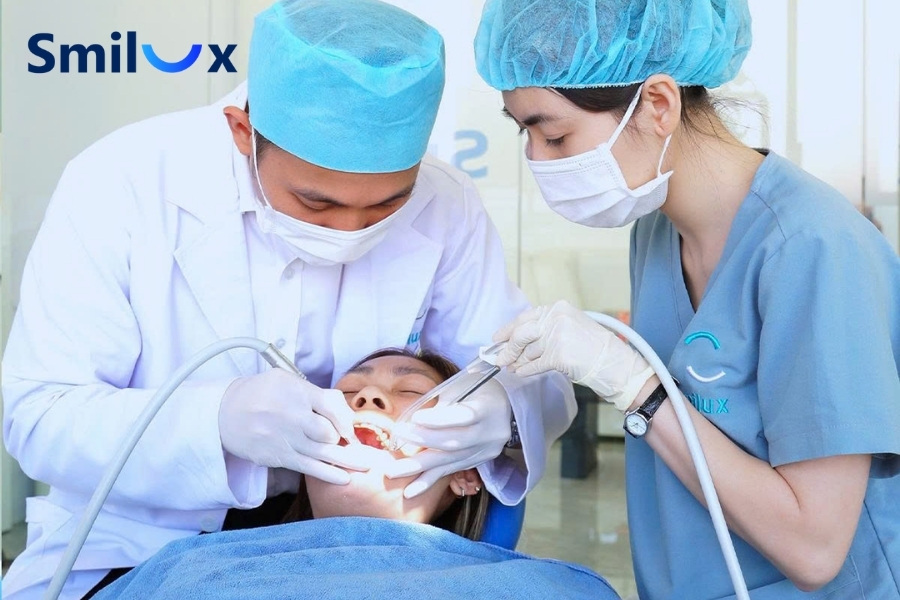
To effectively manage this condition, patients should visit Smilux Dental for a comprehensive examination. A dentist will identify the exact cause of the bad breath and develop an appropriate treatment plan tailored to each individual case.

Depending on the underlying cause, the treatment approach may include:

  • Improperly fitted crowns: The dentist may adjust or replace the crown to ensure a precise fit, preventing bacterial accumulation.
  • Underlying oral diseases: Conditions such as gingivitis, periodontitis, or dental caries must be thoroughly treated before re-restoring the crown.
  • Metal sensitivity or allergic reactions: The dentist may recommend replacing the crown with an all-ceramic restoration that offers superior biocompatibility and resistance to oxidation.
  • Misaligned or improperly positioned crowns: Minor adjustments can be made to improve occlusion and reduce food impaction.
  • Pathology beneath the crown: The crown may be removed to treat the underlying tooth before being re-cemented for long-term success.
  • Inadequate oral hygiene: Patients will receive detailed guidance on proper post-crown care to control plaque and prevent recurrence of bad breath.

Cách trị hôi miệng khi bọc răng sứ

How to prevent bad breath after dental crowns

From the above analysis, it is clear that dental crowns do not cause bad breath when performed correctly and maintained with proper care. However, in reality, some patients may still experience this condition due to technical errors during restoration or inadequate oral hygiene.

Below are professional recommendations from Smilux Dental to help effectively prevent and control bad breath after getting dental crowns:

  • Choose a reputable dental clinic: Ensure the dentist has strong clinical expertise, follows standardized procedures, and uses high-quality crowns that fit precisely with the natural tooth.
  • Stay well hydrated: Drinking enough water helps cleanse the oral cavity and reduces plaque and bacterial accumulation. Lemon water, when used in moderation, may also help improve breath.
  • Use sugar-free gum (xylitol): Stimulates saliva production, supporting the natural cleansing process of the mouth.
  • Limit odor-causing foods: Avoid foods such as garlic, onions, alcohol, and tobacco to reduce the risk of bad breath.
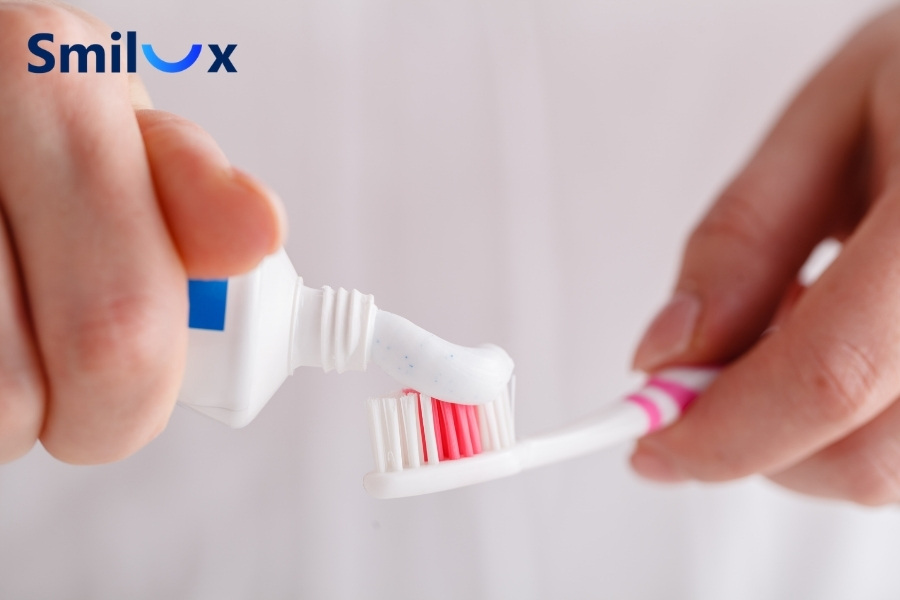
  • Maintain proper oral hygiene: Brush at least twice daily with a soft-bristled toothbrush, paying close attention to the gum margin around the crown. Use dental floss or a water flosser to clean interdental areas, and avoid using toothpicks. Rinse with saline or an antibacterial mouthwash to control odor-causing bacteria.
  • Schedule regular dental check-ups: Visit your dentist 1–2 times per year to detect and manage any issues early.

Làm thế nào để phòng ngừa tình trạng bọc răng sứ bị hôi miệng?

Safe aesthetic dental crowns at Smilux Dental – no risk of bad breath

Smilux International Dental Clinic is a licensed dental facility approved by the Department of Health, featuring a team of highly qualified prosthodontic specialists and advanced modern equipment.

At Smilux Dental, we apply BioUltra ceramic crown technology, which focuses on preserving natural tooth structure. This technique minimizes tooth reduction and retains up to 90% of the original tooth, ensuring long-term strength while reducing the risk of complications such as gingival inflammation or bad breath.

A key advantage of this technology is the integrated BioShield biological layer within the ceramic structure. This feature helps inhibit bacterial adhesion and plaque accumulation, maintaining healthy gum margins and preventing issues such as dark gum lines and unpleasant odor after crown placement.

In addition, all crowns at Smilux Dental have clear origins. Patients are able to sign directly on the ceramic block before fabrication, ensuring transparency and consistent quality. This allows patients to feel confident in both the safety and durability of their restorations over time.

Furthermore, the crown surface is enhanced with P+ Infusion technology, which helps suppress odor-causing microorganisms and supports long-lasting fresh breath.

With a standardized process from consultation and treatment to post-crown care, Smilux Dental is committed to delivering optimal aesthetic results while maintaining long-term oral health for every patient.

BOOK APPOINTMENT

    CONCLUSION

    We hope the above information has helped you clearly understand whether dental crowns cause bad breath. In reality, bad breath is not an inevitable outcome of crown placement. It largely depends on the dentist’s expertise, the quality of the crown, and proper post-treatment care.

    If you are looking for aesthetic dental crowns that minimize the risk of bad breath and help maintain long-lasting fresh breath, contact Smilux Dental via HOTLINE (+84) 866 251 379 for a detailed consultation on BioUltra ceramic crown technology.

    ---------- Dental Crown Knowledge ----------

    Should You Get Braces or Dental Crowns?
    21Apr

    Should You Get Braces or Dental Crowns? Explore the benefits, indications, and how to choose the most suitable option for your dental condition. The dentists at Smilux Dental provide personalized solutions to help you achieve a beautiful and confident smile.

    Can Dental Crowns Become Stained or Yellow Over Time?
    20Apr

    Can Dental Crowns Become Stained or Yellow Over Time? Learn the causes of discoloration, effective treatment options, and proper care tips to keep your crowns bright, durable, and beautiful for years with expert advice from the dentists at Smilux Dental.

    Can Dental Crowns Fall Off? How to Reattach a Fallen Dental Crown
    18Apr

    Can Dental Crowns Fall Off? Learn the Causes of Loose or Fallen Crowns, Proper Reattachment Techniques, and Effective Prevention Tips from the Dentists at Smilux Dental Clinic.

    Can I get a dental crown if I have gum disease?
    17Apr

    Can I get a dental crown if I have gum disease? Learn about the treatment requirements, safe clinical process, and important considerations recommended by dental professionals. Smilux Dental helps you choose the most suitable solution to restore aesthetics, protect your natural teeth, and reduce the risk of long term complications.

    1 2 3 4 5
    This site is registered on wpml.org as a development site. Switch to a production site key to remove this banner.