1. Home
  2. »
  3. Dental Crown Knowledge
  4. »
  5. Does getting dental crowns require root canal treatment?

Does getting dental crowns require root canal treatment?

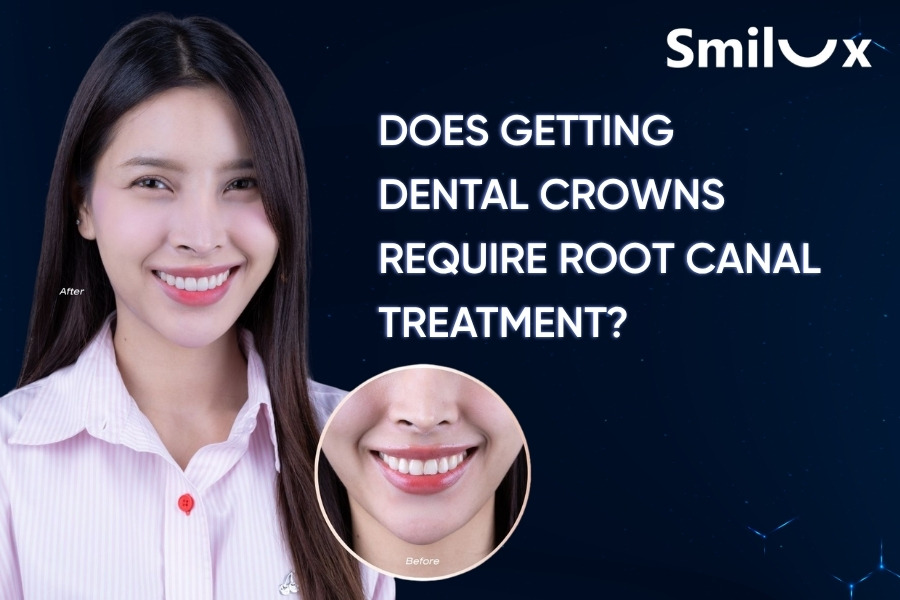
Does getting dental crowns require root canal treatment?” is a common concern among patients exploring cosmetic dental restorations, especially those worried about sensitivity or potential impact on their natural teeth. In the following article, dentists at Smilux Dental provide a detailed explanation of this topic. Continue reading to gain a clearer understanding.
Does getting dental crowns require root canal treatment?

Does getting dental crowns require root canal treatment?

“Does getting dental crowns require root canal treatment?” is one of the most frequently asked questions by patients seeking consultation at Smilux International Dental Clinic.

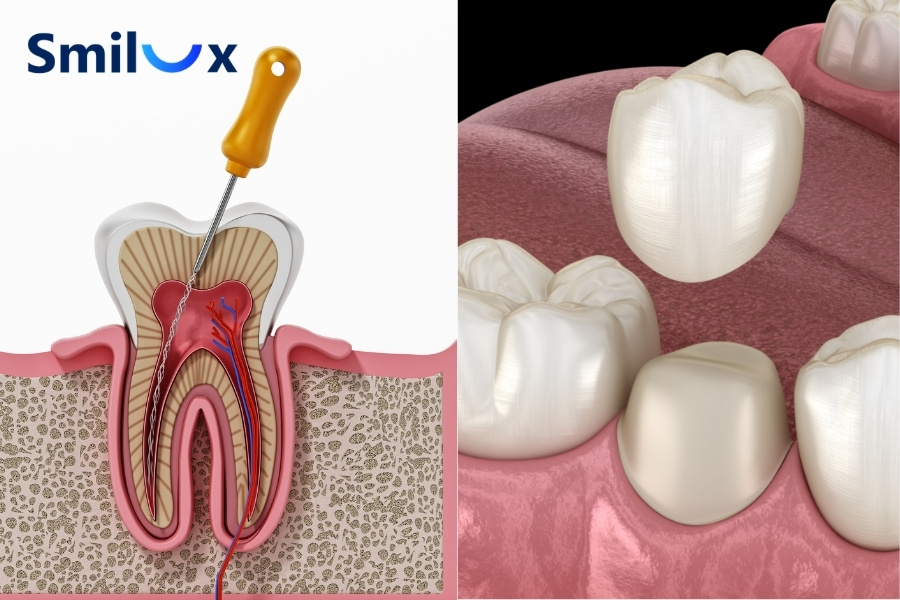
In reality, dental crowns do not necessarily require root canal treatment. Endodontic therapy is only indicated in cases where the tooth has been severely compromised, such as deep caries reaching the pulp, pulp inflammation, or a non-vital (dead) tooth. For healthy teeth, dentists at Smilux Dental always prioritize preserving the pulp to maintain the tooth’s strength and natural sensation after crown placement.

At Smilux International Dental Clinic, every patient undergoes a thorough clinical examination prior to treatment. Based on the specific condition of each tooth, the dentist will determine whether root canal treatment is necessary, ensuring both safety and the long-term preservation of chewing function and aesthetic outcomes.
Bọc răng sứ không bắt buộc phải lấy tủy răng

Cases Where Dental Crowns Do and Do Not Require Root Canal Treatment

The dental pulp is a vital tissue located inside the tooth, containing blood vessels and nerves. It plays a key role in nourishing the tooth and maintaining its natural sensitivity, which directly affects both durability and chewing function.

Therefore, during the crown placement process, dentists always prioritize preserving the dental pulp whenever possible. Root canal treatment is only performed when the tooth has been severely damaged and can no longer recover.

Below are specific cases in which root canal treatment may or may not be required before placing a dental crown, helping you make a more informed treatment decision:

Cases Where Dental Crowns Do Not Require Root Canal Treatment

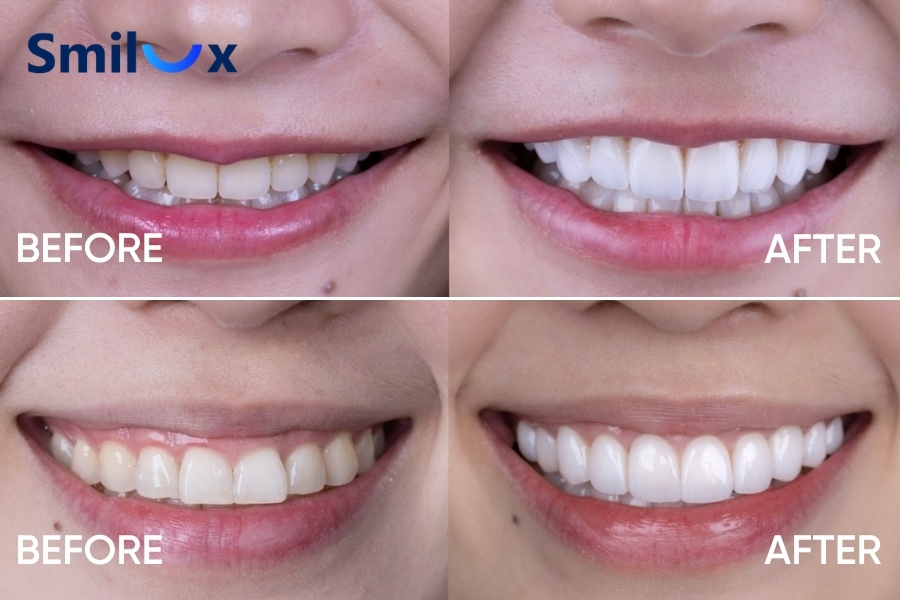
  • Discolored teeth with healthy pulp: When teeth are severely stained due to tetracycline or fluoride and do not respond to whitening treatments, dental crowns can effectively improve aesthetics. In these cases, only the outer structure of the tooth is modified, without affecting the pulp.
  • Minor chipping or fractures: If the damage is limited to enamel or superficial dentin and the pulp is not exposed, the dentist can reshape the tooth and place a crown to restore and protect its structure without performing a root canal.
  • Mild spacing, misalignment, or uneven teeth: For aesthetic corrections such as gaps, small-sized teeth, or slight misalignment, dental crowns can enhance shape and alignment without invading the pulp.
  • Early-stage tooth decay (not involving the pulp): When decay is superficial and the pulp remains vital, the affected area can be treated and covered with a crown to protect the tooth, eliminating the need for root canal treatment.
  • Abutments for dental bridges or implant-supported restorations: Teeth used as abutments for dental bridges or adjacent to implants are typically healthy. In these situations, only minimal external preparation is required, and root canal treatment is not necessary.

Răng còn khỏe thì khi bọc răng sứ không cần lấy tủy

Cases Where Dental Crowns Require Root Canal Treatment

  • Deep decay reaching the pulp with persistent pain: When dental caries extend into the pulp chamber, patients often experience dull or severe pain, especially at night. If left untreated, bacteria can lead to pulp necrosis and spread to the gums and jawbone. In such cases, root canal treatment is essential before crown placement to eliminate infection.
  • Severely fractured or broken teeth exposing the pulp: Teeth that suffer significant trauma, fractures, or large chips exposing the pulp are highly susceptible to nerve irritation and infection. Root canal therapy is required to control bacterial contamination, followed by crown placement to restore both function and tooth structure.
  • Non-vital (dead) teeth with dark discoloration: Teeth with necrotic pulp typically lose sensation, become brittle, and are more prone to fracture. They often turn gray or black, causing noticeable aesthetic concerns. Removing the necrotic pulp and placing a dental crown helps improve appearance while reinforcing the remaining tooth structure.
  • Periapical inflammation or dental abscess: This condition occurs when infection spreads to the apex of the tooth, leading to swelling, pain, and sometimes pus formation. Without proper treatment, the infection may recur and affect surrounding teeth. Root canal treatment is mandatory to thoroughly clean the infected area before restoring the tooth with a crown.

Smilux Dental – A Trusted Destination for Dental Crowns in Ho Chi Minh City

Smilux International Dental Clinic is recognized as a reputable provider of dental crown services, trusted by a large number of patients. With a team of highly experienced dentists, well-defined clinical expertise, and advanced dental equipment, the clinic has successfully served over 10,000 domestic and international patients.

The clinic operates with a comprehensive system of five key specialties, including dental implants, orthodontics (braces), cosmetic dental crowns, general dentistry, and pediatric dentistry. This strong professional foundation, combined with high service standards, allows patients to feel confident when choosing dental crowns, minimizing risks while ensuring long-term functional and aesthetic outcomes.

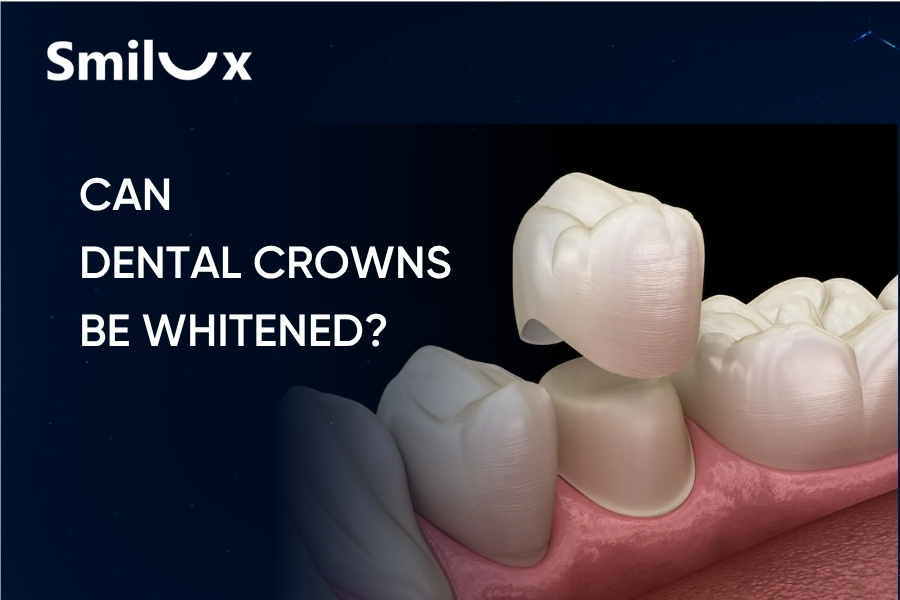
A key highlight at Smilux is the BioUltra crown technology – a biomimetic restorative solution that prioritizes the preservation of natural tooth structure. This approach minimizes tooth reduction, retains as much natural tissue as possible, and reduces the risk of pulp damage, thereby enhancing the durability of the restored tooth.

Each BioUltra crown is coated with a BioShield layer, which offers antibacterial properties, helps reduce inflammation, and limits staining from common substances such as tea, coffee, and tobacco. As a result, the tooth surface maintains its brightness and cleanliness while reducing the risk of halitosis caused by bacterial accumulation.

In addition, the Preserve90 technique within the BioUltra system allows for minimal tooth preparation, preserving up to 90% of the natural tooth structure. This is a critical factor in maintaining pulp vitality, reducing invasiveness, and providing a more comfortable crown procedure compared to traditional methods.

Răng sứ BioUltra là gì What are BioUltra dental crowns What are BioUltra dental crowns

If you are interested in BioUltra cosmetic dental crowns, a solution designed to preserve natural tooth structure and avoid pulp invasion, please fill out the form below. The Smilux Dental team will contact you shortly to provide personalized consultation.

BOOK APPOINTMENT

    CONCLUSION

    In summary, whether dental crowns require root canal treatment depends on the extent of tooth damage and the dentist’s clinical indication. For healthy teeth, preserving the pulp is always prioritized to maintain durability, natural chewing sensation, and reduce long-term complications. In contrast, cases involving pulp inflammation, necrosis, or infection must be thoroughly treated before crown placement.

    At Smilux Dental, the examination and treatment process is personalized for each patient, ensuring a clear understanding of their dental condition and the most appropriate treatment plan. Contact our HOTLINE (+84) 866 251 379 to receive direct consultation from our dentists.

    ----------BRACES KNOWLEDGE ----------

    Should You Get Dental Crowns or Veneers?
    22Apr

    Should You Get Dental Crowns or Veneers? Learn about the benefits, indications, and how to choose the right option for your oral condition. The dentists at Smilux Dental provide personalized solutions to help you achieve a beautiful, confident smile.

    Should You Get Braces or Dental Crowns?
    21Apr

    Should You Get Braces or Dental Crowns? Explore the benefits, indications, and how to choose the most suitable option for your dental condition. The dentists at Smilux Dental provide personalized solutions to help you achieve a beautiful and confident smile.

    Can Dental Crowns Become Stained or Yellow Over Time?
    20Apr

    Can Dental Crowns Become Stained or Yellow Over Time? Learn the causes of discoloration, effective treatment options, and proper care tips to keep your crowns bright, durable, and beautiful for years with expert advice from the dentists at Smilux Dental.

    Can Dental Crowns Fall Off? How to Reattach a Fallen Dental Crown
    18Apr

    Can Dental Crowns Fall Off? Learn the Causes of Loose or Fallen Crowns, Proper Reattachment Techniques, and Effective Prevention Tips from the Dentists at Smilux Dental Clinic.

    1 2 3 4
    This site is registered on wpml.org as a development site. Switch to a production site key to remove this banner.