
1. Home
  2. »
  3. Braces Knowledge
  4. »
  5. Do braces hurt?

Do braces hurt? Which stage of orthodontic treatment is the most uncomfortable?

Malocclusions such as underbite, spacing, or crowding are corrected by gradually moving the teeth into a more aligned and balanced position along the dental arch. However, many patients still feel concerned about potential discomfort during treatment.

In the article below, dentists at Smilux International Dental Clinic will provide a detailed explanation of Do braces hurt?, identify which stages tend to cause the most discomfort, and share practical ways to reduce soreness during orthodontic treatment. Keep reading to learn more.

Do braces hurt? Which stage of orthodontic treatment is the most uncomfortable?

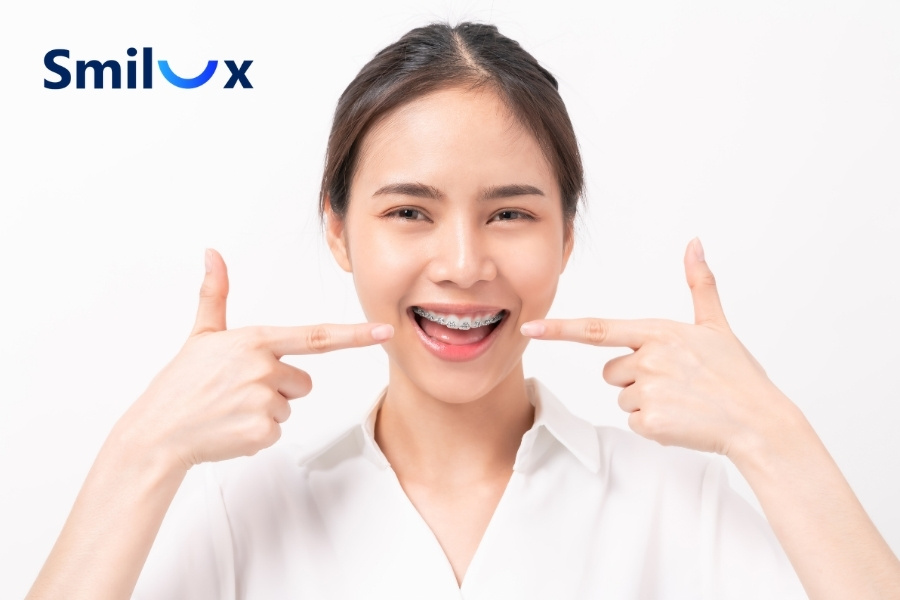
Do braces hurt?

“Do braces hurt?” or “What does orthodontic pain feel like?” are among the most common concerns raised by patients visiting Smilux Dental for consultation and examination.

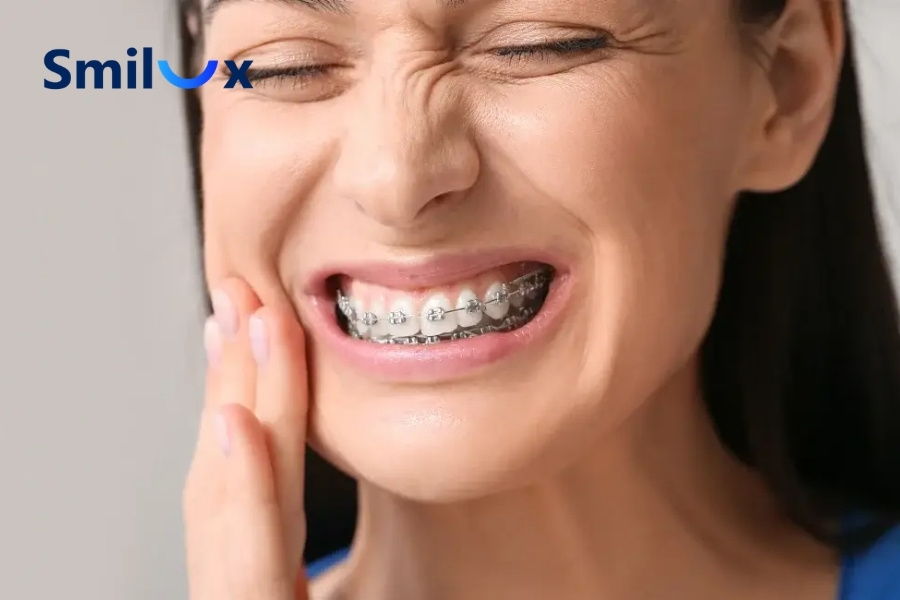
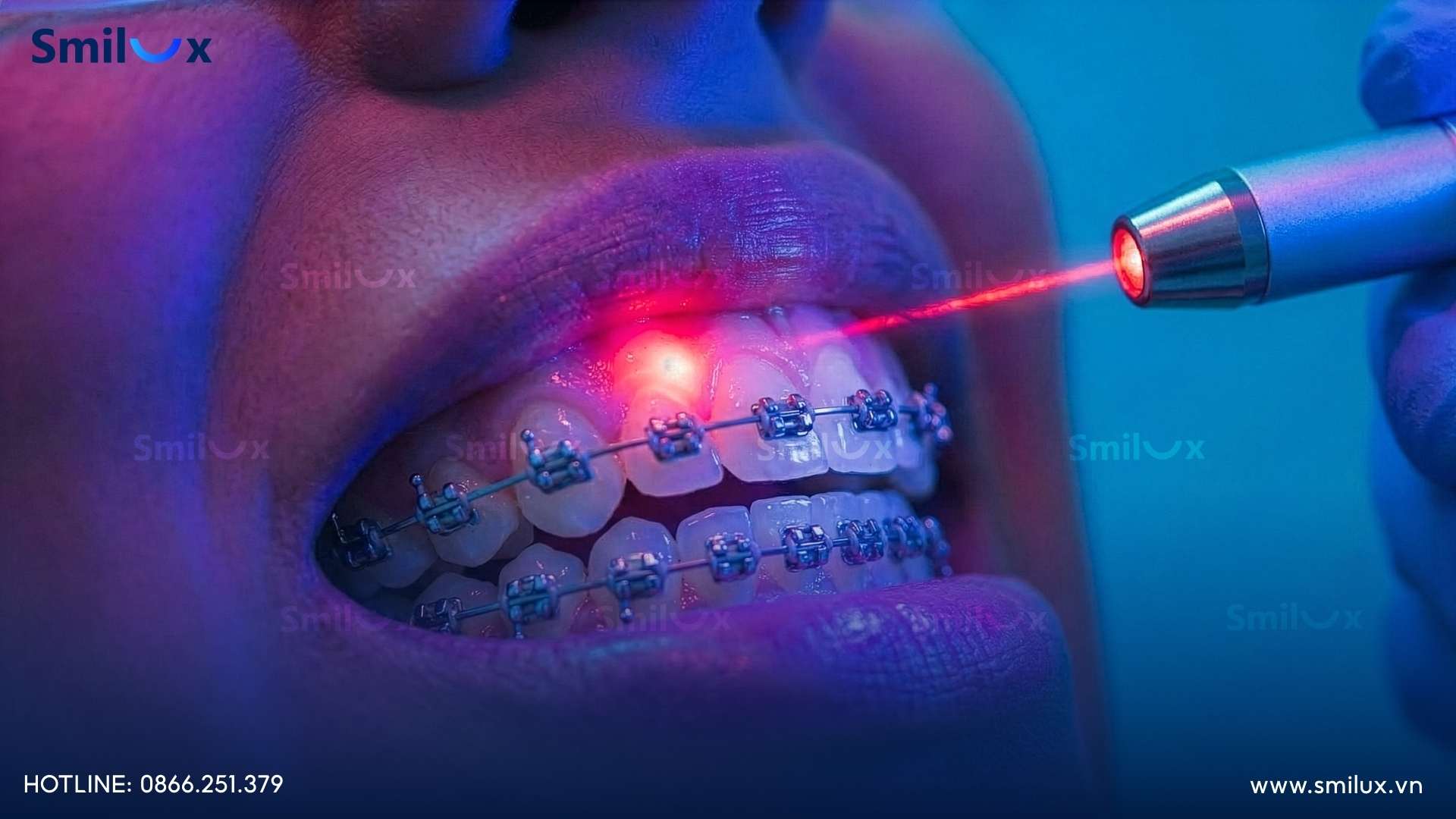
According to Smilux dentists, braces may cause mild pain and discomfort during the initial stage, especially after bracket placement or archwire adjustments. This is a normal physiological response as the teeth are subjected to continuous, gentle forces to move into their correct positions along the dental arch.

In reality, the level of discomfort is not as intense as many patients fear. Most people experience a dull ache or slight pressure rather than sharp pain, and it typically remains well within a tolerable range. This sensation usually subsides after a few days as the periodontal tissues adapt to the orthodontic forces.

Additionally, when treatment is performed by experienced orthodontists, the applied forces are carefully controlled and adjusted at each stage. This ensures a smooth and stable tooth movement process, minimizes discomfort, and maintains the health and safety of both teeth and gums.

Thực tế, niềng răng có gây đau và khó chịu

Which stage of orthodontic treatment is the most uncomfortable?

Discomfort during orthodontic treatment does not occur suddenly but tends to build up gradually over time. After braces are placed or the archwire is adjusted, soreness typically peaks around the second day, then gradually subsides over the following days and becomes stable after the first week.

During follow-up appointments for tightening or adjustments, patients may continue to experience mild discomfort for a short period. This is a normal response of the periodontal tissues adapting to new orthodontic forces, not a sign of any abnormality.

Below is the typical progression of pain and discomfort that most orthodontic patients experience:

Comprehensive pre-treatment stage

Before starting orthodontic treatment, the dentist performs a thorough oral examination to ensure that the teeth and gums are healthy enough to withstand orthodontic forces. Conditions such as gingivitis, dental caries, or periodontal disease are fully treated prior to initiating the main treatment.

At this stage, some patients may experience mild sensitivity or slight discomfort following dental procedures. However, if overall oral health is in good condition, this phase is typically quick and comfortable.

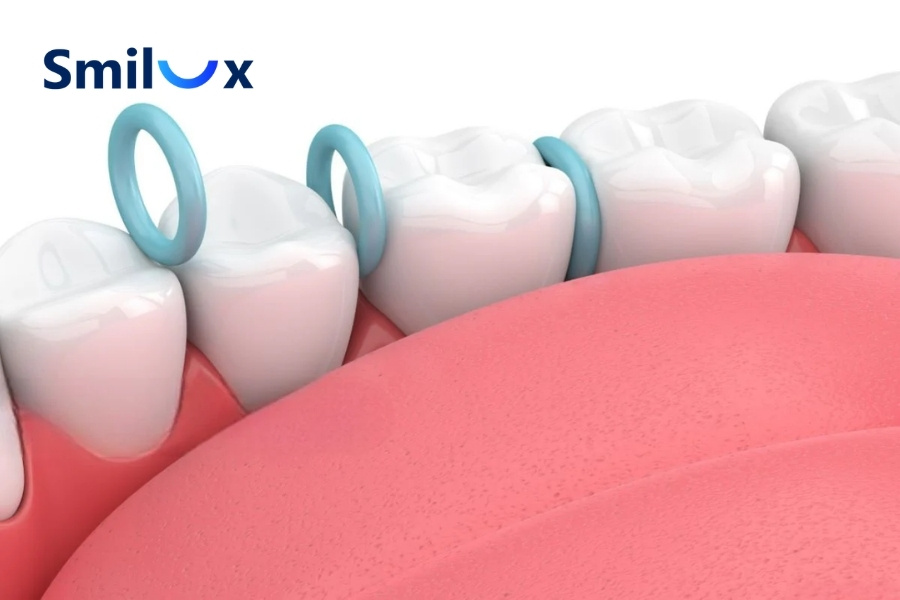
Separator placement stage (spacers)

During this phase, the orthodontist places small elastic separators between the teeth for approximately 5–7 days to create space for orthodontic appliances. Patients may experience mild pressure, slight discomfort when chewing, or a feeling of tightness between the teeth.

This is a normal response and will gradually subside as the teeth begin to adapt to the separating force.

Giai đoạn đặt thun tách kẽ gây căng tức nhẹ và hơi vướng khi nhai

Bracket and archwire placement stage

Once the brackets and archwire system is bonded to the teeth, the oral cavity needs time to adapt to the new appliances. Patients may initially feel bulkiness, mild soreness when chewing, or slight discomfort during speech.

However, these sensations typically decrease significantly within 1–2 weeks as the lips, cheeks, and gums gradually adapt to the orthodontic appliances.

>>> Read more: Does orthodontic mini-screw placement hurt? Smilux explains

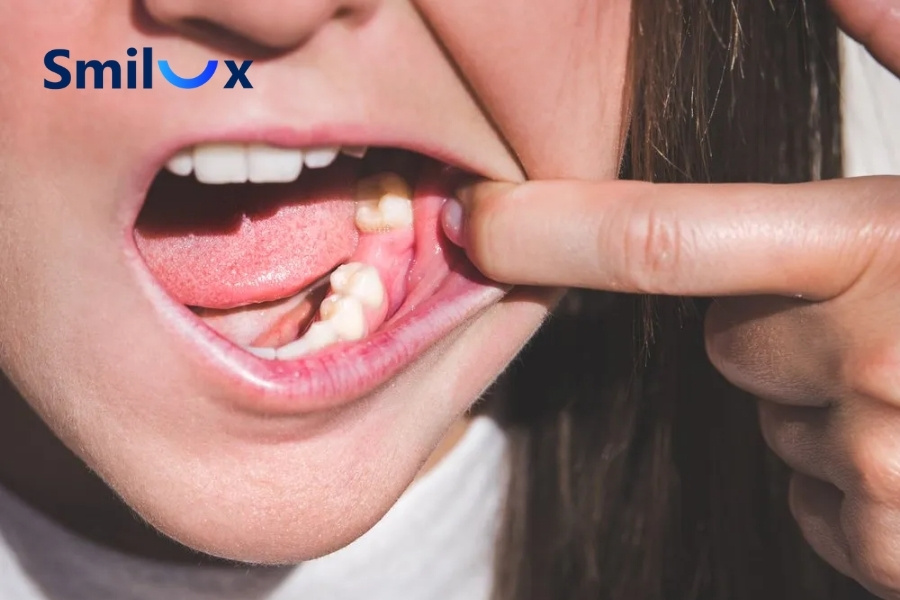
Tooth extraction stage (if indicated)

In cases of significant crowding or severe misalignment, tooth extraction may be recommended to create sufficient space for proper alignment. In practice, the procedure is not painful as many patients expect, thanks to the use of local anesthesia.
After extraction, patients may experience mild swelling or slight soreness at the extraction site. However, these symptoms typically subside within 3–5 days with proper post-operative care.

Giai đoạn nhổ răng nếu có chỉ định thường chỉ ê nhẹ và hơi sưng

Periodic follow-up and adjustment stage

Patients are typically scheduled for follow-up visits every 4–6 weeks so the orthodontist can monitor progress and adjust the applied forces. After each adjustment, mild soreness may occur during the first few days as the teeth continue to move.

Overall, the first few days after bracket and archwire placement tend to be the most uncomfortable period throughout orthodontic treatment. During this time, the lips, cheeks, and gums need to adapt to the new appliances, so patients may experience a feeling of bulkiness, mild soreness, or slight discomfort when chewing and during daily activities.

Factors that influence “Do braces hurt?”

In addition to the variation in discomfort across different orthodontic stages, the level of pain experienced during treatment depends on several factors, including:

Alveolar bone and periodontal condition

Healthy alveolar bone and periodontal tissues allow teeth to respond more effectively to orthodontic forces, thereby significantly reducing discomfort during treatment. In contrast, if the supporting bone is compromised or affected by conditions such as periodontal disease, patients may experience increased sensitivity when subjected to orthodontic forces.

Brackets and orthodontic appliances

Orthodontic appliances attached to the teeth may initially cause a feeling of bulkiness or slight irritation. However, when properly placed and adjusted with controlled forces, this discomfort is typically mild and subsides quickly as the oral tissues adapt.

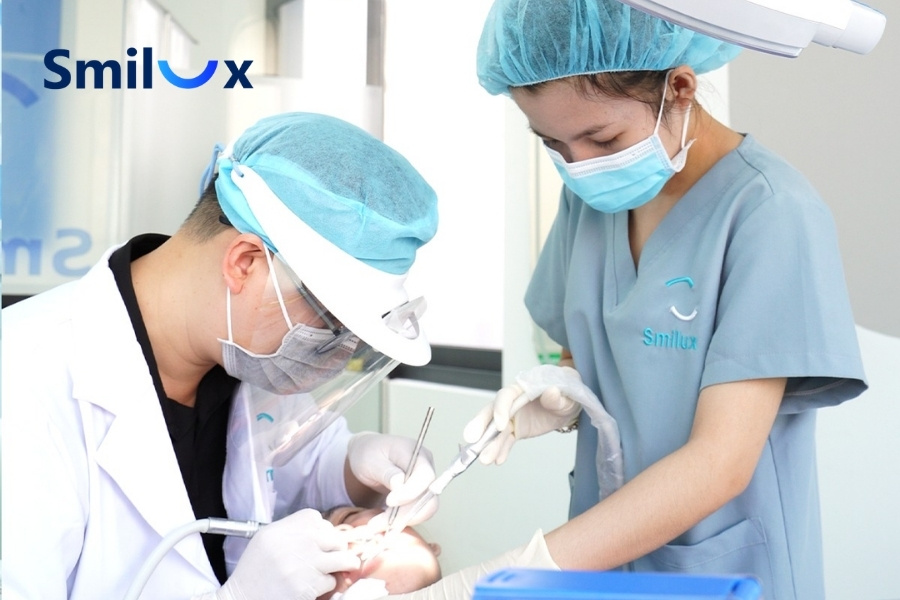
Orthodontist’s expertise

The orthodontist’s level of expertise plays a critical role in determining whether patients experience discomfort during treatment. With strong clinical knowledge and experience, the orthodontist can accurately assess each patient’s dentofacial condition, apply controlled forces at every stage, and develop a treatment plan tailored to the individual’s pain tolerance.

As a result, tooth movement progresses in a stable and controlled manner, minimizing discomfort and providing a more comfortable experience throughout the orthodontic process.

Trình độ chuyên môn của bác sĩ ảnh hưởng trực tiếp đến niềng răng đau như thế nào

Treatment-supporting technology

Modern equipment such as 3D intraoral scanners, digital imaging, and tooth movement simulation software enables orthodontists to accurately assess dentofacial structures and plan treatment from the outset. This not only enhances the effectiveness of orthodontic treatment but also minimizes unwanted forces and reduces potential impact on the teeth and supporting bone.

Orthodontic treatment method

Each orthodontic technique offers a different treatment experience. Traditional braces may generate more friction, whereas self-ligating brackets allow for better force control, helping to reduce discomfort.

In addition, modern solutions such as Invisalign clear aligners use custom-made, removable trays designed for each individual. These aligners apply gentle, consistent forces, allowing teeth to move more smoothly while providing a discreet and comfortable option suitable for a wide range of patients.

Mỗi phương pháp chỉnh nha mang lại mức độ đau khác nhau

Tips to relieve discomfort during orthodontic treatment

Below are dentist-recommended strategies from Smilux Dental to help reduce soreness during braces treatment, especially effective in the first week or after each adjustment:

  • Use over-the-counter pain relievers: Medications such as Ibuprofen or Acetaminophen help reduce inflammation and relieve discomfort after adjustments. They can be taken before or after appointments following the recommended dosage.
  • Apply a cold compress to the cheeks: Cold therapy helps constrict blood vessels, reduce swelling, and create a mild numbing effect. Wrap ice or a cold pack in a soft cloth and apply it to the cheek for 10 to 15 minutes.
  • Rinse with warm salt water: A warm saline solution helps clean the oral cavity, reduce inflammation, and support the healing of minor sores caused by brackets or wires.
  • Use orthodontic wax: Applying orthodontic wax creates a protective barrier between the appliances and oral tissues. Simply soften a small amount and place it on the area causing irritation for immediate relief.
  • Choose soft foods: During the first few days or after adjustments, prioritize easy to chew foods such as porridge, soup, yogurt, or smoothies. This helps reduce pressure on the teeth and prevents damage to brackets or wires.
  • Use topical anesthetic gel: Products containing Benzocaine can be applied directly to sensitive gum areas for temporary relief. Professional guidance is recommended before use.
  • Stay hydrated and avoid irritants: Drinking enough water keeps the oral environment moist and reduces friction. Limit acidic foods and beverages such as carbonated drinks, citrus fruits, or vinegar based foods to avoid increasing sensitivity.

Súc miệng nước muối ấm giúp làm sạch, giảm viêm và hỗ trợ lành vết xước do mắc cài

Advice from Smilux dentists

Although most orthodontic discomfort can be managed at home, there are situations where you should see an orthodontist promptly. If you experience severe pain, prolonged soreness lasting several days, or issues such as loose or displaced brackets and archwires, delaying treatment may directly affect the outcome.

When the bracket system is not functioning properly, the applied forces can become misdirected, causing teeth to move away from the planned trajectory. This not only prolongs treatment time but may also lead to persistent discomfort.

In such cases, the orthodontist will examine, adjust, or replace the appliances as needed. Timely intervention helps maintain treatment progress and effectively reduces pain throughout the orthodontic process.

Beyond concerns such as Do braces hurt? and which stage is the most uncomfortable, you may also want to learn about the so-called “worst stage” of orthodontic treatment – the period when noticeable aesthetic changes occur as the teeth are actively shifting.

This topic has been thoroughly developed by the dental team at Smilux Dental, providing clear insights into each stage and helping you prepare mentally before starting your orthodontic journey.

Pain-free and safe orthodontic treatment with BioLight technology at Smilux

If you are wondering Do braces hurt?, you are not alone. This is one of the most common concerns before starting orthodontic treatment. However, when choosing Smilux International Dental Clinic, you can feel completely reassured about this issue.

With a team of orthodontists who have more than 15 years of clinical experience and the support of advanced BioLight orthodontic technology, Smilux is committed to delivering a gentle, safe, and comfortable treatment experience.

Instead of focusing only on moving teeth into position, BioLight technology optimizes the entire tooth movement process based on the body’s natural biological response. Orthodontic forces are distributed evenly, adjusted carefully at each stage, and maintained at a stable level. This allows teeth to move more smoothly while reducing pressure on surrounding tissues.

A key advantage of this technology is its ability to support bone remodeling and periodontal adaptation throughout treatment. As the supporting structures gradually adapt, discomfort is significantly reduced compared to conventional methods. Patients no longer experience noticeable pain after each adjustment but instead feel a gentle and gradual change that is barely noticeable in daily life.

In addition, Smilux is equipped with modern systems such as 3D intraoral scanning, digital imaging, and tooth movement simulation software. These technologies enable accurate diagnosis and precise treatment planning from the beginning, helping minimize errors and reduce the need for repeated adjustments that may cause prolonged discomfort.

Cơ chế hoạt động của lực sinh học trong công nghệ BioLight The mechanism of action of bio-forces in BioLight technology

It can be said that the combination of BioLight technology, skilled orthodontists, and a well integrated clinical system at Smilux Dental has significantly improved the orthodontic experience for many patients, making it more comfortable and easier to adapt to.

If you are still concerned about Do braces hurt?, BioLight at Smilux transforms the process into a well controlled and gentle solution tailored to each individual. Fill out the form to receive a detailed consultation and a personalized orthodontic treatment plan from our dental team.

BOOK APPOINTMENT

    CONCLUSION

    We hope the information above has helped you better understand common concerns surrounding Do braces hurt? In reality, orthodontic treatment is a long term process, and the level of comfort largely depends on the orthodontist’s expertise and the quality of the dental clinic you choose.

    To minimize discomfort and ensure optimal treatment outcomes, it is recommended to seek care at reputable clinics such as Smilux Dental. Contact our hotline at +84 866 251 379 for detailed support and consultation from our dental team.

    bs hoàng danh ngân mới nhất
    PROFESSIONAL CONSULTATION: DR. HOANG DANH NGAN Dr. Hoang Danh Ngan, MSc., DDS., CHUWS, is one of the leading dental professionals at Smilux Dental, with over 15 years of clinical experience.

    FAQs

    Do braces hurt during sleep?

    In the first few days after bracket placement or archwire adjustments, you may experience a dull, lingering soreness while resting, especially at night. This sensation can sometimes make it harder to fall asleep or cause you to wake up more easily. However, the discomfort is usually not severe. It is typically described as mild pressure or tightness as the teeth adapt to orthodontic forces. This condition generally lasts for about 2 to 3 nights, then gradually subsides as the body becomes accustomed to the appliances.

    How long does discomfort from braces last?

    After braces are first placed, patients typically experience soreness, a feeling of bulkiness, and slight irritation for about 3 to 7 days. The discomfort is usually most noticeable during the first 2 to 3 days, when the teeth begin to respond to orthodontic forces and start moving. After this initial phase, the level of discomfort gradually decreases as the teeth and surrounding tissues adapt. For more sensitive individuals, mild soreness may last 7 to 10 days, but it generally remains manageable and does not cause any long term effects.

    Do braces hurt when eating?

    Yes. During the initial stage, especially within the first week after bracket placement or archwire adjustments, the teeth become more sensitive as they are responding to orthodontic forces. When eating, you may experience soreness or a feeling of pressure, particularly when biting into hard foods, similar to the sensation of weakened teeth under chewing force.

    ---------- Braces Knowledge ----------

    Does orthodontic mini-screw placement hurt?
    05May

    Does orthodontic mini-implant placement hurt? In the article below, Smilux Dental provides a detailed explanation of the level of discomfort during the procedure, the step-by-step placement process, and important considerations to help you feel more confident throughout your orthodontic treatment and achieve optimal results.

    Do braces hurt?
    04May

    Do braces hurt? Smilux dentists explain: Orthodontic treatment may cause mild discomfort during certain stages, but the intensity is typically low and remains well within the tolerance level of most patients.

    This site is registered on wpml.org as a development site. Switch to a production site key to remove this banner.