At What Age Can You Get Braces? Learn with Smilux about the appropriate age for orthodontic treatment, the “golden time” that allows teeth to move more easily, and cases that require a dental examination before getting braces.


Orthodontic mini-implant placement is an important adjunct in orthodontic treatment, helping improve anchorage control and potentially shorten treatment time. However, many patients still wonder, Does orthodontic mini-implant placement hurt? and what they should keep in mind before the procedure.
In the article below, the dental team at Smilux Dental will help you better understand the process, so you can feel more confident before starting your orthodontic journey. Read on for more detailed information.
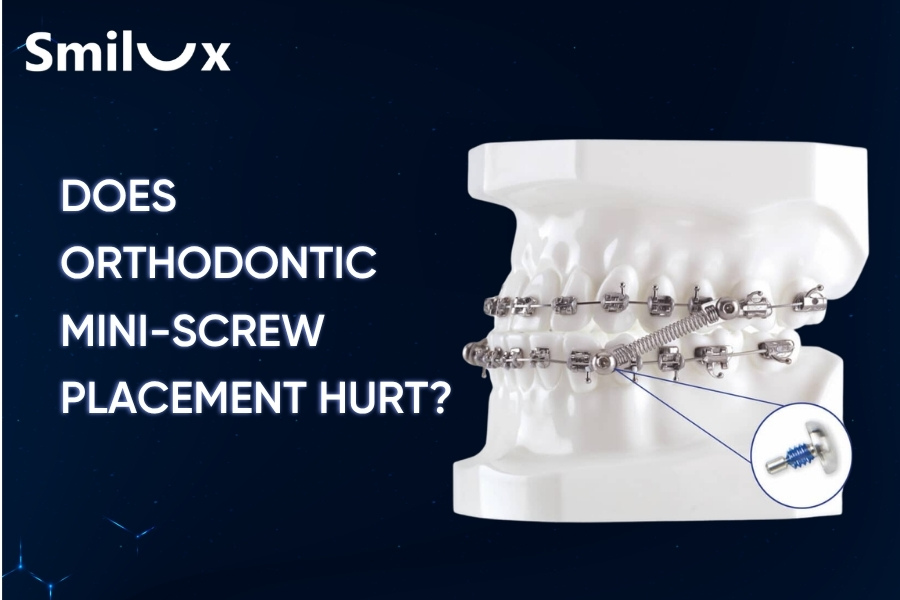
Before answering the question “Does orthodontic mini-screw placement hurt?”, let’s take a closer look at this technique with the dental team at Smilux Dental.
An orthodontic mini-screw (also known as a mini-screw or temporary anchorage device – TAD) is a very small titanium screw that is inserted into the jawbone during orthodontic treatment. Its purpose is to create a stable anchorage point, allowing orthodontists to control tooth movement with greater precision.
With this fixed anchor, teeth can be guided into the desired position without affecting adjacent teeth. This improves treatment stability, reduces unwanted movement, and significantly enhances overall orthodontic outcomes. In many cases, it can also help shorten the treatment duration compared to conventional methods.
Orthodontic mini-implants are commonly indicated in more complex cases, such as severe protrusion, gummy smile correction, or when space closure is required after tooth extraction. They are also useful when stronger anchorage control is needed, especially in cases involving significant tooth misalignment.
However, not every patient requires mini-implant placement. For mild crowding or simple bite issues, conventional orthodontic techniques can still achieve effective results without additional anchorage devices.
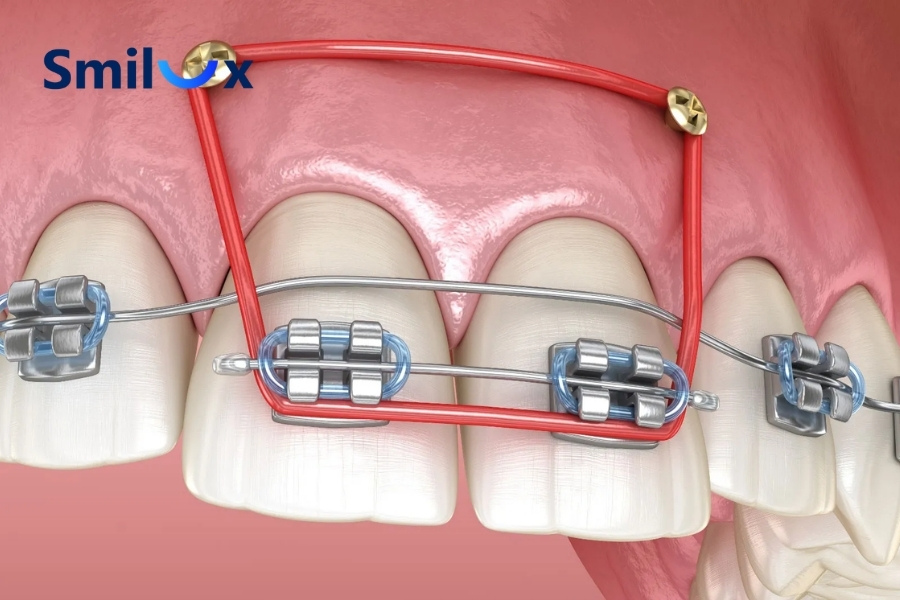
During orthodontic treatment, mini-screw (TADs) are prescribed to enhance anchorage control, especially in cases where tooth movement is more challenging. This technique offers several notable benefits:
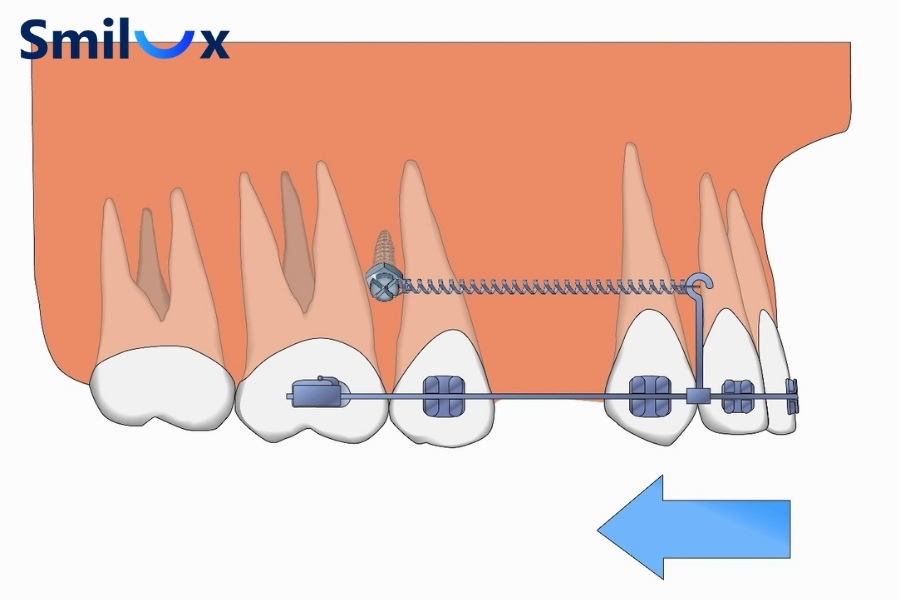
This is a common concern among patients who are recommended this procedure. In reality, orthodontic mini-implant placement is generally well-tolerated, as the dentist will apply local anesthesia to the gum tissue and underlying bone before the procedure. As a result, you will typically not feel pain during the insertion, only slight pressure at most.
After the anesthesia wears off, you may experience mild soreness or a slight feeling of tightness around the placement site. The level of discomfort varies from person to person, but it is usually very manageable. In most cases, this sensation lasts only a few hours to about one day, then gradually subsides and does not significantly affect daily activities.
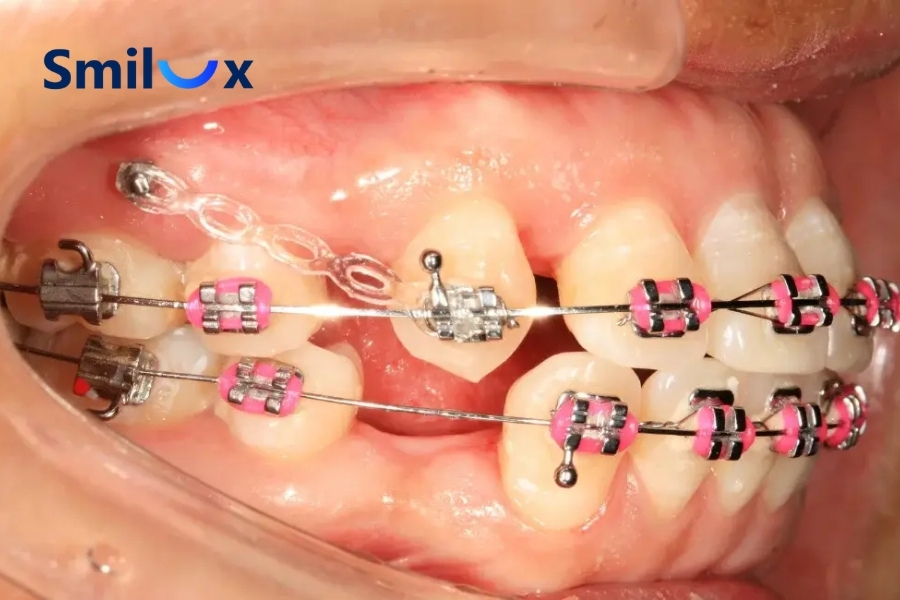
The placement site is one of the factors that can affect whether orthodontic mini-screw placement is painful. Depending on the dental condition and treatment plan, the orthodontist may place the mini-screw between the tooth roots (commonly in the premolar or molar regions) or in other areas such as above the anterior teeth, beneath the nasal floor, or in the chin region.
Areas near the incisors and canines tend to be more sensitive due to thinner soft tissue and a higher concentration of nerve endings. Therefore, after the anesthesia wears off, the feeling of soreness or irritation may be more noticeable compared to other regions.
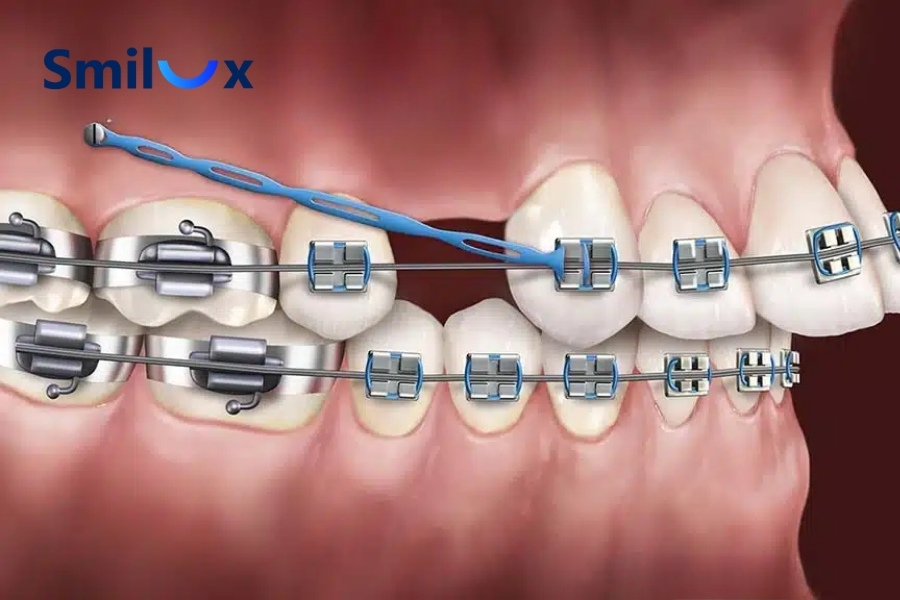
When performed by an experienced orthodontist, the mini-screw placement site is accurately determined and the procedure is carried out gently, minimizing trauma to the surrounding tissues. As a result, post-placement discomfort is typically mild, and the risk of complications is reduced.
In contrast, if the placement site is not ideal or the technique is not properly executed, the area may experience increased soreness or prolonged pain.
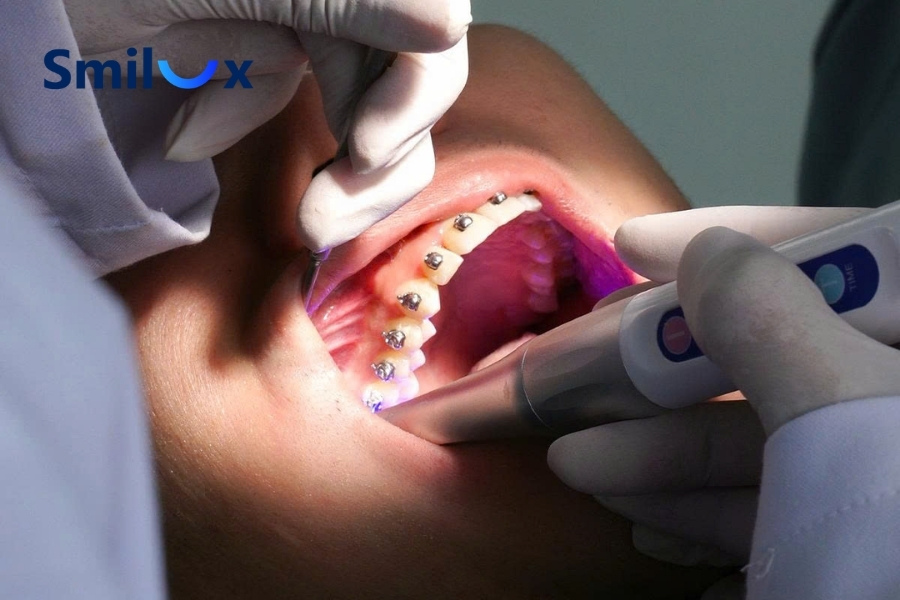
After mini-screw placement, if you experience mild soreness or slight discomfort, you can refer to the following tips shared by Smilux Dental:

Smilux Dental is proud to be a trusted dental clinic chosen by many patients throughout their orthodontic journey, helping them achieve a well-aligned smile and an ideal bite. The clinic brings together a team of highly qualified orthodontists with over 15 years of experience, successfully treating many complex cases, combined with BioLight orthodontic technology to optimize treatment outcomes.
Below are the outstanding advantages of BioLight technology at Smilux Dental:
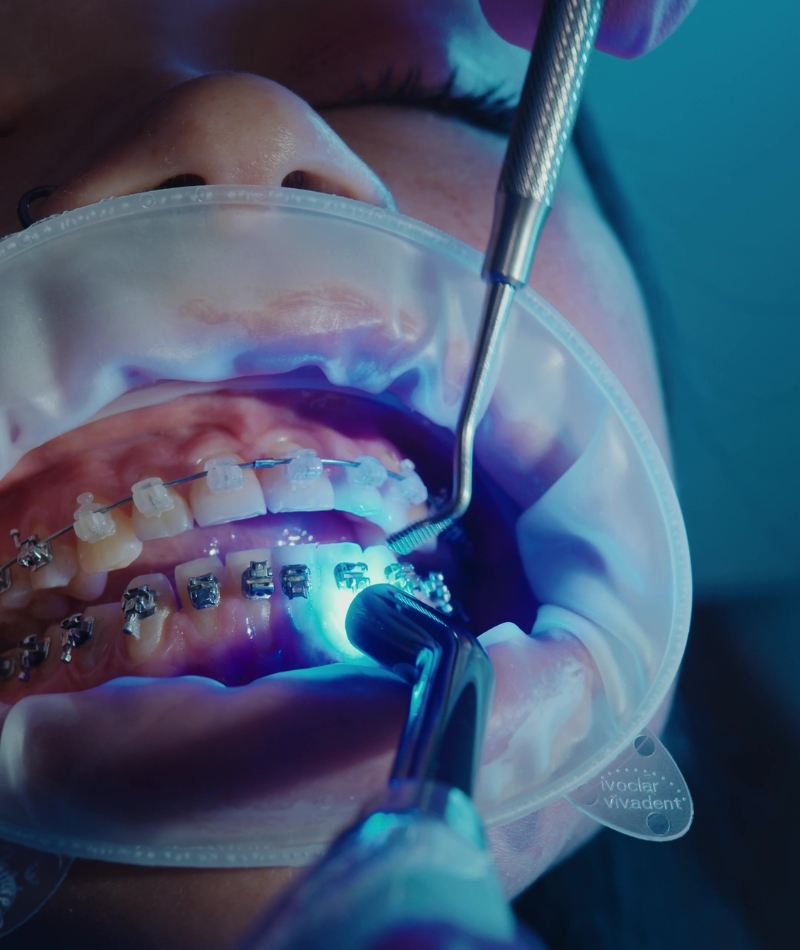
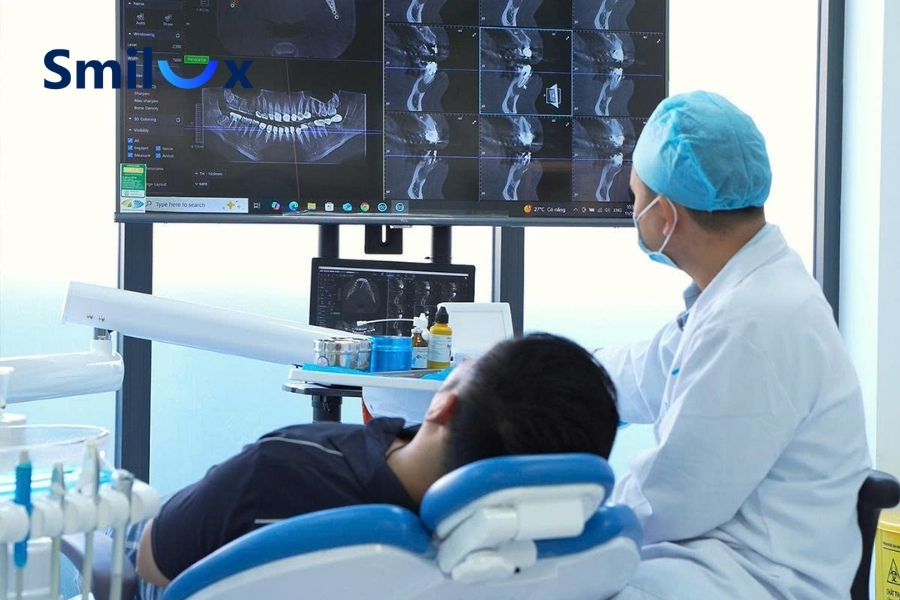
Similar to orthodontic treatment, mini-screw placement at Smilux Dental is performed according to a standard medical protocol and directly carried out by an orthodontist with over 15 years of experience. Each step is carefully controlled to ensure accuracy and safety, including:

At What Age Can You Get Braces? Learn with Smilux about the appropriate age for orthodontic treatment, the “golden time” that allows teeth to move more easily, and cases that require a dental examination before getting braces.
Learn about the causes, warning signs, management methods, and preventive measures for Bone Loss With Braces from Smilux Dental dentists to better protect your teeth, gums, and alveolar bone.
Can I Swim With Braces? Learn advice from Smilux dentists on swimming during orthodontic treatment, how to protect your brackets and aligners, and how to maintain proper oral hygiene so your braces treatment progress is not affected.
Can I Whiten My Teeth While Wearing Braces? Smilux Dental dentists explain the best time to whiten your teeth during orthodontic treatment, the risks to avoid, and how to care for your teeth to help reduce staining and sensitivity while wearing braces.